



Mineral processing plants play a critical role in the mining, cement, metallurgy, aggregate, and construction industries. Before raw ore can be used in steel production, cement manufacturing, infrastructure projects, or metal extraction, it must go through a series of processing stages designed to separate valuable minerals from waste rock and improve material quality.
Whether the project involves iron ore beneficiation, gold ore recovery, copper ore concentration, limestone processing, or construction aggregate production, the efficiency of the mineral processing plant directly affects production costs, recovery rates, energy consumption, and long-term operational profitability.
In modern industrial operations, mineral processing is no longer simply about crushing rocks into smaller sizes. Mining companies and plant operators are increasingly focused on improving recovery efficiency, reducing equipment downtime, lowering operating costs, and meeting stricter environmental regulations. As a result, the design and configuration of mineral processing plants have become far more sophisticated than traditional crushing systems.
This guide explains how mineral processing plants work, the major stages of mineral processing, the equipment commonly used in processing plants, and how to choose the right mineral processing solution for different industrial applications.
What Is a Mineral Processing Plant?
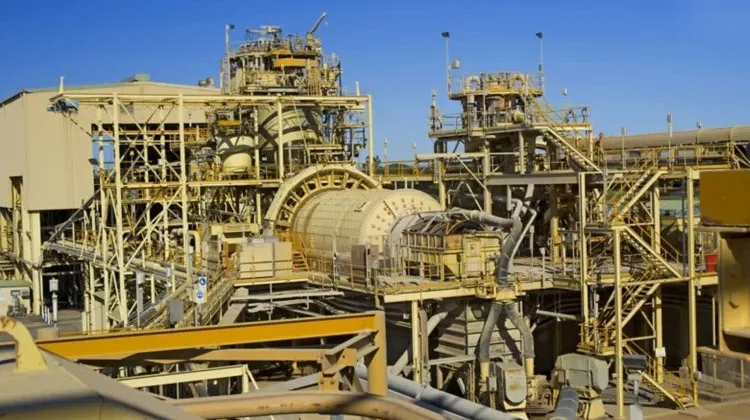
A mineral processing plant is an industrial facility designed to convert raw mined ore into higher-grade mineral concentrates or usable industrial materials through a combination of physical and chemical separation processes.
The main objective of mineral processing is to separate valuable minerals from gangue materials, which are the unwanted rocks and impurities mixed with the ore during mining operations.
In practical industrial applications, mineral processing plants are designed to:
- Improve ore grade and mineral purity
- Increase metal recovery efficiency
- Reduce waste material
- Prepare raw materials for smelting or industrial manufacturing
- Control final particle size for downstream processing
Mineral processing plants are widely used in:
- Iron ore processing
- Gold ore beneficiation
- Copper ore concentration
- Lead-zinc ore processing
- Limestone processing
- Cement raw material preparation
- Coal processing plants
- Aggregate production lines
- Construction waste recycling systems
The structure and complexity of a mineral processing plant depend heavily on ore characteristics, production capacity requirements, and the final product specifications required by downstream industries.
Types of Minerals That Can Be Processed
Different minerals require different processing technologies because each ore has unique physical and chemical properties.
Metallic Minerals
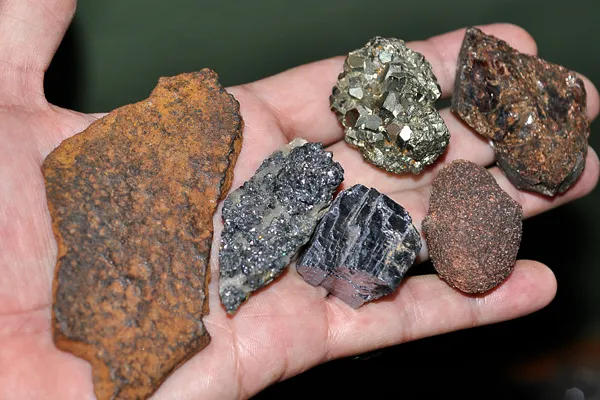
Metal ore processing plants are usually designed to maximize mineral recovery and improve concentrate grade.
Common metallic ores include:
- Gold ore
- Silver ore
- Copper ore
- 鉄鉱石
- Lead-zinc ore
- Nickel ore
For example, copper ore processing plants often rely heavily on flotation systems to separate copper minerals from waste rock, while iron ore processing plants commonly use magnetic separation systems to improve iron concentrate purity.
Non-Metallic Minerals

Non-metallic mineral processing plants are widely used in construction materials, ceramics, chemical manufacturing, and glass production industries.
Common non-metallic minerals include:
- 石英
- 長石
- 石灰岩
- Barite
- 蛍石
- 石膏
These materials often require precise particle size control and stable grinding systems to meet industrial quality standards.
Clay Minerals

Clay mineral processing usually requires specialized dewatering and classification systems due to the fine particle size and moisture characteristics of the material.
Common clay minerals include:
- Kaolin
- Bentonite
These materials are widely used in ceramics, paper manufacturing, drilling fluids, and chemical industries.
Building Materials and Energy Minerals
Mineral processing plants are also used in building material and energy industries.
Typical materials include:
- 花崗岩
- 大理石
- 石炭
- Shale
- Construction aggregates
In aggregate production plants, processing systems are designed not only to reduce rock size but also to improve particle shape and ensure consistent gradation for concrete and asphalt production.
Understanding the Four Main Stages of Mineral Processing
Although mineral processing flows vary according to ore type and production requirements, most processing plants include four major stages.
1. Comminution: Crushing and Grinding

Comminution is the first and one of the most important stages of mineral processing. The purpose of comminution is to gradually reduce large ore materials into smaller particles so that valuable minerals can be liberated from waste rock.
Efficient comminution directly affects downstream separation efficiency, energy consumption, and overall plant productivity.
Crushing Stage
Crushing systems are designed to reduce large rocks into smaller sizes suitable for grinding or further processing.
一般的な破砕装置には以下が含まれます。
ジョークラッシャー
Jaw crushers are commonly used for primary crushing because they can process large feed materials under heavy-duty operating conditions.
In hard rock mining operations such as granite quarries and iron ore processing plants, jaw crushers are valued for their durability, stable structure, and ability to handle highly abrasive materials continuously.
Unlike impact crushing systems, jaw crushers use compressive force, which usually results in lower wear when processing hard rocks.
コーンクラッシャー
Cone crushers are widely used in secondary and tertiary crushing stages, especially in hard rock applications.
Mining companies often prefer cone crushers for granite, basalt, and iron ore processing because cone crushers offer better wear resistance and lower long-term operating costs compared with impact crushers.
In large aggregate production lines, cone crushers also help produce more uniform aggregate sizes, which improves downstream grinding efficiency.
インパクトクラッシャー
Impact crushers are commonly used for limestone processing, concrete recycling, and aggregate production.
Unlike compressive crushers, impact crushers use high-speed impact energy to break materials, allowing them to produce aggregates with superior particle shape.
This is especially important in highway construction, commercial concrete production, and asphalt plants, where aggregate shape directly influences construction quality.
However, impact crushers are generally less suitable for highly abrasive materials because wear parts may require more frequent replacement.
Mobile Crusher Plant
Mobile crushing plants have become increasingly popular in mining and recycling industries because they offer greater operational flexibility.
Compared with stationary crushing systems, mobile crushers can be transported quickly between job sites and require less infrastructure investment.
Mobile crushing systems are widely used in:
- 建設廃棄物のリサイクル
- Temporary quarry operations
- Urban demolition projects
- Remote mining areas
For contractors working on short-term projects, mobile crusher plants often provide significant economic advantages.
Grinding Stage
After crushing, grinding systems further reduce ore particle size to liberate valuable minerals.
Grinding is usually the most energy-intensive stage in a mineral processing plant, which is why grinding system efficiency is extremely important for reducing operational costs.
一般的な研削装置には以下のようなものがあります。
ボールミル
Ball mills remain one of the most widely used grinding machines in mineral processing plants because they can operate continuously under heavy industrial workloads while maintaining stable particle size control.
In gold processing plants, cement production lines, and iron ore beneficiation projects, ball mills are often selected because of their strong adaptability to different ore characteristics.
SAGミル
Semi-autogenous grinding mills are commonly used in large mining projects because they can process large ore volumes with relatively high grinding efficiency.
SAG mills are widely used in copper mining and large-scale gold processing plants where high throughput capacity is required.
2. Sizing and Screening
Sizing and screening systems classify materials according to particle size before they move to the next processing stage.
Efficient screening systems improve plant efficiency because oversized materials can be returned for further crushing while qualified materials proceed directly to grinding or separation systems.
一般的なスクリーニング機器には以下が含まれます。
- 振動スクリーン
- トロンメルスクリーン
Classification equipment includes:
- スパイラル分類器
- ハイドロサイクロン
In modern mineral processing plants, accurate particle classification is extremely important because overgrinding can increase energy consumption and reduce recovery efficiency.
3. Concentration: Separating Valuable Minerals
Concentration is the core stage of mineral processing because this is where valuable minerals are separated from waste materials.
Different ores require different separation technologies based on mineral density, magnetic properties, and surface chemistry.
重力分離
Gravity separation relies on differences in mineral density.
This method is commonly used in:
- Gold processing
- Tungsten ore beneficiation
- Tin ore concentration
Common gravity separation equipment includes:
- Shaking Table
- スパイラルシュート
Gravity separation systems are often preferred because they require relatively low chemical consumption and operating cost.
泡浮選
Froth flotation is one of the most important technologies in modern mineral processing.
It is widely used in:
- Copper ore processing
- Gold ore beneficiation
- Lead-zinc concentration
Flotation systems use chemical reagents and air bubbles to separate valuable minerals from waste materials.
Modern flotation plants focus heavily on improving recovery efficiency while reducing reagent consumption and environmental impact.
磁気分離
Magnetic separation is commonly used for magnetic minerals such as iron ore and magnetite.
Magnetic separators are widely used in iron ore beneficiation plants because they can effectively improve concentrate grade while maintaining relatively low operating costs.
4. Dewatering
Dewatering systems reduce moisture content in mineral concentrates before transportation or further industrial processing.
Efficient dewatering is important because excessive moisture can increase transportation costs and reduce concentrate quality.
Common dewatering equipment includes:
- 増粘剤
- Filter Press
- 真空フィルター
- 回転式乾燥機
In many mining operations, dewatering systems are also important for water recycling and environmental management.
What Equipment Does a Mineral Processing Plant Need?
A complete mineral processing plant usually includes multiple categories of industrial equipment.
破砕設備
Used for primary, secondary, and fine crushing:
- ジョークラッシャー
- コーンクラッシャー
- インパクトクラッシャー
- ハンマークラッシャー
- Mobile Crusher Plant
Grinding Equipment
Used for ore size reduction:
- ボールミル
- Rod Mill
- SAGミル
- 立型ローラーミル
Grinding systems may operate under dry grinding or wet grinding conditions depending on the ore type and process requirements.
Mineral Processing Equipment
Used for mineral separation:
- 浮選機
- 磁気分離器
- Shaking Table
- スパイラルシュート
Different minerals require different combinations of separation equipment.
Screening Equipment
Includes:
- 振動スクリーン
- トロンメルスクリーン
乾燥装置
Includes:
- 回転式乾燥機
- Filter Press
補助機器
Auxiliary systems are essential for maintaining stable plant operation.
これらには以下が含まれます。
- 振動フィーダー
- ベルトコンベア
- バケットエレベーター
- Dust Collection System
Although auxiliary equipment often receives less attention, it plays a major role in overall plant efficiency and reliability.
Stationary vs Mobile Mineral Processing Plants
Mining companies often need to decide between stationary and mobile processing systems.
Stationary Mineral Processing Plants
Stationary plants are usually designed for long-term industrial operations with stable production requirements.
利点としては、以下のようなものがあります。
- 生産能力の向上
- 運用安定性の向上
- 自動化レベルの向上
- Lower long-term operating cost
These systems are commonly used in large mining projects and permanent quarry operations.
Mobile Mineral Processing Plants
Mobile systems are designed for flexibility and rapid deployment.
利点としては、以下のようなものがあります。
- インストールが速くなる
- インフラ投資の減少
- Easier relocation
- Better adaptability for temporary projects
Mobile processing plants are increasingly used in recycling operations, temporary mining projects, and remote construction sites.
How to Choose the Right Mineral Processing Plant
Choosing the right mineral processing solution requires careful evaluation of several important factors.
Ore Characteristics
Ore hardness, moisture content, abrasiveness, and mineral composition directly affect equipment selection.
For example, highly abrasive materials usually require equipment with stronger wear resistance.
生産能力
Large mining operations generally require high-capacity systems capable of continuous industrial operation.
Smaller projects may focus more on investment cost and operational flexibility.
Final Product Requirements
Different industries require different particle sizes, mineral purity levels, and aggregate quality standards.
Operating Cost
Energy consumption, wear part replacement frequency, and maintenance requirements all influence long-term profitability.
Environmental Compliance
Modern mineral processing plants increasingly focus on:
- Dust control
- 廃水処理
- Noise reduction
- エネルギー効率
Environmental regulations are becoming more important in mining and industrial projects worldwide.
Future Trends in Mineral Processing Industry
The mineral processing industry is evolving rapidly as companies seek greater efficiency, automation, and sustainability.
Future development trends include:
- インテリジェントオートメーションシステム
- Energy-efficient grinding technology
- High-capacity processing equipment
- Mobile processing solutions
- Environmentally friendly plant design
More mining companies are investing in digital monitoring systems, predictive maintenance technologies, and automated control systems to improve operational stability and reduce downtime.
よくある質問
What is the purpose of a mineral processing plant?
The purpose of a mineral processing plant is to separate valuable minerals from waste rock and improve the quality of raw ore before downstream industrial processing.
Which crusher is best for iron ore processing?
Jaw crushers and cone crushers are commonly used in iron ore processing because they can efficiently handle hard and abrasive materials.
Why is grinding important in mineral processing?
Grinding helps liberate valuable minerals from waste rock, improving separation efficiency during flotation, magnetic separation, or gravity concentration.
What is the difference between dry grinding and wet grinding?
Dry grinding is commonly used in cement and industrial mineral processing, while wet grinding is more common in metal ore beneficiation because it improves slurry transport and separation efficiency.
Are mobile mineral processing plants worth investing in?
For temporary projects, recycling operations, and remote mining areas, mobile processing plants often provide lower infrastructure costs and greater operational flexibility.
結論
Mineral processing plants are essential systems in mining, cement production, metallurgy, and aggregate industries. A well-designed processing plant not only improves mineral recovery efficiency, but also reduces operating costs, lowers energy consumption, and increases long-term production stability.
As industrial technology continues to evolve, modern mineral processing plants are becoming more intelligent, energy-efficient, and environmentally sustainable. Companies are increasingly focused on automation, operational reliability, and cost control to remain competitive in global mining and construction markets.
For mining investors, quarry operators, and industrial project developers, selecting the right mineral processing equipment and process design is critical for achieving stable production performance and long-term profitability.


 Japanese
  English
  Russian
  Arabic
  Vietnamese
  Spanish
  French
  Portuguese
  Chinese