



What is Alternative Fuel in Cement Plant?
Alternative Fuel (AF) refers to various renewable or waste-derived fuels used in cement production to partially or largely replace traditional fossil fuels such as coal, petcoke and natural gas. Typical alternative fuels include RDF / SRF, biomass fuels, waste tires, municipal solid waste, sludge and various industrial wastes. With proper pre-treatment, homogenization, storage and accurate dosing systems, these fuels can be fed into the cement kiln in a stable and controllable manner to provide thermal energy for clinker production.
Thanks to the technological advantages of cement rotary kilns, such as high temperature (over 1450°C), long residence time and strong turbulent combustion conditions, alternative fuels can be utilized safely and efficiently without affecting clinker quality or kiln stability. This not only significantly reduces overall fuel costs and CO₂ emissions for cement producers, but also realizes waste co-processing and resource recycling, making alternative fuel one of the key solutions for low-carbon transition and sustainable development of the cement industry.

Why Do Cement Plants Need to Develop Alternative Fuel Systems?
With the continuous increase of energy prices and increasingly strict carbon emission regulations worldwide, fuel cost and carbon pressure have become critical factors affecting the competitiveness of cement producers. For modern cement plants, fuel cost usually accounts for 30%–50% of total production cost. Relying only on traditional fossil fuels such as coal and petcoke means facing high cost volatility and growing environmental and carbon constraints.
By implementing alternative fuel systems, cement plants can largely replace conventional fuels with RDF / SRF, biomass, waste tires, sludge and other wastes. This not only significantly reduces overall fuel cost and CO₂ emission intensity, but also helps solve waste disposal issues for society. Therefore, alternative fuel is not only a practical solution for cost reduction and green transition, but has also become a standard configuration and long-term strategy for leading international cement groups.
Types of Alternative Fuels for Cement Plants
According to their sources and characteristics, alternative fuels used in the cement industry can be classified into several categories, mainly including waste-derived fuels, biomass fuels and some special solid wastes. With proper handling and feeding systems, these fuels can be safely and stably utilized in cement kilns to provide thermal energy for clinker production.

Produced from municipal solid waste or industrial combustible waste after sorting, shredding, drying and homogenization. It is one of the most widely used alternative fuels in cement plants.
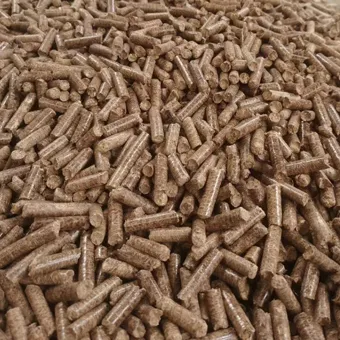
Such as rice husk, wood chips, wood pellets, palm shell and coconut shell. Biomass is a renewable energy source with significant carbon reduction benefits.
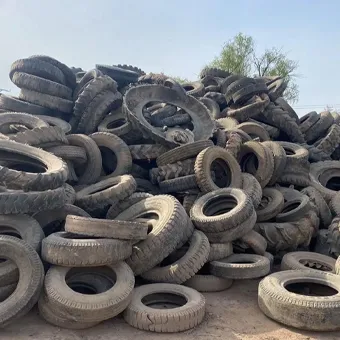
With high calorific value, they are widely used to partially replace coal and petcoke in cement kilns.
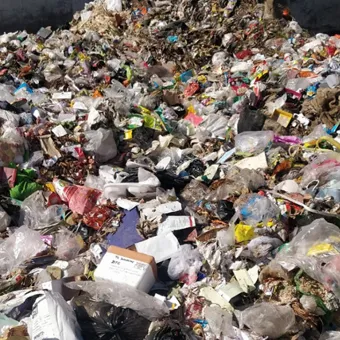
After proper pre-treatment, it can be used directly or processed into RDF.

Under suitable environmental and process conditions, they can be co-processed in cement kilns while recovering their energy content.

Including certain chemical wastes, contaminated soil, solvent-containing waste, waste oil, contaminated packaging, etc.
Our Alternative Fuel System Solutions
We provide complete one-stop alternative fuel system solutions for cement plants, covering the entire process from fuel receiving, pre-treatment, storage, dosing, conveying to kiln feeding. Our systems can be tailor-made according to different fuel types (RDF / SRF, biomass, waste tires, sludge, industrial waste and selected hazardous waste) and different production line conditions.
With proven process design and reliable automation systems, our alternative fuel solutions ensure high substitution rate, stable continuous operation and environmental compliance, without affecting kiln stability and clinker quality. This helps our clients maximize the utilization of alternative fuels while significantly reducing overall fuel cost and CO₂ emission intensity.
Our alternative fuel system is normally composed of the following functional subsystems, which can be flexibly configured according to fuel types, capacity and site conditions:
Fuel receiving and unloading system: including truck, container or bulk unloading stations for safe and efficient fuel reception.
Pre-treatment and pre-sorting system: for removing non-combustible impurities and oversized materials, improving fuel stability and system reliability.
Crushing, shredding and screening system: to process different fuels into suitable particle sizes for conveying and combustion.
Drying and homogenization system: to reduce moisture content and stabilize fuel quality fluctuations.
Storage system: including storage shed, buffer bin, day bin or silo to ensure continuous and stable fuel supply.
Reclaiming and feeding system: such as scraper reclaimers, screw feeders and weighing belt feeders for reliable and continuous feeding.
Dosing and proportioning system: for accurate ratio control of different fuels to meet various substitution rate requirements.
Mechanical conveying system: including belt conveyors, chain conveyors, screw conveyors and bucket elevators.
Pneumatic conveying system: suitable for light, fine or enclosed conveying requirements.
Buffer bins and flow-stabilizing devices: to eliminate system fluctuations and ensure stable feeding and combustion.
Kiln burner / calciner / preheater feeding system: specially designed feeding equipment and injection points according to different application positions.
Dedusting and environmental control system: to ensure emissions meet environmental regulations during operation.
DCS / PLC automatic control system: for centralized monitoring, interlock protection and intelligent operation management of the whole AF system.
Application Points of Alternative Fuel in Cement Production Line
Depending on the type, calorific value and physical properties of alternative fuels, as well as the configuration of the cement production line, alternative fuels can be flexibly applied at different combustion points of the cement plant. With proper selection of feeding points and suitable feeding and combustion systems, a high substitution rate can be achieved without affecting kiln stability and clinker quality.
In practical projects, alternative fuels are mainly applied at the following positions:
Main burner of 回転窯: Suitable for high calorific value or well-sized alternative fuels, directly participating in the clinker burning process.
Calciner: One of the most common and flexible application points, especially suitable for RDF / SRF, biomass and some solid waste fuels.
予熱器: Can be used for fine-sized or pneumatically conveyed alternative fuels, helping to further increase the overall substitution rate.
Separate firing system: Suitable for fuels with high moisture content or special combustion characteristics, integrated with the main kiln system through a dedicated combustion unit.
By adopting multi-point feeding and systematic configuration, different types of alternative fuels can be utilized in combination, further improving the overall substitution rate as well as the flexibility and stability of the system operation.
Environmental and Economic Benefits of Alternative Fuels in Cement Industry


Significant Environmental Benefits and Sustainability Value
By extensively using alternative fuels in cement production, dependence on fossil fuels such as coal and petcoke can be effectively reduced, resulting in a significant decrease in CO₂ emission intensity and overall carbon footprint. At the same time, co-processing various solid wastes and selected hazardous wastes in cement kilns enables waste reduction, harmless treatment and resource recycling, helping to relieve regional waste disposal pressure and reduce environmental risks.
While meeting increasingly strict environmental regulations, alternative fuel systems also help cement producers improve their ESG performance, access green financing and strengthen their long-term sustainable competitiveness, turning environmental investment into a real strategic advantage.
Attractive and Sustainable Economic Returns
From an economic perspective, alternative fuel systems can significantly reduce overall fuel costs and lower dependence on volatile fossil fuel markets. In many regions, alternative fuels are not only much cheaper than conventional fuels, but some waste-derived fuels can even generate additional revenue through co-processing or disposal fees, further improving the overall project economics.
With proper system design and stable operation, alternative fuel projects usually achieve attractive return on investment and predictable cash flow. Under the long-term trend of high energy prices and increasing carbon costs, alternative fuel systems have become a key investment for cement producers to achieve sustainable cost reduction and enhance risk resilience.
Typical Implementation Process of Alternative Fuel System for Cement Plant
Based on extensive experience in alternative fuel projects for cement plants, we have developed a proven and standardized project implementation process, ensuring smooth execution from engineering to commissioning. A typical project is carried out as follows:

At the initial stage, a comprehensive evaluation is carried out for the cement plant, including existing production line conditions, new line or retrofit requirements, available alternative fuel types and target substitution rate. Based on the analysis of the kiln, calciner and preheater operation, the process concept, feeding points and system capacity of the alternative fuel system are defined, forming a complete engineering solution and investment estimation for the alternative fuel project.

After the concept is approved, the project enters the detailed engineering phase, covering process design, equipment selection, general layout, electrical and automation system design. At the same time, manufacturing and procurement of the complete alternative fuel system equipment are organized, including crushing, storage, conveying, dosing and feeding systems, ensuring that the system meets the technical, quality and schedule requirements of the cement plant project.
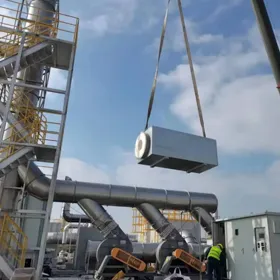
According to the project schedule, on-site installation supervision and construction management are carried out for the alternative fuel system, including mechanical installation, electrical and instrumentation works, and automation system integration. At this stage, special attention is paid to the interface between the alternative fuel system and the cement production line (rotary kiln, calciner and preheater), ensuring safe, stable and reliable operation of the entire system.

After installation, the project enters the commissioning and start-up phase. Individual equipment, subsystems and the complete alternative fuel system are tested and put into operation to gradually reach the designed substitution rate. Meanwhile, systematic operation and maintenance training is provided to the cement plant staff, ensuring long-term stable operation and continuous economic and environmental benefits.
Key Advantages of Our Alternative Fuel System
Based on extensive experience in cement plant projects and alternative fuel system applications, Lafa has developed a mature and engineering-oriented solution. Our system focuses not only on achieving high substitution rates, but also on long-term stable operation and overall project economics.

Our alternative fuel system is based on proven and reliable process concepts, fully considering the interaction between different fuel properties and the cement kiln system. Through optimized process configuration, stable dosing and feeding control, and a reliable automation system, stable kiln operation and consistent clinker quality can be ensured even under high substitution rates. The system has been verified in various fuel combinations and operating conditions, enabling long-term, continuous, safe and reliable operation.
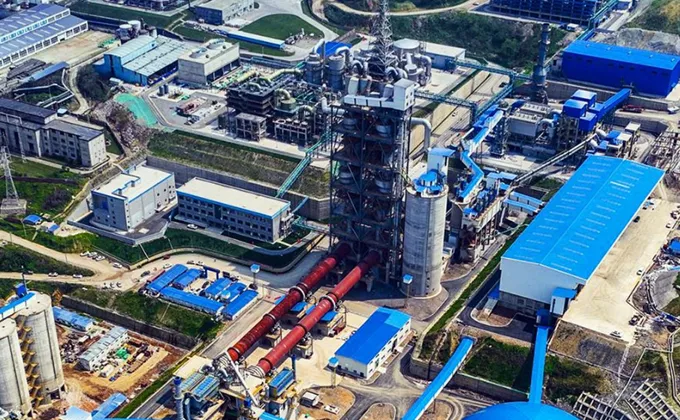
We adopt a modular and engineering-oriented system design philosophy, allowing customized configurations according to different production line conditions, new or retrofit projects, and local fuel availability. The system can be implemented step by step or delivered as a complete package, with good scalability and upgrade potential, helping clients gradually increase substitution rates while maintaining reasonable investment and achieving long-term economic and environmental benefits.
Alternative Fuel System Projects for Cement Plants
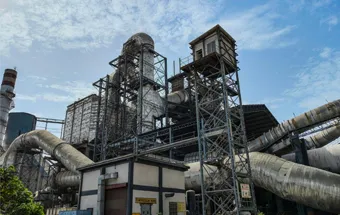 5000 TPD Cement Plant Alternative Fuel System Project (Calciner Firing)
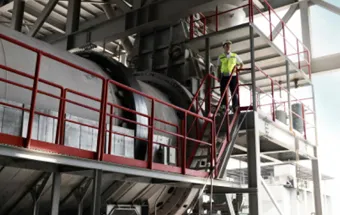 New Line Alternative Fuel Feeding System for 6000 TPD Cement Plant
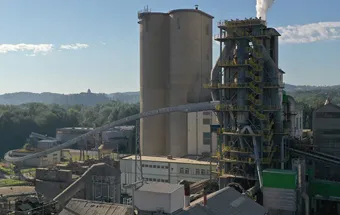 Cement Kiln Alternative Fuel Retrofit Project in Southeast Asia
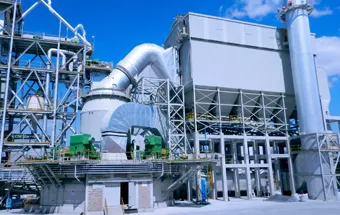 RDF Co-processing System for 4500 TPD Clinker Production Line
 Biomass and RDF Alternative Fuel System for Cement Plant
With proper system design and stable operation, alternative fuels do not negatively affect clinker quality. By controlling fuel properties and selecting suitable feeding points, stable kiln operation and consistent clinker quality can be maintained.
Yes. Alternative fuel systems can be applied to both new cement lines and retrofit projects of existing plants. Modular and engineering-oriented designs allow phased implementation without disrupting production.
Alternative fuel projects reduce fuel costs, decrease dependence on coal and petcoke, and in some regions generate additional revenue from waste co-processing, while also reducing carbon-related costs.
With proper design and strict operational control, alternative fuel systems fully comply with local and international environmental regulations. Cement kilns are ideal for waste co-processing due to their high temperature and long residence time.
The payback period depends on fuel type, substitution rate, local fuel prices and waste disposal policies, and is typically attractive with a relatively short return period.
 Japanese
  English
  Russian
  Arabic
  Vietnamese
  Spanish
  French
  Portuguese
  Chinese