


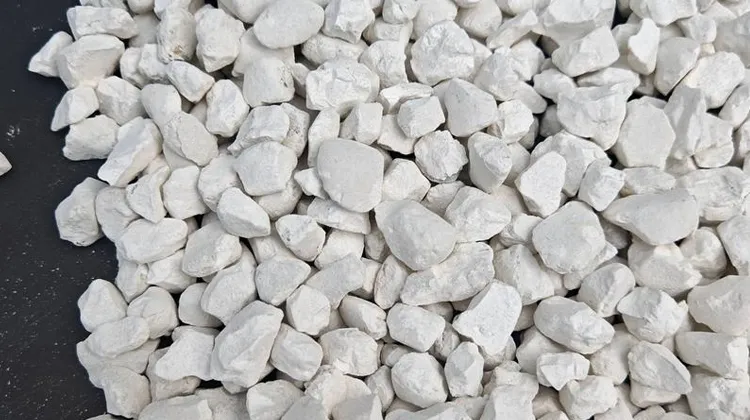
What Is Pelletized Lime?
Pelletized lime is a granulated form of lime produced by converting finely ground lime powder into small, dense, and free-flowing pellets through a controlled pelletizing process. It is designed to deliver the chemical effectiveness of traditional lime while significantly improving handling, application, storage, and environmental performance.
Unlike powdered lime, which can be difficult to apply due to dusting and uneven distribution, pelletized lime offers uniform particle size, reduced dust generation, and consistent performance across agricultural and industrial applications.
Definition of Pelletized Lime
From a technical perspective, pelletized lime is manufactured by taking quicklime (CaO) or hydrated lime (Ca(OH)₂), grinding it into a fine powder, and then forming it into pellets using moisture, binders, and mechanical granulation equipment.
These pellets maintain the high chemical reactivity of lime, while their physical structure allows for:
Controlled breakdown when exposed to moisture
Even spreading using conventional application equipment
Improved safety during handling and transportation
Composition of Pelletized Lime
Pelletized lime typically consists of the following components:
Óxido de cálcio (CaO) ou Calcium Hydroxide (Ca(OH)₂) as the active ingredient
High-purity lime powder with high neutralizing value
Small amounts of organic or inorganic binders to enhance pellet strength
Controlled moisture content to ensure pellet stability
The exact composition can be adjusted depending on application requirements, such as agricultural soil amendment, environmental remediation, or industrial pH control.
Physical Characteristics of Pelletized Lime
One of the key advantages of pelletized lime lies in its physical properties:
Uniform pellet size, typically ranging from 2 to 6 mm
Free-flowing behavior, suitable for automated spreading systems
High mechanical strength, reducing breakage during transport
Low dust emission, improving workplace safety and environmental compliance
These characteristics make pelletized lime easier to handle compared to powdered or crushed lime products.
Chemical Reactivity and Performance
Although pelletized lime appears solid and dense, the pellets are engineered to rapidly disintegrate upon contact with moisture. Once applied to soil or exposed to water, the pellets break down into fine lime particles, allowing the active calcium compounds to react efficiently.
This ensures:
Fast neutralization of acidic soils
Effective pH adjustment in water and wastewater treatment
Reliable chemical performance in industrial processes
Pelletized lime combines fast chemical response with controlled physical delivery.
Pelletized Lime in Agricultural Applications
In agriculture, pelletized lime is primarily used to adjust soil pH and improve soil fertility. Acidic soils can limit nutrient availability and reduce crop productivity. Pelletized lime helps:
Neutralize excess soil acidity
Improve availability of phosphorus, potassium, calcium, and magnesium
Promote healthy root development and microbial activity
Enhance crop yield and overall soil health
Because of its pelletized form, it can be applied using standard fertilizer spreaders, making it highly convenient for modern farming operations.
Pelletized Lime in Industrial and Environmental Applications
Beyond agriculture, pelletized lime is widely used in:
Water and wastewater treatment for pH adjustment and impurity removal
Flue gas desulfurization (FGD) systems in power plants
Soil and land remediation projects
Steel and metallurgical processes for slag conditioning and impurity removal
Its low-dust nature and consistent performance make it especially suitable for automated industrial systems.
Pelletized Lime vs. Other Lime Forms
Compared with other forms of lime, pelletized lime offers a balanced combination of chemical efficiency and physical practicality:
Compared to powdered lime, it significantly reduces dust and improves handling
Compared to agricultural crushed lime, it offers more uniform application and faster reactivity
Compared to liquid lime, it provides longer-lasting effects and easier storage
This balance explains why pelletized lime is increasingly preferred in both agricultural and industrial markets.
Why Pelletized Lime Is Gaining Global Popularity
The growing adoption of pelletized lime worldwide is driven by several factors:
Increasing focus on environmental protection and dust control
Expansion of precision agriculture and mechanized farming
Rising demand for consistent, high-quality lime products
Stricter regulations on material handling and emissions
As a result, pelletized lime is gradually replacing traditional lime forms in many regions.
How Is Pelletized Lime Manufactured?
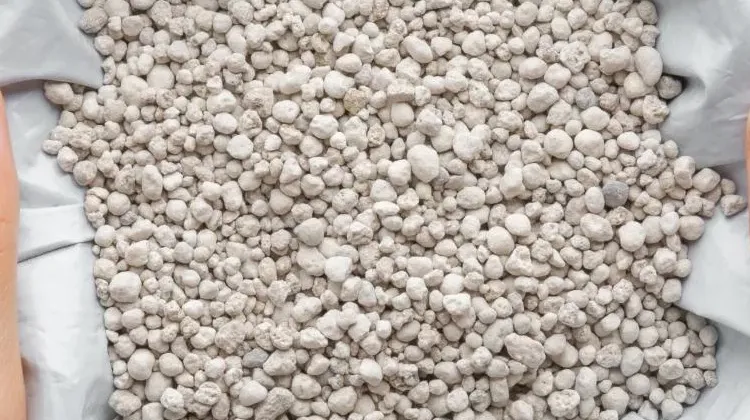
Pelletized lime is manufactured through a carefully controlled industrial process that converts limestone into a high-reactivity, low-dust, and free-flowing granular product. The production process integrates thermal treatment, chemical reaction, mechanical size reduction, and granulation technology, ensuring both chemical performance and physical strength of the pellets.
A complete pelletized lime production line typically includes raw material preparation, calcination, hydration, grinding, pelletizing, drying, screening, and packaging.
1. Raw Material Selection and Preparation
The production of high-quality pelletized lime begins with the selection of suitable limestone.
High calcium limestone with stable chemical composition is preferred
Low levels of impurities such as silica, alumina, and iron oxide
Typical calcium carbonate (CaCO₃) content: ≥90–95%
The limestone is crushed to a controlled particle size, usually below 20–30 mm, to ensure uniform heat transfer during calcination.
2. Calcination of Limestone
Calcination is a critical step where limestone is thermally decomposed to produce quicklime.
Limestone is fed into a rotary kiln or vertical shaft kiln
Calcination temperature typically ranges from 900°C to 1,100°C
Calcium carbonate decomposes into calcium oxide (CaO) and carbon dioxide (CO₂)
Proper control of temperature and residence time is essential to produce high-reactivity quicklime and avoid overburned or dead-burned lime, which reduces reactivity.
3. Hydration (Slaking) of Quicklime
After calcination, quicklime undergoes hydration to form hydrated lime.
Quicklime reacts with controlled amounts of water
The reaction produces calcium hydroxide (Ca(OH)₂) and releases heat
Industrial slakers ensure uniform hydration and prevent under- or over-slaking
This step significantly improves the material’s reactivity and prepares it for fine grinding and pellet formation.
4. Grinding and Fine Pulverization
Hydrated lime is ground into a fine powder to increase surface area and reactivity.
Grinding equipment may include moinhos de bolas, moinhos de rolos verticais, or Raymond mills
Typical fineness: 90–95% passing 200 mesh
Fine and consistent particle size is essential for uniform pellet formation
Grinding also ensures better mixing with binders and water in subsequent stages.
5. Mixing and Binder Addition
The fine lime powder is transferred to a mixing system where moisture and binders are added.
Water content is carefully controlled to achieve optimal pelletizing conditions
Small amounts of organic or inorganic binders may be used to improve pellet strength
Uniform mixing ensures consistent pellet size and durability
This step directly affects pellet quality, including abrasion resistance and breakdown behavior in soil or industrial applications.
6. Pelletizing (Granulation Process)
Pelletizing is the core process that transforms lime powder into granules.
Common equipment: disc pelletizers (pan granulators) ou rotary drum pelletizers
Lime powder agglomerates into pellets through rolling and layering action
Pellet size is typically controlled within 2–6 mm, depending on application requirements
The pelletizer design, rotational speed, inclination angle, and moisture content all influence pellet uniformity and strength.
7. Drying and Strengthening of Pellets
Freshly formed pellets contain free moisture and require drying.
Pellets are dried in a secador rotativo using hot air
Drying temperature is controlled to avoid pellet cracking or deformation
Drying increases mechanical strength and improves storage stability
Proper drying ensures pellets remain intact during handling, transport, and application.
8. Screening and Size Classification
After drying, pellets are screened to achieve consistent product size.
Telas vibratórias separate oversized and undersized pellets
Oversized pellets are crushed and recycled
Fine materials are returned to the pelletizing system
This closed-loop system improves material utilization and ensures product uniformity.
9. Packaging and Bulk Handling
The final pelletized lime product is transferred to packaging or bulk storage systems.
Common packaging options: 25 kg bags, 1-ton jumbo bags, or bulk silos
Automated packing systems improve efficiency and reduce labor costs
Dust collection systems ensure clean and safe operation
10. Quality Control and Process Optimization
Throughout the production process, quality control measures are implemented:
Monitoring chemical composition and reactivity
Controlling pellet size distribution and compressive strength
Adjusting process parameters to meet specific market requirements
Advanced pelletized lime plants often integrate automation and PLC control systems for stable and efficient operation.
Types of Lime
Lime is a broad term that refers to a variety of calcium-based materials derived primarily from limestone. Depending on raw material composition, production process, chemical reactivity, and end-use application, lime can be classified into many different types. Each type of lime is designed to meet specific agricultural, industrial, construction, or environmental requirements.
Below is a comprehensive overview of the most common types of lime used worldwide.
1. Agricultural Lime (Ag Lime)
Agricultural lime is mainly used to neutralize acidic soils and improve soil fertility. It is typically produced by crushing limestone and may contain varying proportions of calcium carbonate or magnesium carbonate.
Primary use: Soil pH correction
Common forms: Crushed limestone, powdered lime, pelletized lime
Key benefit: Improves nutrient availability and crop yield
2. Pelletized Lime
Pelletized lime is a processed form of agricultural lime made by pelletizing fine lime powder into uniform granules.
Primary use: Precision soil amendment
Advantages: Low dust, easy application, consistent performance
Suitable for: Modern mechanized farming and large-scale agriculture
3. Powdered Lime
Powdered lime consists of finely ground lime particles.
Primary use: Rapid pH adjustment
Disadvantages: High dust, difficult handling
Typical applications: Agriculture, industrial neutralization processes
4. Dolomitic Lime
Dolomitic lime is produced from dolomite limestone and contains both calcium carbonate and magnesium carbonate.
Provides calcium and magnesium
Ideal for magnesium-deficient soils
Common in agricultural soil conditioning
5. Hydraulic Lime
Hydraulic lime contains reactive silica and alumina, allowing it to set and harden in the presence of water.
Used in construction and restoration projects
Suitable for damp environments
Offers moderate strength and flexibility
6. Hydrated Lime (Slaked Lime)
Hydrated lime is produced by adding water to quicklime.
Chemical form: Calcium hydroxide (Ca(OH)₂)
Uses: Water treatment, flue gas desulfurization, construction
Advantages: High reactivity, safer handling than quicklime
7. Quicklime
Quicklime is produced by calcining limestone at high temperatures.
Chemical form: Calcium oxide (CaO)
Uses: Steelmaking, chemical processing, environmental treatment
Highly reactive and generates heat when hydrated
8. Building Lime
Building lime is used in construction materials such as mortars and plasters.
Includes air lime and hydraulic lime
Provides workability and durability
Common in masonry and heritage restoration
9. Air Lime
Air lime hardens slowly by reacting with carbon dioxide in the air.
Non-hydraulic lime
Used for lime mortars and plasters
Offers flexibility and breathability
10. Soda Lime
Soda lime is a mixture of calcium hydroxide and sodium or potassium hydroxide.
Used in gas purification
Absorbs carbon dioxide effectively
Common in medical and laboratory applications
11. Dead Burned Lime
Dead burned lime is produced by over-burning limestone at very high temperatures.
Low reactivity
Used in refractory and metallurgical applications
High density and thermal stability
12. Chemical Lime
Chemical lime refers to high-purity lime used in chemical manufacturing.
Strict composition control
Used as a reagent or neutralizing agent
Essential in chemical and pharmaceutical industries
13. High-Calcium Lime
High-calcium lime contains a very high percentage of calcium compounds.
Typically >90% CaCO₃ or CaO equivalent
High neutralizing value
Used in agriculture and industry
14. Active Lime
Active lime refers to lime with high chemical reactivity.
Rapid reaction with water and acids
Preferred in metallurgical and environmental processes
Often produced under controlled calcination conditions
15. Industrial Lime
Industrial lime is a general category covering lime used in manufacturing processes.
Applications: Steel, paper, sugar refining, chemicals
Requires consistent quality and supply
16. Lime Slurry
Lime slurry is a suspension of lime in water.
Used in water and wastewater treatment
Enables controlled dosing
Suitable for automated systems
17. Milk of Lime
Milk of lime is a dilute form of lime slurry.
Common in pH control systems
Used in water treatment and flue gas desulfurization
18. Limestone Powder
Limestone powder is finely ground calcium carbonate.
Lower reactivity compared to lime
Used as filler, soil amendment, and in construction materials
19. Desulfurization Lime
Desulfurization lime is used to remove sulfur dioxide from flue gases.
Used in power plants and industrial boilers
Key material in FGD systems
20. Metallurgical Lime
Metallurgical lime is used in steelmaking and non-ferrous metal production.
Removes impurities such as sulfur and phosphorus
Improves slag fluidity
Requires high purity and reactivity
21. Environmental Lime
Environmental lime is used in pollution control and remediation.
Applications: Soil remediation, wastewater treatment, acid neutralization
Supports environmental compliance and sustainability
What Are the Benefits of Using Pelletized Lime?

Pelletized lime offers a unique combination of chemical efficiency, physical durability, and operational convenience, making it one of the most effective lime products for both agricultural and industrial applications. Compared with traditional powdered or crushed lime, pelletized lime delivers more consistent results while reducing handling and application challenges.
1 Improving Soil Structure and Fertility
One of the primary benefits of pelletized lime is its ability to improve overall soil health.
Enhanced Nutrient Availability
By neutralizing soil acidity, pelletized lime increases the availability of essential nutrients such as phosphorus, potassium, calcium, and magnesium. This allows crops to absorb nutrients more efficiently and reduces the need for excessive fertilizer application.
Promotion of Beneficial Microbial Activity
Soil microorganisms thrive in balanced pH conditions. Pelletized lime creates a favorable environment for beneficial bacteria and fungi that contribute to organic matter decomposition and nutrient cycling.
Improved Soil Structure
Pelletized lime helps stabilize soil aggregates, improving aeration, water infiltration, and root penetration. This is particularly beneficial for compacted or heavy soils.
2 Advantages Over Traditional Agricultural Lime
Ease of Application and Precision
Pelletized lime can be applied using standard fertilizer spreaders, enabling precise and uniform distribution. This reduces labor requirements and supports precision agriculture practices.
Faster and More Efficient Soil Integration
Although pelletized lime is physically dense, the pellets are engineered to break down rapidly upon contact with moisture. This creates a large reactive surface area, allowing lime to interact quickly with soil acidity while maintaining good soil permeability and aeration.
Reduced Dust and Improved Handling
Unlike powdered lime, pelletized lime generates minimal dust during application, storage, and transport. This improves operator safety, reduces material loss, and minimizes environmental contamination.
3 Operational and Economic Benefits
Lower Handling and Transportation Losses
The durable pellet structure reduces breakage and fines, minimizing losses during transport and storage.
Improved Storage Stability
Pelletized lime is less prone to caking and moisture absorption compared to fine lime powder, making it suitable for long-term storage in silos, warehouses, or bulk bags.
Cost-Effective Over the Long Term
While pelletized lime may have a higher initial cost than traditional ag lime, its higher efficiency, reduced waste, and improved application accuracy often result in lower total cost of ownership.
4 Environmental and Safety Advantages
Lower dust emissions help meet environmental regulations
Reduced risk of inhalation and skin irritation
Cleaner application sites and equipment
These factors make pelletized lime especially attractive in regions with strict environmental and occupational safety standards.
5 Why Is Pelletized Lime Superior to Non-Pelletized Alternatives?
Compared to other lime forms and soil amendments, pelletized lime offers several key advantages:
Convenience and Versatility
Pelletized lime is easy to handle and compatible with a wide range of application equipment, making it suitable for farms, landscaping, and industrial facilities.
Superior Storage and Transportation Characteristics
Its uniform size and mechanical strength allow efficient bulk handling and long-distance transport without excessive degradation.
Consistent Performance and Lasting Effect
Pelletized lime provides uniform distribution and controlled breakdown, ensuring stable pH adjustment and longer-lasting soil improvement compared to unevenly applied materials.
What Are the Applications of Pelletized Lime?
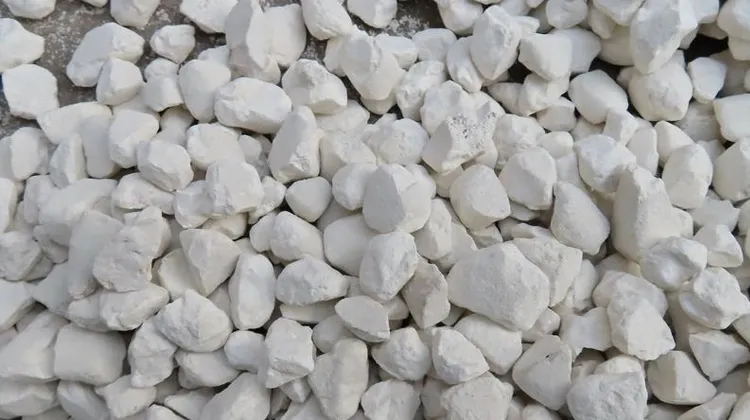
Pelletized lime is a versatile calcium-based material used across a wide range of industries due to its high reactivity, low dust generation, uniform particle size, and ease of handling. Its pelletized form allows precise application and consistent performance in both agricultural and industrial environments.
1 Agricultural Applications
In agriculture, pelletized lime is primarily used to correct soil acidity and improve soil fertility.
Neutralizes acidic soils and stabilizes soil pH
Improves availability of essential nutrients such as phosphorus, potassium, calcium, and magnesium
Enhances root development and crop resilience
Supports higher crop yields and long-term soil health
Pelletized lime can be easily applied using standard fertilizer spreaders, making it suitable for large-scale farming and precision agriculture systems. It is often used in combination with fertilizers to maximize nutrient efficiency.
2 Lawn and Turf Care
Pelletized lime is widely used in lawns, sports fields, golf courses, and landscape maintenance.
Corrects acidic soil conditions that cause poor grass growth and moss formation
Promotes strong root systems and uniform turf density
Improves soil structure and drainage
Its low-dust and free-flowing properties make it ideal for residential and commercial turf applications, where clean and accurate spreading is required.
3 Environmental and Industrial Applications
In environmental and industrial settings, pelletized lime plays a key role in pollution control and process stabilization.
Soil and land remediation of acidic or contaminated sites
Neutralization of acidic industrial by-products
Flue gas desulfurization (FGD) and air pollution control systems
pH adjustment in chemical and manufacturing processes
Pelletized lime is especially suitable for automated dosing systems due to its consistent particle size and reliable reactivity.
4 Water and Wastewater Treatment
Pelletized lime is commonly used in municipal and industrial water treatment plants.
Adjusts pH levels in raw water and wastewater
Removes heavy metals and dissolved impurities through precipitation
Stabilizes sludge and improves dewatering performance
Compared with powdered lime, pelletized lime reduces dust exposure and improves operational safety in water treatment facilities.
5 Waste Management and Sludge Treatment
In waste management, pelletized lime is used to stabilize and neutralize acidic waste streams.
Treatment of sewage sludge and biosolids
Neutralization of acidic industrial waste
Reduction of odors and pathogens
The controlled breakdown of pellets allows effective treatment while minimizing handling issues and material losses.
How to Apply Pelletized Lime Effectively
1 Assessing Soil Requirements
Understanding soil conditions is essential before application.
2 Conducting Soil Testing
Laboratory soil testing provides accurate pH and nutrient data.
3 Interpreting Soil Test Results
Test results help determine whether lime is needed and in what quantity.
4 Determining the Correct Application Rate
Application rates depend on soil type, crop requirements, and pH targets.
5 Application Methods
Equipment Selection
Spreaders (centrifugal or pneumatic)
Sprayers (for slurry application)
Spreader Application Steps
Calibrate the equipment
Apply evenly across the field
Lightly incorporate into soil if necessary
Sprayer Application Steps
Prepare lime slurry
Spray evenly over the target area
6 Safety Precautions During Application
Wear appropriate personal protective equipment
Avoid inhalation of dust and contact with eyes
Best Practices for Timing and Frequency of Application
Optimal Application Timing
Agriculture: Before planting or after harvest
Lawn and landscaping: Spring or autumn
Reapplication Frequency
Reapplication depends on soil type, crop rotation, rainfall, and management practices.
Comparing Pelletized Lime with Other Soil Amendments
1 Pelletized Lime vs. Agricultural Lime (Ag Lime)
Composition and Performance Differences
Pelletized lime offers more consistent composition and controlled reactivity.
Cost-Effectiveness Analysis
Although initial cost may be higher, long-term efficiency often results in lower overall costs.
2 Pelletized Lime vs. Liquid Lime
Application Method and Efficiency
Pelletized lime provides better coverage and longer-lasting pH correction.
Suitability for Different Soil Types
Effective across a wide range of soil conditions.
3 Integrated Use with Fertilizers
Compatibility and Combined Benefits
Pelletized lime is compatible with many fertilizers, improving nutrient uptake.
Timing Considerations
Proper scheduling ensures maximum effectiveness of both lime and fertilizers.
Pelletized Lime Production Equipment Solutions
As a professional cement and building material equipment manufacturer, we provide complete pelletized lime production line solutions, including:
Lime grinding systems
Disc pelletizers and rotary drum pelletizers
Secadores rotativos
Vibrating screening equipment
Automatic packing and bulk handling systems
Customized solutions are available based on production capacity, application requirements, and local operating conditions.
Conclusão
Pelletized Lime is becoming a key product in the global lime industry due to its excellent performance, environmental benefits, and ease of application. From agriculture to industrial and environmental uses, pelletized lime offers reliable and long-term solutions.
Choosing the right pelletized lime production equipment is essential to ensure product quality and project success. If you are looking for a professional pelletized lime plant solution or related building material equipment, feel free to contact us.
Perguntas frequentes
Q1: How long does pelletized lime take to work?
A: Soil pH improvement typically begins within a few weeks after application.
Q2: Is pelletized lime suitable for all crops?
A: It is suitable for most crops, but soil testing is recommended before application.
Q3: Can pelletized lime be applied together with fertilizers?
A: Yes, but application timing and dosage should be properly managed.


 Portuguese
  English
  Russian
  Arabic
  Vietnamese
  Spanish
  French
  Japanese
  Chinese