


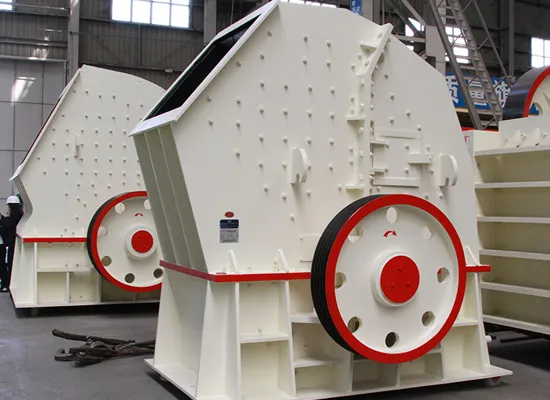
Triturador de martelo
- Capacidade: 5–300 t/h
- Tamanho máximo de alimentação: ≤ 600 mm
- Tamanho de saída: ≤ 25 mm (adjustable)
- Velocidade do rotor: 800–1500 rpm
- Hammer Material: High manganese steel / High chromium alloy
- Potência do motor: 11–200 kW
- Aplicativo: Hammer crushers are widely used in cement plants, mining, and building material industries for medium and fine crushing of soft to medium-hard materials such as limestone, coal, and gypsum, ensuring stable and continuous production.
What Is a Hammer Crusher?
A hammer crusher is a crushing machine commonly used for secondary and fine crushing of soft to medium-hard and brittle materials such as limestone, coal, gypsum, and shale. It is widely applied in cement plants, mining, power generation, metallurgy, and building material industries due to its high crushing efficiency and compact structure.
Hammer crushers are designed to combine crushing and shaping in a single process, helping you simplify the production flow and reduce equipment investment. Depending on your capacity requirements, feed size, and site conditions, the crusher can be customized in terms of structure, rotor design, and hammer material to ensure reliable and stable operation.
Hammer Crusher Parts & Working Principle
Hammer Crusher Parts
A hammer crusher consists of several key components that work together to ensure stable and efficient crushing performance:
Hammer Head: The hammer head is the main wear part and directly impacts the material. You can choose different materials such as high manganese steel, high chromium alloy, or composite materials according to material hardness and abrasiveness.
Rotor: The rotor drives the hammer heads at high speed and serves as the power core of the crusher. A heavy-duty rotor improves crushing efficiency while ensuring smooth operation.
Crusher Housing: The housing supports all internal components and forms a closed crushing chamber. It is usually made of thick steel plates for high impact resistance and durability.
Grate / Screen Plate: The grate controls the final product size. Only materials that meet the size requirement can pass through, allowing you to adjust output size by changing the grate configuration.
Main Shaft & Bearings: These components support high-speed rotation. Reliable bearings and proper lubrication help ensure long service life and stable performance.
Hammer Crusher Working Principle
The working principle of a hammer crusher is based on high-speed impact crushing. When material enters the crushing chamber through the feed opening, the rapidly rotating rotor drives the hammer heads to strike the material continuously, breaking it into smaller pieces.
During the crushing process, the material is not only impacted by the hammer heads but also collides with the crusher housing and grate plates, which further reduces particle size. Once the material is small enough to pass through the grate openings, it is discharged from the outlet, completing the crushing process. By adjusting rotor speed, hammer configuration, and grate design, you can control both capacity and final product size.

Hammer Crusher for Sale
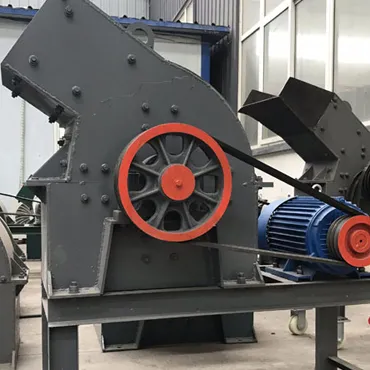
Hammer Mill Crusher is suitable for medium and soft materials, offering a compact design and high crushing efficiency for continuous and stable production.

Portable Hammer Mill features excellent mobility, making it ideal for temporary projects or multi-site operations with quick setup and lower installation costs.

Coal Hammer Crusher is specially designed for coal crushing, ensuring controlled output size and reduced over-crushing, commonly used in power plants and cement plants.
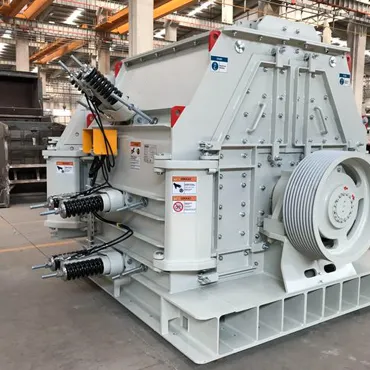
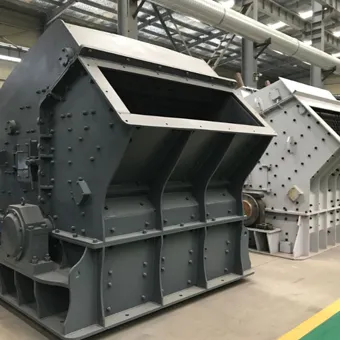
Impact Hammer Crusher uses high-speed impact force to crush materials, delivering excellent particle shape for applications requiring high-quality output.
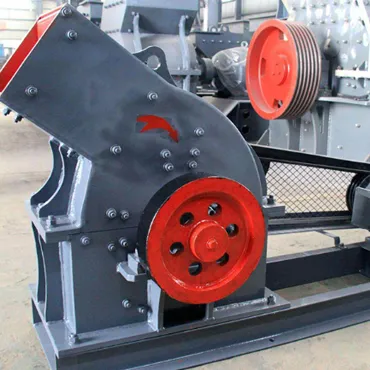
Stone Hammer Crusher is mainly used for crushing limestone, sandstone, and other stones, featuring a robust structure for high-load aggregate production lines.
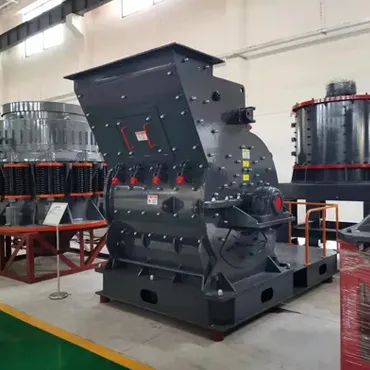
Hammer Mill Rock Crusher is suitable for medium and fine crushing of various rocks, balancing efficiency and stability for mining and building materials industries.
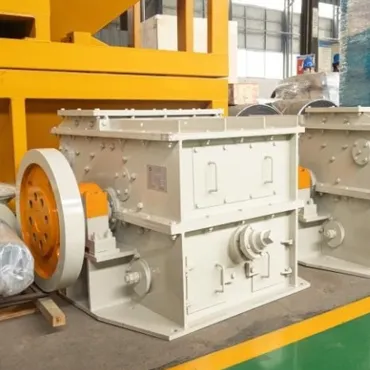
Ring Hammer Crusher features ring hammers that provide strong impact and shearing forces, making it suitable for high-moisture and sticky materials.
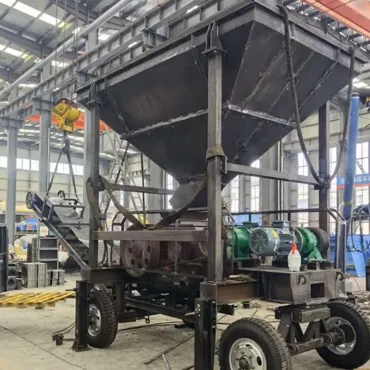
Mobile Hammer Crusher integrates crushing and mobility, offering flexible and efficient on-site crushing solutions with fast deployment.
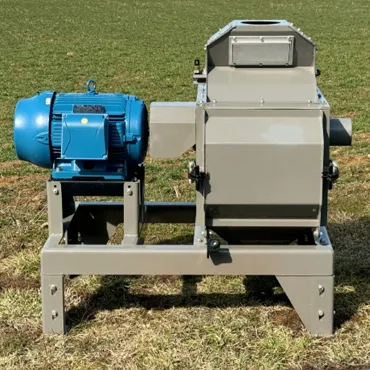
Small Hammer Crusher features a compact size and simple operation, ideal for laboratories, small production lines, or low-capacity projects.
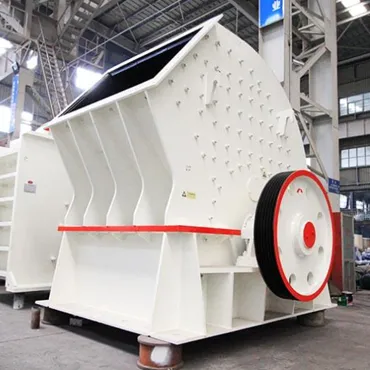
Small Hammer Crusher features a compact size and simple operation, ideal for laboratories, small production lines, or low-capacity projects.
- Advantages of Hammer Crusher
- Hammer Crusher in Cement Plant
Hammer Crusher is a proven and efficient crushing solution that helps you achieve stable capacity while simplifying the crushing process and reducing overall operating and maintenance costs.
High Crushing Efficiency and Stable Capacity
Hammer Crusher uses high-speed rotating hammers to continuously impact materials, delivering a large reduction ratio and stable throughput within a compact footprint.
Adjustable Output Size and Uniform Particle Shape
By adjusting the grate spacing and hammer configuration, you can precisely control the final product size to meet different production requirements.
Compact Structure and Simplified Process
Its compact design allows for simplified system layouts and, in some cases, reduces the need for secondary crushing equipment.
Wide Material Applicability
Hammer Crusher performs reliably when processing limestone, coal, shale, and other soft to medium-hard materials, making it suitable for cement, mining, and aggregate applications.
Easy Maintenance and Low Operating Cost
Convenient access to wear parts and a maintenance-friendly design help minimize downtime and reduce long-term operating costs.
Customizable to Match Your Project
Hammer Crusher can be customized according to your material characteristics, capacity requirements, and site conditions to deliver an optimized crushing solution.
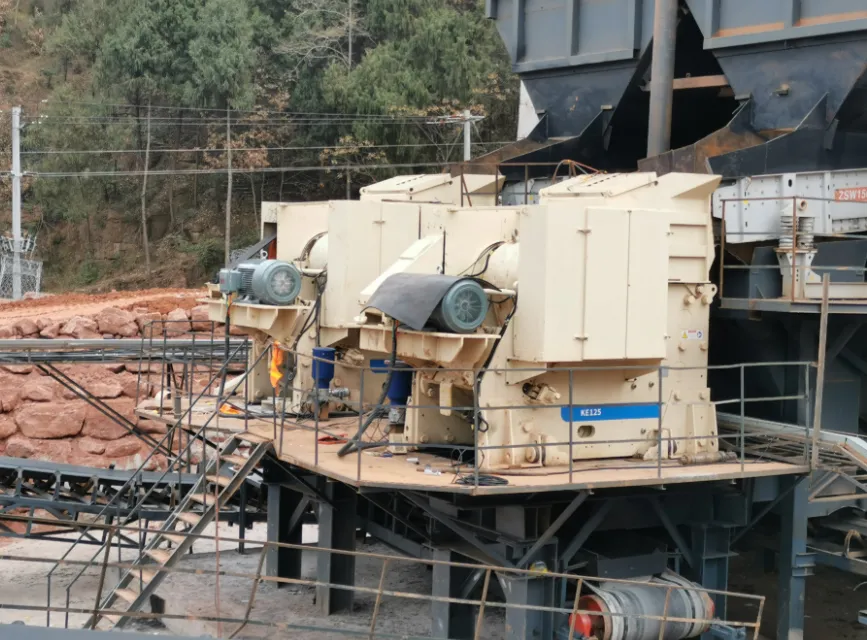
In cement plants, the hammer crusher plays a vital role in the raw material crushing system and is widely used for medium and fine crushing of materials such as limestone, clay, shale, and coal. Through continuous high-speed impact generated by rotating hammers, large feed materials are efficiently reduced to suitable sizes for subsequent raw meal grinding and homogenization, ensuring stable operation of the entire cement production line.
Designed to meet the demands of continuous operation and high reliability in cement manufacturing, hammer crushers offer clear advantages in structural simplicity and operational stability. Their compact layout helps you optimize plant space utilization, reduce auxiliary equipment, and simplify process flows. Uniform product size contributes to improved grinding efficiency, lower energy consumption, and better overall production performance.
In practical cement projects, hammer crushers can be specifically selected and customized based on your material properties, capacity requirements, and process conditions. Options such as hammer design, grate configuration, and wear protection allow the crushing system to integrate seamlessly into different stages of cement production, making the hammer crusher a key solution for capacity assurance, cost control, and long-term operational stability.
Produtos relacionados

Depending on the configuration, a hammer crusher can be used in primary or secondary crushing and may simplify multi-stage crushing systems in certain applications.
Yes. Hammer crushers feature a simple structure, allowing fast replacement of wear parts such as hammers and liners, reducing downtime.
Hammer crushers are better suited for soft to medium-hard materials and stable operating conditions, while impact crushers offer better particle shape control.
Hammer crusher price depends on equipment size, capacity, material selection, customization level, and included spare parts or services.
Choose a hammer crusher manufacturer with proven project experience, strong manufacturing capability, and comprehensive after-sales support.
 Portuguese
  English
  Russian
  Arabic
  Vietnamese
  Spanish
  French
  Japanese
  Chinese