



What Is a Crusher?
A crusher is a piece of equipment used to break large chunks of material—such as ore, limestone, coal, and clay—into smaller particles. In cement production lines, crushers are typically employed to reduce raw materials to a particle size suitable for grinding. Crusher types include jaw crushers, hammer crushers, roller crushers, and impact crushers, each with its unique range of applications.
The role of crushers in cement production is crucial. They not only enhance the workability of raw materials but also provide suitable feedstock for subsequent processes like grinding and drying. Selecting the appropriate crusher effectively boosts production efficiency, reduces energy consumption, and extends equipment service life.

How Does a Crusher Work?
Crusher machines enhance the efficiency of subsequent processes by breaking large chunks of material into smaller particles. Different types of crushers operate on distinct principles, primarily involving compression, impact, and shearing methods. For instance, jaw crushers utilize the squeezing force between two jaw plates to crush materials, making them suitable for coarse crushing of hard materials. Hammer crushers employ high-speed rotating hammers to deliver powerful impacts, breaking materials into fine particles and are widely used in medium and fine crushing operations. Roller crushers generate crushing force through the relative rotation of two rollers, making them suitable for medium-hard materials with good fine crushing results. Impact crushers achieve efficient crushing through multiple impacts within the crushing chamber, utilizing the collision between a high-speed rotating rotor and impact plates.
Selecting the appropriate crusher not only enhances production efficiency but also reduces energy consumption and extends equipment lifespan. Through rational process selection, crushers provide efficient and economical material crushing solutions for industries such as cement, mining, and building materials. Whether used for raw material crushing, clinker grinding, or other applications, crushers can help enterprises reduce costs and boost overall productivity through optimized design and precise control.
Types of Crusher
We offer a variety of crusher types to meet diverse crushing requirements. From jaw crushers to mobile crushers, each machine boasts unique advantages to efficiently handle coarse, medium, or fine crushing of materials. Selecting the appropriate type helps optimize your production process and enhance efficiency.
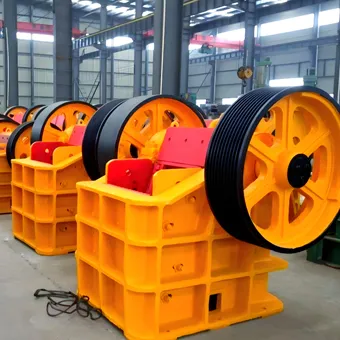
Used for coarse crushing of hard materials, featuring a simple structure and durability, it is widely applied in industries such as cement and mining.
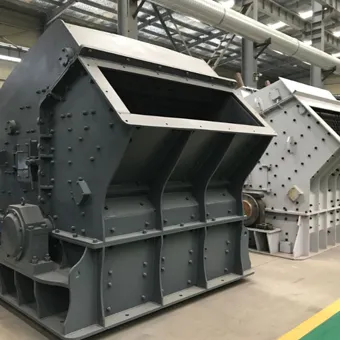
The material is crushed by a high-speed rotating rotor and impact plates, suitable for medium and fine crushing operations.

Primarily used for medium and fine crushing of materials, it offers excellent particle shape control and high crushing efficiency.
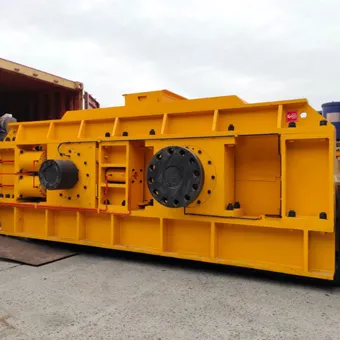
The material is crushed by the pressure between two rollers, suitable for fine crushing of medium-hard materials.
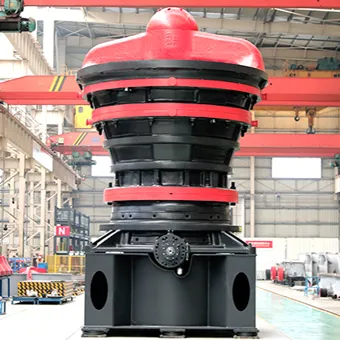
Utilizing rotary motion to crush materials, this method is suitable for processing high-hardness materials and offers high efficiency.

The crusher employs high-speed rotating hammers to strike materials, making it suitable for medium and fine crushing operations. It is commonly used for materials such as coal and limestone.
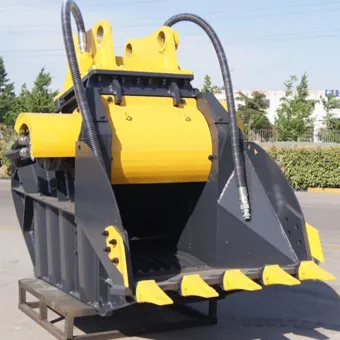
Suitable for lifting and crushing large bulk materials, it efficiently conveys and processes materials and is commonly used in cement production lines.

Designed for on-site use and deployment, it offers high flexibility and mobility, making it widely used in mining operations and construction sites.
Crusher Machines for Different Materials
Different materials require different crushing equipment. Whether it’s ore, coal, metals, concrete, or cement, our crushers provide tailored solutions to ensure efficient crushing and precise particle size control.

Specifically designed to crush large chunks of rock into aggregates of varying sizes for use in infrastructure projects such as highways and construction.

Primarily used for crushing scrap metals such as iron and aluminum, it is widely applied in metallurgy and scrap recycling industries.

Suitable for primary and secondary crushing of various ores, particularly well-suited for processing hard ores.
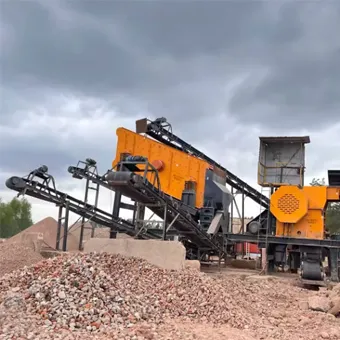
Primarily used for crushing concrete in construction waste, facilitating reuse and resource recovery.
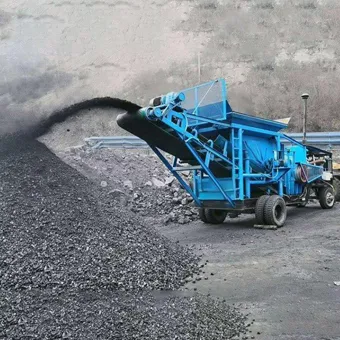
Suitable for coal crushing and pulverization, widely used in coal mines, thermal power generation, and other fields.

Used for crushing various types of clay materials, it is widely applied in the building materials and ceramics industries.
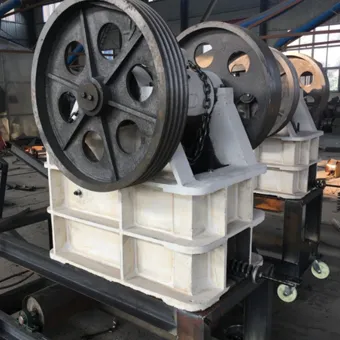
Specifically designed for crushing materials in the cement production process, enhancing production efficiency and material quality.
Crusher Equipment Specifications
Based on production requirements and space constraints, we offer a variety of crusher specifications. Whether it’s compact equipment or large-scale crushers, we deliver precise crushing results to enhance production efficiency and reduce costs.
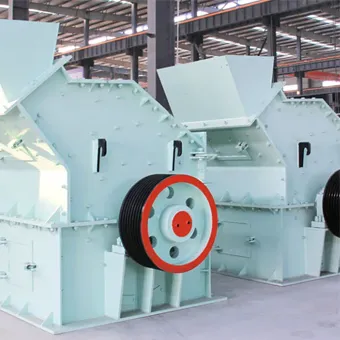
Suitable for crushing operations requiring high fineness, it can produce finer output particle sizes and is commonly used in sand making and fine grinding.
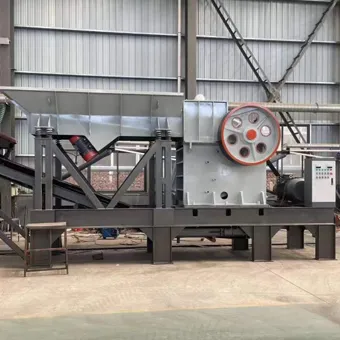
Primarily used for crushing larger raw material blocks, it is suitable for coarse crushing operations and is commonly employed in ore and cement production lines.

Suitable for small to medium-scale production, featuring a small footprint and minimal space requirements, ideal for small factories and laboratories.

Portable crusher machine, compact design with a small footprint, ideal for production environments with limited space, while delivering efficient crushing performance.

For the initial crushing of materials, it can break large chunks into smaller particles, making it suitable for the primary processing of stone or ore.
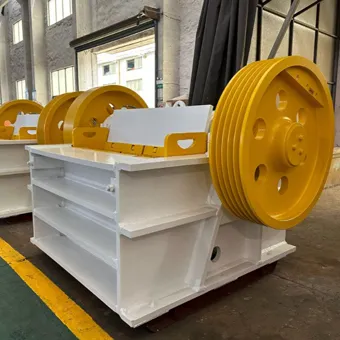
Suitable for secondary fine crushing of pre-crushed materials to enhance particle fineness, ideal for various fine crushing applications.
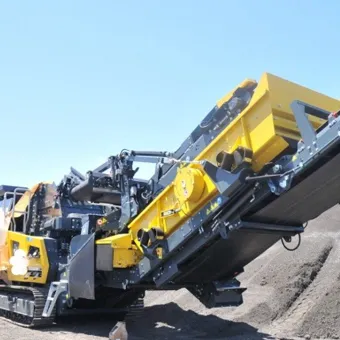
Powered by an electric motor for crushing, it delivers consistent performance and is widely used in various industrial applications.
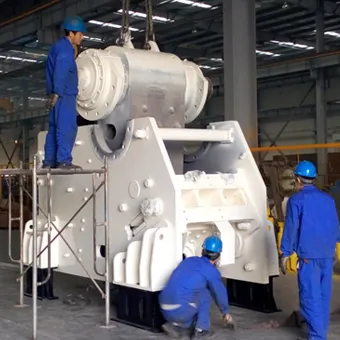
Hydraulically driven, it offers high crushing capacity and precision, commonly used for processing high-hardness materials.
Different Types of Crushers Are Suitable For Different Crushing Requirements
Crushing machines can generally be divided into two major categories: compression crushers and impact crushers. Compression crushers (such as jaw crushers, gyratory crushers, and cone crushers) break materials by applying pressure, making them suitable for processing hard materials like ores and rocks. Impact crushers (such as horizontal shaft impact crushers and vertical shaft impact crushers), on the other hand, break materials through high-speed impact forces. They are better suited for processing softer materials or in applications requiring fine and uniform particle sizes.
- Jaw Crusher: The jaw crusher is a compression-type crusher typically used for primary crushing, particularly suited for processing high-hardness materials such as ores and rocks. It crushes large chunks of material into smaller particles suitable for transportation through the compressive action between fixed and movable jaw plates. Jaw crushers are ideal for applications requiring high throughput capacity and larger particle size products, widely used in mining, construction, recycling, and other industries.
- Gyratory Crusher: Typically employed for high-capacity primary crushing, its operating principle resembles that of the jaw crusher, breaking material through sustained compressive force. Designed to handle large-sized feed, it is well-suited for mines and large-scale production lines, ensuring efficient material processing. Gyratory crushers deliver superior crushing performance when processing extremely hard materials.
- Cone Crusher: Suitable for secondary, tertiary, and quaternary crushing stages. Similar to gyratory crushers, cone crushers utilize the compressive action between a rotating conical liner and a fixed liner to break materials. Cone crushers are particularly well-suited for processing medium-hard to hard materials, offering precise particle size control. They are widely used in mining, metallurgy, construction, and other industries, performing exceptionally well in scenarios requiring fine particle sizes.
- Impact Crusher: Breaks material through high-speed rotor rotation and collision with the feed. Unlike compression crushers, impact crushers are better suited for fine and medium crushing tasks. Horizontal-shaft impact crushers are ideal for secondary crushing and harder materials, while vertical-shaft impact crushers are used for fine crushing and high-precision aggregate production, particularly when precise cubic-shaped products are required.
Selecting the appropriate crusher is critical based on material hardness, particle size requirements, and production stage. For instance, jaw crushers and gyratory crushers are ideal for processing large chunks of ore or rock. Conversely, impact crushers are better suited when finer particles or high-quality sand and gravel are required for the final product. Each crusher type offers distinct advantages, ensuring optimal crushing results across diverse applications.
The Role of Crushers in Cement Production Lines
Crusher primarily serves to perform preliminary crushing of raw materials in cement production lines, breaking large chunks of ore, limestone, and other materials into particles suitable for further processing. This process constitutes the first step in cement production and is one of the most critical stages.
- Raw Material Pre-processing: Cement production requires substantial quantities of raw materials like limestone, clay, and ore, which typically arrive in large chunks. Crushers perform the initial breaking down of these materials into smaller particles, ensuring they meet subsequent process requirements and facilitating entry into grinding and other processing stages.
- Enhancing Production Efficiency: Crushers boost overall production efficiency through their high-capacity crushing capabilities. The more uniformly the raw materials are crushed, the more efficiently subsequent processes like grinding and mixing can proceed. This reduces the burden on downstream equipment and increases the overall production capacity of the line.
- Ensuring Product Quality: Crushers help cement production lines achieve uniform particle size distribution in raw materials. Appropriate particle size is critical for cement quality; particles that are too large or too small can adversely affect cement sintering efficiency and final strength. Crushers precisely control raw material particle size, guaranteeing cement stability and high quality.
- Reducing Energy Consumption: Appropriate raw material particle size significantly lowers energy consumption in subsequent processes, particularly during grinding. Excessively coarse raw materials require more energy during grinding. Crushers efficiently break materials to the ideal particle size range, thereby reducing overall energy consumption.
- Material Distribution and Conveyance: Crusher equipment breaks large raw material chunks into particles of varying sizes. These particles are then transported via conveyor belts and other systems to subsequent processing stages. This process not only enhances production automation but also optimizes material distribution and transportation efficiency within the cement production line.
Customized Crushing Solutions: Crushing Systems Optimized for Each Project

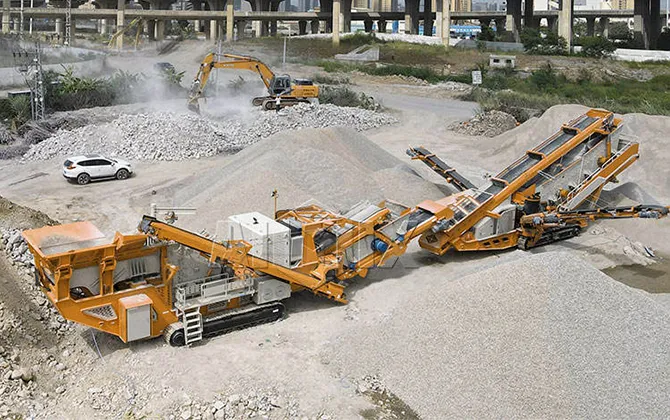
Each production project has unique requirements, including factors such as material type, hardness, particle size distribution, and production scale. To meet these diverse needs, we provide customized crushing solutions, designing and optimizing the most suitable crushing system based on each project’s specific conditions. Through precise analysis and optimized design, we ensure the crusher system not only enhances production efficiency but also reduces energy consumption and maintenance costs, thereby improving the overall economic efficiency of the production line.
- Personalized Design for Efficient Crushing: Our customized crushing solutions involve a comprehensive assessment of your requirements, combined with material characteristics (such as ore hardness, moisture content, and cohesiveness) to design the most suitable crushing system. By selecting the appropriate crusher type, configuring auxiliary equipment rationally, and optimizing various parameters during the crushing process, we deliver highly efficient crushing solutions that maximize production capacity and crushing efficiency.
- Optimized Energy Efficiency and Reduced Maintenance Costs: Our customized crushing systems prioritize not only crushing performance but also minimizing energy consumption and maintenance expenses. By precisely controlling crusher workloads, optimizing system workflows, and strategically selecting crushing equipment, we effectively reduce energy usage and extend equipment lifespan. This approach lowers production costs while minimizing downtime caused by equipment failures, ensuring stable and continuous production.
- Flexibility and Scalability: Our customized crushing solutions offer exceptional flexibility and scalability, adaptable to evolving production demands. Whether configured as standalone units or integrated into complex multi-unit systems, they can be optimized and upgraded according to project requirements to accommodate future production line expansions or technological advancements.
Crusher Parts
The performance of crushers is closely tied to the quality of their components. We offer a wide range of high-quality crusher parts. These components are essential for ensuring efficient crusher operation and extending equipment lifespan. Based on your requirements, we also provide customized crusher parts services, ensuring each component aligns with the crusher’s overall design and operational needs. Whether for routine replacement parts or components tailored to specific requirements, we deliver high-quality, precise solutions.

Breaker hammers and impact plates are critical components in crushers, directly contacting materials to pulverize them through high-speed rotational impact forces. They are suitable for materials of varying hardness, playing a vital role especially in impact crushers and impact crushers. High-quality breaker hammers and impact plates withstand intense impact loads, ensuring crushing efficiency and uniform material fragmentation.

Crusher liner plates are used to protect the inner lining of crushers, preventing damage to the equipment caused by material impact and abrasion. These plates effectively extend the service life of the equipment and reduce maintenance costs. Based on the type of crusher and operational requirements, we offer liner plates made from various materials—such as high-chromium alloy and wear-resistant steel—ensuring excellent wear resistance and impact resistance. This guarantees the crusher’s continuous and stable operation under high loads.

Jaw plates are one of the core components of jaw crushers, primarily responsible for crushing large materials through the clamping action of two jaw plates. During the crushing process, jaw plates endure immense compressive forces, experiencing significant wear especially when processing hard materials. We provide highly wear-resistant jaw plates manufactured using advanced techniques, ensuring they maintain efficient and stable performance over extended periods of use while reducing the costs associated with frequent replacements.
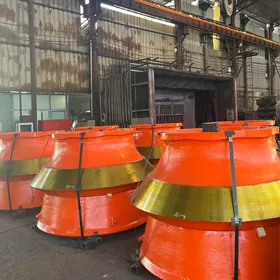
Mantle and concave are the key parts of cone crushers, working together to crush material through compression. The mantle rotates eccentrically, while the concave remains fixed, and together they provide efficient crushing. Due to the high-intensity working environment and significant wear, both the mantle and concave need to be made of highly durable and impact-resistant materials. Our mantle and concave parts are made with advanced materials, providing longer service life and lower maintenance costs, ensuring efficient crusher operation.

In certain types of crushers, screens and screen plates also play a crucial role. They are used to sift materials, ensuring the final product meets the required particle size specifications. The selection of screen mesh aperture and material is vital for effective material screening, enabling the achievement of precise particle size requirements. We offer customized screens and screen plates designed for specific crushing needs, guaranteeing optimal screening performance and crushing efficiency.
Why Choose Lafa Crushers?
After over two decades of innovative development, Lafa has become one of the world’s most competitive suppliers of crushing equipment and integrated crushing solutions. Whether you aim to boost production efficiency, reduce operational costs, or ensure long-term stable equipment performance, our crushers are your ideal choice.

At Lafa, we remain at the forefront of crusher technology. Leveraging years of experience and technical expertise in mining and aggregate processing applications, we have achieved significant breakthroughs in crusher technology, delivering solutions that combine reliability with high efficiency.
We focus on optimizing equipment reliability and process performance while integrating intelligent features for smoother operation. Our crushers incorporate cutting-edge technology to ensure low maintenance and extended service life, while our comprehensive spare parts supply guarantees long-term stable operation. Through continuous innovation, our crushers meet international standards and achieve world-leading performance, making them the preferred choice for top global mining companies.

Our crushers have a proven track record of reliability, with over 200 units of large-scale gyratory crushers, cone crushers and jaw crushers successfully operating in metal mining and aggregate processing worldwide. Whether it’s for iron ore, copper, gold, molybdenum, or granite, our crushers have been built to withstand even the most challenging conditions, providing consistent, high-performance results.
We have earned the trust of leading global companies such as Sika, Caterpillar, Vinci Group, and AECOM. These organizations rely on our robust crushing equipment to maximize productivity, minimize downtime, and enhance operational efficiency.
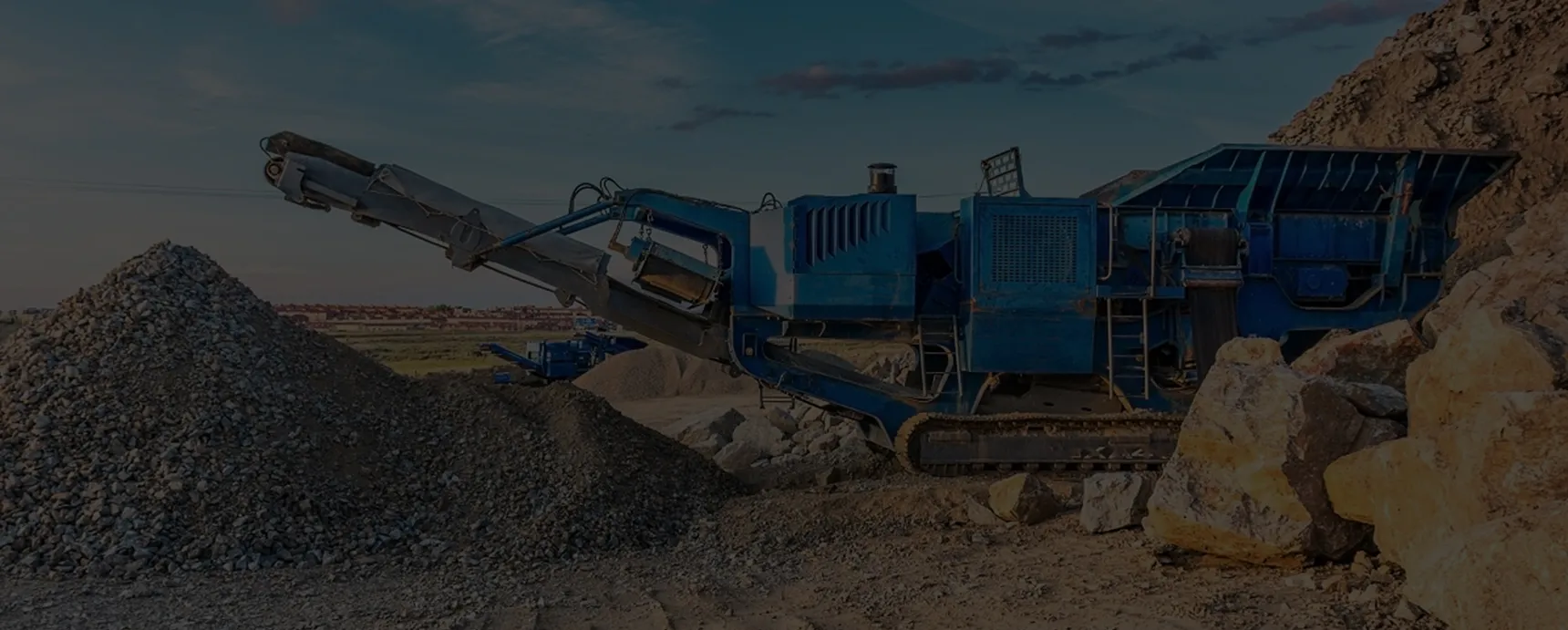
Global Crushing Solutions
 200 tph Stationary Limestone Crushing Equipment
Tamanho da ração: <500mm, 150 t/h
Tamanho de saída: 5-10mm, 10-15mm, 15-20mm, and 20-35mm
Aplicativo: Limestone crushing for the paper industry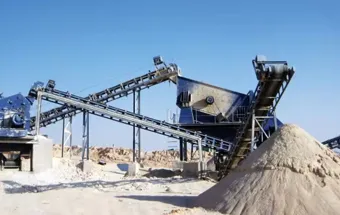 80tph Crushing Equipment for Aggregate Production
Capacidade: 80 t/h
Tamanho de saída: 5-20mm
Aplicativo: Crushing of volcanic rock for aggregate sales business 1000 t/h Mobile Track-mounted Crusher for Pebble Processing
Tamanho máximo de alimentação: 380mm
Finished Product: 5-35mm
Aplicativo: Construção de estradas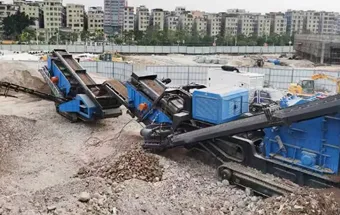 150tph Mobile Impact Crusher for Construction Waste Recycling
Capacidade: 150 t/h
Tamanho de saída: 0-1/4’–3/4’–1’–2′ (0-5-19-25-50mm)
Aplicativo: Crushing of construction waste for subway construction
Customize Your Exclusive Crusher Solution
We are committed to providing customers with customized crushing solutions, meticulously designed to meet your needs at every stage—from requirement confirmation to equipment commissioning. Our service process ensures smooth project execution, and we require some basic information from you to deliver the optimal equipment configuration.
Our Service Process:
- Requirement Confirmation: Communicate with clients to confirm project requirements.
- Solution Design: Design a suitable crushing system based on client specifications and site conditions.
- Manufacturing & Delivery: Produce equipment according to schedule and deliver on time.
- On-site Installation: Provide on-site installation support to ensure smooth equipment setup.
- Commissioning: Ensure successful equipment startup and provide necessary technical support.
Information You Need to Provide:
- Tamanho da ração: Understand the material feed size to select the appropriate crusher.
- Required Configuration: Specify your required configurations, such as crusher type, vibrator, screen, magnetic separator, sand washer, etc.
- Mining License: Confirm possession of a valid mining license.
- Project Start Date: Provide the planned project commencement date to ensure timely equipment delivery and installation.
Typically, it takes 4 to 8 weeks from confirming requirements to commissioning the equipment. The exact timeline varies based on the project’s scale and complexity. We will provide a detailed schedule before the project commences.
We provide on-site installation and commissioning services to ensure equipment operates at optimal performance. Our engineers will install the equipment according to specific requirements and perform necessary testing and adjustments.
Maintenance primarily involves regular inspections and replacement of wear parts (such as hammers, liners, etc.), lubrication system checks, and periodic cleaning and inspection of the electrical system. We provide detailed operation and maintenance manuals upon delivery, along with ongoing technical support services.
We provide comprehensive technical support, including equipment operation training, scheduled maintenance inspections, and troubleshooting services. Our service team can offer on-site support based on customer needs or assist remotely to resolve issues.
Yes, we offer a comprehensive spare parts supply to ensure the long-term operation of your equipment. We provide genuine manufacturer parts based on the equipment model to guarantee that performance remains unaffected during repairs and replacements.
 Portuguese
  English
  Russian
  Arabic
  Vietnamese
  Spanish
  French
  Japanese
  Chinese