




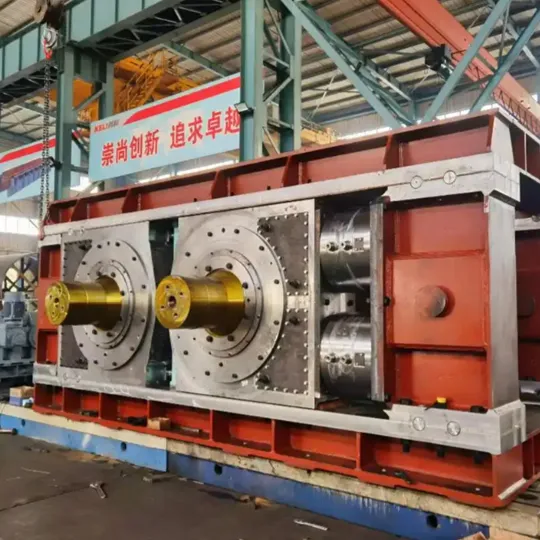


Roller Press for Sale
- High Efficiency & Energy Savings: Achieves 30%-50% greater energy efficiency than traditional ball mills, reducing power consumption and lowering operational costs.
- Enhanced Production Capacity: Improves grinding efficiency to ensure higher output and finer product particle size.
- Low Maintenance Costs: Wear-resistant design minimizes component wear, reducing maintenance frequency and downtime.
- Compact Design: Minimal footprint allows seamless integration with existing systems, saving valuable space.
- Versatile Applications: Suitable for grinding clinker, raw materials, and slag, meeting diverse requirements.
- Eco-Friendly Performance: Low noise and dust emissions, compliant with environmental standards.
Roller Press Working Principle
The roller press primarily relies on two horizontally mounted, synchronously counter-rotating high-pressure rollers to achieve material pulverization. During operation, material enters the gap between the rollers. Under hundreds or even thousands of tons of pressure supplied by the hydraulic system, it is forced into a closed material layer and subjected to continuous compression.
As pressure gradually increases, the material is compressed into a dense cake and discharged from the bottom of the machine. This cake exhibits extremely low mechanical strength—it crumbles easily when pinched by hand—and contains 20%–30% fine powder, with particles smaller than 2 mm accounting for 60%–70% of the total. Furthermore, numerous microcracks form within the coarse particles, significantly enhancing their grindability and substantially reducing the energy consumption required for subsequent grinding.
Unlike traditional crushers that rely on individual particle breaking, roller presses achieve comprehensive compression through “high-pressure grinding of the material layer.” This method not only increases the yield of fine powder but also significantly reduces energy consumption, making it a crucial energy-saving component in modern cement grinding systems.

High Pressure Grinding Rolls
Lafa remains committed to technological innovation in the cement and mineral processing industry. Leveraging years of accumulated experience and expertise, we have successfully developed and manufactured a range of High Pressure Grinding Rolls (HPGR) to meet global customers’ demands for safe, reliable, energy-efficient, and high-performance crushing and grinding operations.

The Hydraulic Roller Press (HRP) utilizes a hydraulic system to deliver high pressure, compressing materials into dense cakes to achieve layer crushing. This energy-efficient and highly effective process is widely applied in the grinding of cement clinker and raw materials.

Roller Press Ball Mill combines high-pressure layer crushing with ball mill grinding, significantly enhancing grinding efficiency while reducing energy consumption. It is suitable for the efficient combined grinding of cement clinker, raw materials, and slag.

Small Roller Press Ideal for small to medium-sized cement plants or pilot production lines, this compact, energy-efficient unit delivers pre-grinding and auxiliary grinding capabilities.

Used Roller Presses, inspected and refurbished, continue to deliver high-efficiency grinding performance, making them an ideal choice for low-cost upgrades or expansions of cement grinding systems.
Roller Press Parts
The cement roller press comprises core grinding components (roller surface, rollers, roller shafts) and key auxiliary systems (hydraulic system, lubrication system, feeding device, extrusion roller assembly, frame assembly, transmission system, and torque support), enabling high-pressure material layer crushing and efficient grinding. The entire machine and all core and auxiliary components can be purchased separately to meet the upgrade, expansion, or maintenance needs of different cement plants. This approach enhances production efficiency, reduces energy consumption, and ensures long-term stable operation of the equipment.
 Roller Surface
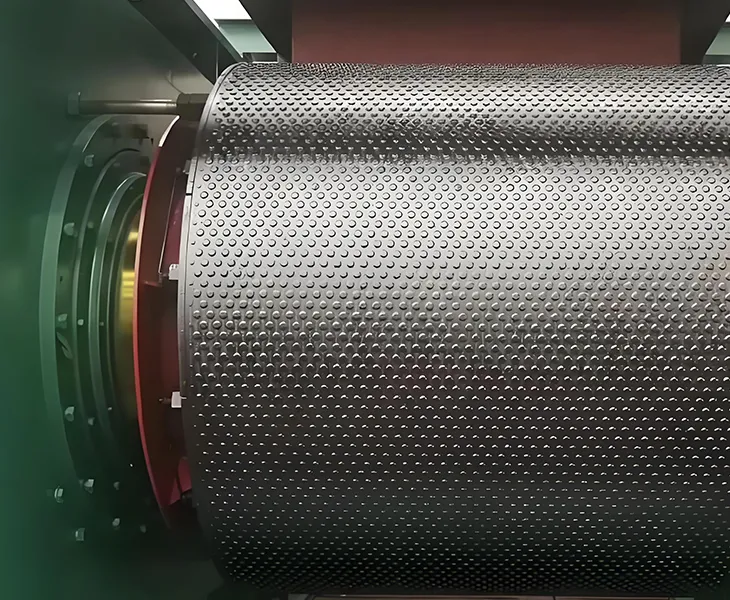
The roller surface employs high-wear-resistant alloy steel with an optimized surface texture design to enhance material contact efficiency, improve crushing performance, and ensure fine powder yield and particle uniformity.
 Roller
The robust, pressure-resistant rollers withstand high hydraulic system pressures to achieve high-pressure material layer crushing, ensuring stable operation and reduced energy consumption.
 Roller Shaft
High-strength roll shafts transmit rotational power and withstand high-pressure loads, ensuring stable roller rotation. They serve as the core support components for the reliable operation of roll presses.
Key Features of Roller Press Grinding in Cement Industry
- Significantly increased output: The roller press fully unleashes the potential of grinding equipment through high-pressure layer crushing technology. This not only boosts fine powder output by 50%-100% but also optimizes the entire grinding system’s production process, achieving higher overall efficiency.
- Reduced Energy Consumption: The roller press’s high-pressure compression grinding method achieves more thorough material fragmentation, reducing subsequent grinding loads. This can lower the total energy consumption of the grinding system by 25%-50%, delivering long-term electricity cost savings for enterprises.
- Reduced Investment Costs: Compared to traditional tube mills, roller presses feature compact structures, smaller footprints, and lighter weights, minimizing space requirements. This simplifies plant design and civil engineering investments while facilitating upgrades to existing grinding systems, lowering overall investment risks.
- Optimized Production Environment: Continuous, uniform compression within the roller housing minimizes dust dispersion. With virtually no impact crushing, operational noise is significantly lower than traditional tube mills, creating a safer, more comfortable, and environmentally friendly production environment.
- Sustainable System Development: Conventional ball mills face limitations in scaling up production capacity. In contrast, grinding systems integrated with roller presses can be easily upgraded and expanded, providing a reliable solution for cement plants to advance their grinding systems toward higher productivity, greater efficiency, and improved energy savings.
Why Choose LaFa Cement Roller Press?
In the fiercely competitive building materials equipment industry, selecting the right partner is crucial. As a professional cement equipment manufacturer, we not only provide high-performance roller presses but also leverage our extensive engineering expertise, advanced manufacturing processes, and comprehensive service system to help you reduce energy consumption, increase production output, and achieve long-term, stable returns on investment.

We are an integrated factory combining R&D, design, manufacturing, and engineering services, featuring a complete industrial chain to ensure high-quality equipment from source to delivery.

Utilizing high-pressure bed grinding and our proprietary hydraulic control system, it delivers stable performance while reducing energy consumption by 25%-50% compared to traditional grinding methods.

We have supplied roll presses and supporting systems to over 200 cement enterprises across Asia, the Middle East, Africa, and other regions.

LAFA employs a newly designed bearing structure with a lifespan exceeding 20 years—3 to 5 times longer than traditional self-aligning bearings. Improved rolling friction distribution significantly reduces component wear frequency and maintenance costs.

Equipment configurations are tailored to meet specific customer process requirements, ensuring seamless integration of the roller press with existing production lines.

Installation, commissioning, technical training, spare parts supply, and long-term maintenance support are provided to guarantee efficient and stable equipment operation.
Durable and Wear-Resistant Roller Surface Solutions
We draw upon and optimize internationally leading solutions (such as KHD’s carbide inlay and FLS’s hardfacing process), implementing a combined design of high-strength alloy and wear-resistant hardfacing layers on the roller surface. This approach not only forms a stable “material lining” protective layer but also eliminates the common issue of traditional hardfacing layers peeling off, resulting in significantly enhanced wear resistance. Through optimized welding layers and heat treatment processes, roller surface hardness exceeds HRC 60 with more uniform stress distribution. In practical applications, roller service life extends over 30% beyond conventional surfacing structures, significantly reducing replacement frequency and maintenance costs.
During high-pressure material crushing, our roll surfaces maintain stable friction to ensure uniform material compression. Whether processing cement clinker or slag, they achieve efficient crushing, boosting system output while reducing power consumption. We continuously refine roll surface materials and structural processes to tailor solutions based on your material characteristics and production requirements, delivering a true balance of wear resistance, efficiency, and cost-effectiveness.

Bearing Technology
Our cement roller press machine employs an advanced bearing design that ensures even load distribution for more stable and reliable operation. Combining radial seals, axial seals, and labyrinth seal structures, the bearings maintain a tight seal at all times, effectively preventing dust ingress and ensuring long-term stable equipment performance.
Additionally, the bearings employ a four-row cylindrical roller structure, allowing for easy maintenance by disassembling only the bearing housing and outer ring—without removing the inner ring. This simplifies servicing and reduces bearing failure risks. Paired with bearing cooling technology, the main bearings maintain optimal operating temperatures, further extending service life and enhancing the reliability and efficiency of the entire grinding system.
Roller Press in Cement Plant
Whether in pre-grinding, mixed grinding, or final grinding systems, roller presses deliver efficient, energy-saving solutions across various grinding stages. By reducing energy consumption, boosting output, and optimizing grinding results, roller presses play an increasingly vital role in cement production. Diverse system configurations enable them to meet the varied needs of both new plants and retrofits of existing facilities, helping you enhance production efficiency while lowering operating costs.

In the pre-grinding system, the cement roller press is integrated with bucket elevators, ball mills, and high-efficiency classifiers. The roller press primarily handles the initial grinding stage, reducing most materials to the required fineness with a recirculation volume not exceeding 100% of the new feed rate. The system features a simplified process flow and convenient equipment layout, causing minimal disruption to existing plant retrofits. It achieves approximately 20% energy savings, increases ball mill output by about 40%, and significantly enhances grinding efficiency.

The hybrid grinding system recirculates a portion of coarse powder back to the roller press feed based on pre-grinding, enhancing material compaction and improving compression efficiency. The roller press machine handles increased grinding tasks, with a recirculation volume reaching 130% of the new feed rate. This configuration achieves approximately 30% energy savings and boosts mill output by about 70%. Suitable for new plants, the system significantly increases production capacity and energy efficiency while ensuring stable grinding quality.

The combined grinding system achieves material classification and circulation through a combination of roller presses, bucket elevators, pulverizing and grading machines, ball mills, and high-efficiency classifiers. Coarse powder is returned to the roller press for re-compaction, while fine powder is fed into the ball mill system. The circulation volume can reach 200-300% of the new feed rate. This system offers high grinding efficiency, increasing mill output by approximately 100% and achieving energy savings of about 40%. It fully leverages the advantages of both roller presses and ball mills, making it the preferred solution for retrofitting existing plants and new plant construction.

In certain terminal grinding systems, roller presses are integrated with bucket elevators, high-efficiency pulverizing and classification equipment, and ball mills. Fine particles can be directly discharged as finished product, while coarse particles are returned to the roller press or ball mill for recirculating grinding. This prevents over-grinding, reduces ball mill load, and enhances system throughput. This system imposes stringent requirements on pulverizing and classification equipment, entails significant capital investment, and has relatively limited applicability. However, it demonstrates remarkable effectiveness in raw material grinding.

The final grinding system consists of a roller press, bucket elevator, and high-efficiency dispersing classifier, eliminating the need for ball mills as all grinding is performed by the roller press. The system features a simple process, convenient operation, and energy savings of up to 50%. However, it tends to increase cement shrinkage and produce microcracks during cement production. Therefore, it is primarily used for grinding cement raw materials or high-fineness slag powder, with limited application in cement grinding.
Roller Press Manufacturing and After-Sales Service
To ensure the stable and efficient operation of your roller press in cement production, we not only provide high-precision manufacturing and customized designs but also offer comprehensive after-sales support. From installation and commissioning to regular maintenance and technical assistance, we are always by your side, ensuring that each roller press maintains optimal performance for the long term, helping you achieve both production efficiency and energy-saving goals.

As a professional manufacturer of roller presses, Lafa has strong production capacity and advanced manufacturing technologies. We have introduced internationally advanced production equipment and utilize high-precision CNC machining to ensure that each roller press meets strict quality standards. Our production line covers the entire process from component manufacturing to equipment assembly, ensuring that every part is precisely matched, wear-resistant, and guarantees the long-term stable operation of the equipment.
In addition, our R&D team is dedicated to continuous innovation in roller press technology, providing customized design solutions for various cement production needs. Whether it’s increasing capacity, reducing energy consumption, or optimizing grinding efficiency, we offer tailored solutions based on customer requirements. With our strong technological foundation and production strength, our roller presses have been widely applied in large-scale cement production projects both domestically and internationally, helping customers achieve improvements in both production efficiency and energy savings.

Lafa understands the importance of after-sales service for the long-term stable operation of roller presses, and thus provides comprehensive after-sales support. Our after-sales service covers every aspect of roller press installation, commissioning, training, maintenance, and repair, ensuring that the equipment remains in optimal condition from delivery to long-term operation.
We offer rapid-response technical support for roller presses to ensure that customers receive prompt assistance when equipment malfunctions. Our engineering team has extensive experience in roller press operations and can provide remote diagnostics, as well as dispatch technicians to the site when necessary. Regular preventive maintenance and performance checks help extend the lifespan of roller presses and reduce the failure rate.
Additionally, we provide spare parts support to ensure that commonly used and consumable parts are delivered in a timely manner, minimizing production losses caused by equipment downtime. We promise to offer full-service tracking, conduct regular follow-ups, and optimize equipment usage plans to ensure that roller presses are always operating efficiently and energy-saving.

More About Our Roller Press
Our roller presses deliver outstanding performance in cement raw material and clinker grinding. With superior technical specifications, they help customers increase output while reducing energy consumption. By reviewing our equipment parameters and customer case studies, you can select the optimal solution for your needs and achieve more efficient production.
- Roller Press Specifications
- Roller Press for Cement Grinding
- Estudo de Caso
Learn about our roller press technical specifications and parameters to help you choose the best equipment configuration. Whether you require high output or energy-saving solutions, our roller presses provide flexible options to meet the needs of various cement production processes. By understanding the detailed performance data, you can easily select the optimal configuration, optimize production line efficiency, and achieve a higher return on investment.
| Model | Roller Diameter (mm) | Roller Width (mm) | Weight (t) | Designing Ability (t/h) | Feeding Size (mm) | Motor Power (Kw) |
|---|---|---|---|---|---|---|
| RP120-45 | 1200 | 450 | 62 | 100-150 | ≤60 | 2×220 |
| RP120-60 | 1200 | 600 | 67 | 120-165 | ≤60 | 2×250 |
| RP140-65 | 1400 | 650 | 100 | 240-295 | ≤60 | 2×500 |
| RP140-80 | 1400 | 800 | 120 | 295-360 | ≤60 | 2×500 |
| RP160-120 | 1600 | 1200 | 160 | 580-670 | ≤80 | 2×900 |
| RP160-140 | 1600 | 1400 | 180 | 680-780 | ≤80 | 2×1120 |
| RP180-120 | 1800 | 1200 | 202 | 980-1100 | ≤130 | 2×1600 |
| RP200-180 | 2000 | 1800 | 256 | 1250-1450 | ≤130 | 2×2000 |
Whether in cement raw material grinding or clinker grinding, roller presses bring significant improvements in efficiency and energy savings to your production line. By effectively crushing and compressing materials, roller presses help increase output, reduce wear, and optimize cement quality
Roller Press for Cement Raw Material Grinding
The application of roller presses in cement raw material grinding significantly improves the grinding efficiency of raw materials. By applying high pressure, the roller press crushes the raw material particles into finer sizes, reducing the burden on traditional ball mills. Compared to conventional grinding methods, the roller press reduces energy consumption, increases output, and optimizes the cement production process. It provides stable and continuous production capacity for raw material grinding, ensuring efficient operation of the production line.

Roller Press for Cement Clinker Grinding
The roller press has significant advantages in cement clinker grinding, improving grinding efficiency while greatly reducing energy consumption. During the clinker grinding process, the roller press effectively crushes clinker particles through high-pressure squeezing, making subsequent grinding processes more efficient. When used in conjunction with a ball mill, the roller press can achieve higher output, optimize the fineness and uniformity of clinker, thereby enhancing the quality of cement and reducing production costs.

Myanmar Cement Plant Case – Equipment Retrofit and Upgrade
In the equipment retrofit project at a cement plant in Myanmar, we provided the client with a customized roller press system, helping them replace their old ball mill system with a more efficient roller press and ball mill combined grinding system. As a result, the client successfully increased production by 40% and reduced energy consumption by 25%. This equipment upgrade not only optimized the production process but also significantly reduced energy consumption, enhancing the client’s market competitiveness.
Saudi Arabian Cement Plant Case – Efficient Grinding Solution
A cement plant in Saudi Arabia implemented our roller press as the core equipment in their pre-grinding system. The system, consisting of a roller press, ball mill, and high-efficiency classifier, successfully reduced grinding energy consumption while increasing output by 50%. This solution significantly lowered the power requirements of the production line and made the cement production process more efficient and environmentally friendly. The client is highly satisfied and plans to continue using our equipment in future projects.
Laos Cement Plant Case – Energy-saving Retrofit and Production Capacity Enhancement
A cement plant in Laos chose our roller press system as the core upgrade equipment for their production line. After the retrofit, the client’s production capacity increased by 60%, while saving about 30% in electricity consumption. This retrofit project not only enhanced the production line’s efficiency but also extended the maintenance cycle and reduced the failure rate of the equipment. The client stated that this upgrade was a key step in enhancing their market competitiveness.

Produto relacionado
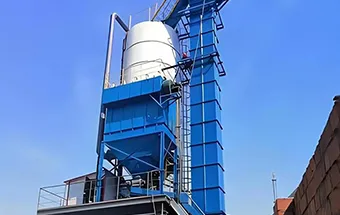
Transporta materiais a granel verticalmente com alta capacidade e operação suave e sem poeira.
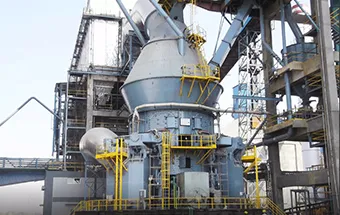
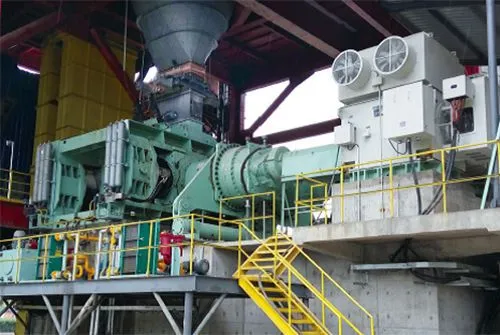
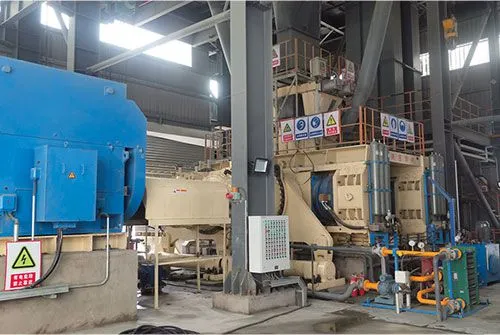
Proporciona moagem de alta eficiência com menor consumo de energia e fácil manutenção.

Proporciona um desempenho de moagem estável e eficiente para cimento, mineração e outros materiais.

Allows you to reduce raw materials to the required size for smoother downstream processing.

Helps you store and reclaim bulk materials efficiently with stable, automated operation.
Roller Press Maintenance: Ensuring Efficient Operation
To ensure that your roller press operates efficiently and stably over the long term, regular maintenance is essential. From roller inspection and lubrication system cleaning to hydraulic and drive system checks, no detail should be overlooked. We provide comprehensive maintenance guidelines to help you extend the service life of your equipment, reduce the risk of breakdowns, and improve production efficiency. With our professional advice, you can ensure your equipment operates at its optimal state, reducing maintenance costs and enhancing overall production capacity.
Regular Inspection of Rollers and Bearings
Regularly check the rollers for wear or cracks to ensure they are in good working condition. Bearings should be lubricated regularly, and temperature and noise should be monitored to avoid any issues caused by lack of lubrication or bearing damage.Cleaning and Lubrication System Maintenance
Keep the lubrication system clean and regularly replace the lubricating oil to prevent dust and impurities from entering the system. Ensure normal operation by checking oil viscosity and quality, and replace or top up when necessary.Hydraulic System Inspection
The hydraulic system is a key part of the roller press. Regularly check the quality of hydraulic oil, ensure the oil level is normal, and check for any leaks. Inspect hydraulic components such as the pump, pipes, and control valves for damage or wear.Material Feeding System Maintenance
Maintain the material feeding system to ensure uniform and stable material feeding into the roller press. Regularly check for blockages or wear in the feeding device, and clean or replace parts as needed.Precision Check of the Roller Press
Perform regular precision checks to ensure uniform pressure and material distribution in the roller press. If any deviation is found, timely adjustments or repairs should be made to maintain stable equipment performance.Drive System and Electrical Equipment Inspection
Regularly inspect the drive system of the roller press, ensuring that components such as motors, gearboxes, and couplings are not loose, damaged, or excessively worn. Electrical systems should also be regularly checked to ensure safe and stable operation.Prevent External Contamination
Keep the surrounding area clean to prevent dust, impurities, or moisture from entering the roller press. Special attention should be given in humid environments to prevent rust and corrosion, which can damage the equipment.
A roller press is a highly efficient grinding machine widely used in cement production, mineral processing, and other industries. It crushes and refines materials by applying high pressure between two horizontally mounted rollers. Compared to traditional ball mills, roller presses offer higher energy efficiency and production capacity.
Roller presses are suitable for grinding a variety of materials, including cement clinker, raw meal, slag, limestone, and other minerals. They are particularly effective for materials that require reduced particle size and enhanced grinding efficiency.
The price of a roller press varies depending on its model, specifications, output requirements, and custom configurations. Generally, prices range from several hundred thousand to millions of RMB. A customized quote can be provided based on your specific requirements.
Compared to ball mills, roller presses have lower energy consumption, higher production capacity, and require less space. They are more efficient in crushing materials and reduce the load on the ball mill.
The production capacity of a roller press varies based on the model, material properties, and production requirements. Generally, it can range from 100 to 500 tons per hour, depending on equipment configuration and process conditions.
 Portuguese
  English
  Russian
  Arabic
  Vietnamese
  Spanish
  French
  Japanese
  Chinese