



Introduction: Why Power Consumption Reduction Is a Strategic Issue in Cement Plants
Power consumption has become one of the most critical performance indicators in the cement industry. In many cement plants, electricity costs account for 25–40% of total production costs, especially in regions with high electricity prices or unstable power supply. With increasing pressure from environmental regulations, carbon reduction targets, and rising operating costs, cement producers are no longer able to rely solely on production expansion to dilute energy expenses.
Unlike short-term cost-cutting measures, reducing power consumption in a cement plant requires a long-term, systematic, and engineering-driven approach. Cement manufacturing involves continuous operation of large-capacity equipment such as grinding mills, fans, conveyors, and rotary kilns. Any inefficiency in process design, equipment selection, or operation will be magnified over time, leading to excessive energy consumption and unstable production.
This article provides a comprehensive, engineering-level explanation of how to reduce power consumption in a cement plant, covering process design, equipment optimization, system integration, and intelligent operation strategies. The solutions discussed are applicable to new cement plant projects, capacity expansion projects, and existing plant modernization and energy-saving upgrades.
1. Understanding Power Consumption Characteristics in Cement Plants
1.1 General Characteristics of Cement Plant Electricity Use
Cement plants have several distinctive power consumption characteristics:
Large installed motor capacity
Continuous 24/7 operation
Strong interdependence between process systems
Power consumption highly sensitive to operational stability
Unlike batch-type industries, cement production runs continuously. Even small inefficiencies in one system can cause a chain reaction across the entire production line, increasing overall electricity consumption.
1.2 Main Power-Consuming Systems in Cement Plants
In a modern dry-process cement plant, electrical energy is mainly consumed in the following systems:
Raw material grinding system
Cement grinding system
Kiln, preheater, and precalciner system
Material conveying and lifting system
Fan and ventilation system
Environmental protection system (dust collection, denitration)
Packing, loading, and dispatch system
Among these, grinding systems typically account for 60–70% of total electricity consumption, while fan systems can account for 25–35%, depending on plant design and operating conditions. Therefore, effective power reduction strategies must focus on these high-consumption areas.
2. Grinding Systems: The Primary Target for Power Consumption Reduction

2.1 Why Grinding Systems Dominate Cement Plant Power Consumption
Grinding is inherently an energy-intensive process. Only a small portion of the electrical energy input is effectively used to reduce particle size; the rest is lost as heat, vibration, and mechanical friction.
In cement plants, both raw meal grinding and cement grinding operate continuously and involve large-capacity motors, high airflow, and complex material circulation. As a result, grinding system efficiency directly determines the overall power consumption level of the plant.
2.2 Limitations of Conventional Ball Mill Grinding Systems
Traditional ball mill systems have been widely used for decades but present several disadvantages in terms of energy efficiency:
High specific power consumption
Large circulating load
Excessive over-grinding
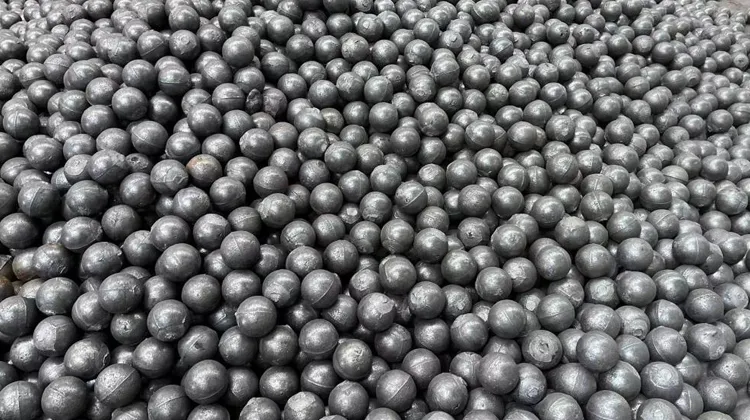
High wear of grinding media
Limited flexibility for process optimization
In many existing cement plants, ball mills remain one of the main contributors to excessive electricity consumption.
2.3 High-Efficiency Grinding Technologies
2.3.1 Roller Press Combined Grinding Systems
Roller press systems use high-pressure grinding principles to form a material bed between rollers. Compared with ball mills, roller presses offer:
20–30% lower specific power consumption
Reduced grinding media consumption
Improved particle size distribution
Higher system throughput
Roller presses are particularly suitable for retrofit projects, as they can often be integrated into existing grinding systems.
2.3.2 Vertical Roller Mills (VRM)
Vertical roller mills combine grinding, drying, and classification in a single unit. Their advantages include:
Compact layout
High grinding efficiency
Lower system power consumption
Reduced auxiliary equipment
For new cement plants, VRMs are often the preferred solution for both raw material and cement grinding due to their excellent energy performance.
2.4 Separator Efficiency and Circulating Load Control
The separator plays a decisive role in grinding efficiency. Low-efficiency separators cause excessive fine particles to return to the mill, increasing:
Mill motor load
Fan power consumption
Mechanical wear
High-efficiency separators allow precise control of product fineness while minimizing unnecessary circulation. In many energy-saving retrofit projects, upgrading the separator alone can achieve significant power reduction with relatively low investment.
3. Kiln System Optimization: Reducing Power Consumption Through Stability

3.1 Electrical Power Consumption in the Kiln System
Although thermal energy dominates discussions about kiln efficiency, electrical power consumption in the kiln system is far from negligible. Major electrical consumers include:
Induced draft (ID) fans
Kiln main drive system
Preheater exhaust fans
Auxiliary motors and control systems
Unstable kiln operation increases system resistance and causes frequent load fluctuations, leading to higher electricity consumption.
3.2 Preheater and Precalciner System Optimization

Modern cement plants use multi-stage cyclone preheaters with precalciners to improve heat utilization. However, poor design or operation can result in:
High pressure losses
Increased fan power demand
Unstable material flow
Engineering optimization measures include:
Improving cyclone geometry
Reducing false air infiltration
Enhancing gas-solid separation efficiency
These measures help reduce fan power consumption while maintaining or increasing production capacity.
3.3 High-Efficiency Burners and Combustion Control
Advanced kiln burners contribute to power reduction by stabilizing flame shape and combustion conditions. Stable combustion reduces unnecessary excess air, which in turn lowers fan power consumption.
Low-NOx, high-efficiency burners also support environmental compliance while improving overall system stability.
4. Material Handling Systems: Addressing Hidden Power Consumers
4.1 Importance of Material Handling Efficiency
Material handling systems operate throughout the entire cement plant and often remain overlooked in energy-saving strategies. However, conveyors, elevators, and feeders operate continuously and consume significant electricity over time.
4.2 Engineering Strategies for Energy-Efficient Material Handling
Key strategies include:
Replacing pneumatic conveying with belt conveyors where possible
Optimizing conveying routes to minimize unnecessary elevation changes
Using high-efficiency bucket elevators and vertical conveying systems
Selecting motors with appropriate power ratings to avoid oversizing
A well-designed material handling system not only reduces power consumption but also improves plant reliability and maintenance efficiency.
5. Fan Systems: One of the Largest Opportunities for Power Saving
5.1 Role of Fans in Cement Plants
Fans are critical components in cement plants, responsible for gas flow, ventilation, and material drying. Major fan systems include:
Kiln ID fans
Preheater fans
Raw mill and cement mill fans
Dust collection fans
In many plants, fan systems account for over 30% of total electricity consumption.
5.2 High-Efficiency Fan Selection
Improper fan selection often results in oversized equipment operating under throttled conditions, wasting electricity. Proper fan selection based on actual operating requirements is essential for energy efficiency.
5.3 Variable Frequency Drive (VFD) Technology
Installing VFDs allows fan speed to be adjusted according to real-time process demand. Compared with damper control, VFDs can achieve:
15–40% power savings
Improved process control
Reduced mechanical stress
VFDs are among the most effective and widely adopted power-saving technologies in cement plants.
6. Energy-Efficient Environmental Protection Systems
6.1 Dust Collection System Optimization
Modern bag filters with optimized airflow design can significantly reduce system resistance. Key measures include:
Low-pressure-loss filter media
Optimized compartment design
Efficient cleaning mechanisms
These improvements help reduce fan power consumption while maintaining strict emission standards.
6.2 Denitration System Integration
SNCR and SCR systems should be integrated with kiln operation and process control systems. Proper integration minimizes additional power consumption and avoids unnecessary operation under low-load conditions.
7. Waste Heat Recovery Power Generation
Waste Heat Recovery (WHR) systems convert exhaust heat from kiln and clinker cooler gases into electricity without additional fuel consumption.
Benefits of WHR Systems:
Reduced dependence on external power supply
Lower net electricity consumption
Improved overall plant energy efficiency
In well-designed systems, WHR can supply 20–35% of total plant electricity demand, making it one of the most effective long-term energy-saving solutions.
8. Automation and Digital Energy Management
Advanced automation systems play a critical role in sustainable power reduction by:
Stabilizing process parameters
Reducing operator-induced fluctuations
Optimizing equipment performance in real time
Energy management systems provide real-time monitoring, analysis, and optimization of high-consumption equipment, enabling continuous improvement.
9. Energy Audit and Step-by-Step Modernization Strategy
For existing cement plants, effective power reduction begins with a comprehensive energy audit. This process identifies inefficiencies at the system level rather than focusing on isolated equipment.
A phased modernization strategy allows cement producers to achieve maximum energy savings with controlled investment and minimal production disruption.
Conclusion: Power Reduction as a System Engineering Task
Reducing power consumption in a cement plant is not the result of a single equipment upgrade, but a system engineering task involving process optimization, equipment selection, operational stability, and intelligent control.
By combining high-efficiency grinding systems, stable kiln operation, optimized material handling, advanced fan control, environmental system integration, and waste heat recovery, cement producers can achieve sustainable and measurable power reduction.
Partnering with an experienced cement equipment supplier and EPC contractor ensures that energy-saving solutions are technically reliable, economically viable, and tailored to specific plant conditions.

 Portuguese
  English
  Russian
  Arabic
  Vietnamese
  Spanish
  French
  Japanese
  Chinese