



1. Introdução
PPC cement stands for Portland Pozzolana Cement, a widely used type of cement in modern construction. It is produced by grinding Portland cement clinker together with pozzolanic materials and gypsum. The pozzolanic materials may include industrial by-products or natural minerals rich in silica and alumina.
Em comparação com Cimento Portland Comum (OPC), PPC cement contains additional pozzolanic components such as fly ash, silica fume, or natural pozzolana. These materials react chemically with calcium hydroxide released during cement hydration, forming additional cementitious compounds that enhance the properties of concrete.
Because PPC cement uses less clinker during production, it offers several advantages, including:
Menor calor de hidratação
Improved long-term strength
Better durability and chemical resistance
Reduced environmental impact and carbon emissions
Due to these benefits, PPC cement is widely used in infrastructure projects, mass concrete structures, and sustainable construction.
2. Types of Portland Pozzolana Cement
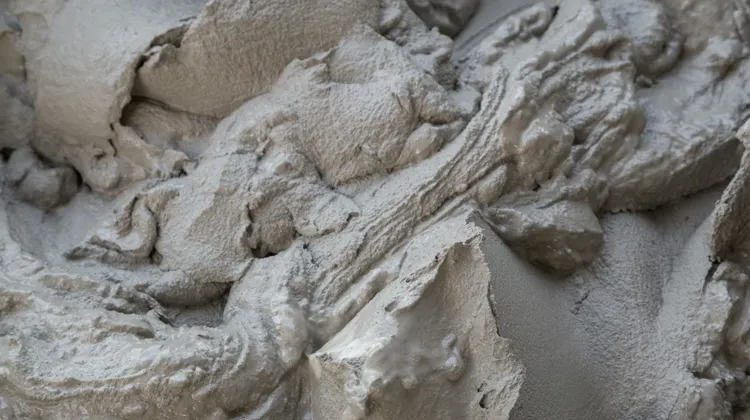
Portland Pozzolana Cement (PPC) can be classified according to the type of pozzolanic material used in its composition. Pozzolanic materials are rich in reactive silica or alumina and react with calcium hydroxide during cement hydration to form additional cementitious compounds.
Different pozzolanic materials influence the strength development, durability, permeability, and long-term performance of concrete. As a result, several types of PPC cement are used in construction depending on the available raw materials and project requirements.
2.1 Fly Ash-Based PPC
Fly ash-based PPC is the most widely produced and commercially available form of Portland Pozzolana Cement. In this type, finely divided fly ash obtained from coal-fired power plants is blended with Portland cement clinker during the grinding process.
Fly ash particles have a spherical shape and fine particle size, which improves the packing density of cement particles and enhances the overall microstructure of hardened concrete. The pozzolanic reaction between fly ash and calcium hydroxide produces additional calcium silicate hydrate (C-S-H), which contributes to improved long-term strength and durability.
Because fly ash is an industrial by-product, its use in cement production also helps reduce waste disposal and lowers the environmental footprint of cement manufacturing. Fly ash-based PPC is therefore widely adopted in sustainable construction and green building projects.
2.2 Calcined Clay-Based PPC
Calcined clay-based PPC uses thermally activated clay minerals, such as calcined kaolin or metakaolin, as the pozzolanic component. During calcination, clay minerals undergo structural changes that increase their reactivity with calcium hydroxide in cement hydration.
This type of PPC is particularly valuable in regions where fly ash availability is limited or where natural clay resources are abundant. Calcined clay provides a highly reactive source of aluminosilicates, which can significantly enhance the microstructure and durability of cement-based materials.
Another advantage of calcined clay-based PPC is that it can contribute to lower carbon emissions in cement production, since clay activation requires lower temperatures than clinker production. As a result, this type of PPC is increasingly considered in low-carbon cement technologies and sustainable infrastructure development.
2.3 Silica Fume-Based PPC
Silica fume-based PPC incorporates silica fume, an ultrafine powder produced as a by-product of silicon metal and ferrosilicon alloy manufacturing. Silica fume consists primarily of amorphous silicon dioxide with extremely high pozzolanic reactivity.
Due to its very fine particle size—often about 100 times smaller than ordinary cement particles—silica fume significantly refines the pore structure of cement paste. This leads to reduced permeability, improved bond strength, and enhanced resistance to aggressive environmental conditions.
The addition of silica fume is particularly beneficial in the production of high-performance concrete and high-strength structural materials, where enhanced durability and structural reliability are required.
2.4 Natural Pozzolana-Based PPC
Natural pozzolana-based PPC uses naturally occurring volcanic materials, such as volcanic ash, pumice, or tuff, as the pozzolanic component. These materials have been used in cementitious systems since ancient times, including in historic Roman concrete structures.
Natural pozzolanic materials contain reactive silica and alumina that can participate in secondary hydration reactions, improving the density and durability of hardened cement paste. Their use in modern PPC production helps reduce the amount of clinker required, contributing to lower energy consumption and reduced carbon emissions.
In regions with accessible volcanic deposits, natural pozzolana-based PPC provides a cost-effective and environmentally sustainable alternative to conventional cement formulations.
3. Main Components and Functions of PPC Cement
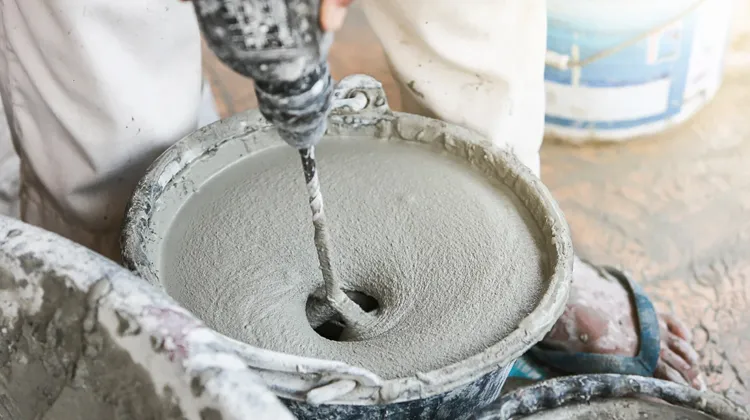
Portland Pozzolana Cement (PPC) is produced by blending Portland cement clinker, pozzolanic materials, and gypsum in controlled proportions. Each component contributes to the hydration process and influences the final performance of cement-based materials.
The combination of these materials allows PPC cement to develop improved durability, better microstructure, and enhanced long-term strength, making it suitable for a wide range of construction applications.
3.1 Portland Cement Clinker
Portland cement clinker is the primary hydraulic component of PPC cement. It is manufactured by heating limestone and clay at high temperatures to form clinker nodules that are later ground into cement.
Clinker contains several key mineral phases, including:
Tricalcium silicate (C₃S) – responsible for early strength development
Dicalcium silicate (C₂S) – contributes to long-term strength gain
Tricalcium aluminate (C₃A) – influences the rate of early hydration
Tetracalcium aluminoferrite (C₄AF) – contributes to minor strength and color characteristics
These minerals react with water to form hydration products that create the binding structure of hardened cement paste.
3.2 Pozzolanic Materials
Pozzolanic materials are the defining component of PPC cement. They are typically rich in reactive silica and alumina, which react with calcium hydroxide released during clinker hydration.
Common pozzolanic materials include:
Fly ash
Natural volcanic ash
Silica fume
Calcined clay
Through the pozzolanic reaction, these materials produce additional cementitious compounds that refine the internal structure of concrete. This process improves density, durability, and long-term performance without increasing clinker consumption.
3.3 Gypsum
Gypsum is added during the grinding stage of cement production to control the setting behavior of cement.
It regulates the hydration of tricalcium aluminate (C₃A), preventing rapid reactions that could lead to flash setting. By moderating this reaction, gypsum ensures sufficient working time for mixing, placing, and finishing concrete in construction projects.
3.4 Typical Chemical Composition of PPC Cement
The chemical composition of PPC cement varies depending on the raw materials used, but it generally includes the following oxide components:
| Compound | Typical Range |
|---|---|
| Silicon dioxide (SiO₂) | 17–25% |
| Calcium oxide (CaO) | 45–65% |
| Aluminum oxide (Al₂O₃) | 3–8% |
| Iron oxide (Fe₂O₃) | 2–6% |
| Magnesium oxide (MgO) | 1–3% |
These compounds influence the hydration reactions, strength development, and durability characteristics of PPC cement.
4. Properties of Portland Pozzolana Cement
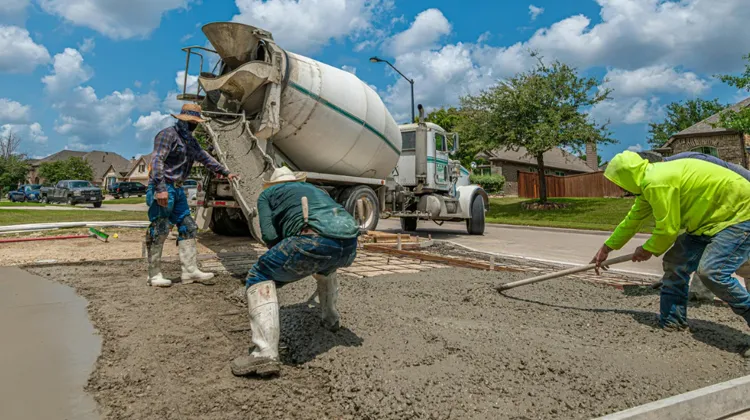
Portland Pozzolana Cement (PPC) exhibits a range of physical and engineering properties that influence its performance in concrete and construction applications. These properties determine how the cement behaves during mixing, hydration, and long-term service conditions.
Because PPC contains pozzolanic materials in addition to clinker, it often provides improved durability and better long-term performance compared with conventional cement in many structural applications.
4.1 Fineness
Fineness refers to the particle size distribution of cement powder, which directly affects the rate of hydration and strength development.
PPC cement is typically ground to a relatively high level of fineness to ensure proper reaction between clinker and pozzolanic materials. Finer particles provide a larger surface area for hydration, contributing to improved bonding and better microstructure in hardened concrete.
4.2 Soundness
Soundness describes the ability of cement to retain its volume after setting without excessive expansion.
Unsound cement may expand due to the presence of free lime or magnesium oxide, which can lead to cracking in hardened concrete. PPC cement generally exhibits good soundness because the pozzolanic reaction helps stabilize the hydration products and improve dimensional stability.
4.3 Setting Time
Setting time indicates how quickly cement paste transitions from a plastic state to a hardened state.
Two parameters are typically measured:
Tempo de configuração inicial, which indicates when the cement begins to lose plasticity
Tempo de configuração final, which marks the point at which the cement becomes sufficiently rigid
PPC cement usually has a slightly longer setting time than OPC, providing more workable time during concrete placement and finishing.
4.4 Compressive Strength
Compressive strength is one of the most important performance indicators of cement used in structural construction.
PPC cement generally develops moderate early strength but demonstrates strong long-term strength gain due to continued pozzolanic reactions within the hardened cement matrix. This gradual strength development contributes to improved structural reliability over time.
4.5 Drying Shrinkage
Drying shrinkage refers to the volume reduction that occurs as moisture evaporates from hardened concrete.
Excessive shrinkage may lead to surface cracking and durability issues. PPC cement typically exhibits lower drying shrinkage, partly due to the refined pore structure produced by pozzolanic reactions.
4.6 Curing Behavior
Proper curing plays an important role in achieving the desired performance of PPC cement. Adequate moisture and temperature conditions allow hydration reactions to continue, ensuring full development of strength and durability.
PPC-based concrete often benefits from extended curing periods, which support the gradual formation of additional cementitious compounds.
4.7 Resistance to Chemical Attack
Concrete made with PPC cement often shows improved resistance to chemical environments such as sulfate exposure or aggressive groundwater conditions.
The pozzolanic reaction reduces the amount of free calcium hydroxide in the cement matrix, which helps enhance the chemical stability of hardened concrete and improve its long-term durability.
5. Benefits of PPC Cement
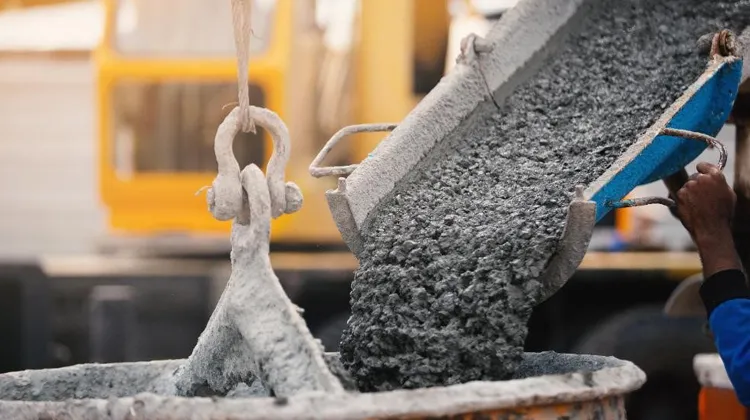
Portland Pozzolana Cement (PPC) is widely used in modern construction because it provides several technical and environmental advantages compared with traditional cement. The presence of pozzolanic materials improves the internal structure of concrete and enhances its long-term performance.
The main benefits of PPC cement include the following:
5.1 Environmentally Friendly Production
PPC cement uses pozzolanic materials such as fly ash or natural pozzolana, which reduces the amount of clinker required in cement production. Since clinker manufacturing is the most energy-intensive and carbon-emitting stage of cement production, reducing clinker content helps lower carbon emissions and environmental impact.
For this reason, PPC cement is often considered an important material in sustainable construction and green building practices.
5.2 Improved Long-Term Durability
Concrete made with PPC cement generally demonstrates better long-term durability compared with conventional cement. The pozzolanic reaction produces additional cementitious compounds that help densify the microstructure of hardened concrete.
This improved internal structure reduces the penetration of water and harmful substances, contributing to longer service life in structural applications.
5.3 Better Resistance to Chemical Attack
PPC cement often performs well in environments where concrete may be exposed to sulfates, aggressive soils, or chemically active groundwater.
The reduced amount of free calcium hydroxide in PPC-based concrete helps improve its resistance to chemical deterioration, making it suitable for structures exposed to challenging environmental conditions.
5.4 Enhanced Workability
Concrete produced with PPC cement usually exhibits good workability and smoother finishing characteristics. The fine particles of pozzolanic materials help improve the flow and cohesiveness of fresh concrete.
This property can simplify mixing, placing, and finishing operations in many construction projects.
5.5 Reduced Heat of Hydration
PPC cement generally generates menor calor de hidratação during the cement hydration process. Lower heat generation helps minimize temperature rise in large concrete structures.
This characteristic is particularly beneficial in mass concrete construction, where excessive heat buildup can lead to thermal cracking.
6. Applications of PPC Cement
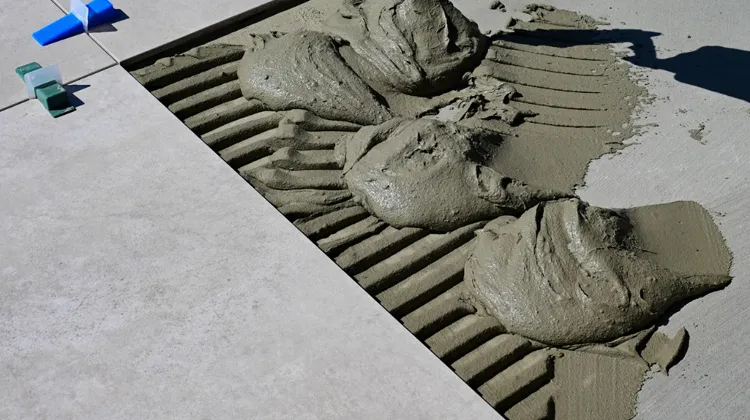
Portland Pozzolana Cement (PPC) is widely used in construction due to its balanced strength development, durability, and long-term performance. Its characteristics make it suitable for a variety of structural and infrastructure projects where reliable concrete performance is required.
The following are some common applications of PPC cement in the construction industry.
6.1 Hydraulic Structures
PPC cement is frequently used in hydraulic engineering projects such as dams, canals, reservoirs, and water treatment plants.
These structures require concrete that can perform reliably under constant exposure to water and varying environmental conditions. PPC cement helps maintain structural stability in such environments.
6.2 Marine Structures
Marine structures such as ports, harbors, docks, and offshore platforms often use PPC cement.
Concrete in these structures is exposed to seawater and harsh environmental conditions. PPC cement is often preferred in such applications because it helps improve the long-term durability of marine concrete.
6.3 Mass Concrete Construction
Large concrete structures often require materials that perform well during large-scale placements.
PPC cement is commonly used in large foundations, pile foundations, retaining structures, and heavy structural components, where controlled hydration and stable long-term strength are important.
6.4 Building and Structural Construction
PPC cement is widely used in general building construction, including:
Edifícios residenciais
Edifícios comerciais
Multi-story structures
It can be used for structural concrete, masonry work, and plastering, making it a versatile material for many construction projects.
6.5 Transportation Infrastructure
PPC cement is also used in transportation infrastructure projects such as:
Estradas e rodovias
Airport runways
Bridges and pavement structures
These applications require concrete materials that provide reliable structural performance over long service periods.
7. Manufacturing Process of PPC Cement
The manufacturing process of Portland Pozzolana Cement (PPC) involves several controlled steps that transform raw materials into finished cement. The process is similar to the production of ordinary Portland cement, with the addition of pozzolanic materials during the final grinding stage.
The main stages of PPC cement production include the following steps.
7.1 Raw Material Crushing
The first step in cement manufacturing is the preparation of raw materials. Limestone, clay, and other minerals are extracted from quarries and crushed into smaller particles using crushers.
This step ensures that the raw materials have a suitable size for efficient grinding and uniform mixing in later stages of production.
7.2 Raw Material Grinding
After crushing, the raw materials are ground in raw mills to produce a fine powder known as raw meal. Proper grinding improves the uniformity of the mixture and prepares the materials for the high-temperature reactions that occur in the kiln.
The quality of the raw meal plays an important role in determining the chemical composition of the final clinker.
7.3 Clinker Calcination
The raw meal is then fed into a forno rotativo, where it is heated to temperatures of around 1400–1450°C. During this process, complex chemical reactions occur that transform the raw materials into clinker minerals.
The resulting product, known as clínquer de cimento, forms hard nodules that contain the primary compounds responsible for cement hydration and strength development.
7.4 Clinker Grinding and Pozzolanic Blending
In the final stage, clinker is ground together with pozzolanic materials and a small amount of gypsum in cement mills.
The grinding process produces a fine cement powder in which the pozzolanic components are evenly distributed. This blending stage is what differentiates PPC cement from ordinary Portland cement and contributes to the distinctive performance characteristics of PPC.
8. PPC Cement vs OPC Cement
Portland Pozzolana Cement (PPC) and Ordinary Portland Cement (OPC) are two of the most commonly used types of cement in construction. While both provide structural strength, they differ significantly in composition, performance, and application.
Understanding the differences can help engineers, contractors, and builders select the right cement for specific construction projects.
8.1 Composition
| Parâmetro | Cimento PPC | Cimento OPC |
|---|---|---|
| Conteúdo de clínquer | Lower (blended with pozzolanic materials) | Higher (mostly clinker) |
| Material Pozolânico | Fly ash, volcanic ash, silica fume, or calcined clay | None or minimal |
| Conteúdo de gesso | Added to control setting | Added to control setting |
The addition of pozzolanic materials in PPC cement reduces the clinker content, making it more environmentally friendly and providing long-term durability benefits.
8.2 Strength Development
PPC Cement: Moderate early strength, but higher long-term strength due to ongoing pozzolanic reactions.
OPC Cement: Rapid early strength gain, suitable for projects where early load-bearing capacity is critical.
This difference makes PPC ideal for mass concrete, hydraulic structures, and marine constructions, while OPC is preferred for fast-track projects.
8.3 Durability and Chemical Resistance
PPC Cement: Improved resistance to sulfate attack, alkali-aggregate reaction, and chemical deterioration.
OPC Cement: Standard durability, but more prone to chemical attack in aggressive environments.
PPC cement’s enhanced durability comes from denser microstructure and reduced permeability, which is particularly beneficial in marine, hydraulic, and long-term infrastructure projects.
8.4 Workability and Heat of Hydration
PPC Cement: Better workability, smoother finishing, menor calor de hidratação, reducing the risk of thermal cracking in large concrete pours.
OPC Cement: Higher heat of hydration, faster setting, less workability in large-scale placements.
8.5 Cost Considerations
PPC cement is generally more cost-effective than OPC because it uses industrial by-products (fly ash) or natural pozzolanic materials, reducing the need for clinker, which is energy-intensive and expensive to produce.
8.6 Application Selection
Choose PPC Cement: Mass concrete, dams, marine structures, long-term durability projects, green building initiatives.
Choose OPC Cement: Fast-track construction, early strength requirements, small-scale structural elements.
9. PPC Cement FAQ
9.1 Is PPC cement suitable for plastering work?
Yes. PPC cement provides good workability and smooth finishing, making it ideal for plastering and masonry applications.
9.2 What is the difference between PPC and OPC cement?
PPC contains materiais pozolânicos like fly ash or volcanic ash, which improve durability and long-term strength, while OPC mainly relies on clinker for early strength.
9.3 Can PPC cement be used in cold weather construction?
Yes, but PPC cement develops strength more slowly in low temperatures. Adequate curing and protection from freezing are recommended to achieve optimal performance.
9.4 How does PPC cement resist chemical attack?
O pozzolanic reaction reduces free calcium hydroxide in the hardened concrete, improving resistance to sulfates, alkali-aggregate reaction, and other chemical attacks.
9.5 Can PPC cement be used for marine structures?
Absolutely. Its high durability and low permeability make it suitable for ports, harbors, docks, and offshore platforms exposed to seawater.
9.6 Is PPC cement environmentally friendly?
Yes. By incorporating industrial by-products like fly ash or natural pozzolanic materials, PPC cement reduces clinker consumption and CO₂ emissions, supporting sustainable construction.
9.7 What is the difference between PPC and PSC cement?
PSC (Portland Slag Cement) uses blast furnace slag, whereas PPC uses pozzolanic materials like fly ash, silica fume, or volcanic ash. Both improve durability, but the source materials differ.
9.8 Can PPC cement be used in mass concrete structures?
Yes. Its low heat of hydration helps reduce thermal cracking, making it ideal for large foundations, dams, and heavy structural elements.
9.9 What are the advantages of using PPC over OPC for high-rise buildings?
PPC offers better long-term strength, durability, and reduced risk of shrinkage cracks, which are essential for tall structures and complex reinforced concrete frameworks.
10. Conclusão
PPC cement (Portland Pozzolana Cement) is an eco-friendly, durable, and cost-effective construction material widely used in modern infrastructure and building projects. By incorporating pozzolanic materials, PPC cement improves concrete performance while reducing the environmental impact of cement production.
As the construction industry continues to move toward sustainable and low-carbon building practices, PPC cement will play an increasingly important role in future construction projects.


 Portuguese
  English
  Russian
  Arabic
  Vietnamese
  Spanish
  French
  Japanese
  Chinese