



1. Basic Definition of Accelerators in Cement Concrete
In cement and concrete engineering, accelerators are a category of chemical admixtures specifically formulated to increase the rate of cement hydration reactions. By accelerating the chemical processes that occur when cement comes into contact with water, accelerators significantly influence how quickly fresh concrete sets and gains strength.
From a scientific perspective, cement hydration is a time-dependent reaction involving clinker minerals such as tricalcium silicate (C₃S) e dicalcium silicate (C₂S). Accelerators act as hydration catalysts, promoting faster formation of hydration products—particularly silicato de cálcio hidratado (C–S–H) and calcium hydroxide—which are responsible for concrete’s stiffness and strength.
What Does an Accelerator Do in Cement Concrete?
An accelerator modifies the early-age behavior of concrete by:
Shortening the initial setting time
Reducing the final setting time
Speeding up the transition from a plastic to a hardened state
Increasing early compressive strength development
These effects make accelerators especially valuable in construction projects where time-sensitive operations, early load application, or rapid formwork removal are required.
Difference Between Accelerators and Other Concrete Admixtures
Unlike water reducers, superplasticizers, or retarders, which primarily affect workability or setting delay, accelerators are designed to control early-age hydration kinetics. Their primary goal is not to improve flow or slump, but to shorten the hardening process and improve early strength performance.
Because of this, accelerators are often used in combination with other admixtures, forming integrated admixture systems tailored to specific project requirements.
Core Function of Accelerators
The fundamental role of accelerators in cement concrete includes:
Reducing cement paste thickening and stiffening time
Enabling rapid hardening immediately after placement
Allowing concrete to reach critical early strength in a shorter period
Supporting fast-track construction schedules
In precast concrete production, this means faster mold turnover. In cast-in-place construction, it allows earlier finishing, curing, and load application.
Importance of Accelerators in Cold Weather Concreting
One of the most important applications of accelerators is in cold weather and winter concreting. At low temperatures, cement hydration slows dramatically, which can delay setting and increase the risk of early-age freezing.
By accelerating hydration, accelerators help concrete to:
Generate heat more quickly during hydration
Reach frost-resistant strength at an earlier age
Prevent freeze damage before the concrete fully hardens
This makes accelerators an essential component in concrete construction in cold climates, high-altitude regions, and winter projects.
Common Terminology Used in International Construction
In global construction and material trade, accelerators may be described using different terms, including:
Cement accelerators
Concrete setting accelerators
Early strength accelerators
Early strength admixtures
Although the terminology may vary, all refer to admixtures designed to control early setting behavior and early strength development in cement-based materials.
2. Types of Accelerators in Cement Concrete
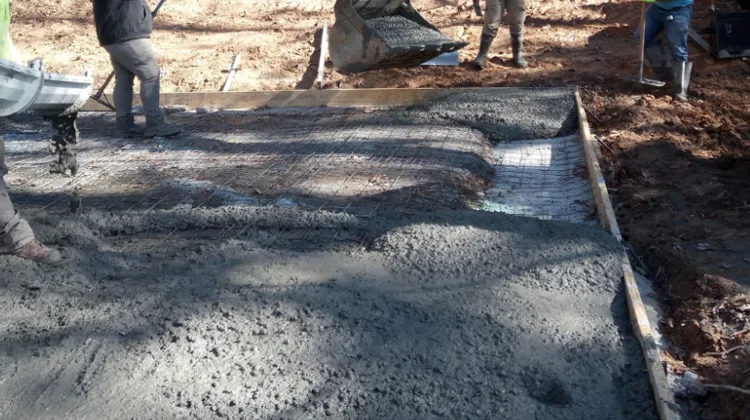
Concrete accelerators are not a single product but a broad group of chemical admixtures with different compositions and performance characteristics. In engineering practice, accelerators are classified according to how they influence the early-stage behavior of cement hydration, especially setting time and early strength development.
From both a technical and practical perspective, accelerators used in cement concrete can be divided into two major functional categories:
Setting accelerators, which mainly reduce setting time
Hardening accelerators, which mainly increase the rate of early strength gain
This classification is widely adopted because it reflects how accelerators are actually selected and specified in construction projects.
2.1 Setting Accelerators
Setting accelerators are designed to shorten the period between mixing and setting of concrete. After these admixtures are added, concrete loses its plasticity more quickly and reaches initial and final set in a shorter time.
This type of accelerator is particularly important in applications where early stiffness, shape stability, or immediate load resistance is required, such as shotcrete, tunnel support, and emergency repair works.
Calcium Chloride Accelerators
Calcium chloride is the most traditional and historically significant setting accelerator used in cement concrete. It has been widely studied and applied for decades due to its strong and predictable accelerating effect.
When calcium chloride is added to concrete, it increases the rate of hydration of tricalcium silicate (C₃S), which leads to faster heat evolution and rapid stiffening of the cement paste. As a result, both the initial and final setting times of concrete are significantly reduced.
However, calcium chloride introduces chloride ions into the concrete matrix. These chloride ions can penetrate the protective layer of reinforcing steel and initiate corrosion. For this reason, calcium chloride accelerators are generally restricted to plain concrete and are not recommended for reinforced or prestressed concrete structures.
In modern construction, calcium chloride is mainly used in non-structural concrete, temporary works, and certain cold weather applications where reinforcement is not present.
Calcium Nitrate Accelerators

Calcium nitrate accelerators were developed as a chloride-free alternative to calcium chloride. Their primary advantage is that they accelerate setting and early strength development without introducing corrosion risks to steel reinforcement.
Calcium nitrate works by promoting early cement hydration reactions while maintaining chemical compatibility with reinforced concrete systems. Compared to chloride-based accelerators, calcium nitrate provides a more balanced performance between setting acceleration and durability.
This type of accelerator is commonly used in reinforced concrete construction, winter concreting, and infrastructure projects where both early strength and long-term durability are critical requirements.
Sodium Silicate Accelerators
Sodium silicate accelerators are most commonly associated with shotcrete applications, especially in tunneling, mining, and underground construction.
Once sodium silicate comes into contact with cement paste, it reacts rapidly with calcium ions and forms insoluble silicate compounds. This chemical reaction causes concrete to set almost immediately after spraying, creating rapid surface stabilization and early ground support.
Because of this extremely fast reaction, sodium silicate accelerators require precise dosing systems and well-controlled spraying equipment. Improper dosing can lead to excessive rebound, poor bonding, or uneven strength development.
Triethanolamine Accelerators
Triethanolamine is an organic accelerator that behaves differently from purely inorganic setting accelerators. Instead of dramatically shortening setting time, it mainly influences the early hydration of aluminate phases in cement.
As a result, triethanolamine improves early compressive strength and early stiffness while maintaining acceptable workability. Due to its strong effect at very low dosages, triethanolamine is often used as a component in compound or blended accelerator formulations rather than as a standalone admixture.
It is commonly applied in precast concrete, early strength concrete, and specialized admixture systems where precise performance control is required.
2.2 Hardening Accelerators
Hardening accelerators focus on accelerating the development of early mechanical strength rather than drastically reducing the initial setting time. Concrete treated with hardening accelerators may retain normal workability but gains strength much faster after placement.
This type of accelerator is widely used in projects where early demolding, early load application, or fast production cycles are required.
Calcium Formate Accelerators
Calcium formate is one of the most effective and widely used early strength accelerators in modern concrete technology.
By promoting the early formation of calcium silicate hydrate (C–S–H), calcium formate significantly improves compressive strength at early ages, particularly within the first one to three days. Unlike some setting accelerators, it does not cause excessive reduction in workability or abnormal setting behavior.
Calcium formate is especially suitable for precast concrete plants, concrete block production, and other manufacturing environments where rapid strength development directly improves productivity.
Silica-Based Accelerators
Silica-based accelerators enhance early strength development by modifying the microstructure of hardened concrete. Fine silica particles fill voids within the cement matrix, resulting in reduced porosity and improved density.
This microstructural refinement leads not only to higher early strength but also to improved long-term durability and reduced permeability. For this reason, silica-based accelerators are often used in high-performance concrete and high-strength concrete applications.
They are commonly specified in infrastructure projects where both early strength and long service life are required.
Alkaline Accelerators
Alkaline accelerators are primarily used in shotcrete systems where extremely rapid setting and early strength development are required immediately after spraying.
These accelerators produce a strong chemical reaction that causes concrete to stiffen within seconds. While this provides excellent early support in tunnels and mines, it also increases safety risks and equipment corrosion.
Due to these limitations, alkaline accelerators are increasingly being replaced by alkali-free accelerators in modern international projects.
Alkali-Free Accelerators (Modern Development Trend)
Alkali-free accelerators represent a modern development in concrete accelerator technology. They provide rapid setting and early strength while significantly reducing health, safety, and durability risks.
These accelerators produce lower rebound rates, generate less dust during spraying, and provide better long-term concrete performance. As a result, alkali-free accelerators are now widely used in tunnel construction, subway projects, and hydropower engineering, especially in markets with strict environmental and safety regulations.
Why Understanding Accelerator Types Matters
Each type of accelerator interacts differently with cement, aggregates, and construction equipment. Selecting the wrong accelerator can result in poor workability, insufficient early strength, or long-term durability issues.
Therefore, understanding the types of accelerators in cement concrete is essential for:
Designing appropriate concrete mix proportions
Selecting suitable construction equipment
Ensuring project quality and durability
3. Main Functions of Accelerators in Concrete

Accelerators perform several critical functions in cement concrete, all of which are related to the early-age behavior of fresh and newly hardened concrete. By modifying the hydration process of cement, accelerators directly influence how fast concrete sets, how quickly it gains strength, and how reliably it performs under challenging construction conditions.
Understanding these functions is essential for selecting the correct accelerator type and optimizing concrete performance in real construction projects.
3.1 Shortening Setting Time of Concrete
One of the primary functions of accelerators in concrete is to significantly reduce both the initial and final setting time. After an accelerator is added, the hydration reactions between cement and water occur more rapidly, allowing the concrete to lose its plasticity and reach a rigid state sooner.
From a practical construction perspective, shorter setting time provides several advantages:
Concrete reaches structural stability faster
Surface finishing can be completed earlier
Construction delays caused by slow setting are minimized
This function is particularly important in shotcrete applications, tunnel support works, and emergency repair projects, where concrete must set rapidly to provide immediate load-bearing or ground support.
3.2 Accelerating Early Strength Development
Another essential function of accelerators is to increase the rate at which concrete develops early compressive strength. While standard concrete may require several days to achieve usable strength, concrete containing accelerators can reach critical strength levels within hours or within the first 24 hours.
Accelerated early strength development allows:
Early removal of formwork
Faster construction cycles
Reduced project downtime
This function is especially valuable in precast concrete production, where early demolding directly increases production efficiency, and in fast-track infrastructure projects where early load application is required.
3.3 Improving Concrete Performance in Cold Weather
Low temperatures slow down cement hydration and can severely delay setting and strength gain. One of the most important functions of accelerators is their ability to compensate for the negative effects of cold weather on concrete performance.
By increasing the rate of hydration, accelerators help concrete to:
Generate heat earlier during hydration
Reach frost-resistant strength sooner
Reduce the risk of early-age freezing
As a result, accelerators are widely used in cold climate construction, winter concreting, and high-altitude projects, where maintaining reliable concrete performance is critical.
3.4 Enhancing Construction Efficiency and Productivity
Accelerators contribute directly to improved construction efficiency by reducing waiting times between concrete placement, finishing, and subsequent construction activities.
In practical terms, this means:
Shorter intervals between construction stages
Faster turnover of formwork and molds
Improved utilization of labor and equipment
For contractors and precast concrete manufacturers, this function translates into lower overall project costs and higher productivity, making accelerators an important tool in modern construction management.
3.5 Providing Immediate Support in Shotcrete Applications
In sprayed concrete systems, accelerators play a unique and critical role. They allow shotcrete to set and harden almost immediately after spraying, enabling the concrete to adhere to rock and soil surfaces without sloughing or sagging.
This function is essential for:
Tunnel excavation and lining
Underground mining operations
Slope stabilization and rock reinforcement
Without accelerators, shotcrete would not be able to provide the rapid ground support required in these applications.
3.6 Supporting Early Load Application and Structural Safety
By increasing early strength, accelerators enable concrete to carry loads at much earlier ages. This function is especially important in structures where temporary loads, traffic, or construction equipment must be applied shortly after concrete placement.
Early load-bearing capability improves:
Construction safety
Project scheduling flexibility
Structural reliability during early stages
This is particularly relevant in bridge deck repairs, pavement construction, and industrial flooring projects.
3.7 Reducing the Risk of Construction Delays
Construction delays caused by slow setting or insufficient early strength can significantly increase project costs. Accelerators help reduce these risks by providing more predictable and controllable early-age concrete behavior.
By ensuring reliable setting and strength development, accelerators contribute to:
Better schedule control
Reduced rework
Improved quality consistency
Why the Functions of Accelerators Matter in Engineering Practice
The functions of accelerators are closely related to cement type, ambient temperature, construction method, and equipment selection. Understanding how accelerators affect concrete behavior allows engineers and contractors to:
Choose the most suitable accelerator type
Optimize mix design and dosage
Achieve reliable performance under varying site conditions
4. Applications of Accelerators in Cement Concrete
Concrete accelerators are widely used in various construction scenarios where early setting, rapid strength gain, or special environmental conditions are critical. Their applications span from precast plants to cold weather construction, and from road repair to underground excavation projects. Understanding the specific use cases of accelerators helps engineers and contractors select the right type and dosage to meet project requirements.
4.1 Special Construction Environments
In regions with cold climates or low ambient temperatures, cement hydration slows significantly. Without accelerators, concrete may take an extended time to set, which increases the risk of frost damage and delays construction schedules.
By incorporating accelerators:
Concrete develops early strength faster even at low temperatures
Initial setting occurs sooner, preventing freezing before concrete hardens
Construction can continue during winter months without additional heating measures
Typical applications in cold environments:
Outdoor winter concreting projects in northern climates
High-altitude construction sites with low temperatures
Bridges, highways, and pavements exposed to frost conditions
4.2 Fast-Track Construction and Emergency Repairs
Accelerators are invaluable in fast-track construction projects, where speed and efficiency are essential. By reducing setting time and increasing early strength, accelerators allow contractors to perform critical construction operations in a shorter time frame.
Key benefits include:
Faster removal of formwork and molds
Shorter construction cycles and reduced downtime
Early application of loads or finishing work
Practical examples:
Road and highway emergency repairs that require rapid reopening
High-rise building projects where formwork turnover must be quick
Industrial facility maintenance and repair projects requiring minimal downtime
4.3 Shotcrete Applications in Tunnels, Mines, and Slopes

Shotcrete, or sprayed concrete, is a construction method where concrete is projected at high velocity onto surfaces such as tunnel walls or rock slopes. The immediate setting of shotcrete is critical for structural stability and worker safety.
Accelerators in shotcrete provide:
Rapid stiffening after spraying
Strong adhesion to rock and soil surfaces
Immediate ground support to prevent sloughing or sagging
Typical applications:
Tunnel lining and excavation support
Underground mining reinforcement
Slope stabilization and rock face protection
Without accelerators, shotcrete would remain plastic for too long, risking slippage and inadequate structural support.
4.4 High-Performance and High-Strength Concrete
Modern infrastructure often requires high-performance concrete (HPC) with low permeability, high durability, and high early strength. Accelerators are used in these applications to enhance early-age strength without compromising long-term performance.
Benefits in high-performance concrete include:
Faster achievement of design strength
Improved productivity in precast plants and large-scale projects
Support for early formwork removal and construction sequencing
Common applications:
High-rise buildings and skyscrapers
Bridges and highway structures
Hydropower plants and dams requiring rapid early strength
4.5 Precast Concrete and Modular Construction
In precast concrete production, accelerators are essential for speeding up the curing process. Precast elements such as beams, panels, and blocks can be demolded earlier, allowing higher production efficiency.
Benefits include:
Reduced mold occupancy time
Faster turnaround for multiple production cycles
Consistent early strength development to meet schedule constraints
Applications in precast construction:
Precast wall panels and slabs
Concrete beams, columns, and hollow-core elements
Modular building components for rapid assembly
4.6 Cold Weather, Underground, and Specialized Engineering Projects
Accelerators are often used in projects with extreme environmental conditions or specialized structural requirements:
Cold weather concreting: Ensures that hydration continues and early strength develops despite low ambient temperatures
Underground construction: Provides immediate structural support in tunnels, subways, and mines
Specialized repairs: Accelerates strength gain in highway patches, bridge decks, or industrial flooring
By providing reliable early-age strength and setting control, accelerators allow projects to maintain schedule, safety, and quality even under challenging conditions.
4.7 Why Understanding Applications Matters
Selecting the correct accelerator type and dosage requires a clear understanding of:
Construction environment (temperature, humidity, altitude)
Desired early strength and setting time
Concrete mix design (cement type, admixtures, water-cement ratio)
Specific application method (cast-in-place, precast, shotcrete)
Proper selection ensures that the concrete performs reliably, construction schedules are maintained, and long-term durability is not compromised.
5. When and How to Use Accelerators

Concrete accelerators are chemical admixtures that influence cement hydration, setting time, and early strength development. Using them correctly is crucial to ensure both short-term construction efficiency e long-term durability. Improper timing, dosing, or mixing can result in poor workability, inconsistent strength, or even structural defects.
This section provides detailed guidance on when accelerators are needed, how to add them, and best practices for safe and effective application.
5.1 When to Use Accelerators
Accelerators are primarily used in situations where time, temperature, or environmental conditions affect concrete performance. Typical scenarios include:
Cold Weather Concreting
At low temperatures, cement hydration slows significantly, increasing the risk of delayed setting and early-age frost damage.
Accelerators speed up early hydration, allowing concrete to reach critical strength before freezing occurs.
Common applications: winter pavements, bridges in northern regions, outdoor structures in high-altitude areas.
Fast-Track Construction
Projects with tight schedules often require concrete to set and gain strength quickly.
Accelerators reduce the waiting time for formwork removal, allow early application of loads, and shorten overall construction cycles.
Typical uses: emergency repairs, road and highway resurfacing, high-rise building projects with rapid formwork turnover.
Precast Concrete Production
Precast elements must develop sufficient early strength to allow mold removal and transportation.
Accelerators help maintain production efficiency without compromising concrete quality.
Applications: precast beams, slabs, wall panels, modular concrete components.
Shotcrete Applications
In tunneling, mining, or slope stabilization, shotcrete must adhere immediately to surfaces and resist slumping.
Accelerators in shotcrete provide instant setting and early stiffness, critical for worker safety and structural stability.
Applications: tunnel linings, underground mines, rock slope reinforcement.
Specialized or High-Performance Concrete
Projects requiring very high early strength or low permeability benefit from accelerators to meet tight performance specifications.
Applications: dams, high-performance structural concrete, rapid repair works in infrastructure.
5.2 How to Use Accelerators Properly
Proper usage involves correct timing, dosing, and mixing techniques. Each step ensures uniform performance and prevents adverse effects on workability or long-term durability.
Step 1: Determine Dosage
Accelerator dosage depends on cement type, mix design, ambient temperature, and desired early strength.
Typical ranges: 0.5% to 6% of cement weight, varying by chemical composition (calcium chloride, calcium nitrate, calcium formate, etc.).
Laboratory trials are recommended to optimize dosage for each project.
Step 2: Choose Addition Sequence
Add accelerators after water and other admixtures like superplasticizers.
Avoid direct addition into dry cement to prevent uneven reaction or local flash setting.
For shotcrete, dosing must be integrated with spraying equipment to ensure uniform dispersion.
Step 3: Mix Thoroughly
Accelerators must be fully mixed to ensure homogeneous hydration acceleration.
In precast or ready-mix applications, use high-shear mixing if necessary.
Avoid prolonged storage after mixing, as acceleration begins immediately.
Step 4: Monitor Temperature and Workability
Accelerators increase reaction rates; in hot climates, concrete may set too quickly.
Adjust water content or consider retarder-adjacent admixtures if necessary.
Regularly measure slump and setting time on-site to ensure consistency.
Step 5: Combine with Other Admixtures Carefully
Some accelerators may interact with high-range water reducers, retarders, or air-entraining agents.
Always perform compatibility tests before large-scale application.
Follow manufacturer guidelines for compound admixture systems.
5.3 Practical Tips for Engineers and Contractors
Plan accelerator usage in the design stage – don’t wait until concrete is on-site.
Always conduct small-scale trial mixes to evaluate early strength and setting time.
Monitor curing conditions – even with accelerators, temperature and humidity affect final performance.
Ensure safety – some accelerators (alkaline or chloride-based) require protective gear during handling.
Document dosage and timing – important for quality control and long-term maintenance records.
5.4 Why Correct Usage Matters
Using accelerators incorrectly can result in:
Excessively rapid setting, making placement and finishing difficult
Uneven early strength, risking structural performance
Reduced workability, affecting pumping, spraying, or casting operations
Long-term durability issues, especially when chloride-based accelerators are used in reinforced concrete
Properly applied accelerators, on the other hand, maximize construction efficiency, ensure predictable early strength, and maintain concrete quality.
6. Typical Dosage of Accelerators
O typical dosage of accelerators depends on multiple factors, including the type of accelerator, cement type, ambient temperature, desired early strength, and the specific application. Using the correct dosage is crucial for achieving the desired balance between setting time, early strength development, and workability.
Overdosing may cause flash setting, rapid stiffening, or poor workability, while underdosing can lead to delayed strength gain and slow construction progress.
6.1 Dosage Ranges by Chemical Type
Different chemical accelerators have varying optimal dosage ranges. The following ranges are commonly recommended in engineering practice:
6.1.1 Calcium Chloride (CaCl₂)
Typical dosage: 1% – 2% of cement weight for normal setting acceleration
High acceleration dosage: up to 6% for extreme cold weather conditions
Notes: Use chloride-free alternatives for reinforced concrete to avoid steel corrosion.
6.1.2 Calcium Nitrate (Ca(NO₃)₂)
Typical dosage: 1% – 3% of cement weight
Vantagens: Non-corrosive, suitable for reinforced concrete and cold weather applications
Special considerations: May slightly increase water demand; verify workability in lab trials
6.1.3 Calcium Formate (Ca(HCOO)₂)
Typical dosage: 0.5% – 2% of cement weight
Aplicativo: Commonly used in precast concrete, early-strength applications, and moderate cold weather concreting
Benefits: Provides early strength gain without drastically reducing workability
6.1.4 Sodium Silicate (Na₂SiO₃)
Typical dosage: 2% – 5% of cement weight for shotcrete or sprayed concrete
Key points: Requires careful dosing with specialized spraying equipment to prevent rebound or uneven setting
Aplicações: Tunnels, underground mines, slope stabilization
6.1.5 Triethanolamine (TEA)
Typical dosage: 0.05% – 0.5% of cement weight
Use case: Often part of blended accelerators or early-strength concrete formulations
Vantagens: Effective at very low dosage; improves early strength without significantly altering slump
6.2 Factors Influencing Dosage Selection
Several practical factors influence the final accelerator dosage for a specific project:
Ambient Temperature:
Cold weather may require higher dosages to ensure proper early hydration.
Hot weather may require reduced dosage to avoid flash setting.
Type of Cement:
Rapid-hardening cement may need lower accelerator dosages.
Low-heat or blended cements may require higher dosages for early strength.
Concrete Application Method:
Precast concrete requires precise early strength; dosage must be optimized for mold turnover.
Shotcrete requires immediate setting; dosage must be carefully calibrated with spraying equipment.
Desired Early Strength:
Accelerators can be dosed to achieve 1-day or 3-day target compressive strength, depending on project needs.
Compatibility with Other Admixtures:
Superplasticizers, retarders, or air-entraining agents may interact with accelerators, influencing effective dosage.
6.3 Best Practices for Determining Dosage
Laboratory Trials: Always perform small-scale lab tests to determine optimal dosage before field application.
Monitoring: Measure slump, setting time, and early compressive strength at multiple ages to confirm performance.
Gradual Adjustment: Start with lower dosages and increase as needed to achieve desired early strength without compromising workability.
Documentation: Record dosage, cement type, ambient temperature, and other variables for quality control and future reference.
6.4 Typical Application Examples
| Accelerator Type | Recommended Dosage (% of cement weight) | Typical Application |
|---|---|---|
| Calcium Chloride | 1% – 2% (up to 6% cold weather) | Non-reinforced concrete, winter roads |
| Calcium Nitrate | 1% – 3% | Reinforced concrete, cold weather construction |
| Calcium Formate | 0.5% – 2% | Precast concrete, early-strength blocks |
| Sodium Silicate | 2% – 5% | Shotcrete for tunnels, mines, slope stabilization |
| Triethanolamine (TEA) | 0.05% – 0.5% | Precast, blended early-strength concrete |
7. Accelerator Selection Guide (Comparison Table)
Selecting the right concrete accelerator is critical to achieving desired early strength, setting time, workability, and long-term durability. Different types of accelerators offer distinct advantages and limitations, and their suitability depends on construction method, environmental conditions, and structural requirements.
This guide provides a detailed comparison of common accelerators and practical advice for choosing the most appropriate type for a given project.
7.1 Factors to Consider When Selecting an Accelerator
When selecting an accelerator, engineers should evaluate the following key factors:
Type of Construction Project
For precast concrete production: early demolding and predictable strength gain are priorities.
For cast-in-place concrete: workability and setting time control are essential.
For shotcrete: immediate setting and adhesion to surfaces are critical.
Reinforcement Conditions
Chloride-containing accelerators (e.g., calcium chloride) may cause steel corrosion and are not suitable for reinforced or prestressed concrete.
Chloride-free accelerators (e.g., calcium nitrate, alkali-free) are recommended for reinforced structures.
Environmental Conditions
Cold weather: accelerators help prevent freezing damage by speeding early hydration.
Hot weather: accelerators may accelerate setting too much, requiring careful dosing or combination with retarders.
Desired Early Strength
The required early compressive strength affects the choice of accelerator type and dosage.
Some accelerators, such as calcium formate, are specifically designed for high early strength without significantly shortening workability.
Compatibility with Other Admixtures
Accelerators must be compatible with superplasticizers, retarders, air-entraining agents, or other additives to prevent negative interactions.
7.2 Comparison of Common Accelerators
The table below summarizes the advantages, limitations, and typical applications of widely used accelerators:
| Accelerator Type | Vantagens | Limitations / Precautions | Aplicações típicas |
|---|---|---|---|
| Calcium Chloride (CaCl₂) | Strong setting acceleration, cost-effective | Corrosive to steel, limited use in reinforced concrete | Plain concrete, temporary works, cold weather concreting |
| Calcium Nitrate (Ca(NO₃)₂) | Non-corrosive, effective in cold weather, promotes early strength | Slightly higher water demand, costlier than CaCl₂ | Reinforced concrete, winter concreting, infrastructure |
| Calcium Formate (Ca(HCOO)₂) | Improves 1–3 day compressive strength, maintains workability | Less effective in extremely cold conditions | Precast concrete, early-strength blocks, fast-track projects |
| Sodium Silicate (Na₂SiO₃) | Very fast setting, excellent for adhesion in shotcrete | Requires precise dosing, can cause rebound if overdosed | Shotcrete, tunnel lining, underground construction |
| Triethanolamine (TEA) | Effective at low dosage, improves early strength | Less effective for extreme setting acceleration | Blended accelerators, precast concrete, early-strength mixes |
| Alkali-Free Accelerators | Safe, environmentally friendly, suitable for reinforced concrete | Higher initial cost, requires formulation control | Tunnels, hydropower projects, modern shotcrete applications |
7.3 Practical Guidelines for Accelerator Selection
For Reinforced Concrete:
Prefer chloride-free or alkali-free accelerators to prevent corrosion.
For Precast Concrete Plants:
Use accelerators like calcium formate or TEA-based blends to achieve early demolding without sacrificing workability.
For Shotcrete or Underground Projects:
Sodium silicate or alkali-free accelerators provide immediate setting and strong adhesion.
For Cold Weather Applications:
Calcium nitrate or calcium chloride can compensate for slow hydration, but ensure proper dosage and compatibility with reinforcement.
For High Early Strength Requirements:
Combine calcium formate, TEA, or specialized hardening accelerators to reach early compressive strength targets while maintaining slump.
7.4 Tips for Successful Selection
Conduta laboratory trial mixes to determine the optimal accelerator type and dosage.
Consider temperature, humidity, cement type, and mix design when selecting accelerators.
Check compatibility with other admixtures in the mix.
Document the accelerator type, dosage, and performance results for quality control and future reference.
8. Precautions When Using Accelerators
Concrete accelerators are powerful admixtures that can significantly improve early-age performance and construction efficiency. However, their incorrect use can negatively affect concrete durability, workability, and long-term performance. Engineers and contractors must carefully follow recommended guidelines to ensure both construction safety and structural quality.
8.1 Impact on Long-Term Durability
One of the most critical precautions is understanding how accelerators can affect the long-term durability of concrete, especially when using chloride-based accelerators such as calcium chloride.
Why it matters:
Chloride ions accelerate corrosion of embedded steel reinforcement.
Long-term exposure can lead to structural degradation, reduced lifespan, and maintenance issues.
Best practices:
Use chloride-free alternatives (e.g., calcium nitrate, alkali-free accelerators) for reinforced concrete.
Limit the dosage of chloride-based accelerators according to local codes and standards.
Conduct laboratory tests to verify early strength and long-term durability.
8.2 Effect on Workability and Setting Behavior
Accelerators influence concrete rheology and workability. Rapid setting may cause difficulties during:
Placing and compacting concrete
Pumping or spraying in shotcrete applications
Finishing surfaces in pavements or slabs
Precautions:
Always adjust water content or use compatible superplasticizers to maintain desired slump.
Monitor workability closely on-site; freshly mixed concrete with high accelerator dosage may require faster placement.
Avoid adding accelerators directly to dry cement, as this may create localized flash setting and uneven hydration.
8.3 Temperature Sensitivity
Concrete accelerators are highly sensitive to ambient and material temperatures. Their effect can be magnified in hot climates or diminished in cold climates.
Cold weather risks:
Concrete may still hydrate slowly if accelerator dosage is insufficient.
Freezing before achieving frost-resistant strength can occur.
Hot weather risks:
Over-acceleration can lead to excessively fast setting.
Increased cracking or cold joints may develop due to uneven hydration.
Best practices:
Adjust accelerator dosage according to ambient temperature and cement type.
Use laboratory trial mixes to confirm setting times and early strength.
Combine with retarders cautiously if hot-weather concrete is at risk of flash setting.
8.4 Compatibility with Other Admixtures
Many concrete mixes include multiple chemical admixtures, such as:
Superplasticizers (water reducers)
Air-entraining agents
Retarders or shrinkage-reducing admixtures
Precautions:
Some accelerators may react with these admixtures, causing unintended effects like reduced slump, delayed or excessive setting, or diminished early strength.
Executar compatibility testing before large-scale application.
Follow manufacturer guidelines for sequential addition: typically, water reducers first, then accelerators, and finally other admixtures as required.
8.5 Quality Control and Testing
Consistent quality control is essential when using accelerators to ensure reliable concrete performance.
Recommendations:
Conduct laboratory trials to determine the optimal dosage for early strength and workability.
Test slump, setting time, and compressive strength at different ages (1 day, 3 days, 7 days).
Document all dosage, mixing, and placement details to maintain quality records.
Monitor field conditions and adjust dosing if site conditions differ from laboratory tests.
8.6 Safety Measures for Handling Accelerators
Some accelerators, particularly alkaline or chloride-based chemicals, require careful handling:
Use gloves, protective clothing, and eye protection when mixing or handling powders or liquids.
Ensure adequate ventilation when using accelerators in confined spaces.
Train personnel on chemical hazards and first aid measures.
Proper handling not only protects workers but also prevents contamination or unintended chemical reactions in concrete.
8.7 Summary of Key Precautions
Long-term durability: Prefer chloride-free accelerators for reinforced concrete.
Workability: Monitor slump and placement times; avoid flash setting.
Temperature sensitivity: Adjust dosage for ambient and cement temperatures.
Compatibility: Test with all other admixtures to prevent adverse reactions.
Quality control: Conduct lab trials and document results before large-scale use.
Safety: Follow chemical handling protocols for personnel and site safety.
9. International Standards and Specifications
Accelerators used in global projects should comply with:
ASTM C494 – Chemical Admixtures for Concrete
EN 934-2 – European Standard
GB/T 8076 – Chinese National Standard
10. Frequently Asked Questions
What is a cement accelerator?
A cement accelerator is a chemical admixture that speeds up concrete setting and early strength development.
What is the purpose of accelerators in concrete?
To reduce setting time, improve early strength, and enhance cold weather performance.
How can cement hardening be accelerated?
By using suitable accelerators along with optimized mix design and curing conditions.
What is the best accelerator for concrete?
The best choice depends on reinforcement type, ambient temperature, and project requirements.
11. Conclusão
Accelerators in cement concrete are indispensable materials in modern construction, enabling faster construction, improved early strength, and reliable cold weather performance.
For cement and building material equipment manufacturers, mastering accelerator technology helps to:
Design better mixing and dosing systems
Deliver complete engineering solutions
Build strong technical credibility in global markets


 Portuguese
  English
  Russian
  Arabic
  Vietnamese
  Spanish
  French
  Japanese
  Chinese