


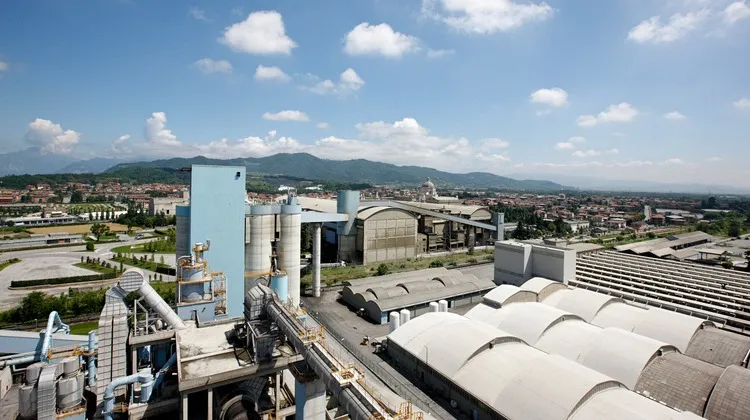
As environmental regulations continue to tighten across the global cement industry, reducing nitrogen oxide (NOx) emissions has become a priority for plant owners, engineering contractors, and environmental compliance teams. Governments are introducing stricter emission limits, while cement manufacturers face increasing pressure to improve sustainability and reduce their environmental impact.
Among the available NOx control technologies, Selective Catalytic Reduction (SCR) and Selective Non-Catalytic Reduction (SNCR) have emerged as the two most widely used solutions for cement kiln denitrification. Both technologies are capable of reducing NOx emissions, but they differ significantly in terms of removal efficiency, investment costs, operational requirements, and long-term environmental performance.
For decision-makers evaluating a new cement plant project or planning an emission control upgrade, understanding the differences between SCR and SNCR is essential. This guide explores how each technology works, compares their strengths and limitations, and examines which solution may be better suited for different types of cement production facilities.
Why NOx Emissions Are a Growing Challenge for Cement Plants

Nitrogen oxides are among the most closely regulated pollutants generated during cement production. These compounds are formed when fuels are burned at the extremely high temperatures required inside fornos de cimento and calciners.
Excessive NOx emissions contribute to several environmental problems, including acid rain, smog formation, and fine particulate pollution. As environmental awareness grows and regulatory standards become more stringent, cement plants around the world are being required to significantly reduce their emissions.
In many regions, emission limits that were once considered acceptable are no longer sufficient. Plants that previously operated comfortably within regulatory requirements are now facing stricter standards, forcing operators to evaluate more advanced denitrification technologies.
As a result, the choice between SCR and SNCR has become increasingly important for both new cement plants and retrofit projects.
Understanding How SCR Technology Works

Selective Catalytic Reduction, commonly known as SCR, is widely regarded as one of the most effective NOx reduction technologies available for industrial applications.
The process involves injecting ammonia or urea into the flue gas stream before it enters a reactor containing catalyst modules. Within the reactor, the catalyst promotes a chemical reaction between the reducing agent and nitrogen oxides. This reaction converts harmful NOx into harmless nitrogen and water vapor before the gas is released into the atmosphere.
One of the primary reasons SCR has gained popularity is its ability to achieve extremely high removal efficiencies. Under properly designed operating conditions, SCR systems can often reduce NOx emissions by more than 90 percent. This level of performance makes SCR particularly attractive for facilities that must comply with ultra-low emission requirements.
In addition to high efficiency, SCR systems provide relatively stable performance even when operating conditions fluctuate. Because the catalyst improves reaction effectiveness, operators can maintain lower ammonia consumption and reduce the risk of ammonia slip compared with other technologies.
However, achieving these benefits requires a more sophisticated system design. Catalyst management, reactor installation, temperature control, and maintenance planning all play important roles in ensuring long-term performance.
How SNCR Technology Reduces NOx Emissions
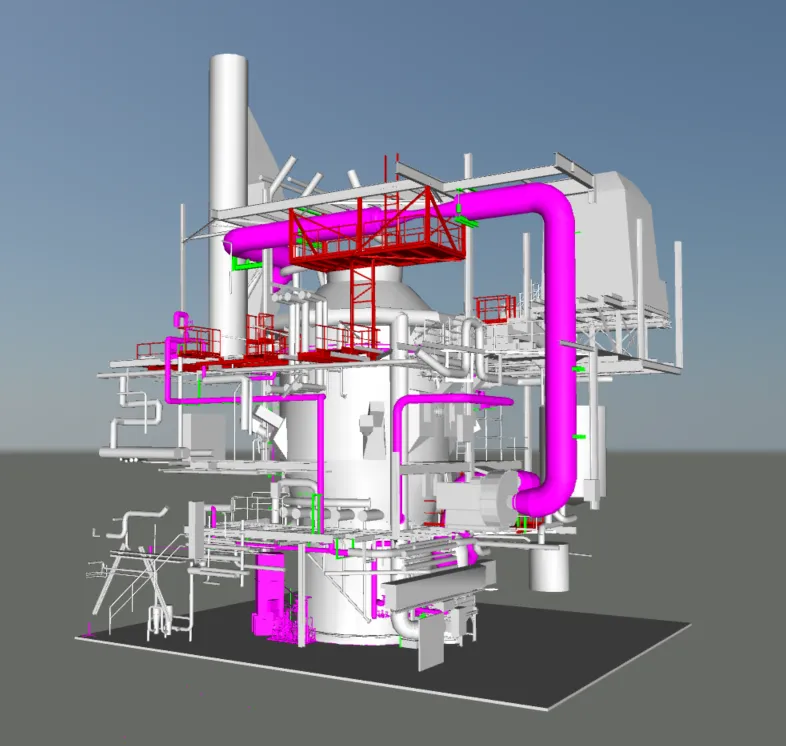
Selective Non-Catalytic Reduction, or SNCR, offers a simpler approach to NOx control.
Unlike SCR systems, SNCR does not require a catalyst. Instead, ammonia or urea is injected directly into a high-temperature zone within the kiln system, where it reacts with nitrogen oxides and converts them into nitrogen and water.
The effectiveness of this process depends heavily on temperature. The reaction must occur within a relatively narrow temperature window. If the temperature is too low, the chemical reaction becomes inefficient. If the temperature is too high, the reducing agent may decompose before reacting with NOx.
Because SNCR eliminates the need for catalyst modules and reactor structures, it typically requires lower capital investment and can often be integrated into existing production lines with minimal modifications.
This makes SNCR an attractive option for cement plants seeking a cost-effective solution to achieve moderate emission reductions.
However, the absence of a catalyst also limits overall performance. In most applications, SNCR systems achieve NOx reduction rates between 30 and 60 percent. While this may be sufficient for facilities operating under relatively relaxed regulations, it can become challenging when stricter emission limits are introduced.
SCR vs SNCR: Comparing Performance Across Key Criteria
When comparing SCR and SNCR technologies, focusing solely on installation cost can lead to an incomplete assessment. Plant owners should evaluate the entire lifecycle of the system, including environmental compliance, operating expenses, maintenance requirements, and future regulatory risks.
NOx Removal Efficiency
Perhaps the most significant difference between the two technologies is denitrification efficiency.
SCR systems are capable of consistently achieving NOx reductions above 80 percent and frequently exceed 90 percent under optimized conditions.
SNCR systems generally provide lower performance, with actual results often influenced by kiln operating stability, injection location, and temperature distribution.
For plants facing aggressive emission targets, this difference alone may determine the preferred technology.
Regulatory Compliance
Environmental regulations continue to evolve worldwide. In many regions, emission standards are becoming increasingly difficult to meet using standalone SNCR systems.
Facilities operating under strict compliance requirements often favor SCR because of its ability to provide a larger performance margin and greater operational flexibility.
By investing in SCR technology today, plant owners may avoid costly upgrades in the future when regulations become more demanding.
Capital Investment
SNCR systems generally require a lower initial investment because they eliminate the need for catalyst reactors and associated infrastructure.
For plants operating under limited budgets or moderate emission requirements, the lower capital cost of SNCR may be an important advantage.
SCR systems require higher upfront spending but often deliver stronger environmental performance and greater long-term compliance security.
Operating Costs
While SCR systems involve catalyst replacement and maintenance expenses, they often achieve better reagent utilization and lower ammonia slip.
SNCR systems may appear less expensive initially, but inefficient reagent consumption and potential compliance challenges can increase long-term operating costs.
The true economic comparison therefore depends on the specific operating conditions and regulatory environment of each facility.
Why More Cement Plants Are Transitioning Toward SCR Systems
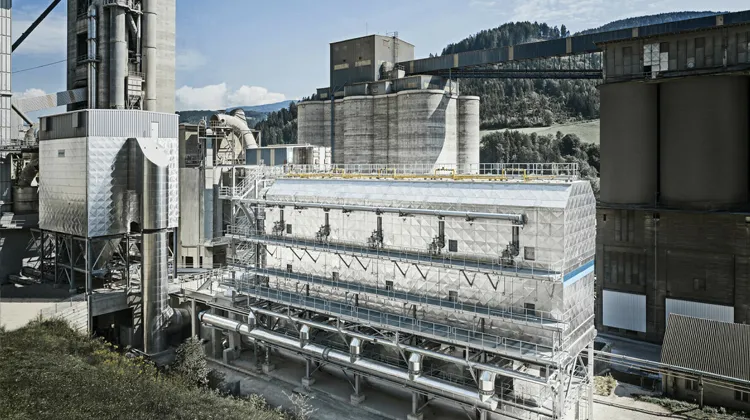
Over the past decade, the cement industry has witnessed a noticeable shift toward SCR adoption.
Several factors are driving this trend.
First, environmental regulations continue to become more stringent in both developed and emerging markets. Many facilities that once relied solely on SNCR technology now find it increasingly difficult to maintain compliance.
Second, large-scale cement producers are placing greater emphasis on sustainability and environmental responsibility. Demonstrating lower emissions can improve corporate reputation, support ESG initiatives, and strengthen relationships with regulators and investors.
Third, advances in catalyst technology and system design have improved the economic feasibility of SCR installations, making them more attractive than in previous years.
As a result, SCR is increasingly viewed not only as a compliance tool but also as a strategic investment in long-term operational sustainability.
The Rise of Hybrid SCR + SNCR Solutions
Rather than choosing between SCR and SNCR, many modern cement plants are combining both technologies into a single integrated solution.
In a hybrid system, SNCR performs the initial stage of NOx reduction inside the kiln or calciner. The remaining NOx is then treated by an SCR reactor downstream.
This approach offers several important advantages.
Because the SNCR system removes a significant portion of NOx before the gas reaches the SCR reactor, catalyst loading is reduced. Lower catalyst loading can extend catalyst life and decrease replacement costs.
At the same time, the SCR stage provides the high removal efficiency necessary to achieve strict emission limits.
For large cement production lines operating under demanding environmental regulations, hybrid systems often represent an optimal balance between performance and economics.
Key Factors to Consider Before Choosing SCR or SNCR
Every cement plant operates under unique conditions, making technology selection a site-specific decision.
Before choosing a denitrification solution, plant owners should evaluate several critical factors.
Current and Future Emission Limits
Compliance requirements should be assessed not only for current regulations but also for potential future standards. A solution that satisfies today’s limits may not be sufficient five years from now.
Plant Capacity
Larger clinker production lines generally benefit more from the higher efficiency and stability provided by SCR technology.
Available Installation Space
Physical space constraints can influence the feasibility of reactor installation and system integration.
Investment Strategy
Some facilities prioritize minimizing initial capital expenditure, while others focus on long-term lifecycle economics.
Operational Stability
Plants experiencing significant process fluctuations may require technologies capable of maintaining stable performance under changing conditions.
A comprehensive evaluation of these factors helps ensure that the selected solution aligns with both environmental and business objectives.
Future Trends in Cement Kiln DeNOx Technology
The future of cement plant emission control will likely be shaped by stricter environmental policies, digital monitoring systems, and increasing demand for sustainable manufacturing practices.
As governments continue tightening NOx emission standards, high-efficiency technologies are expected to gain wider adoption.
SCR technology is likely to play a central role in this transition, particularly in regions where ultra-low emissions are becoming mandatory.
At the same time, improvements in catalyst design, automation systems, and integrated emission management platforms will further enhance system performance and reduce operating costs.
For cement producers planning long-term investments, adopting technologies that can adapt to future regulatory requirements may provide significant competitive advantages.
Conclusão
Both SCR and SNCR are proven technologies for reducing NOx emissions in cement plants, but they are designed to address different operational challenges.
SNCR remains a practical and cost-effective solution for facilities facing moderate emission requirements and seeking lower initial investment.
SCR, on the other hand, offers substantially higher removal efficiency, greater compliance reliability, and stronger long-term environmental performance.
As emission standards continue to tighten worldwide, many cement manufacturers are concluding that SCR—or a hybrid SCR and SNCR solution—represents the most sustainable path forward.
Selecting the right denitrification technology requires careful consideration of regulatory requirements, plant conditions, lifecycle costs, and future environmental goals. By taking a long-term perspective, cement producers can improve compliance, enhance operational efficiency, and position themselves for future success.
Perguntas frequentes
What is the main difference between SCR and SNCR?
The primary difference is that SCR uses a catalyst to promote the reduction of NOx emissions, while SNCR relies solely on high-temperature chemical reactions without a catalyst. This allows SCR systems to achieve significantly higher NOx removal efficiency.
Which technology provides better NOx reduction performance?
SCR generally provides superior performance and can often achieve more than 90 percent NOx removal. SNCR typically achieves lower reduction rates and is more sensitive to operating conditions.
Why do some cement plants still choose SNCR?
Many facilities choose SNCR because it requires lower capital investment, simpler installation, and reduced maintenance requirements. For plants operating under less stringent regulations, SNCR can provide a cost-effective compliance solution.
Can existing cement plants retrofit SCR systems?
Yes. Many existing cement plants have successfully installed retrofit SCR systems as part of environmental upgrade projects. The feasibility depends on plant layout, available space, and process conditions.
Is a combined SCR and SNCR system worth considering?
For large cement plants facing strict emission limits, a hybrid SCR and SNCR solution can offer an effective balance between investment cost, operating efficiency, and long-term compliance performance.


 Portuguese
  English
  Russian
  Arabic
  Vietnamese
  Spanish
  French
  Japanese
  Chinese