


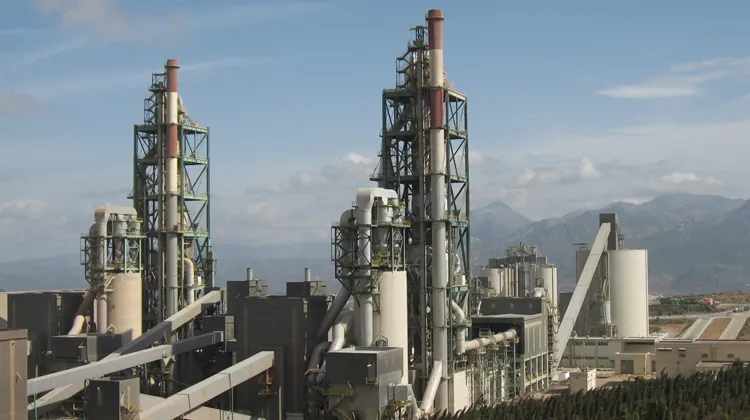
A Cement Grinding Plant, also known as a Cement Grinding Station, plays a critical role in the final stage of cement manufacturing. It is responsible for grinding clinker, gypsum, and supplementary materials into finished cement with the required fineness and performance characteristics.
As cement producers face increasing pressure to improve productivity, reduce energy consumption, and meet environmental regulations, modern grinding plants are evolving toward higher efficiency, lower operating costs, and smarter automation. By integrating advanced grinding technologies and optimized process designs, today’s cement grinding systems can deliver stable product quality while significantly improving overall plant performance.
What Is a Cement Grinding Plant?
A cement grinding plant is an independent cement production facility that focuses exclusively on the grinding process. Unlike a complete cement production line, which includes clinker manufacturing through rotary kilns, a grinding station receives clinker from external sources and processes it into finished cement products.
During production, clinker is mixed with gypsum and, depending on the required cement type, supplementary materials such as slag, fly ash, limestone powder, or other industrial by-products. These materials are then ground to a specified fineness before being stored and dispatched to customers.
Because it eliminates the need for clinker production equipment, a cement grinding plant typically requires lower capital investment, less land area, and a shorter construction period. This makes it an attractive option for investors, cement distributors, and regional cement manufacturers.
How Modern Cement Grinding Technology Improves Performance
In recent years, pre-grinding technology has become one of the most important developments in the cement grinding industry. Instead of feeding large clinker particles directly into the grinding mill, materials are first processed through equipment such as roller presses or crushers to reduce particle size.
This approach offers several operational advantages. Smaller feed particles require less grinding energy, allowing the main grinding equipment to operate more efficiently. As a result, plant capacity can be increased while power consumption is reduced.
In addition, modern grinding systems are often equipped with intelligent control systems that continuously monitor process parameters and optimize equipment performance. This helps maintain stable product quality while reducing fluctuations in production.
Main Equipment in a Cement Grinding Plant
A complete cement grinding plant consists of several interconnected systems. Each piece of equipment performs a specific function that contributes to overall productivity and product quality.
Moinho de bolas para cimento

The cement ball mill remains one of the most widely used grinding machines in the industry. It operates by rotating a cylinder filled with grinding media, which crushes and grinds materials into fine powder.
Ball mills are valued for their reliability, mature technology, and ability to process a wide range of materials. They are particularly suitable for small and medium-sized cement grinding projects where stable operation and proven performance are priorities.
Cement Vertical Roller Mill (VRM)
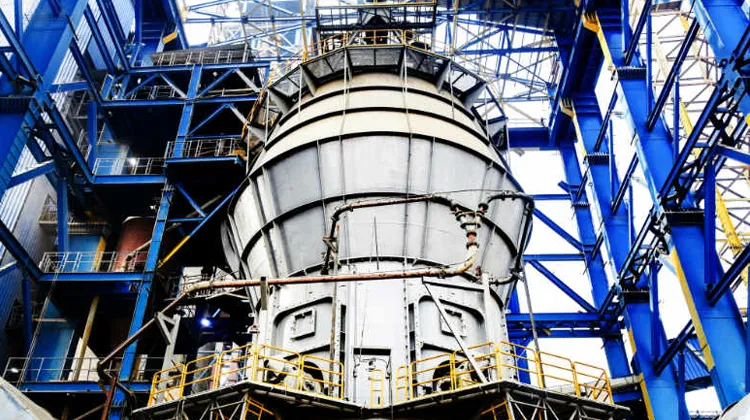
The Vertical Roller Mill has become increasingly popular in modern cement plants due to its energy-saving advantages.
Unlike traditional ball mills, a VRM combines grinding, drying, and classification in a single unit. This integrated design reduces energy consumption, minimizes equipment footprint, and improves operational efficiency.
For large-capacity projects, vertical roller mills often provide significant long-term economic benefits through reduced power consumption and lower maintenance requirements.
Cement Roller Press
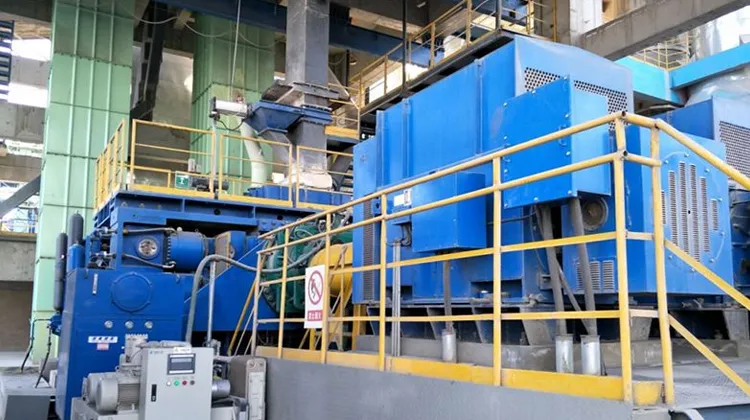
A roller press is commonly used as a pre-grinding device. By applying high pressure to clinker and other materials, it creates micro-cracks that make subsequent grinding easier and more efficient.
When combined with a ball mill, a roller press can substantially increase system output while reducing electricity consumption. This configuration has become one of the most widely adopted solutions in modern cement grinding plants.
Cement Separator
The separator is responsible for controlling the fineness of the finished cement. After grinding, materials are classified according to particle size.
Fine particles that meet product specifications are directed to the finished cement silo, while oversized particles are returned to the grinding system for further processing. This closed-circuit operation improves grinding efficiency and helps ensure consistent cement quality.
Belt Conveyors and Bucket Elevators
Efficient material handling is essential for smooth plant operation. Belt conveyors transport clinker, gypsum, and additives between processing stages, while bucket elevators move materials vertically throughout the plant.
Together, these systems help maintain continuous production and reduce material handling losses.
Cement Packing Machine
Once the cement is produced and stored, it must be prepared for shipment. Automatic cement packing machines provide accurate weighing, high-speed bagging, and reliable sealing, improving both productivity and packaging quality.
Depending on customer requirements, finished cement can also be delivered through bulk loading systems.
Dust Collection System
Environmental protection has become a key consideration for modern cement producers. Dust generated during grinding, conveying, and packaging must be effectively controlled to ensure safe and compliant operation.
High-efficiency bag filters and dust collectors are typically installed throughout the plant. These systems capture fine particles and help maintain dust emission levels well below environmental standards.
Cement Grinding Process Flow
Although plant layouts may vary, the production process generally follows several key stages.
Raw Material Storage and Batching
Clinker, gypsum, and additives are stored separately and accurately proportioned according to the target cement formulation.
Pre-crushing or Pre-grinding
Materials pass through a roller press or crusher to reduce particle size before entering the main grinding equipment.
Main Grinding
The prepared materials are ground in a ball mill or vertical roller mill until the desired fineness is achieved.
Classification and Circulation
Ground material is separated by a high-efficiency separator. Qualified cement moves to storage, while coarse particles are returned for further grinding.
Storage and Packaging
Finished cement is stored in cement silos before being loaded into bulk trucks or packaged into bags for transportation.
Key Advantages of Modern Cement Grinding Plants
One of the biggest advantages of a modern cement grinding plant is its ability to achieve high production efficiency while maintaining stable cement quality.
By combining advanced grinding equipment with optimized process control, manufacturers can increase output without significantly increasing energy consumption. This results in lower production costs and improved competitiveness.
Another important benefit is environmental performance. Modern grinding plants are designed to minimize dust emissions and support the utilization of industrial by-products such as slag and fly ash. These materials not only reduce manufacturing costs but also contribute to more sustainable cement production.
Furthermore, advanced automation systems reduce manual intervention and improve operational reliability. Plant operators can monitor production data in real time, identify potential issues early, and maintain stable plant performance.
Typical Configuration Solutions
Different projects require different equipment configurations depending on capacity requirements and investment objectives.
Scheme 1: Roller Press + Ball Mill Closed-Circuit System
This configuration is widely used for medium-capacity projects. It offers a good balance between investment cost, production efficiency, and operational reliability.
Scheme 2: Large Vertical Roller Mill System
Suitable for large-scale cement plants, this solution provides excellent energy efficiency, high output, and advanced automation capabilities.
Scheme 3: Crusher + Roller Press + Ball Mill System
For projects that require higher throughput and finer cement products, this configuration can further improve grinding efficiency and overall plant performance.
How to Choose the Right Cement Grinding Plant
Selecting the right grinding solution requires careful evaluation of several factors.
Production capacity is often the starting point, as it determines the size and configuration of the equipment. Material characteristics such as clinker hardness, moisture content, and grindability also influence equipment selection.
Energy consumption is another critical consideration, particularly as electricity costs continue to rise worldwide. Many investors now prioritize solutions that can reduce long-term operating expenses while meeting environmental standards.
Working with an experienced cement equipment supplier can help ensure that the selected system matches both production requirements and investment goals.
Perguntas frequentes
What is a cement grinding plant?
A cement grinding plant is a facility that grinds clinker, gypsum, and additives into finished cement products. It focuses on the final grinding stage of cement production and operates independently from clinker manufacturing.
What is the difference between a cement grinding plant and a cement production line?
A complete cement production line includes clinker production and cement grinding, while a cement grinding plant only handles the grinding process. As a result, grinding plants generally require lower investment and shorter construction periods.
Which is better for cement grinding: a ball mill or a vertical roller mill?
Both technologies are widely used. Ball mills offer proven reliability and flexibility, while vertical roller mills provide higher grinding efficiency and lower energy consumption. The best choice depends on project requirements and budget.
What is the typical capacity of a cement grinding plant?
Modern cement grinding plants can achieve capacities ranging from 15 t/h to more than 250 t/h, depending on equipment configuration and production requirements.
How can a cement grinding plant reduce energy consumption?
Energy consumption can be reduced through technologies such as roller press pre-grinding systems, high-efficiency separators, vertical roller mills, and intelligent process control systems that optimize overall plant performance.
Conclusão
As the cement industry continues to pursue higher efficiency, lower operating costs, and more sustainable production methods, modern Cement Grinding Plants have become an essential investment for many manufacturers.
By adopting advanced grinding technologies, optimized process flows, and intelligent automation systems, cement producers can improve productivity, ensure consistent product quality, and achieve long-term economic benefits. Whether you are planning a new grinding station or upgrading an existing facility, selecting the right equipment configuration is a key step toward building a competitive and future-ready cement production operation.


 Portuguese
  English
  Russian
  Arabic
  Vietnamese
  Spanish
  French
  Japanese
  Chinese