



Carbon black may look like ordinary soot, but in industrial production, it is a valuable carbon-based material. After proper processing, it can be used in rubber, tires, plastics, inks, coatings, cables, construction fillers, and many other industrial products. For powder processing and cement equipment companies, carbon black processing is not simply about grinding black powder. It is a complete system that upgrades low-value carbon-rich material into a stable industrial raw material.
Many carbon black materials are not ready for direct use when they are first produced, especially recovered carbon black from waste tire pyrolysis. These materials often have problems such as heavy dust, uneven particle size, poor flowability, unstable moisture content, and agglomeration. Through drying, grinding, classification, pelletizing, dust collection, and packaging, carbon black can become easier to handle and more suitable for downstream applications.
What Is Carbon Black?

Carbon black is a fine carbon-based powder usually produced through the incomplete combustion or thermal decomposition of hydrocarbon materials. It is widely used as a reinforcing filler, black pigment, conductive material, and functional additive.
In real industrial applications, the value of carbon black is not only determined by how black it looks. Rubber manufacturers care about whether it can improve strength, wear resistance, and product stability. Plastic and masterbatch producers focus more on color strength, dispersion, and particle size control. Coating and ink manufacturers also care about fineness, covering power, and color stability. Therefore, the core purpose of carbon black processing is to make unstable black powder finer, more uniform, easier to disperse, and more suitable for industrial use.
Why Carbon Black Processing Is Important
Untreated carbon black often brings many handling problems. Its particles are very fine, its bulk density is low, and it can easily create dust during conveying and packaging. If the processing line is not well sealed, the workshop can become dirty quickly, and equipment maintenance costs may increase. At the same time, if the particle size distribution is unstable, downstream users may face problems in mixing, dispersion, and final product consistency.
This is even more important for recovered carbon black. The solid carbon residue from waste tire pyrolysis has recycling value, but it cannot always be used directly as high-quality carbon black. It may contain ash, metal residue, organic residue, or large agglomerated particles. Without further treatment, its application range may be limited, and its market value will remain low.
A well-designed carbon black processing plant solves three key problems. It makes the material more stable, makes it easier for downstream customers to use, and helps low-value carbon-rich residue enter higher-value industrial markets.
Main Steps of Carbon Black Processing
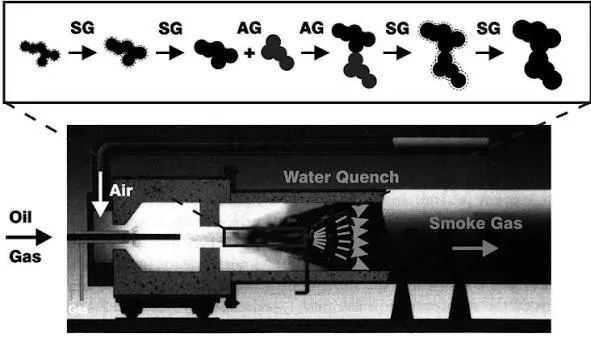
Raw Material Testing
Before designing a carbon black processing line, it is important to understand the raw material first. Different sources of carbon black can vary greatly. Some materials come from virgin carbon black production, some come from waste tire pyrolysis, and some come from industrial soot or carbon-rich residues. Their moisture content, ash content, volatile matter, particle size, impurity level, and flowability may all be different.
If equipment is selected without raw material testing, the project may face problems such as low grinding efficiency, unstable fineness, material blockage, excessive dust, or final products that do not meet customer requirements. Raw material testing is therefore a key step in the whole processing plan. It helps decide whether the line needs drying, impurity removal, grinding, classification, pelletizing, or other treatment.
Drying and Moisture Control
If the carbon black material contains too much moisture, drying is required before further processing. High moisture content can reduce grinding efficiency and cause agglomeration during conveying, storage, and packaging. For recovered carbon black from tire pyrolysis, stable moisture control is especially important because it helps the grinding and classification process run more smoothly.
Common drying equipment includes rotary dryers, flash dryers, and hot air drying systems. The right choice depends on the raw material condition, required capacity, heat source, and final product requirements. A good drying system should not only reduce moisture, but also prevent overheating, dust leakage, and secondary pollution.
Grinding and Deagglomeration
Carbon black grinding is different from ordinary mineral grinding. Materials such as cement clinker, limestone, and slag are usually ground from hard particles into fine powder. Carbon black processing, however, often focuses more on breaking agglomerates, improving particle size distribution, and enhancing dispersion. In other words, carbon black grinding is not only about reaching a certain mesh size. It is also about whether the final powder is stable, easy to mix, and suitable for downstream production.
Depending on the project requirements, equipment such as Raymond mill, vertical roller mill, ball mill, ultrafine grinding mill, ou air classifier mill can be selected. If the final product is used as a general industrial filler, very fine grinding may not be necessary. If it is used in plastic masterbatch, inks, coatings, or higher-grade rubber products, finer and more stable particle size control is usually required.
Classification and Particle Size Control
After grinding, carbon black usually needs classification. The purpose is to remove coarse particles and make the particle size distribution more stable. For downstream customers, stability is more important than one single test result. Industrial users need every batch of material to perform similarly in their production process.
With an air classifier or screening system, the processing line can control carbon black fineness according to the target application. This can improve product consistency and help customers achieve better results in rubber mixing, plastic modification, coating dispersion, and ink production.
Pelletizing for Easier Handling
Carbon black powder is very light and dusty, which makes direct packaging and transportation difficult. For some customers, powder carbon black can create dust during feeding and may affect accurate dosing and automated production. For this reason, many carbon black processing projects include a pelletizing system that turns fine powder into granular product.
Pelletized carbon black has better flowability, lower dust, and is easier to store, transport, and feed into production systems. In large-scale industrial applications, pelletized carbon black is often easier for customers to handle than loose powder. However, pelletizing is not necessary for every project. If the target market accepts powder product, a stable grinding, dust collection, and packaging system may already be enough.
Dust Collection and Environmental Control
Dust collection is essential in carbon black processing. Feeding, conveying, grinding, classification, pelletizing, and packaging can all generate dust if the system is not properly sealed. Carbon black dust can affect workshop cleanliness, increase manual cleaning work, and raise equipment maintenance costs.
A complete carbon black processing line usually needs a pulse bag filter, sealed conveying system, negative-pressure dust collection system, and dust-free packing connection. For export projects, environmental control and workshop cleanliness can also influence customer confidence in the whole processing solution.
Equipment Used in a Carbon Black Processing Plant
A complete carbon black processing line is not built around one single mill. It requires several equipment systems working together. The raw material first enters the silo and sealed feeding system, then moves through conveying equipment into drying or grinding. After the grinding mill, the material enters the classification system. Qualified fine powder is collected and packed, while coarse particles can return for further processing.
If pellet product is required, the line can also include a carbon black pelletizing machine, drying and cooling equipment, and screening equipment. Finally, the finished product can be packed in small bags, jumbo bags, or bulk systems by an automatic packing machine. For equipment suppliers, the real competitive value is not only the main machine, but the ability to design a stable, clean, and easy-to-maintain complete solution according to the customer’s raw material and target product.
Applications of Processed Carbon Black
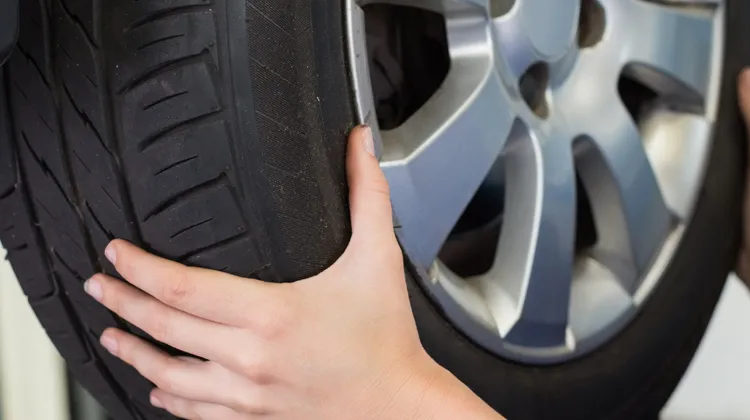
Processed carbon black can be used in many industrial fields. In rubber and tire production, it works as a reinforcing filler that improves wear resistance, strength, and service life. In plastics and masterbatch, it provides black coloring, UV protection, and conductive properties. In inks and coatings, it improves blackness, covering power, and color stability.
If recovered carbon black is processed properly, it can also be used in rubber fillers, plastic fillers, construction materials, asphalt modification, and general industrial compounds. It may not completely replace high-grade virgin carbon black in every application, but in suitable markets, it can help customers reduce raw material costs and improve the recycling value of waste resources.
How to Choose the Right Carbon Black Processing Solution
When choosing a carbon black processing solution, it is not enough to compare equipment prices or ask how fine the mill can grind. It is more important to understand the raw material source, moisture content, ash content, target fineness, required capacity, final application, and whether pelletizing is needed.
If the customer wants to produce general industrial filler, a cost-effective drying, grinding, classification, and packaging solution may be suitable. If the target market is plastics, masterbatch, coatings, or rubber, the project should pay more attention to particle size stability, dispersion performance, and dust control. If the project involves recovered carbon black from waste tire pyrolysis, impurity content, ash control, and downstream application matching should also be considered.
The right solution should be customized based on raw material testing and market positioning, instead of simply using a standard equipment list.
Conclusion
Carbon black processing is the key process that turns soot, pyrolysis residue, and carbon-rich powder into valuable industrial material. Through drying, grinding, classification, pelletizing, dust collection, and packaging, carbon black becomes cleaner, more stable, easier to handle, and more suitable for downstream production.
For powder processing and cement equipment suppliers, carbon black is a promising market. It creates opportunities not only for grinding mills, but also for complete processing lines, recovered carbon black upgrading systems, pelletizing solutions, dust collection systems, and turnkey powder engineering projects.
Turning soot into industrial gold is not just a marketing phrase. It is a real industrial process that depends on proper equipment selection, stable process design, and a deep understanding of the material itself.
FAQ About Carbon Black Processing
1. What is carbon black processing?
Carbon black processing means drying, grinding, classifying, pelletizing, and packing carbon black to make it finer, more stable, and easier to use.
2. Why does recovered carbon black need processing?
Recovered carbon black usually comes from waste tire pyrolysis. In its raw form, it may have high dust, uneven particle size, and poor flowability. After processing, it can be better used in rubber, plastics, construction materials, and industrial fillers.
3. What equipment is used for carbon black processing?
Common equipment includes a dryer, grinding mill, air classifier, pelletizing machine, dust collector, and packing machine. The final choice depends on raw material, moisture, fineness, and capacity.
4. Is carbon black grinding different from limestone grinding?
Yes. Carbon black is lighter, finer, and dustier than limestone. So the process needs not only grinding, but also good sealing, conveying, and dust collection.
5. Why is pelletizing important for carbon black?
Pelletizing turns fine carbon black powder into granules. This reduces dust, improves flowability, and makes transportation, storage, and feeding easier.
6. Can recovered carbon black replace virgin carbon black?
Recovered carbon black can partly replace virgin carbon black in some rubber products, plastic fillers, construction materials, and asphalt modification. For higher-end products, quality and performance testing are still needed.
7. How to choose a carbon black processing line?
You need to consider raw material source, moisture content, target fineness, capacity, pelletizing needs, and final application. Different projects require different processing solutions.


 French
  English
  Russian
  Arabic
  Vietnamese
  Spanish
  Portuguese
  Japanese
  Chinese