


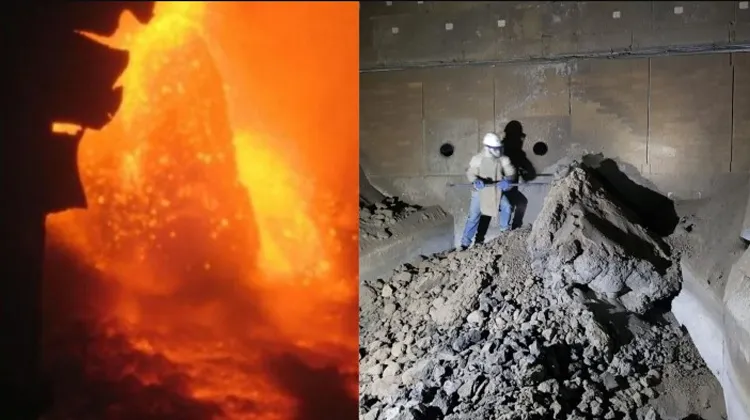
In modern dry-process cement production lines, the stable operation of the rotary kiln system plays a decisive role in clinker quality, energy consumption and equipment lifetime. However, in many cement plants around the world, a typical and troublesome phenomenon is frequently encountered — the so-called “snowman” formation in cement kilns.
The “snowman” refers to a massive build-up of sticky, semi-molten clinker material, usually formed near the kiln outlet or at the cooler inlet. Once it starts growing, it can seriously block material flow and air circulation, and in severe cases, even force the kiln to shut down, causing significant economic losses.
Understanding the formation mechanism of kiln snowman and adopting systematic preventive measures is therefore essential for stable and long-term kiln operation.
What Is Snowman Formation in a Rotary Cement Kiln?
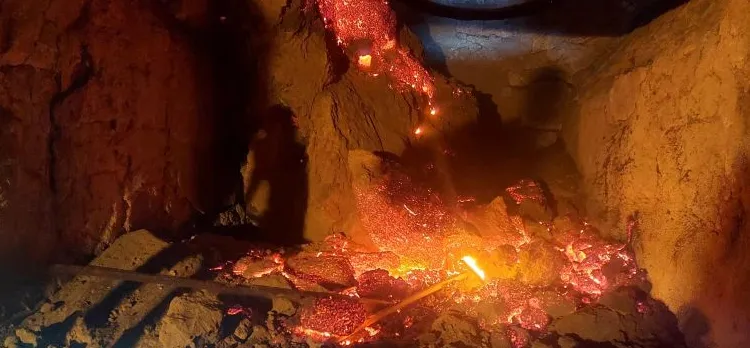
Snowman formation usually occurs at the kiln discharge zone or the grate cooler inlet area. When clinker at high temperature becomes abnormally sticky and starts adhering to refractory linings or steel structures, it gradually accumulates layer by layer. Over time, this build-up grows into a large, solid mass with a shape similar to a “snowman”, which is how it gets its name in the cement industry.
From a process perspective, the snowman phenomenon is an extreme form of coating and ring formation, but it is more dangerous because of its location and its rapid growth rate.
Main Causes of Snowman Formation in Cement Kilns
1. Excessive Liquid Phase in Clinker
When the chemical composition of raw meal fluctuates, especially with high contents of Fe₂O₃, Al₂O₃, alkalis or sulfur, the clinker may produce too much liquid phase in the burning zone. This excessive liquid phase significantly increases material stickiness, making clinker much more likely to adhere and accumulate at the kiln outlet or cooler inlet.
2. Unstable Kiln Thermal Conditions
If the kiln suffers from unstable flame shape, frequent temperature fluctuations, local over-burning or under-burning, the clinker discharged from the kiln may remain in a semi-molten and highly sticky condition. This is often the starting point for snowman core formation.
3. Insufficient Cooling Efficiency of the Grate Cooler
A well-functioning 格栅冷却器 should quench the clinker as quickly as possible. If the cooling air distribution is improper or the cooling capacity is insufficient, the clinker will stay too long in a high-temperature, high-viscosity state, greatly increasing the risk of snowman formation.
4. Improper Structural Design of Kiln Hood and Cooler Inlet

If there are dead zones, material accumulation corners, or poor flow paths in the kiln hood or cooler inlet design, these areas will naturally become ideal locations for initial build-ups. Once a small build-up forms, it will rapidly grow by continuously capturing fresh hot clinker.
Negative Impacts of Snowman on Cement Production
Once a snowman starts growing, it will severely block clinker flow and restrict cooling air circulation, leading to a dramatic drop in cooler efficiency. At the same time, poor ventilation will disturb the kiln thermal system, making combustion more unstable and further aggravating coating and ring problems.
In extreme cases, the snowman may completely block the clinker discharge, forcing an emergency kiln shutdown. This not only causes production losses, but may also lead to refractory damage and mechanical deformation of equipment.
Process-Oriented Measures to Prevent Snowman Formation
From a process control perspective, the most important measure is to maintain long-term stability of raw meal composition and kiln thermal conditions. By strictly controlling harmful components and stabilizing the liquid phase formation, the risk of abnormal clinker stickiness can be significantly reduced.
At the same time, optimizing cooler air distribution, air volume and pressure balance is crucial to ensure rapid and efficient clinker cooling, which is one of the most effective ways to suppress snowman formation.
Engineering and Equipment-Based Systematic Solutions
Based on long-term experience in cement engineering and equipment manufacturing, Lafarge (Jiangsu Lafarge International Engineering Group) believes that the snowman problem is not merely an operational issue, but rather a system engineering issue.
Effective solutions usually include:
Adopting high-efficiency grate cooler designs with optimized inlet transition structures;
Optimizing kiln hood and clinker chute structures to eliminate material dead zones;
Installing intelligent control systems to monitor kiln and cooler conditions in real time and detect abnormal trends early;
Applying mechanical cleaning or anti-build-up devices to prevent small accumulations from developing into serious snowman problems.
Conclusion: Solving the Snowman Problem with a System Engineering Approach
Although snowman formation appears to be a local build-up issue, in essence, it reflects a system mismatch between raw mix design, thermal operation, cooling efficiency and equipment structure. Only by optimizing all these aspects together can long-term, stable and efficient kiln operation be achieved.
Jiangsu Lafarge International Engineering Group, with its strong background in cement process engineering and equipment supply, is committed to providing integrated solutions covering process optimization, technical upgrading and complete equipment supply, helping cement plants worldwide achieve safer, more stable and more energy-efficient production.


 Chinese
  English
  Russian
  Arabic
  Vietnamese
  Spanish
  French
  Portuguese
  Japanese