



In modern industrial systems, zinc is one of the most essential yet often underestimated metals. From steel corrosion protection to automotive manufacturing, from construction infrastructure to energy storage systems, zinc plays a foundational role in keeping global industry running smoothly.
Without zinc, steel structures would corrode rapidly, industrial equipment would fail sooner, and maintenance costs across infrastructure systems would increase dramatically. This is why zinc is often referred to as:
“The Lifeblood of Industry”
However, in mining and metallurgy, the key question is not only what zinc is used for, but more importantly:
How is zinc efficiently extracted from zinc ore?
To fully understand zinc extraction, we need to explore its origin, properties, ore types, industrial applications, and processing methods in detail.
1. Interesting Origin of the Name Zinc
The word “zinc” has a fascinating linguistic history.
- The term is believed to originate from the German word “zinke”, meaning “tooth” or “point,” referring to the sharp crystalline structure of zinc metal
- Another theory traces it back to the Persian word “sing”, meaning “stone”
The modern naming of zinc was formalized in the early 1500s by Swiss physician Paracelsus, who was among the first to describe zinc as a distinct metal.
This historical background shows that zinc has been recognized for centuries, long before modern industrial applications were developed.
2. What Is Special About Zinc?
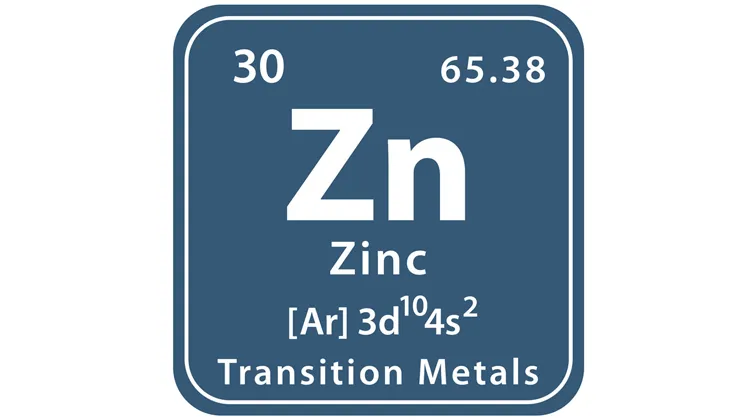
Zinc has a unique combination of physical and chemical properties that make it highly valuable in industrial applications.
Physical Properties
- Chemical symbol: Zn
- Appearance: bluish-silver metal
- Mohs hardness: approximately 2.5
Industrial Characteristics
Zinc is widely used because it offers:
- Excellent corrosion resistance
- Strong casting ability
- Good wear resistance
- Improved ductility at around 100°C
- Easy alloy formation with other metals
Industrial Importance
Zinc holds a significant position in global metal consumption:
- Fourth most widely consumed metal in the world
- Third most important non-ferrous metal after aluminum and copper
This makes zinc not just a supporting material, but a core industrial resource.
3. What Ore Is Zinc Extracted From?
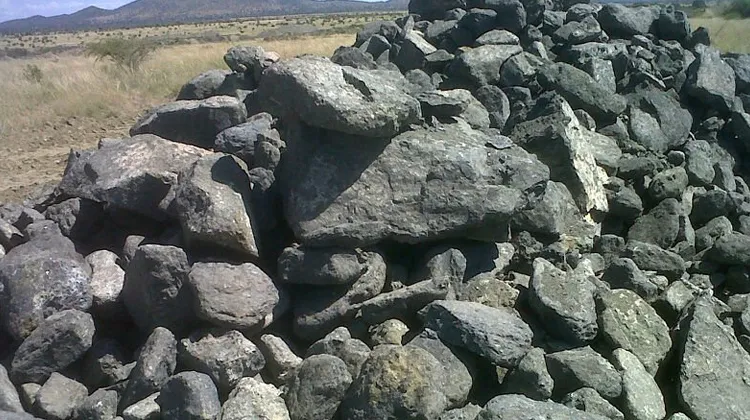
Zinc does not exist in pure form in nature. It is extracted from different types of zinc-bearing ores.
Main Zinc Ores
1. Sphalerite (ZnS)
- The most important zinc ore globally
- Contains approximately 67.1% zinc
- Often associated with lead and silver minerals
- Primary source of commercial zinc production
2. Smithsonite (ZnCO₃)
- A zinc carbonate mineral
- Common in oxidized ore zones
- Sometimes used as a semi-precious mineral
3. Hemimorphite
- Found in oxidized zones of zinc-lead deposits
- Important secondary zinc mineral
4. Hydrozincite
- A secondary mineral formed from weathering processes
- Often found in surface ore deposits
4. Where Is Zinc Found in the World?
Zinc resources are unevenly distributed globally.
Global Zinc Reserves
- Estimated total reserves: ~250 million tons
Major Zinc-Producing Countries
The main zinc reserves are concentrated in a few key regions:
- Australia (~27% of global reserves)
- 中国
- 墨西哥
- 俄罗斯
Together, these four countries account for approximately 63% of global zinc reserves, making zinc a strategically important industrial resource.
5. Zinc Extraction Process

Extracting zinc from ore requires a multi-stage industrial process involving mechanical, physical, and chemical treatment.
Step 1: Crushing
Raw zinc ore is first reduced in size using crushing equipment such as:
The goal is to prepare the ore for further processing and improve downstream grinding efficiency.
Step 2: Grinding
Grinding is a critical step in zinc ore processing.
常用设备包括:
The main purpose of grinding is to liberate zinc minerals from surrounding waste rock. Particle size control at this stage directly influences flotation performance and recovery rates.
Step 3: Flotation
Flotation is the core separation process in zinc extraction.
The principle is based on differences in surface properties of minerals.
During flotation:
- Reagents selectively attach to zinc particles
- Air bubbles carry zinc minerals to the surface
- Waste materials remain in slurry form
Modern flotation systems typically use:
- Flotation cells
- Conditioning tanks
- Agitation systems
This stage determines both zinc recovery rate and concentrate quality.
Step 4: Concentrate Thickening and Filtration
After flotation, zinc concentrate still contains moisture and must be dewatered.
Equipment used includes:
- Thickeners
- 真空过滤器
- Filter presses
This step reduces transportation costs and prepares material for smelting.
Step 5: Roasting and Smelting
Zinc concentrate is converted into metal through metallurgical processes.
- Roasting converts zinc sulfide into zinc oxide
- Smelting extracts metallic zinc
Two main methods are used:
- Pyrometallurgy (high-temperature process)
- Hydrometallurgy (solution-based process)
Modern plants increasingly prefer hydrometallurgical methods due to higher efficiency and environmental performance.
Step 6: Electrolysis
In hydrometallurgical systems, zinc is finally recovered through electrolysis.
- Zinc ions are reduced into metallic zinc
- Final purity can exceed 99.95%
High-purity zinc is widely used in galvanizing, alloy production, and battery manufacturing.
6. What Is Zinc Used For?
Zinc has a wide range of industrial applications.
1. Galvanizing (~50%)
This is the largest application of zinc.
Used for:
- Steel corrosion protection
- Automotive manufacturing
- Construction structures
- Shipbuilding industry
Its main function is to prevent rust and extend steel lifespan.
2. Zinc Alloys (~13%)
Zinc is widely used in alloy production, such as brass (copper-zinc alloy).
应用领域包括:
- Mechanical components
- Die casting parts
- Precision manufacturing
3. Batteries
Zinc plays an important role in energy storage systems:
- Zinc-carbon batteries
- Zinc-air batteries
- Zinc-ion batteries (emerging technology)
4. Zinc Oxide (~9%)
Zinc oxide is widely used in:
- Rubber industry
- Paint manufacturing
- Sunscreen products
- Pharmaceutical applications
5. Human Health
Zinc is an essential trace element for the human body.
It is often called:
“The Element of Life”
It plays a key role in immune function, metabolism, and growth.
7. Why Zinc Is So Important in Industry
Zinc is not just valuable because of its applications, but because of its protective function in modern infrastructure.
Without zinc:
- Steel structures would corrode quickly
- Maintenance costs would increase significantly
- Industrial equipment lifespan would decrease
Zinc effectively acts as an invisible protective layer for global infrastructure systems.
8. 结论
Zinc is far more than just a metal. It is a fundamental material that supports modern industrial civilization.
From construction and automotive manufacturing to energy storage and infrastructure protection, zinc plays a critical role in nearly every industrial sector.
At the same time, efficient zinc ore processing technologies directly determine:
- Resource utilization efficiency
- Production cost
- 能源消耗
- 环境影响
In today’s industrial landscape, zinc is not just an element—it is a strategic resource that supports global economic development.
FAQs about Zinc Ore & Zinc Industry
1. What makes sphalerite different from other zinc ores?
Sphalerite is unique because it is a sulfide mineral with a relatively high zinc content (around 67%). Unlike oxide zinc ores such as smithsonite or hemimorphite, sphalerite requires flotation-based beneficiation before smelting. This makes its processing route more complex but also more economically important, as it represents the primary global source of industrial zinc production.
2. Why do zinc processing plants require both grinding and classification systems?
Grinding alone is not enough to ensure efficient zinc recovery. After grinding, classification systems such as hydrocyclones or spiral classifiers are used to separate particles by size. This ensures that only properly liberated particles enter the flotation stage. Without classification, overground particles can reduce flotation efficiency and increase reagent consumption.
3. How does ore grade affect zinc mining profitability?
Ore grade directly determines how much zinc can be economically extracted from raw material. High-grade ore requires less processing energy and chemical input, while low-grade ore demands more intensive grinding and flotation. As global high-grade deposits decline, modern zinc plants increasingly rely on advanced beneficiation technologies to maintain profitability.
4. What role do flotation reagents play in zinc separation?
Flotation reagents are chemicals that selectively modify the surface properties of minerals. In zinc flotation, collectors, frothers, and activators are carefully dosed to enhance zinc mineral attachment to air bubbles while suppressing unwanted gangue minerals. Proper reagent control significantly improves zinc recovery rate and concentrate quality.
5. Why is zinc demand increasing in renewable energy industries?
Zinc demand is growing because it is increasingly used in energy storage technologies such as zinc-air and zinc-ion batteries. These systems are considered safer and more environmentally friendly alternatives to lithium-based batteries in certain applications. In addition, zinc-coated steel is widely used in wind turbines and solar infrastructure, further increasing demand.
6. What is the biggest challenge in modern zinc ore processing plants?
One of the biggest challenges is the declining quality of ore deposits. Lower ore grades require more energy-intensive grinding and more precise flotation control. Another challenge is managing fine particles (slimes), which can negatively affect separation efficiency. This is why modern plants are investing heavily in automation, particle size monitoring, and intelligent control systems.
7. Can zinc be recycled from industrial waste?
Yes, zinc is highly recyclable. A significant portion of zinc used in construction and steel galvanizing can be recovered and reused without major loss of quality. Recycling zinc reduces energy consumption compared to primary production and plays an important role in sustainable metal supply chains.
8. Why is process optimization more important than equipment selection in zinc plants?
While equipment selection is important, process optimization often has a greater impact on overall plant performance. Factors such as grinding fineness, flotation timing, reagent dosage, and particle size distribution directly influence recovery rates and operating costs. Even with advanced equipment, poor process control can significantly reduce efficiency.


 Chinese
  English
  Russian
  Arabic
  Vietnamese
  Spanish
  French
  Portuguese
  Japanese