



Coal is one of the most important fossil fuels in the world and continues to support major industries such as electricity generation, steel manufacturing, cement production, and chemical processing. Although renewable energy sources are developing rapidly, coal remains a reliable and widely used energy resource. Understanding the origin of coal, its composition, mining methods, and industrial applications helps industry professionals and buyers better understand the coal industry.
Below are ten important facts about coal that provide a complete overview of this essential energy resource.
1. The Origin and Formation of Coal
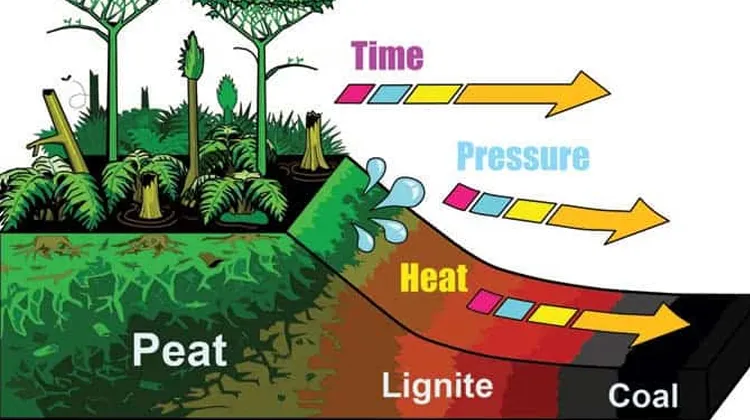
Coal is a natural fossil fuel that formed from ancient plant materials buried deep underground over millions of years. The formation of coal is a slow geological process that requires specific environmental conditions including pressure, heat, and time.
Ancient Plant Material Accumulation
Millions of years ago, large swamp forests covered many parts of the Earth. When plants and trees died, they accumulated in waterlogged environments where oxygen levels were low. Because decomposition was incomplete, organic materials gradually built up and formed thick layers of plant debris.
Over time, these organic deposits became the foundation for future coal seams. This process explains why coal deposits are often found in sedimentary basins.
Geological Pressure and Heat Transformation
As layers of sediment continued to accumulate above the plant material, pressure and temperature increased. These geological forces caused chemical and physical changes in the organic material.
Peat gradually transformed into lignite, then into bituminous coal, and finally into anthracite. This process is known as coalification and determines the quality and energy value of coal.
Distribution of Coal Deposits
Coal deposits are found in many regions of the world and can occur at different depths. Some coal seams are located near the surface and can be mined economically using surface mining methods, while others require deep underground mining operations.
The depth and thickness of coal seams influence mining methods and production costs.
2. Different Types and Grades of Coal
Coal is classified into different types based on carbon content, calorific value, and physical properties. Each type of coal has specific industrial applications and economic value.
Lignite
Lignite is the lowest rank of coal and is often referred to as brown coal. It has high moisture content and relatively low carbon concentration. Because of its low heating value, lignite is usually consumed near the mining area.
Lignite is commonly used in power plants located close to mines where transportation costs can be minimized.
Sub-bituminous Coal
Sub-bituminous coal has lower moisture content and higher energy value than lignite. It is widely used in electricity generation because it burns efficiently and produces moderate emissions.
Many large power stations rely on sub-bituminous coal as a stable and economical fuel source.
Bituminous Coal
Bituminous coal is the most widely used type of coal in industrial production. It has good combustion characteristics and relatively high energy content.
This type of coal is commonly used in steel production and cement manufacturing because it provides stable heat and consistent performance.
Anthracite
Anthracite is the highest rank of coal and contains the highest carbon content. It burns with a clean flame and produces less smoke compared to other coal types.
Anthracite is often used in specialized industrial applications and high-quality heating systems.
3. Chemical Composition of Coal
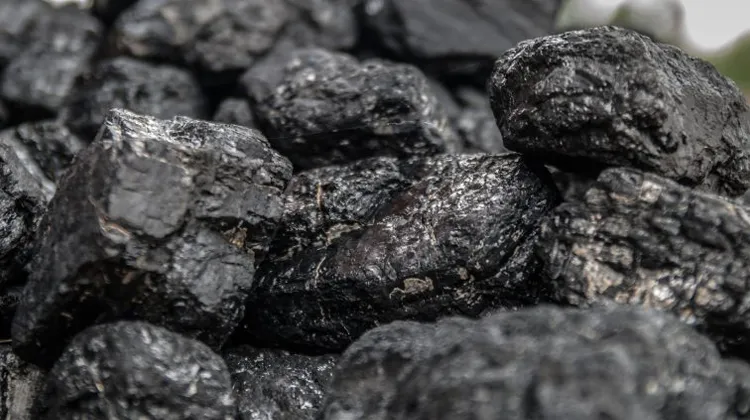
Coal contains both organic and inorganic materials. The chemical composition of coal determines its heating value, combustion behavior, and environmental impact.
Carbon Content
Carbon is the main component of coal and is responsible for energy generation during combustion. The carbon content of coal varies depending on coal rank and geological history.
Higher carbon content usually indicates higher heating value and more efficient fuel performance.
Volatile Matter and Gases
Coal contains volatile compounds that are released when coal is heated. These gases influence ignition temperature and combustion stability.
Different coal types contain different levels of volatile matter, which affects industrial furnace performance.
Mineral Matter and Ash Content
Coal also contains mineral impurities such as silica, alumina, iron compounds, and calcium minerals. These materials remain as ash after coal combustion.
High ash content reduces fuel efficiency and increases maintenance requirements in industrial equipment.
Sulfur Content
Sulfur is another important component found in coal. High sulfur levels can lead to increased emissions during combustion.
Low-sulfur coal is generally preferred in modern industrial applications because it helps reduce environmental impact.
Typical Chemical Composition of Coal
| Component | Lignite | Bituminous | Anthracite |
|---|---|---|---|
| Carbon (%) | 60–70 | 75–85 | 85–95 |
| Hydrogen (%) | 4–6 | 5–6 | 5–6 |
| Oxygen (%) | 20–30 | 10–15 | 5–10 |
| Nitrogen (%) | 1 | 1–2 | 1–2 |
| Sulfur (%) | 0.5–2 | 0.5–3 | 0.5–1 |
| Ash (%) | 5–15 | 5–20 | 5–10 |
| Moisture (%) | 30–40 | 15–20 | 5–10 |
4. Important Facts About Coal Mining
Coal mining is one of the largest mining activities worldwide and involves complex engineering and equipment systems.
Surface Mining
Surface mining is used when coal seams are located close to the ground surface. The process involves removing soil and rock layers to expose coal seams.
Surface mining provides high production rates and lower operating costs compared to underground mining.
Underground Mining
Underground mining is required when coal seams are located deep below the surface. This method involves constructing shafts and tunnels to reach coal deposits.
Underground mining requires advanced ventilation systems and strict safety management.
Modern Mining Equipment
Modern coal mines rely heavily on mechanical equipment such as crushers, conveyors, feeders, and screening machines.
These machines improve productivity and allow continuous coal handling and transportation.
5. Key Minerals in Coal Production
Coal deposits usually contain associated minerals that influence coal quality and processing efficiency.
Quartz
Quartz is one of the most common minerals found in coal. It contributes to ash content and can increase equipment wear during coal processing.
Pyrite
Pyrite is an iron sulfide mineral commonly found in coal seams. It increases sulfur content and can affect combustion emissions.
Removing pyrite during coal washing helps improve coal quality.
Clay Minerals
Clay minerals are often present in coal deposits and can affect coal washing efficiency.
High clay content may increase slurry viscosity and reduce separation performance in washing plants.
6. Coal Processing Steps
Coal processing is necessary to improve coal quality and prepare coal for industrial use.
Crushing
Coal crushing reduces large coal blocks into smaller particles suitable for handling and processing.
Proper crushing improves transportation efficiency and ensures consistent particle size.
Screening
Screening systems separate coal into different size ranges according to industrial requirements.
Different coal sizes are used for different industrial applications.
Coal Washing
Coal washing removes impurities such as rocks and mineral matter through density separation methods.
Clean coal has higher heating value and lower ash content.
7. Wide Applications of Coal
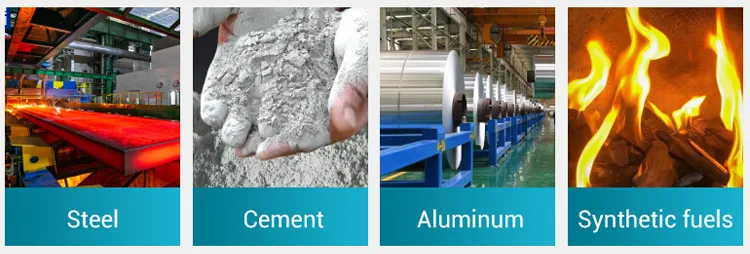
Coal is widely used in multiple industries and remains a major industrial energy source.
Power Generation
Coal-fired power plants produce a large portion of the world’s electricity supply.
Coal provides stable base-load energy for many countries.
Steel Production
Coking coal is used to produce coke, which is an essential material in blast furnace steelmaking.
Steel production depends heavily on coal resources.
Cement Manufacturing
Coal is widely used as fuel in cement kilns where high and stable temperatures are required.
Cement plants rely on coal because of its cost efficiency and stable combustion properties.
Chemical Industry
Coal can be converted into chemical products such as methanol and ammonia.
Coal-based chemicals remain important in industrial production.
8. Is Coal Renewable?

Coal is classified as a non-renewable energy resource.
Long Formation Period
Coal formation requires millions of years of geological processes.
This makes coal fundamentally different from renewable energy sources.
Limited Resource
Although global coal reserves are large, coal resources are finite and cannot be replenished within human timescales.
Future Energy Role
Coal is expected to remain an important energy source for decades, especially in developing countries.
9. Global Coal Production
Coal production is concentrated in several major mining regions.
Major Producing Countries
China is the largest coal producer in the world, followed by India and Indonesia.
These countries supply a significant portion of global coal demand.
Major Exporters
Australia and the United States are major coal exporters supplying international markets.
Market Demand
Coal demand is strongly linked to industrial growth and electricity consumption.
10. Coal Prices and Market Trends
Coal prices fluctuate depending on global market conditions.
Supply and Demand
Coal prices are mainly influenced by production levels and industrial demand.
Transportation Costs
Transportation costs are a major factor in coal pricing because coal is a bulk commodity.
Market Fluctuations
Coal prices may change significantly due to economic conditions and energy policies.
Conclusion
Coal remains a key energy resource worldwide, essential for power generation, steel, cement, and chemical industries. Understanding its types, composition, mining, and processing helps industries use coal more efficiently. Modern mining and processing technologies make production safer and more productive, supporting global industrial demand.


 English
  Russian
  Arabic
  Vietnamese
  Spanish
  French
  Portuguese
  Japanese
  Chinese