



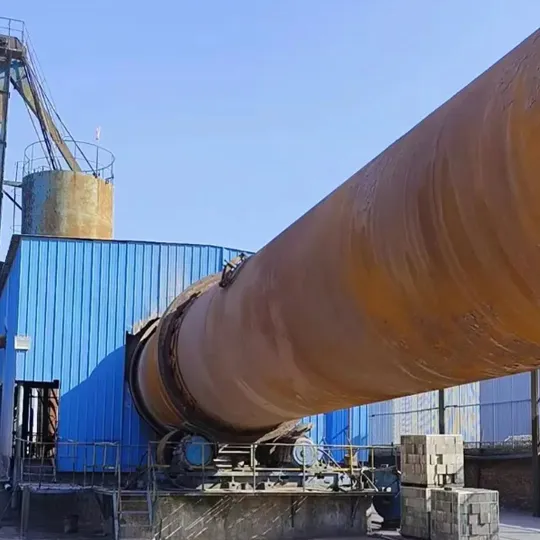
What Is Rotary Kiln?
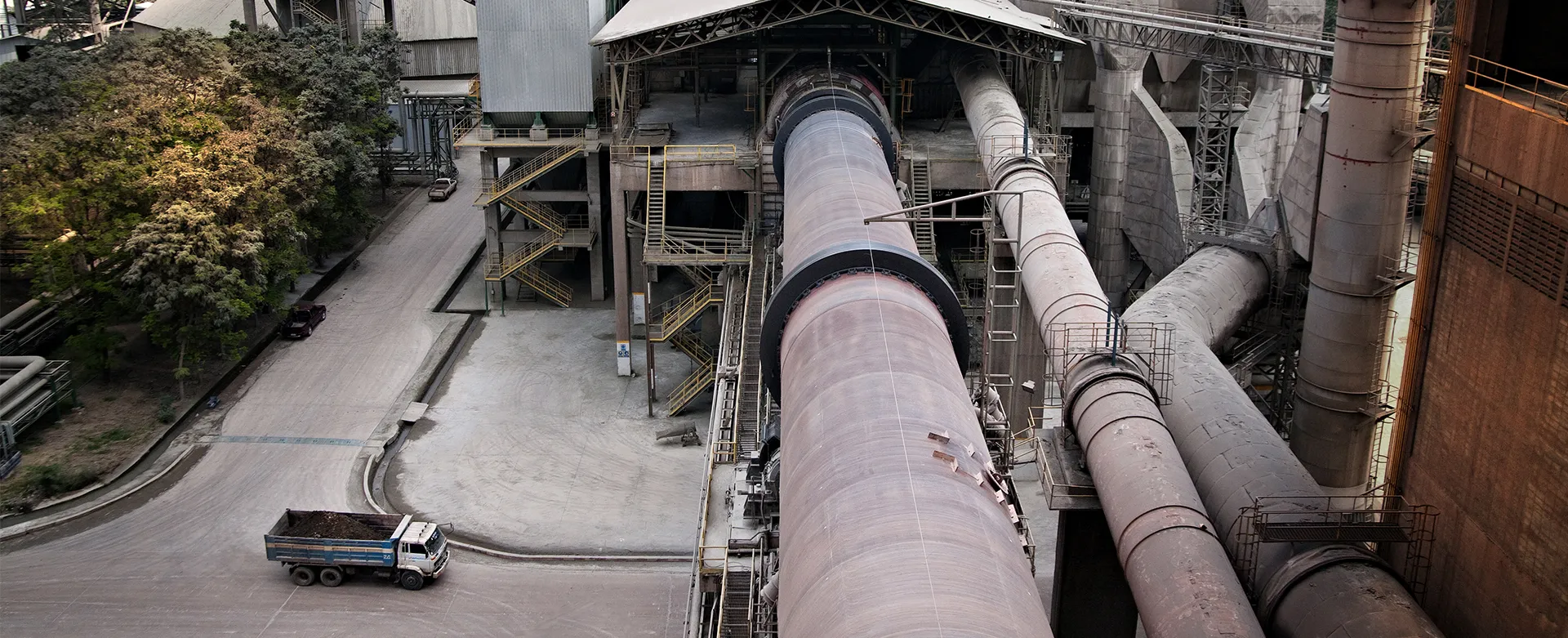
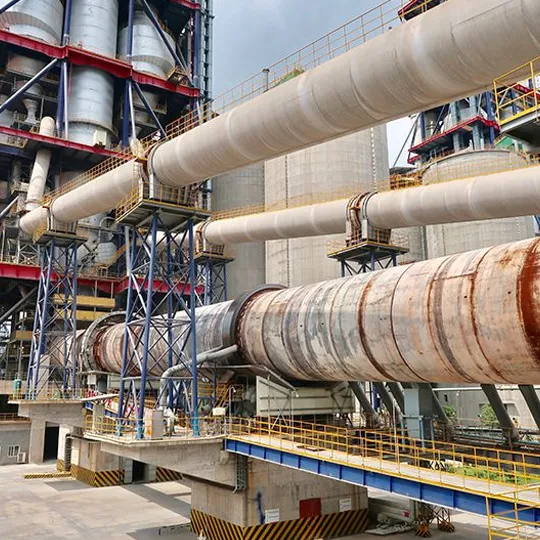
A rotary kiln is a large rotating cylinder furnace used for heating, reacting, or calcining materials at high temperatures. It serves as a core piece of equipment in industries such as cement, lime, and metallurgy. The kiln body is slightly inclined and rotates slowly, allowing materials to move from the top to the bottom under the combined effects of gravity and rotation. During this process, the materials undergo stages including drying, heating, calcination, and cooling.
In cement production, the rotary kiln primarily serves to calcine clinker, transforming raw materials into clinker at temperatures ranging from approximately 1350 to 1450°C. Additionally, it finds extensive application in lime calcination, metal ore roasting, and solid waste treatment, making it one of the most versatile thermal processing units in the building materials industry.
Rotary Kiln Working Principle
The rotary kiln is a continuously operating thermal processing equipment. Raw materials enter from the top of the kiln body and gradually move toward the lower end under the combined effects of gravity and rotation as the kiln slowly turns.
The main burner at the kiln tail generates high-temperature flames to provide heat for calcination. Simultaneously, secondary air from the preheater or cooler enters the kiln, enhancing combustion efficiency and enabling heat recovery. Within the cylinder, materials are uniformly heated and react to produce clinker or other products.
By controlling the kiln’s inclination angle, rotation speed, and temperature profile, optimal residence time and heat transfer efficiency are ensured, enabling efficient and stable production. The entire system can be equipped with automatic temperature control, real-time monitoring, and energy-saving control systems to guarantee continuous and safe operation.

Rotary Kiln for Sale
Lafa offers a wide range of rotary kilns for diverse applications across cement, lime, metallurgy, chemical, and solid waste treatment industries. We provide customized design solutions tailored to varying production capacities and process requirements, meeting high-temperature calcination demands across multiple sectors.

Used for clinker production in cement plants, it converts raw materials into high-quality clinker at high temperatures and serves as the core equipment in cement plants.

Designed for quicklime production, this kiln provides uniform calcination and high activity lime for steel and chemical industries.
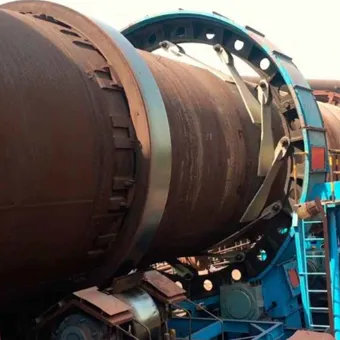
Used in the direct reduction of iron ore to produce sponge iron (DRI), with precise temperature control and continuous operation.
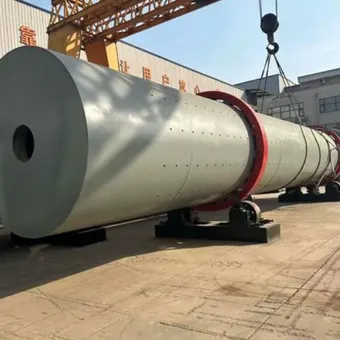
Activating carbon materials under controlled atmosphere and temperature conditions to enhance their adsorption properties.

Used for sintering and calcining bauxite to produce high-alumina refractory materials with stable performance.

Applied for calcining gypsum into building plaster (plaster of Paris) with uniform heat distribution and energy efficiency.

A compact, energy-saving alternative to rotary kilns, suitable for small-scale lime and clinker production.
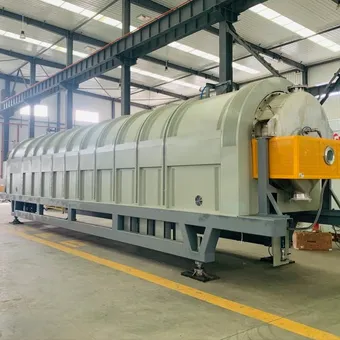
Powered by electricity instead of fossil fuels, it offers clean, controllable heating for laboratory or small industrial applications.

Suitable as a laboratory rotary kiln for small-batch experimental production, featuring flexible temperature control, quick installation, and cost-effective practicality.

Heated externally through the kiln shell, ideal for materials that cannot contact combustion gases directly, such as fine powders or chemicals.

Compact rotary kiln with a daily output of 100 tons, ideal for small or pilot-scale production plants.
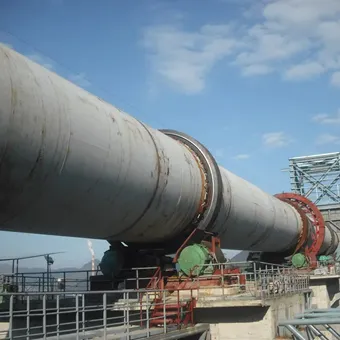
Medium-scale rotary kiln designed for 350 tons per day output, balancing production efficiency and energy consumption.
Rotary Kiln Process and Design
The process and design of the rotary kiln form the core of the entire calcination system. A well-designed structure and precise process control not only ensure uniform heating and thorough reaction of the material but also effectively reduce energy consumption and extend equipment lifespan.
Rotary Kiln Process
The heating chamber of the rotary kiln is a slightly inclined, elongated cylinder that continuously rotates during operation. Material is continuously fed from the elevated inlet end. Driven by the cylinder’s rotation, it slowly rolls down the inner wall of the kiln, undergoing thorough heat exchange and chemical reactions within the heating zone. Finally, the processed material discharges from the opposite end into the receiving hopper. Depending on the required operating temperature, the rotary kiln cylinder can be constructed from high-temperature-resistant metal alloys or ceramic materials to ensure system durability and thermal stability.
Rotary Kiln Design Requirements
The design of a rotary kiln depends on production process parameters and material properties, employing scientific calculations to ensure stable equipment operation and high thermal efficiency. Key design factors include:
- Production Rate: Determines kiln dimensions and heat transfer area based on hourly output, ensuring capacity aligns with thermal processing requirements.
- Bulk Density: Material density influences kiln loading and rotational speed design, serving as a critical factor in determining cylinder strength and power configuration.
- Angle of Repose: The angle of repose determines material movement characteristics within the kiln, directly affecting the kiln’s inclination angle and internal material flow velocity.
- Maximum Operating Temperature: Select appropriate cylinder materials (high-temperature metal alloys or ceramic materials) based on process temperature requirements to ensure thermal resistance and safety.
- Retention Time: Dwell time in high-temperature environments impacts reaction completeness and firing effectiveness, serving as a critical parameter for controlling product quality.
Why Choose Lafa's Rotary Kilns?
By choosing our rotary kilns, you gain not only high-quality equipment but also comprehensive technical support and innovative solutions. Leveraging our robust manufacturing capabilities, professional R&D team, and optimized low-cost solutions, we deliver tailor-made rotary kiln systems to maximize your production efficiency while minimizing operational costs.
- Production and Manufacturing Capacity
We operate a standardized manufacturing facility spanning over 100,000 square meters, equipped with advanced production machinery capable of producing more than 200 rotary kiln systems annually. Our production line incorporates processes such as CNC cutting, welding, and heat treatment to ensure high-quality manufacturing. We also employ non-destructive testing techniques and strict quality control to guarantee the durability and stability of our rotary kilns. Our equipment is certified to ISO9001 and CE standards, meeting international requirements.
- R&D Capability
Our R&D team comprises experienced thermal and mechanical engineers who design customized rotary kiln systems tailored to diverse requirements. We independently developed energy-saving preheaters and three-stage combustion chambers, significantly enhancing equipment efficiency. Additionally, our rotary kilns feature intelligent temperature control systems and remote monitoring capabilities, ensuring stable and efficient production processes.
- Low-Cost Solutions
Through optimized design and efficient technologies, we have substantially reduced production and operational costs for rotary kilns. The intelligent control system enables precise temperature management and energy efficiency control, minimizing energy waste. Our rotary kilns not only conserve energy but also meet low-carbon and environmentally friendly production requirements, helping customers reduce costs and achieve sustainable development.
Rotary Kiln Zones
The temperature zones within the rotary kiln play a crucial role in the thermal processing of materials. Typically, the rotary kiln is divided into the following primary temperature zones, each performing specific physical and chemical reactions:
- Preheating Zone: In the preheating zone of the rotary kiln, the material temperature gradually increases from a lower starting point, typically ranging between 200°C and 800°C. This stage primarily removes moisture from the material through contact with hot gas streams and initiates preliminary chemical reactions, preparing it for subsequent high-temperature processing.
- Transition Zone: The transition zone operates at temperatures between 800°C and 1000°C, serving as the intermediate stage between preheating and high-temperature combustion. Here, the chemical composition of the material begins to change, particularly with the decomposition of carbonates, laying the groundwork for the primary chemical reactions in the combustion zone.
- Burning Zone: The Burning Zone is the hottest section of the rotary kiln, typically ranging from 1000°C to 1450°C. Here, the material undergoes its most critical chemical reactions—such as cement clinker formation or lime calcination—ultimately producing the desired end product. High-temperature burners supply the necessary heat for these reactions.
- Cooling Zone: Located at the rear end of the rotary kiln, the cooling zone maintains temperatures between 200°C and 400°C. Materials that have undergone high-temperature reactions gradually cool down in this zone, reducing residual heat. This process not only stabilizes product quality but also lowers the operating temperature of the equipment, ensuring safe operation.


Rotary Kiln Systems
The rotary kiln system is a complex assembly of equipment that processes materials at high temperatures to accomplish various industrial processes, such as cement production and lime calcination. A rotary kiln system typically consists of the following core components:
- Rotary Kiln Shell: This is the main body of the rotary kiln, responsible for heating and reacting the materials. The kiln shell is usually constructed from high-temperature-resistant steel or ceramic materials, rigorously engineered to ensure stable operation under extreme heat conditions.
- Burner System: The burner system provides the high temperatures required for the kiln by combusting fuels like coal or natural gas to heat the materials. The design and configuration of the burners directly impact temperature uniformity within the kiln and energy consumption.
- Feeding System: Materials enter the rotary kiln through the feeding system, ensuring uniform and continuous material supply. The feeding system is customized based on material properties and production requirements to guarantee smooth process flow.
- Cooling System: The rotary kiln generates significant heat during operation. The cooling system is responsible for lowering the temperature of the calcined materials to ensure product quality and prevent equipment overheating. It typically includes cooling coils and air cooling devices.
- Drive System: The drive system uses motors and reducers to rotate the kiln cylinder, maintaining optimal rotational speed. This is critical for material flow and chemical reactions.
- Sealing System: The kiln’s sealing system prevents heat loss and material leakage. Common seals include draft rings and air sealing devices, ensuring thermal efficiency and environmental compliance.
- Control System: The control system monitors and regulates parameters such as temperature, feed rate, and combustion intensity. Modern rotary kilns typically incorporate automated control systems for precise adjustment and remote monitoring, ensuring stable and safe production processes.
Parts of Rotary Kiln
The efficient and stable operation of a rotary kiln relies on the precise coordination of its core components. Whether it’s the load-bearing and transmission structures or the high-temperature resistant protection systems, each part plays a crucial role in ensuring continuous and safe equipment operation. Understanding these key components will help you better grasp the performance, maintenance, and optimization directions of the rotary kiln.

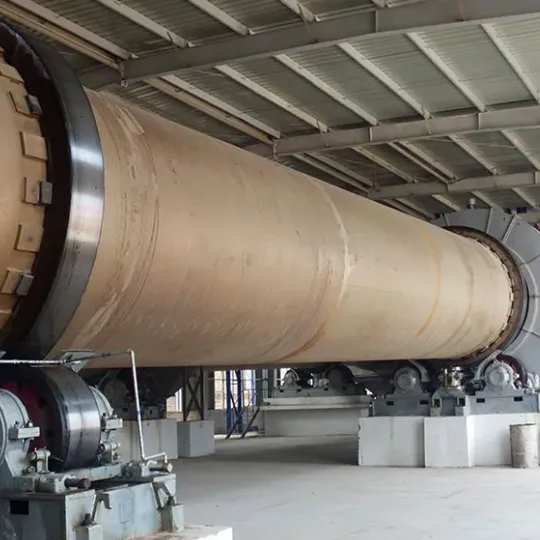
The kiln shell is the main body of the rotary kiln, made of high-strength steel plates through automatic welding. It provides a solid structure to withstand high temperatures and rotational stress. The shell’s roundness and straightness are strictly controlled to ensure smooth material movement and stable operation.

The girth gear drives the kiln’s rotation together with the pinion and motor. Made from high-quality alloy steel and precisely machined, it ensures efficient power transmission and stable motion. Proper alignment and lubrication of the girth gear are essential for long-term performance.

The refractory lining protects the shell from high-temperature damage and retains heat inside the kiln. Different refractory materials are selected based on the process temperature and feed characteristics, ensuring durability, reduced heat loss, and consistent product quality.

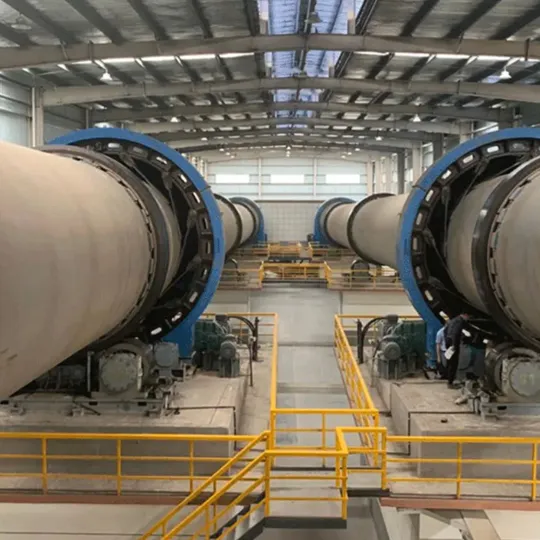
Support rollers carry the weight of the kiln and allow smooth rotation. They are made of wear-resistant steel and mounted on heavy-duty bearings. Accurate alignment between rollers and the kiln shell prevents uneven load distribution and extends equipment life.

The kiln tyre, also known as the riding ring, is installed around the shell to support and distribute the load evenly to the support rollers. It allows slight expansion of the shell under high temperature while maintaining structural stability. Proper contact between tyre and roller is key to minimizing wear and vibration.
Comprehensive Rotary Kiln Service & Maintenance Solutions
To ensure the long-term stable and efficient operation of rotary kiln systems, Lafa not only provides high-quality equipment but also offers comprehensive technical support and maintenance services. From project design, installation, and commissioning to subsequent maintenance and upgrades, we deliver full-lifecycle solutions to help you reduce energy consumption, extend equipment lifespan, and maintain consistent production performance and competitiveness.
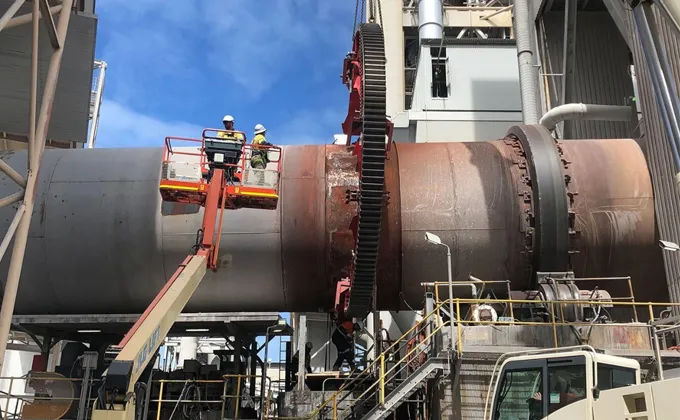
As a professional supplier of high-temperature process systems, Lafa provides customers with one-stop services ranging from equipment design and process testing to installation and commissioning. Our comprehensive testing center conducts experimental validation under various material and temperature conditions, ensuring the scientific design and efficient operation of every rotary kiln system.
During project construction, we provide on-site installation and commissioning guidance to facilitate smooth system startup. Additionally, we deliver operational training and technical support to ensure your team can independently and safely operate the equipment. Whether for new construction or retrofitting existing lines, Lafa delivers highly reliable, energy-efficient system solutions.

To ensure the long-term stable operation of rotary kilns, we provide comprehensive maintenance and technical support services. Our team conducts regular equipment inspections, condition assessments, and system optimizations to maintain peak performance.
We also provide retrofitting services including critical component replacement, refractory lining repairs, and combustion system upgrades to help customers enhance energy efficiency and extend equipment lifespan. Additionally, we support the transition to clean energy systems such as hydrogen combustion, oxygen-enriched combustion, or electric heating based on your requirements, helping achieve energy-saving and sustainable production goals.

More About Our Rotary Kiln Machine
By exploring rotary kiln specifications and real project examples, you can gain a clear understanding of different models’ performance, application scenarios, and practical results. The purpose is to help you quickly grasp key information for evaluating equipment or planning your production line.
- Rotary Kiln Specifications
- Global Rotary Kiln Project Cases
The specifications and technical parameters of rotary kilns vary according to different materials, process flows, and production requirements. Whether used for cement clinker, lime calcination, or processing materials like sponge iron and bauxite, proper sizing and configuration are crucial for ensuring production efficiency and product quality. We offer a range of specifications from small pilot kilns to large industrial kilns tailored to your specific needs, with support for customized designs.
| Rotary Kiln Specifications Specifications (m) | Diameter (m) | Length (m) | Slope (%) | Output (t/d) | Speed (r/min) | Motor power (kw) | Total weight (t) |
|---|---|---|---|---|---|---|---|
| Φ2.5×40 | 2.5 | 40 | 3.5 | 180 | 0.44-2.44 | 55 | 149.61 |
| Φ2.5×50 | 2.5 | 50 | 3 | 200 | 0.62-1.86 | 55 | 187.37 |
| Φ2.5×54 | 2.5 | 54 | 3.5 | 280 | 0.48-1.45 | 55 | 196.29 |
| Φ2.7×42 | 2.7 | 42 | 3.5 | 320 | 0.10-1.52 | 55 | 198.5 |
| Φ2.8×44 | 2.8 | 44 | 3.5 | 450 | 0.437-2.18 | 55 | 201.58 |
| Φ3.0×45 | 3 | 45 | 3.5 | 500 | 0.5-2.47 | 75 | 201.94 |
| Φ3.0×48 | 3 | 48 | 3.5 | 700 | 0.6-3.48 | 100 | 237 |
| Φ3.0×60 | 3 | 60 | 4 | 800 | 0.3-2 | 100 | 310 |
| Φ3.2×50 | 3.5 | 50 | 4 | 1000 | 0.6-3 | 125 | 278 |
| Φ3.3×52 | 3.3 | 52 | 3.5 | 1300 | 0.266-2.66 | 125 | 283 |
| Φ3.5×54 | 3.5 | 54 | 3.5 | 1500 | 0.55-3.4 | 220 | 363 |
| Φ3.6×70 | 3.6 | 70 | 3.5 | 1800 | 0.25-1.25 | 125 | 419 |
| Φ4.0×56 | 4 | 56 | 4 | 2300 | 0.41-4.07 | 315 | 456 |
| Φ4.0×60 | 4 | 60 | 3.5 | 2500 | 0.396-3.96 | 315 | 510 |
| Φ4.2×60 | 4.2 | 60 | 4 | 2750 | 0.41-4.07 | 375 | 633 |
| Φ4.3×60 | 4.3 | 60 | 3.5 | 3200 | 0.396-3.96 | 375 | 583 |
| Φ4.5×66 | 4.5 | 66 | 3.5 | 4000 | 0.41-4.1 | 560 | 710.4 |
| Φ4.7×74 | 4.7 | 74 | 4 | 4500 | 0.35-4 | 630 | 849 |
| Φ4.8×74 | 4.8 | 74 | 4 | 5000 | 0.396-3.96 | 630 | 899 |
| Φ5.0×74 | 5 | 74 | 4 | 6000 | 0.35-4 | 710 | 944 |
| Φ5.6×87 | 5.6 | 87 | 4 | 8000 | Max4.23 | 800 | 1265 |
| Φ6.0×95 | 6 | 95 | 4 | 10000 | Max5 | 950×2 | 1659 |
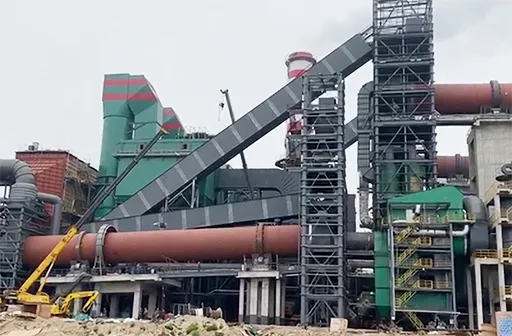
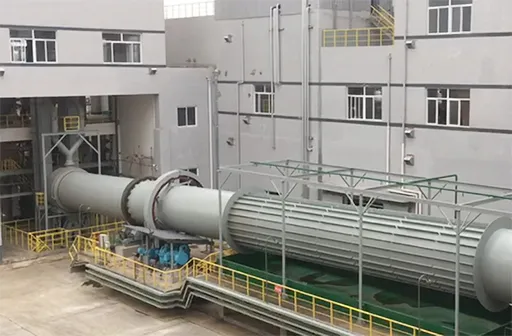
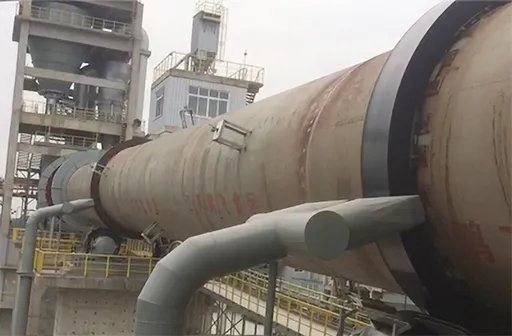
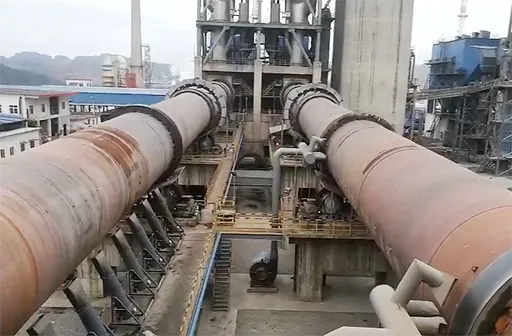
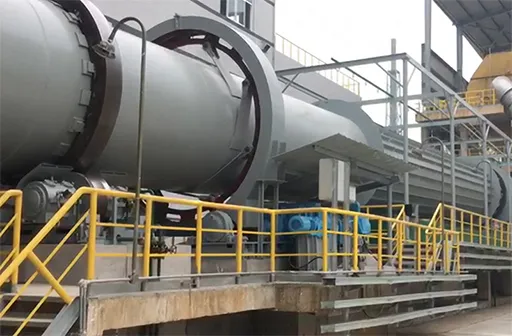
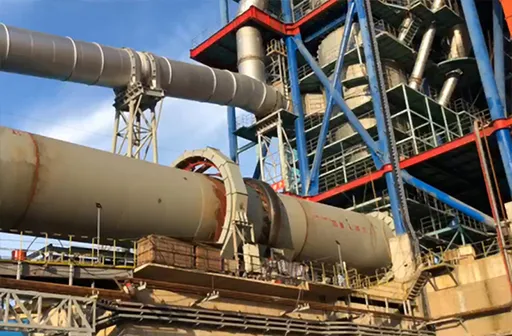
The following projects highlight our capability in delivering rotary kiln design, manufacturing, and technical support worldwide. Whether for new production lines or system upgrades, these cases demonstrate the quality and reliability you can expect from us as your professional equipment supplier.
5000 TPD Cement Clinker Production Line – Myanmar
We supplied a complete rotary kiln system for a 5000 TPD cement clinker line, including kiln shell fabrication, girth gear supply, burner system optimization, and preheater upgrades. The project improved clinker quality and reduced energy consumption by 8%.
3200 TPD Clinker Line Technical Upgrade – Laos
We carried out a full rotary kiln system upgrade, including refractory replacement, kiln shell section alignment, and kiln sealing improvement. After commissioning, production capacity increased by 12%.
1800 TPD New Clinker Production Line – DPR Korea
We delivered engineering design, equipment manufacturing, and on-site commissioning for the 1800 TPD rotary kiln system. The equipment operates stably under high-altitude and low-temperature conditions.
250 TPD Lime Rotary Kiln Project – Kazakhstan
A complete lime rotary kiln system was delivered with customized thermal design and optimized fuel system, achieving high active lime reactivity and consistent product quality.
100 TPD Sponge Iron Rotary Kiln – Uzbekistan
We supplied a 100 TPD rotary kiln with optimized refractory lining, improved heat distribution, and PLC control. The kiln achieved a high metallization rate and stable thermal efficiency.
Bauxite Rotary Kiln for Alumina Calcination – Vietnam
A rotary kiln was designed with precise retention time and uniform calcination, ensuring stable alumina quality and reduced fuel consumption.
Related Product
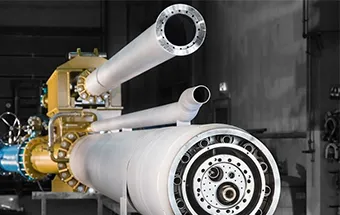

Cools your clinker quickly and recovers heat to improve overall production efficiency.
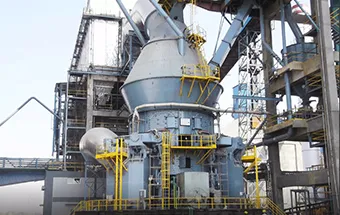
Provides high-efficiency grinding with lower energy consumption and easy maintenance.


Applications of Rotary Kiln
Rotary kilns are versatile thermal processing equipment widely used across multiple industries. By providing continuous, stable, and precisely controlled high-temperature environments, rotary kilns enable efficient calcination, roasting, and heat treatment for a wide range of materials. Whether you are producing cement clinker, active lime, sponge iron, or processing chemicals and waste materials, a rotary kiln offers the reliability and performance needed to support consistent industrial production.
Cement Industry: The rotary kiln is the core equipment in cement clinker production, responsible for material decomposition, burning, and coordinated cooling. It ensures stable clinker quality and is essential for modern dry-process cement production lines.
Lime Industry: Rotary kilns are widely used for producing active lime and metallurgical lime. They provide uniform heat distribution and stable calcination, resulting in higher reactivity and more consistent product quality—ideal for steel plants, chemical plants, and paper mills.
Metallurgical Industry: In metallurgy, rotary kilns are used for the pre-reduction and calcination of materials such as sponge iron (DRI), ferronickel, and chromium oxide ores. Their precise temperature control and efficient reaction process help improve metal recovery and product performance.
Refractories & Ceramics: Rotary kilns are used for firing refractory bricks, high-alumina materials, magnesia products, and ceramic powders. They ensure stable heating, uniform calcination, and improved strength and density of the final materials.
Chemical Industry: Suitable for thermal decomposition, roasting, and drying of chemical materials such as activated carbon, zinc oxide, calcium carbonate, and battery materials. Controlled atmosphere and temperature management ensure high purity and consistent product quality.
Environmental Protection & Waste Treatment: Rotary kilns are effective for treating hazardous waste, sludge, solid waste, and soil remediation. Through high-temperature incineration and stabilization, they enable safe disposal and compliance with environmental regulations.
We follow strict quality control procedures, including ISO9001-certified processes, full non-destructive testing (UT, RT) of welds, and comprehensive inspection of each kiln before delivery.
We offer installation support, commissioning, inspections, troubleshooting, spare parts supply, lining replacement, retrofits, and training to ensure long-term performance.
Yes, our rotary kilns can be designed for alternative fuels such as biomass, hydrogen, or waste-derived fuels, and incorporate energy-efficient technologies.
Delivery time usually depends on the kiln size and customization level. Most standard kilns can be delivered within 4–6 months, while customized large-scale kilns may take 6–12 months.
The price of a rotary kiln depends on factors such as production capacity, kiln size, material type, degree of customization, energy-saving technologies, and additional accessories or automation systems.
To get an accurate quotation, please provide your material specifications, required output, and site conditions. Our engineers will help you select the most suitable solution and provide a tailored price.
 English
  Russian
  Arabic
  Vietnamese
  Spanish
  French
  Portuguese
  Japanese
  Chinese