


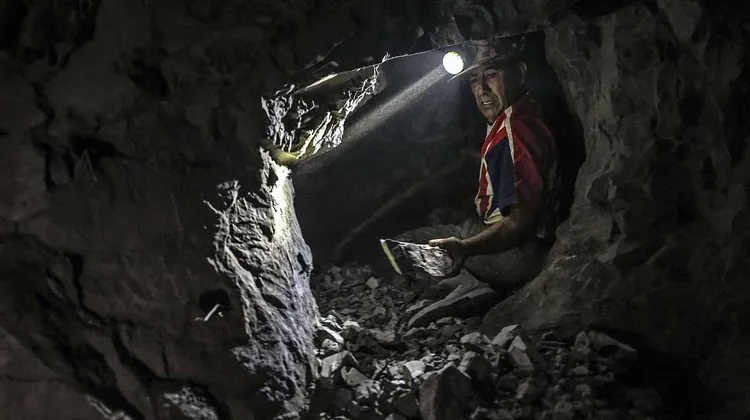
Mining has played a critical role in industrial development for centuries. Coal, metal ores, and mineral resources have supported modern civilization, but mining has always been one of the most dangerous industries in the world.
Throughout history, mining disasters have caused thousands of deaths and forced governments and companies to improve mining safety standards. From methane explosions to underground flooding and mine collapses, these tragedies have shaped the modern mining industry.
This article explores the top 30 worst mining disasters in history, including their causes, impacts, and lessons learned for modern mining safety.
Major Causes of Mining Disasters
Most mining accidents are caused by several common hazards.
Gas Explosions
Methane gas is highly explosive and is one of the leading causes of coal mine disasters worldwide. A small spark can trigger catastrophic explosions underground.
Mine Collapses
Unstable geological formations and weak support structures often cause mine collapses that trap miners underground.
Underground Fires
Mine fires produce toxic gases such as carbon monoxide and can spread rapidly through tunnels.
Flooding Accidents
Water inrushes are among the most dangerous mining hazards and can trap miners within minutes.
1. Benxihu Colliery Disaster (China, 1942)
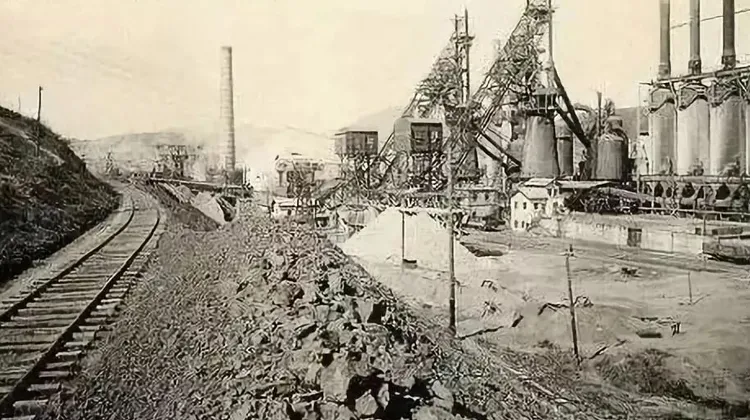
Fatalities: 1,549
The Benxihu Colliery disaster remains the deadliest mining disaster in history. It occurred on April 26, 1942, in northeastern China during the period of Japanese occupation.
A methane gas and coal dust explosion ripped through the underground workings, destroying ventilation systems and igniting fires throughout the mine. Instead of maintaining airflow, mine managers shut down the ventilation system in an attempt to control the fire.
This decision caused oxygen levels to drop rapidly and allowed carbon monoxide to accumulate. Most miners died from suffocation rather than the initial explosion.
Rescue operations were extremely limited due to wartime conditions and poor safety management.
The disaster exposed severe weaknesses in early mining safety practices and remains one of the worst coal mine disasters ever recorded.
2. Courrières Mine Disaster (France, 1906)
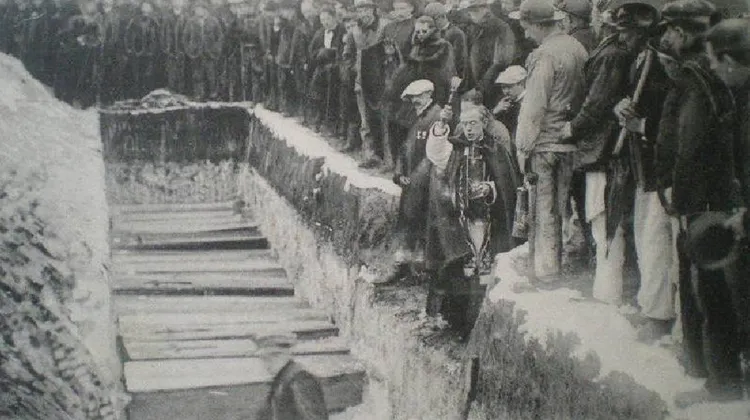
Fatalities: 1,099
The Courrières mine disaster occurred on March 10, 1906, in northern France and remains one of Europe’s deadliest mining accidents.
A massive coal dust explosion spread through interconnected shafts more than 300 meters underground. The explosion destroyed tunnels and blocked escape routes, trapping hundreds of miners.
Rescue efforts continued for weeks.
Remarkably, 13 miners were discovered alive after being trapped underground for more than 20 days. They survived by drinking groundwater and eating food left in abandoned work areas.
This disaster led to major mining safety reforms across Europe, including improved ventilation and emergency planning.
3. Senghenydd Mining Disaster (United Kingdom, 1913)
Fatalities: 439
The Senghenydd mining disaster occurred in Wales on October 14, 1913, and remains the worst mining disaster in British history.
Methane gas accumulated in poorly ventilated areas of the mine. When mining equipment produced a spark, a violent explosion followed.
Coal dust intensified the blast and spread fire throughout the tunnels.
Investigations later revealed that mine operators had been aware of ventilation problems but failed to correct them.
The disaster resulted in stronger mine inspection regulations in the United Kingdom.
4. Monongah Mining Disaster (USA, 1907)
Fatalities: About 362
The Monongah mining disaster occurred on December 6, 1907, in West Virginia and is the deadliest mining accident in United States history.
Two explosions occurred in connected mines, destroying entrances and collapsing tunnels. The explosions were so powerful that nearby buildings were damaged.
Many victims were immigrant workers from Italy and Eastern Europe.
Coal dust is believed to have been the primary cause.
The disaster led to the creation of modern mine safety organizations in the United States.
5. Coalbrook Mining Disaster (South Africa, 1960)
Fatalities: 437
The Coalbrook mining disaster occurred on January 21, 1960, when underground rock pillars collapsed unexpectedly.
Millions of tons of rock fell into the mine, trapping hundreds of miners more than 300 meters underground.
The collapsed rock completely blocked access routes, making rescue impossible.
No trapped miners survived.
The Coalbrook disaster led to major improvements in rock mechanics and geological monitoring in mining operations.
6. Mitsui Miike Mining Disaster (Japan, 1963)

Fatalities: 458
The Mitsui Miike mining disaster occurred in November 1963 and remains one of Japan’s worst industrial accidents.
A coal dust explosion filled the mine with carbon monoxide gas. Over 800 miners suffered carbon monoxide poisoning.
Many miners escaped the explosion but later died from toxic gas exposure.
The disaster demonstrated the importance of gas monitoring and emergency ventilation systems in underground mining.
7. Dhanbad Mining Disaster (India, 1965)
Fatalities: 375
The Dhanbad region is one of India’s largest coal-producing areas.
In 1965, a methane explosion occurred in an underground mine due to inadequate ventilation.
The explosion triggered collapses that blocked escape routes.
Many miners were trapped underground with little chance of survival.
The disaster exposed poor safety standards in India’s mining industry at the time.
8. Chasnala Mining Disaster (India, 1975)
Fatalities: 372
The Chasnala disaster occurred in 1975 and was caused by a sudden underground flood.
Mining operations accidentally broke through a barrier separating the working mine from an abandoned water-filled mine.
Millions of gallons of water rushed into the tunnels within minutes.
Most miners had no chance to escape.
This disaster led to improved hydrogeological surveys before mining operations.
9. Sunshine Mine Disaster (USA, 1972)
Fatalities: 91
The Sunshine Mine disaster occurred in Idaho in 1972 when a fire broke out deep underground.
Smoke and carbon monoxide spread rapidly through the mine tunnels.
Many miners became disoriented in the darkness and smoke.
Rescue operations lasted several days.
The disaster resulted in improved mine escape training programs in the United States.
10. Pike River Mine Disaster (New Zealand, 2010)
Fatalities: 29
The Pike River disaster occurred in November 2010 after a series of methane explosions destroyed the mine entrance.
The explosions caused severe structural damage and made rescue operations impossible.
Investigations revealed serious safety deficiencies, including inadequate gas monitoring and emergency planning.
The Pike River disaster led to major reforms in New Zealand mining regulations.
11. Soma Mining Disaster (Turkey, 2014)
Fatalities: 301
The Soma mining disaster is one of the deadliest mining accidents of the 21st century.
An electrical fault triggered a fire that spread through conveyor systems. Carbon monoxide quickly filled the mine.
More than 800 miners were underground at the time.
Most victims died from toxic gas inhalation.
Investigations revealed serious safety violations and insufficient ventilation.
12. Aberfan Disaster (United Kingdom, 1966)
Fatalities: 144
The Aberfan disaster occurred when a coal waste tip collapsed after heavy rain.
A massive landslide buried homes and a school in the Welsh village of Aberfan.
Among the victims were 116 children.
Investigations found that warnings about the unstable waste pile had been ignored.
This disaster led to stricter waste management regulations in mining.
13. Cherry Mine Disaster (USA, 1909)
Fatalities: 259
The Cherry Mine disaster in Illinois was caused by a fire started by an oil lamp that ignited a hay-filled mine cart.
The fire spread quickly through wooden supports.
Smoke filled the tunnels and trapped miners underground.
The disaster led to requirements for emergency escape shafts in mines.
14. Kinross Mine Disaster (South Africa, 1986)
Fatalities: 177
The Kinross disaster occurred after a fire started by faulty electrical equipment.
Smoke spread rapidly through deep underground tunnels.
Most miners died from smoke inhalation.
The disaster led to stronger fire safety standards.
15. Luisenthal Mine Disaster (Germany, 1962)
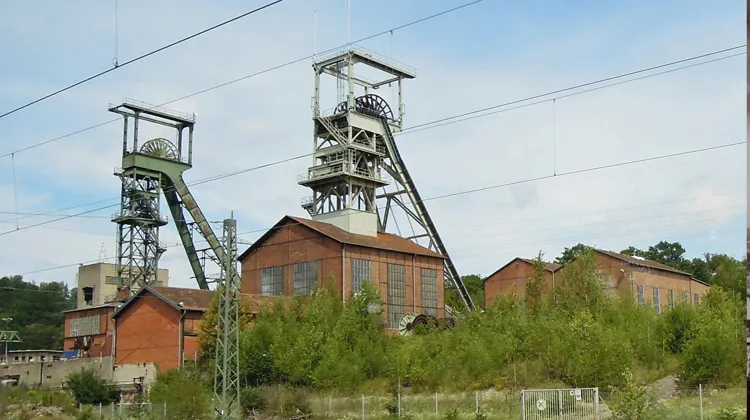
Fatalities: 299
A coal dust explosion devastated the Luisenthal mine in Germany.
The explosion collapsed tunnels and destroyed equipment.
Rescue operations continued for weeks.
The disaster led to improved dust control regulations.
16. Scotia Mine Disaster (USA, 1976)
Fatalities: 26
Two methane explosions occurred several days apart.
The second explosion killed rescue workers attempting to recover victims.
The disaster led to improved rescue procedures.
17. Westray Mine Disaster (Canada, 1992)
Fatalities: 26
A methane explosion destroyed the Westray coal mine.
Investigations revealed long-term safety violations.
The disaster led to criminal liability laws for mining managers.
18. Upper Big Branch Mine Disaster (USA, 2010)
Fatalities: 29
A methane explosion triggered by coal dust occurred in West Virginia.
Investigations revealed repeated safety violations.
Dust control regulations were strengthened after the disaster.
19. Sago Mine Disaster (USA, 2006)
Fatalities: 12
An explosion trapped 13 miners underground.
Rescue operations lasted several days.
Only one miner survived.
The disaster highlighted communication failures in mines.
20. Quecreek Mine Incident (USA, 2002)
Fatalities: 0
Nine miners were trapped after breaking into a flooded abandoned mine.
Water flooded the tunnels rapidly.
Miners survived in an air pocket for 77 hours.
Rescuers drilled a shaft to bring them to the surface.
This became one of the most successful mine rescues in history.
21. Farmington Mine Disaster (USA, 1968)
Fatalities: 78
Multiple explosions destroyed the Farmington mine.
Fires burned underground for months.
The mine was permanently sealed.
22. Mount Kembla Mine Disaster (Australia, 1902)
Fatalities: 96
A methane explosion devastated the Mount Kembla coal mine.
The explosion caused fires and tunnel collapses.
23. Dhori Colliery Disaster (India, 1965)
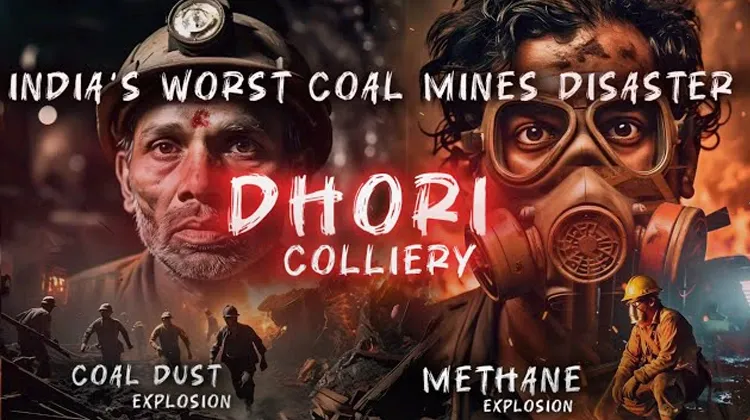
Fatalities: 268
A methane explosion triggered fires that spread rapidly.
Poor ventilation contributed to the disaster.
24. Buffalo Creek Disaster (USA, 1972)
Fatalities: 125
A coal waste dam collapsed after heavy rain.
A massive flood destroyed several communities.
Over 4,000 people lost their homes.
25. Huskar Pit Disaster (UK, 1838)
Fatalities: 26
A sudden storm flooded the Huskar coal mine.
Most victims were children working underground.
The disaster helped end child labor in mines.
26. Springhill Mining Disaster (Canada, 1958)
Fatalities: 75
A violent underground collapse known as a “bump” destroyed tunnels.
Many miners were trapped.
Some survived for days before rescue.
27. Eccles Mine Disaster (USA, 1914)
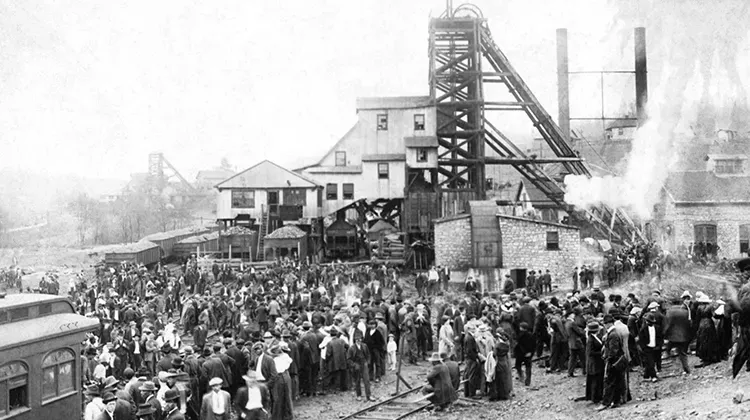
Fatalities: 180
A methane explosion destroyed the Eccles coal mine.
Many miners died instantly.
28. Smith Mine Disaster (USA, 1943)
Fatalities: 74
Carbon monoxide poisoning killed miners after a fire.
Toxic gas spread through tunnels.
29. Centralia Mine Fire (USA)
The Centralia underground coal fire started in 1962.
The fire continues to burn today.
The entire town was abandoned.
30. Chilean Mining Accident (Chile, 2010)
Survivors: 33 miners
Thirty-three miners were trapped 700 meters underground for 69 days.
A rescue capsule brought miners to the surface one by one.
This became one of the most famous mining rescues in history.
Conclusion
These historic mining disasters shaped modern mining safety standards.
Today, advanced mining equipment, monitoring systems, and safety management practices help prevent similar tragedies.
Understanding past mining disasters helps the mining industry build a safer future.


 English
  Russian
  Arabic
  Vietnamese
  Spanish
  French
  Portuguese
  Japanese
  Chinese