



As the global construction industry moves toward low-carbon development, sustainability, and long-term durability, Pozzolana Cement has become an increasingly important material in modern cement manufacturing and infrastructure projects.
Compared with Ordinary Portland Cement (OPC), Pozzolana Cement offers significant advantages in durability, environmental performance, and lifecycle cost efficiency. At the same time, it enables cement producers to reduce clinker consumption, optimize energy use, and comply with increasingly strict environmental regulations.
This article provides a comprehensive and practical overview of Pozzolana Cement, covering its historical background, definition and composition, types of pozzolanic materials, production process, performance advantages and limitations, price, applications, and market prospects.
1. History of Pozzolan and Its Importance in Modern Construction
Pozzolan in Ancient Engineering
The use of pozzolanic materials dates back to ancient Greek and Roman civilizations. Roman engineers discovered that when volcanic ash was mixed with lime, the resulting material could harden not only in air but also underwater, forming dense and durable structures.
As a result, pozzolan-based binders were widely used in:
Harbors and breakwaters
Aqueducts and water infrastructure
Public buildings and monumental structures
Many Roman concrete structures have survived for over two thousand years, providing valuable insight into the durability of pozzolanic binders.
Importance of Pozzolanic Materials Today
With advances in materials science, the chemical mechanisms behind pozzolanic reactions are now well understood. In today’s construction industry—where carbon reduction, sustainability, and extended service life are key priorities—pozzolanic materials play a critical role by:
Reducing clinker content in cement
Improving long-term concrete durability
Enabling the reuse of industrial by-products
Pozzolana Cement is therefore considered a strategic material for sustainable construction.
2. What Is Pozzolana Cement?
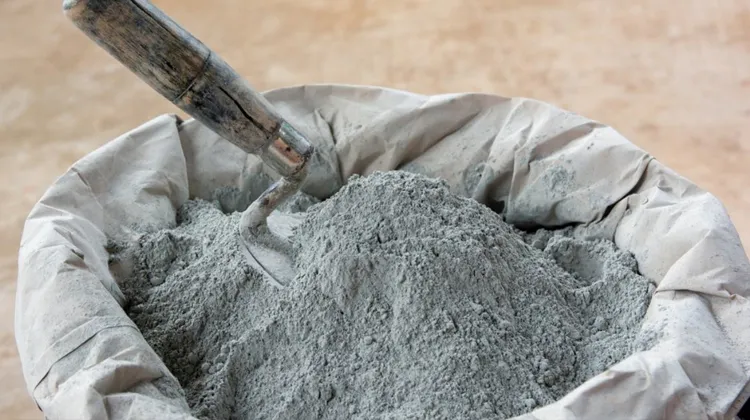
Pozzolana Cement, also known as Portland Pozzolana Cement (PPC), is a type of blended hydraulic cement produced by combining 普通硅酸盐水泥(OPC) clinker with pozzolanic materials and a controlled amount of gypsum.
Unlike pure OPC, Pozzolana Cement is specifically designed to utilize the pozzolanic reaction—a secondary chemical process that significantly enhances concrete durability, long-term strength, and environmental performance.
In simple terms, Pozzolana Cement is engineered to work smarter, not harder: it converts by-products of cement hydration into additional binding compounds, rather than allowing them to remain as weak or vulnerable phases in hardened concrete.
2.1 Core Components of Pozzolana Cement
Pozzolana Cement typically consists of three main components:
• Portland Cement Clinker
Clinker provides the primary hydraulic properties of the cement, ensuring initial setting and early strength development.
• Pozzolanic Materials
Pozzolans are siliceous or siliceous–aluminous materials that, by themselves, possess little or no cementing property. However, in the presence of moisture, they chemically react with calcium hydroxide released during cement hydration.
Common pozzolanic materials include:
Fly ash
火山灰
Calcined clay or shale
Silica fume
Natural pozzolans
• Gypsum
Gypsum is added in small quantities to regulate the setting time of the cement and ensure workability during mixing and placing.
2.2 How Pozzolana Cement Works: The Pozzolanic Reaction
The superior performance of Pozzolana Cement is primarily attributed to the pozzolanic reaction, a secondary chemical process that occurs after the initial hydration of Ordinary Portland Cement (OPC).
Hydration Products of OPC
When OPC hydrates, it produces two main types of compounds:
Calcium silicate hydrate (C-S-H)
The primary strength-giving phase responsible for load-bearing capacity.Calcium hydroxide [Ca(OH)₂]
A relatively weak, soluble, and chemically vulnerable by-product that does not contribute to long-term strength.
In conventional OPC concrete, a significant amount of Ca(OH)₂ remains in the hardened matrix, making the material more susceptible to chemical attack and durability-related issues.
The Pozzolanic Reaction Mechanism
In Pozzolana Cement, pozzolanic materials—rich in reactive silica (SiO₂)—react with calcium hydroxide in the presence of water to form additional calcium silicate hydrate (C-S-H) gel.
简化后的化学反应可表示为:
This reaction gradually consumes free calcium hydroxide and transforms it into stable binding compounds.
Effects of the Pozzolanic Reaction on Concrete Performance
The pozzolanic reaction leads to several critical improvements in concrete properties:
Reduction of free calcium hydroxide
Minimizes chemically weak phases within the cement matrix.Refinement of pore structure
The newly formed C-S-H gel fills capillary pores, reducing permeability.Improved resistance to chemical attack
Enhances durability against sulfates, chlorides, and acidic environments.Enhanced long-term strength development
Strength continues to increase over extended curing periods, often surpassing OPC-based concrete.
Long-Term Stability in Aggressive Environments
Because the pozzolanic reaction proceeds slowly over time, Pozzolana Cement concrete becomes denser, stronger, and more stable as it ages. This makes it particularly suitable for:
Marine and coastal structures
Infrastructure exposed to chemicals or moisture
Mass concrete applications requiring low heat of hydration
2.3 Pozzolana Cement vs Ordinary Portland Cement (OPC)
One of the most common user search intents is the comparison between Pozzolana Cement and OPC.
Key differences include:
Early strength: OPC develops strength faster at early ages, while Pozzolana Cement gains strength more gradually.
Durability: Pozzolana Cement offers superior resistance to sulfate attack, chloride penetration, and alkali–silica reaction (ASR).
水合热: Pozzolana Cement generates lower heat, making it suitable for mass concrete.
可持续性: Pozzolana Cement reduces clinker content and CO₂ emissions.
This makes Pozzolana Cement particularly suitable for infrastructure, marine, and long-life structures, where durability is more critical than rapid early strength.
2.4 Typical Pozzolanic Content and Standards
The proportion of pozzolanic material in Pozzolana Cement generally ranges between 15% and 50%, depending on:
Raw material properties
Performance requirements
Regional standards
Common standards that define Pozzolana Cement include:
IS 1489 (India)
EN 197-1 (Europe – CEM II / CEM IV)
ASTM C595 (USA – Blended Hydraulic Cement)
Compliance with these standards ensures consistent quality, strength development, and durability performance.
2.5 Why Pozzolana Cement Matters in Modern Construction
Pozzolana Cement is not simply an alternative to OPC—it is a response to modern construction challenges.
It addresses key industry demands by:
Extending the service life of concrete structures
Reducing environmental impact
Improving performance in aggressive environments
Lowering overall construction and maintenance costs
For cement producers, Pozzolana Cement also offers greater flexibility in raw material selection 和 better alignment with global sustainability policies.
3. Types of Pozzolanic Materials
Pozzolanic materials can be broadly classified into natural pozzolans and artificial (industrial) pozzolans, based on their origin and processing method.
Both categories play a vital role in the production of Pozzolana Cement, but they differ in availability, chemical composition, reactivity, and performance characteristics.
Natural pozzolans are materials of volcanic or sedimentary origin that contain reactive silica and alumina in amorphous or poorly crystalline form.
Common natural pozzolans include:
火山灰
Pumice
Tuff
Diatomaceous earth
Natural shale
These materials have been used in construction since ancient times, particularly in Roman concrete, due to their ability to react with lime and improve durability.
Key characteristics of natural pozzolans:
Naturally occurring, often region-specific
Moderate pozzolanic activity
Variable chemical composition
Because of their natural variability, natural pozzolans typically require:
精心挑选原材料
Fine grinding
Consistent quality control
They are commonly used in regions where volcanic materials are locally available, helping reduce transportation cost and environmental impact.
3.2 Artificial (Industrial) Pozzolanic Materials
Artificial pozzolans are produced as industrial by-products or through controlled thermal processing.
They generally offer more consistent quality and higher reactivity than natural pozzolans.
Fly Ash
Fly ash is one of the most widely used pozzolanic materials in the cement and concrete industry. It is collected from the flue gases of coal-fired power plants.
Benefits of fly ash:
Improves workability and pumpability
Reduces water demand
Enhances long-term strength and durability
Lowers cement production cost
Due to its spherical particle shape, fly ash also contributes to better flow properties in fresh concrete.
Silica Fume
Silica fume is an ultrafine pozzolanic material generated during the production of silicon metal or ferrosilicon alloys.
Key features of silica fume:
Extremely high pozzolanic activity
极细的颗粒尺寸
Significantly improves strength and impermeability
Silica fume is commonly used in high-performance and high-strength concrete, although its cost and handling requirements limit its dosage.
Calcined Clay and Metakaolin
Calcined clay, including metakaolin, is produced by thermally activating kaolinitic clay or shale.
优势:
High reactivity
Stable and predictable performance
Increasingly important in low-carbon cement systems
Calcined clay is gaining attention as a sustainable alternative in regions with limited fly ash availability.
3.3 Why the Type of Pozzolan Matters
The choice of pozzolanic material directly affects:
Cement performance
Strength development, durability, and workabilityProduction process
Grinding efficiency, blending accuracy, and energy consumptionEquipment selection
Requirements for mills, classifiers, and dust collection systems
For cement manufacturers, selecting the right type of pozzolan is a strategic decision that balances raw material availability, performance targets, and production cost.
4. Pozzolana Cement Production Process

The production of Pozzolana Cement is based on the conventional Portland cement manufacturing process, with additional steps and controls to ensure the effective utilization of pozzolanic materials.
From a cement plant perspective, the process can be divided into raw material preparation, clinker production, and cement grinding and blending.
The primary raw materials for Pozzolana Cement production include:
石灰石
Clay or shale
Pozzolanic materials (fly ash, volcanic ash, calcined clay, etc.)
Limestone and clay are first crushed to suitable sizes to ensure efficient grinding.
Pozzolanic materials may be used as-received (e.g., fly ash) or require pre-treatment, depending on their physical and chemical properties.
Proper raw material preparation is essential for:
Stable kiln operation
Consistent clinker quality
Optimized energy consumption
4.2 Raw Meal Grinding and Homogenization
The crushed raw materials are ground into a fine powder known as raw meal.
This step ensures uniform chemical composition before clinker production.
Key process objectives include:
Achieving the target fineness
Maintaining chemical uniformity
Minimizing energy consumption
Modern cement plants increasingly use vertical roller mills (VRMs) for raw meal grinding due to their high efficiency, compact layout, and ability to handle multiple materials with different grindabilities.
4.3 Clinker Production (Calcination and Sintering)
The homogenized raw meal is fed into a 回转窑, where it undergoes calcination and sintering at temperatures up to approximately 1450°C, forming cement clinker.
This stage determines:
The mineral composition of the clinker
The early strength characteristics of the cement
For Pozzolana Cement, clinker production follows the same principles as OPC, but overall clinker demand is lower, contributing to reduced fuel consumption and CO₂ emissions.
4.4 Pozzolanic Material Treatment
Certain pozzolanic materials, such as clay or shale, require thermal activation to enhance their reactivity.
例如:
Calcination of kaolinitic clay to produce metakaolin
Controlled heating of shale
This step is critical to achieving consistent pozzolanic performance in the final cement product.
4.5 Cement Grinding and Blending
After clinker cooling, Pozzolana Cement is produced by intergrinding or blending:
Clinker
Pozzolanic materials
石膏
This stage is the most critical for Pozzolana Cement quality, as it directly affects:
粒度分布
力量发展
Workability and setting behavior
两个都 球磨机 和 立式辊磨机 are commonly used.
VRMs are increasingly preferred due to:
Lower specific power consumption
Better control of product fineness
Flexibility in handling high pozzolan content
Accurate dosing and proportioning systems are essential to maintain consistent pozzolanic content, typically ranging from 15% to 50%, depending on standards and applications.
4.6 Cement Storage, Packaging, and Quality Control

The finished Pozzolana Cement is stored in silos before being packed or dispatched in bulk.
Quality control measures include:
Chemical composition analysis
Fineness and particle size distribution tests
Strength development testing
Setting time and soundness checks
Consistent quality control ensures compliance with applicable standards and stable performance in downstream concrete applications.
4.7 Key Process Advantages for Cement Producers
From a production standpoint, Pozzolana Cement offers several advantages:
Reduced clinker requirement
Lower fuel and electricity consumption
Greater flexibility in raw material sourcing
Improved compliance with environmental regulations
For cement manufacturers, an optimized Pozzolana Cement production process is a strategic pathway toward cost efficiency and sustainable growth.
5. Performance Advantages of Pozzolana Cement
Pozzolana Cement offers a range of performance advantages that make it an increasingly preferred choice in modern construction.
These advantages stem primarily from the pozzolanic reaction, which enhances the microstructure of hardened cement and improves long-term performance.
Unlike ordinary Portland cement, Pozzolana Cement continues to gain strength over an extended period.
Early-age strength may develop more slowly
Long-term compressive strength often equals or exceeds OPC
This is due to the continuous formation of additional calcium silicate hydrate (C-S-H) gel, which densifies the cement matrix over time.
As a result, Pozzolana Cement is especially suitable for:
Large infrastructure projects
Structures requiring long service life
5.2 Enhanced Durability and Chemical Resistance
Pozzolana Cement exhibits excellent resistance to aggressive environments, including:
硫酸盐侵蚀
Acidic exposure
Chloride penetration
The pozzolanic reaction reduces free calcium hydroxide, which is vulnerable to chemical attack, and converts it into stable binding phases.
This makes Pozzolana Cement ideal for:
Marine structures
Sewage systems
Foundations in chemically aggressive soils
5.3 Lower Heat of Hydration
One of the most significant advantages of Pozzolana Cement is its 降低水合热 compared to OPC.
Reduces thermal stress in mass concrete
Minimizes the risk of cracking
Improves structural integrity
This property is particularly valuable in:
Dams
Large foundations
Thick concrete sections
5.4 Reduced Permeability and Improved Water Tightness
Pozzolana Cement produces concrete with a denser pore structure.
福利包括:
Lower water absorption
Reduced permeability
Improved resistance to moisture ingress
This enhances:
Freeze-thaw resistance
Protection of embedded steel reinforcement
Overall durability
5.5 Improved Resistance to Alkali-Silica Reaction (ASR)
Pozzolanic materials help mitigate alkali-silica reaction (ASR) 经过:
Reducing alkali content
Binding reactive silica
Limiting internal expansion
This significantly improves dimensional stability and prevents long-term cracking.
5.6 Better Workability and Pumpability
Pozzolana Cement, especially when blended with fly ash, improves fresh concrete properties:
Smoother flow
Reduced bleeding and segregation
Improved pumpability
The spherical shape of fly ash particles acts as a micro “ball-bearing” effect, enhancing workability without increasing water demand.
5.7 Environmental and Sustainability Benefits
Pozzolana Cement contributes to sustainable construction by:
Reducing clinker content
Lowering CO₂ emissions
Utilizing industrial by-products
This aligns with global trends toward:
Green building
Low-carbon cement technologies
5.8 Economic Advantages
From a commercial perspective, Pozzolana Cement offers:
Reduced raw material cost
Lower fuel and energy consumption
Extended service life of structures
These factors translate into lower life-cycle cost for construction projects.
6. Disadvantages of Pozzolana Cement
Despite its many advantages, Pozzolana Cement also has certain limitations that must be understood and properly managed in practical applications.
These disadvantages are not inherent flaws, but rather performance characteristics that require appropriate mix design, curing, and production control.
One of the most commonly cited disadvantages of Pozzolana Cement is its slower early-age strength gain 与普通波特兰水泥相比。.
Early compressive strength may be lower
Demoulding and formwork removal may take longer
This behavior is due to the fact that pozzolanic reactions occur more slowly than the primary hydration of clinker minerals.
Engineering consideration:
This limitation can be mitigated through:
Optimized cement fineness
Use of chemical admixtures
Proper curing regimes
6.2 Increased Sensitivity to Curing Conditions
Pozzolana Cement requires adequate moisture and curing time to fully develop its strength and durability.
Inadequate curing may reduce long-term performance
Dry or hot environments can hinder pozzolanic reactions
Compared to OPC, Pozzolana Cement is more sensitive to:
Early moisture loss
Improper curing practices
最佳实践:
Extended curing ensures complete pozzolanic reaction and optimal microstructure development.
6.3 Variation in Pozzolanic Material Quality
The performance of Pozzolana Cement depends heavily on the quality and consistency of pozzolanic materials.
Potential challenges include:
Variable chemical composition
Inconsistent fineness
Differences in reactivity
This is especially relevant for natural pozzolans and some industrial by-products.
Production implication:
Strict quality control, material testing, and controlled grinding are essential.
6.4 Longer Setting Time (in Some Blends)
Depending on the type and proportion of pozzolanic material used, Pozzolana Cement may exhibit:
Longer initial and final setting times
Slower early stiffness development
While this can be beneficial for workability and placement, it may not be ideal for:
Fast-track construction
Cold weather concreting
6.5 Not Ideal for All Applications
Pozzolana Cement may not be the optimal choice for projects requiring:
Very high early strength
Rapid construction cycles
Immediate load-bearing capacity
In such cases, OPC or specially modified blended cements may be more suitable.
6.6 Process and Equipment Sensitivity
From a manufacturing perspective, higher pozzolan content can affect:
研磨效率
粒度分布
Blending accuracy
Improper equipment configuration may lead to:
Strength variability
Inconsistent cement quality
This highlights the importance of appropriate milling technology and precise dosing systems.
6.7 Summary of Limitations
| Limitation | Practical Impact |
|---|---|
| Lower early strength | Longer formwork retention |
| Curing sensitivity | Requires good curing practice |
| Material variability | Strong QC required |
| Setting time variation | Not suitable for fast-track jobs |
7. Key Role of Pozzolan in Concrete
Pozzolanic materials play a fundamental role in enhancing the performance, durability, and sustainability of modern concrete.
Rather than acting as inert fillers, pozzolans actively participate in chemical and physical processes that significantly improve concrete quality over time.
7.1 Conversion of Weak By-Products into Strength-Giving Phases
During the hydration of ordinary Portland cement, calcium hydroxide [Ca(OH)₂] is produced as a by-product.
Calcium hydroxide contributes little to strength
It is chemically vulnerable and prone to leaching
Pozzolanic materials react with Ca(OH)₂ to form additional calcium silicate hydrate (C-S-H) gel, which is the primary binding phase in concrete.
Result:
Reduced weak phases
Increased strength and stability
Improved microstructural integrity
7.2 Continuous Long-Term Strength Development
Unlike the hydration of clinker minerals, which slows significantly after early ages, pozzolanic reactions:
Proceed gradually
Can continue for months or even years
这导致:
Sustained strength growth
Improved performance at later ages
Pozzolan-containing concrete often outperforms OPC concrete in long-term compressive strength.
7.3 Densification of Concrete Microstructure
Pozzolanic reactions refine the pore structure of hardened concrete by:
Reducing capillary porosity
Filling microvoids with secondary C-S-H gel
A denser microstructure results in:
Lower permeability
Higher resistance to water and chemical ingress
This is a key factor in long-term durability.
7.4 Enhanced Resistance to Chloride and Sulfate Attack
By reducing permeability and binding free lime, pozzolans:
Limit chloride ion penetration
Improve resistance to sulfate attack
这一点尤其重要,适用于:
Marine environments
Coastal infrastructure
Reinforced concrete structures
Reduced chloride ingress directly lowers the risk of steel reinforcement corrosion.
7.5 Mitigation of Alkali-Silica Reaction (ASR)
Alkali-silica reaction is a common cause of concrete deterioration.
Pozzolans help control ASR by:
Reducing alkali availability
Consuming reactive calcium hydroxide
Stabilizing the cement matrix
This prevents internal expansion and cracking.
7.6 Reduction of Efflorescence and Leaching
Efflorescence occurs when soluble calcium compounds migrate to the concrete surface.
Pozzolanic materials:
Reduce free calcium hydroxide
Minimize leaching
As a result:
Surface appearance improves
Long-term durability increases
7.7 Contribution to Sustainable Concrete Production
Beyond performance, pozzolans play a critical role in sustainability:
Reduce clinker consumption
Lower CO₂ emissions
Utilize industrial by-products
This makes pozzolan-based concrete a cornerstone of low-carbon construction strategies.
7.8 Summary: Why Pozzolan Is Essential in Modern Concrete
| Key Function | Impact on Concrete |
|---|---|
| Converts Ca(OH)₂ | Higher strength and durability |
| Densifies structure | Lower permeability |
| Controls ASR | 尺寸稳定性提高 |
| Protects steel | Reduced corrosion risk |
| Improves sustainability | Lower carbon footprint |
8. Pozzolana Cement Price
Cost Considerations
In most markets, the price of Pozzolana Cement is comparable to or slightly lower than OPC.
From a lifecycle cost perspective, Pozzolana Cement offers:
Lower raw material and energy costs
Reduced CO₂-related compliance costs
Lower maintenance and repair expenses in concrete structures
9. Applications of Pozzolana Cement
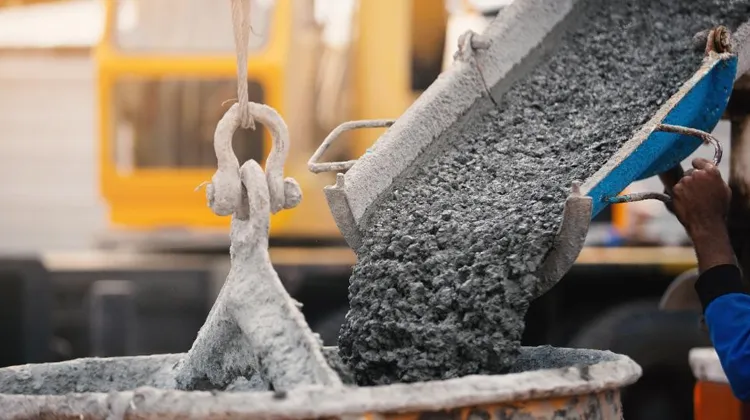
Pozzolana Cement is widely used across various sectors of the construction industry due to its excellent durability, long-term strength, and sustainability benefits.
Its unique performance characteristics make it particularly suitable for projects exposed to aggressive environments, large structural volumes, and long service-life requirements.
Pozzolana Cement is extensively used in major infrastructure works, including:
Roads and highways
Bridges and flyovers
Dams and reservoirs
Tunnels and retaining walls
Why it is used:
Lower heat of hydration reduces thermal cracking
Improved long-term strength and durability
High resistance to sulfate and chemical attack
These properties make Pozzolana Cement ideal for mass concrete applications and large-volume pours.
9.2 Hydraulic and Water-Retaining Structures
Pozzolana Cement is particularly suitable for structures in continuous contact with water, such as:
Water treatment plants
Canals and irrigation systems
Water storage tanks
Sewage and drainage systems
Key benefits:
Reduced permeability
Enhanced water tightness
Improved resistance to chemical corrosion
This ensures long-term structural integrity and reduced maintenance requirements.
9.3 Marine and Coastal Structures
In marine environments, concrete is exposed to chlorides, sulfates, and constant moisture.
Pozzolana Cement is commonly used for:
Ports and harbors
Coastal protection structures
Offshore platforms
Sea walls and jetties
Performance advantages:
Reduced chloride penetration
Improved resistance to steel reinforcement corrosion
Higher durability in aggressive environments
9.4 Residential and Commercial Building Construction
Pozzolana Cement is widely used in:
高层建筑
Residential housing projects
Commercial complexes
Why builders prefer it:
Improved workability and pumpability
Reduced bleeding and segregation
Better surface finish
Although early strength development is slower, proper curing ensures excellent long-term performance.
9.5 Mass Concrete and Foundation Works
Pozzolana Cement is a preferred choice for:
Raft foundations
Pile caps
Large footings
Its lower heat generation minimizes internal thermal stresses, reducing the risk of cracking in thick concrete sections.
9.6 Precast and Ready-Mix Concrete (RMC)
Pozzolana Cement is commonly used in:
Ready-mix concrete plants
Selected precast applications
In RMC operations, its advantages include:
Improved consistency
Better workability retention
Enhanced durability of finished products
For precast elements requiring high early strength, mix optimization is typically applied.
9.7 Industrial and Special-Purpose Structures
Pozzolana Cement is suitable for:
Industrial floors
Chemical plants
Power stations
Wastewater treatment facilities
Its resistance to aggressive chemicals and abrasion ensures long service life under harsh operating conditions.
9.8 Sustainable and Green Building Projects
Pozzolana Cement plays a key role in:
Low-carbon construction
Green building certification systems
By reducing clinker content and utilizing industrial by-products, it contributes to:
Lower CO₂ emissions
Reduced environmental footprint
This makes it a preferred binder in sustainable infrastructure development.
9.9 Summary of Pozzolana Cement Applications
| Application Area | 主要优势 |
|---|---|
| Infrastructure | Durability and crack control |
| Marine structures | Chloride resistance |
| Water works | Low permeability |
| Buildings | Workability and finish |
| Mass concrete | Low heat of hydration |
| Green construction | Reduced carbon footprint |
10. Market Outlook for Pozzolana Cement
Future Prospects
The global Pozzolana Cement market is expected to grow steadily, driven by:
Carbon reduction policies
Continuous infrastructure investment
Rising demand for sustainable building materials
In emerging markets such as Africa, the Middle East, South Asia, and Latin America, Pozzolana Cement is increasingly becoming a mainstream cement product.
11. 结论
Pozzolana Cement combines ancient engineering wisdom with modern cement technology, offering an optimal balance of durability, sustainability, and economic efficiency.
For cement manufacturers, investing in appropriate production processes and high-performance cement equipment will be key to producing high-quality Pozzolana Cement and remaining competitive in the global market.


 Chinese
  English
  Russian
  Arabic
  Vietnamese
  Spanish
  French
  Portuguese
  Japanese