


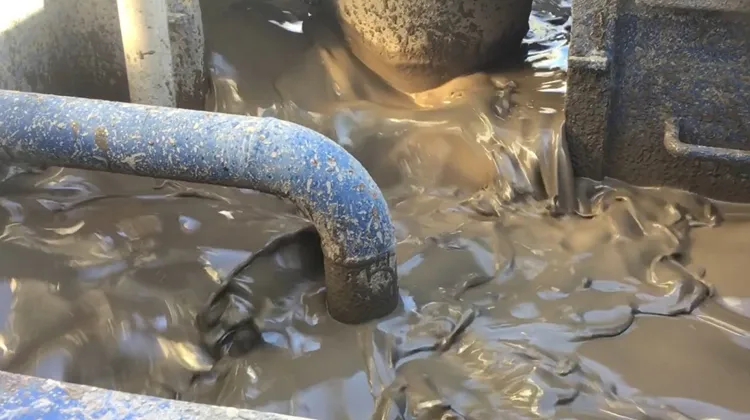
Oil well cement is a specialized cement used in oil and gas drilling operations to secure casing strings and isolate underground formations. Unlike ordinary Portland cement, it must maintain stable performance under extreme downhole conditions, including high temperatures, high pressures, high salinity, and exposure to corrosive fluids.
Because the integrity of a well largely depends on the quality of the cement sheath, oil well cement is subject to much stricter technical requirements than conventional construction cement. Today, manufacturers around the world produce oil well cement in accordance with API Spec 10A, the internationally recognized standard developed by the American Petroleum Institute (API).
This article explains the principles of oil well cementing, the classification of oil well cement, the complete production process, quality control requirements, and the equipment used in a modern oil well cement production plant.
What Is Oil Well Cement?
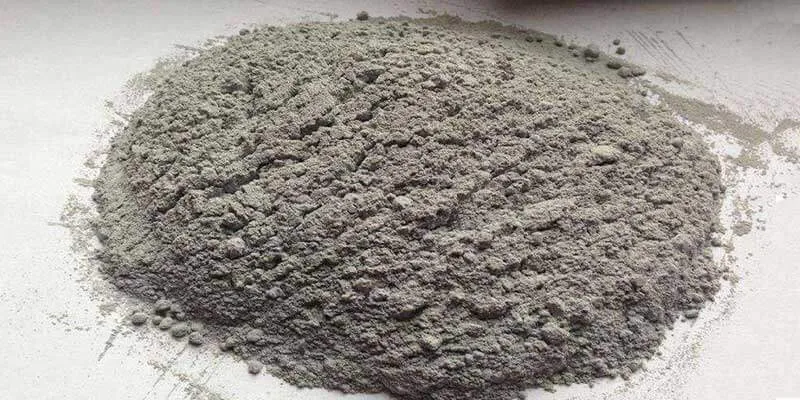
Oil well cement is a hydraulic cement specifically developed for oil and gas well cementing applications. It is typically manufactured using Portland cement clinker as the primary component and may be blended with carefully selected additives to achieve the performance required for different well conditions.
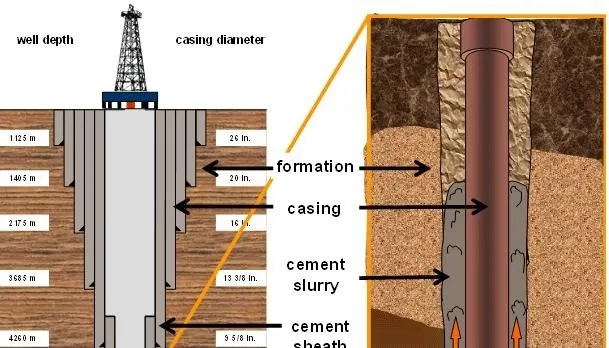
During drilling operations, oil well cement is pumped into the annular space between the casing and the wellbore wall. Once the slurry hardens, it forms a dense and durable cement sheath that remains in place throughout the life of the well.
Unlike ordinary cement used in buildings, bridges, and infrastructure projects, oil well cement must withstand environments that are far more demanding. Deep wells often experience temperatures exceeding 150°C, extremely high formation pressures, and aggressive underground fluids containing sulfates, chlorides, carbon dioxide, or hydrogen sulfide. These conditions require a cement system capable of maintaining long-term mechanical strength and chemical stability.
Basic Cementing Principles in Oil and Gas Wells
Cementing is one of the most important operations performed during well construction. Its primary objective is to create a reliable barrier between the well and surrounding geological formations.
The process begins after the well reaches its designed depth. A steel casing string is lowered into the wellbore, and cement slurry is pumped through the casing. The slurry exits through the bottom of the casing and flows upward into the annular space between the casing and the formation. After placement, the cement is allowed to set and develop strength.
Once hardened, the cement sheath performs several critical functions. It supports the casing string and prevents movement caused by drilling or production activities. It isolates oil-bearing, gas-bearing, and water-bearing formations, preventing unwanted fluid migration. It also protects the casing from corrosion caused by underground fluids and helps control abnormal formation pressures that could otherwise lead to well control incidents.
In modern drilling operations, effective cementing is essential not only for production efficiency but also for environmental protection and long-term well integrity.
Core Performance Requirements of Oil Well Cement
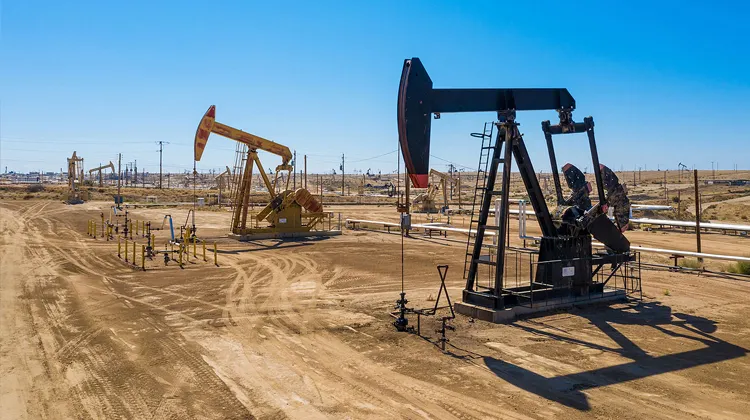
The performance of oil well cement directly influences the success of the cementing operation. For this reason, manufacturers pay close attention to several key properties throughout the production process.
Rheological Properties
Oil well cement slurry must remain pumpable for a sufficient period while maintaining stability during transportation through the well. Excessive viscosity can make pumping difficult, while poor stability may lead to particle settling and uneven cement placement.
A high-quality oil well cement slurry should exhibit low free-water content, good suspension characteristics, and stable rheological behavior under varying temperature and pressure conditions.
Thickening and Setting Time
One of the most important characteristics of oil well cement is its ability to provide adequate pumping time before rapidly developing strength.
During a cementing operation, engineers need enough time to mix, transport, and place the slurry at the required depth. Once placement is complete, however, the cement should transition efficiently from a fluid state to a hardened structure. Excessively slow setting can delay drilling operations, while premature thickening may result in operational failure.
Density Control
Different geological formations require different cement densities. In some wells, lightweight cement systems are necessary to avoid fracturing weak formations. In other cases, high-density systems are required to counterbalance elevated formation pressures.
Therefore, oil well cement must allow flexible density adjustment while maintaining stable performance.
Compressive Strength Development
After placement, the cement must develop sufficient compressive strength to support the casing and withstand formation pressures.
Rapid early strength development is particularly important because it reduces waiting-on-cement time and allows drilling activities to resume sooner. API standards specify minimum strength requirements that must be achieved within defined curing periods.
Durability and Long-Term Stability
Oil and gas wells are expected to remain operational for years or even decades. Throughout this period, the cement sheath must resist fluid penetration, chemical attack, temperature fluctuations, and mechanical stress.
Low permeability, high density, sulfate resistance, and excellent chemical stability are therefore essential characteristics of a high-performance oil well cement.
API Classification of Oil Well Cement
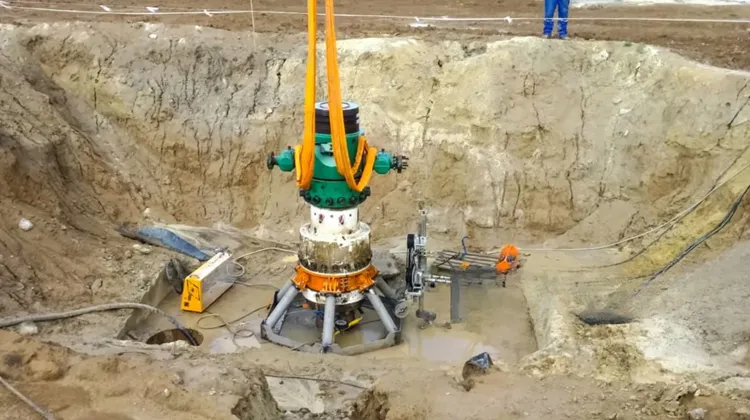
To ensure consistency and reliability, oil well cement is classified according to API Spec 10A.
The standard categorizes oil well cement based on well depth, temperature conditions, and intended applications.
Sulfate Resistance Categories
Oil well cement may be produced as ordinary sulfate resistance (O), moderate sulfate resistance (MSR), or high sulfate resistance (HSR). The selection depends on the chemical composition of the formation fluids and the severity of sulfate exposure.
API Classes A Through H
API Class A cement is generally used in shallow wells under relatively mild conditions. Classes B and C provide additional sulfate resistance or early strength development.
Classes D, E, and F are designed for deeper wells where temperatures and pressures are significantly higher.
Among all classifications, Class G and Class H oil well cements are the most widely used worldwide. Their versatility allows operators to customize performance through the addition of specialized cement additives. Because of this flexibility, Class G and Class H have become the preferred choices for many drilling projects.
Composite Oil Well Cement
The latest revisions to API standards introduced composite oil well cement categories such as Class K and Class L. These products incorporate supplementary cementitious materials and are designed to improve sustainability while maintaining the performance required for demanding well conditions.
Oil Well Cement Production Methods
Modern manufacturers typically adopt one of two production routes.
The first approach involves producing a dedicated oil well cement clinker. This method offers excellent quality consistency and allows manufacturers to optimize clinker mineral composition specifically for oil well applications.
The second approach is based on blending carefully selected additives with high-quality base cement. This method has become increasingly popular because it offers lower production costs, greater flexibility, and the ability to quickly respond to changing market requirements.
Today, many producers combine these approaches to achieve an optimal balance between quality, cost, and operational efficiency.
Raw Material Preparation and Pre-Homogenization
The quality of oil well cement begins with the selection of raw materials.
Limestone serves as the primary source of calcium oxide, while clay provides silica and alumina. Iron-bearing materials are added to adjust the chemical composition and ensure the desired clinker mineral phases are formed during kiln operation.
Before entering the production process, raw materials are crushed to appropriate particle sizes. Jaw crushers, hammer crushers, and impact crushers are commonly used for this purpose.
After crushing, the materials are transferred to a pre-homogenization yard. Modern plants typically use stacker and reclaimer systems that continuously blend materials to minimize fluctuations in chemical composition. This step plays a critical role in maintaining stable kiln operation and consistent product quality.
生食制备
Once the raw materials have been homogenized, they are proportioned according to carefully calculated formulas and fed into the grinding system.
Most modern oil well cement plants use vertical roller mills because they integrate drying, grinding, and classification within a single unit. Compared with traditional ball mills, vertical roller mills offer lower energy consumption and improved process efficiency.
The resulting raw meal is then transferred to a homogenization silo where compressed air systems continuously mix the material. This ensures that the chemical composition remains uniform before entering the kiln system.
Stable raw meal quality is essential because even minor fluctuations can affect clinker formation and ultimately influence the performance of the finished oil well cement.
Clinker Calcination: The Core of Oil Well Cement Production
Clinker production is widely regarded as the most important stage in oil well cement manufacturing.
The process begins in a multi-stage cyclone preheater where raw meal is heated using exhaust gases from the kiln. Most modern plants utilize five-stage preheater systems combined with precalciners to maximize thermal efficiency and reduce fuel consumption.
The preheated material then enters the rotary kiln. Inside the kiln, temperatures reach approximately 1450°C, triggering a series of chemical reactions that form the clinker minerals responsible for cement performance.
The mineral composition of the clinker directly influences setting behavior, strength development, sulfate resistance, and long-term durability. As a result, precise temperature control throughout the kiln system is essential.
After leaving the kiln, the hot clinker enters a grate cooler where it is rapidly cooled. Fast cooling helps preserve clinker quality and allows heat recovery for reuse elsewhere in the process, improving overall energy efficiency.
Cement Grinding and Product Storage
After cooling, the clinker is mixed with gypsum and other approved additives before entering the final grinding stage.
Grinding is one of the most critical steps in oil well cement production because particle size distribution strongly influences cement performance. Parameters such as thickening time, fluid loss, pumpability, and compressive strength are all affected by grinding quality.
Depending on production capacity and product requirements, manufacturers may use cement ball mills, vertical roller mills, or roller press grinding systems.
The finished product is stored in dedicated cement silos where it is protected from moisture and contamination. From there, it can be delivered in bulk or packaged form to drilling operators and oilfield service companies.
Quality Control in Oil Well Cement Manufacturing
Because oil well cement is used in safety-critical applications, quality control requirements are significantly more demanding than those for ordinary cement.
Modern laboratories continuously monitor both chemical composition and physical properties throughout production.
Chemical analysis ensures that key oxides remain within specified limits, while physical testing evaluates properties such as fineness, free-water content, thickening time, fluid loss, and compressive strength.
Advanced testing facilities often include XRF analyzers, XRD systems, automatic sampling equipment, and specialized API testing instruments. These tools allow manufacturers to verify compliance with API Spec 10A and ensure that every batch meets the performance requirements of drilling operations.
For producers seeking long-term market competitiveness, a robust quality management system is just as important as the production equipment itself.
Main Equipment Used in an Oil Well Cement Plant
A complete oil well cement production line consists of multiple process sections working together to ensure efficient and stable operation.
The raw material preparation section typically includes crushers, storage systems, stackers, and reclaimers. The grinding section may employ 立式辊磨机 或者 球磨机 depending on the plant design.
The pyroprocessing section usually consists of a cyclone 预热器, precalciner, 回转窑, , 和 格栅冷却器. This area represents the heart of the production line and accounts for the majority of energy consumption.
Material handling equipment such as bucket elevators, belt conveyors, and air slide conveyors ensures efficient transport of materials throughout the plant.
Finally, storage silos, bulk loading stations, and packing machines prepare the finished product for shipment to customers around the world.
When properly integrated, these systems enable manufacturers to produce high-quality API-compliant oil well cement while maintaining high productivity and energy efficiency.
Future Trends in Oil Well Cement Production
As the oil and gas industry continues to evolve, oil well cement manufacturers face increasing demands for efficiency, sustainability, and product performance.
Modern plants are investing in intelligent process control systems that utilize real-time data to optimize production. Energy-efficient grinding technologies, alternative fuels, and low-carbon manufacturing solutions are also becoming increasingly important.
At the same time, drilling projects are moving into deeper and more challenging reservoirs, creating demand for advanced cement formulations capable of performing under extreme conditions.
For equipment suppliers and cement producers alike, the future will be shaped by a combination of digitalization, energy efficiency, and continuous product innovation.
结论
Oil well cement plays a fundamental role in ensuring well integrity, drilling safety, and long-term production reliability. From raw material preparation and clinker production to grinding, storage, and quality control, every stage of the manufacturing process contributes to the final performance of the product.
As drilling environments become more complex, the demand for high-quality API-compliant oil well cement will continue to grow. Manufacturers that invest in advanced production equipment, rigorous quality management systems, and efficient process technologies will be best positioned to meet the evolving needs of the global oil and gas industry.
常见问题解答
What is oil well cement used for?
Oil well cement is used to secure steel casing within oil and gas wells and to isolate underground formations. Once hardened, it forms a protective cement sheath that supports the casing, prevents fluid migration, and maintains well integrity throughout the life of the well.
What is the difference between oil well cement and ordinary Portland cement?
Although both products are based on Portland cement clinker, oil well cement is specifically engineered for downhole environments. It offers better resistance to high temperatures, high pressures, sulfate attack, and corrosive fluids than ordinary construction cement.
Which API classes are most commonly used in oil well cementing?
Class G and Class H are the most widely used API oil well cement classifications. They provide excellent flexibility and can be combined with various additives to meet different drilling requirements.
How is oil well cement manufactured?
Oil well cement is produced through a series of processes that include raw material preparation, crushing, homogenization, raw meal grinding, clinker calcination, clinker cooling, cement grinding, storage, and quality testing.
What equipment is required for an oil well cement production plant?
A typical production plant includes crushers, stackers and reclaimers, vertical roller mills, rotary kilns, cyclone preheaters, grate coolers, separators, cement silos, bulk loading systems, and packing equipment.
Why is quality control important in oil well cement production?
Oil well cement is used in critical applications where failure can result in costly operational problems. Strict quality control ensures that every batch meets API requirements for strength, setting behavior, rheology, and durability.
What factors affect the performance of oil well cement?
The most important factors include clinker quality, chemical composition, fineness, thickening time, density, compressive strength development, and resistance to aggressive formation fluids.
Can ordinary cement be used for oil well cementing?
In most cases, ordinary Portland cement cannot provide the performance required for modern drilling environments. Oil well cement is specifically designed to withstand the temperature, pressure, and chemical conditions encountered in oil and gas wells.


 Chinese
  English
  Russian
  Arabic
  Vietnamese
  Spanish
  French
  Portuguese
  Japanese