



Crushed stone and gravel are among the most important aggregate materials used in construction and infrastructure projects. They are widely used in concrete production, road construction, drainage systems, and foundation engineering.
This guide explains the differences between crushed stone and gravel, aggregate sizes, ASTM grades, uses, and production methods.
1. What Is Crushed Stone and What Is Gravel
Crushed stone and gravel are two of the most widely used construction aggregate materials in the world. They are essential for infrastructure projects such as concrete production, road construction, foundations, and drainage systems.
Although crushed stone and gravel may look similar, they differ significantly in origin, production method, particle shape, and engineering performance. Understanding these differences helps contractors, quarry operators, and material buyers choose the right aggregate for their projects.
What Is Crushed Stone
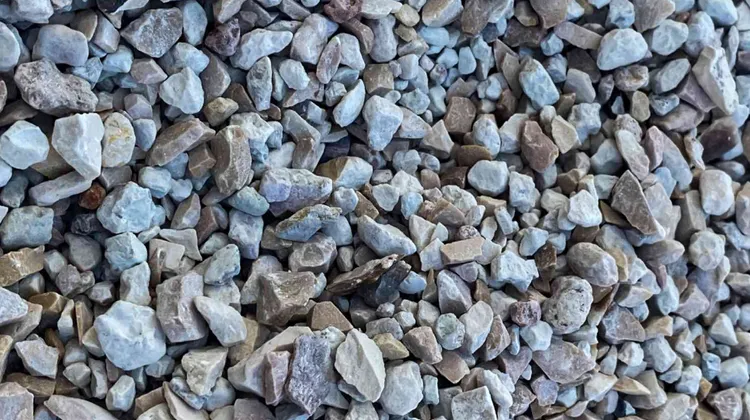
Crushed stone is a manufactured aggregate produced by mechanically crushing large rocks into smaller pieces in a quarry or stone processing plant.
Common source rocks include:
石灰石
花岗岩
玄武岩
白云石
Sandstone
The production process typically involves drilling, blasting, crushing, and screening, which allows manufacturers to produce aggregates with controlled sizes and consistent quality.
Key characteristics of crushed stone:
Angular particles with sharp edges
粗糙的表面纹理
高抗压强度
Strong interlocking capability
Uniform particle size distribution
Because of these properties, crushed stone provides excellent structural stability and load-bearing capacity, making it ideal for:
Concrete aggregate
Road base materials
Railroad ballast
Foundation construction
Asphalt mixtures
Crushed stone is considered one of the most reliable materials for heavy-duty construction applications.
What Is Gravel
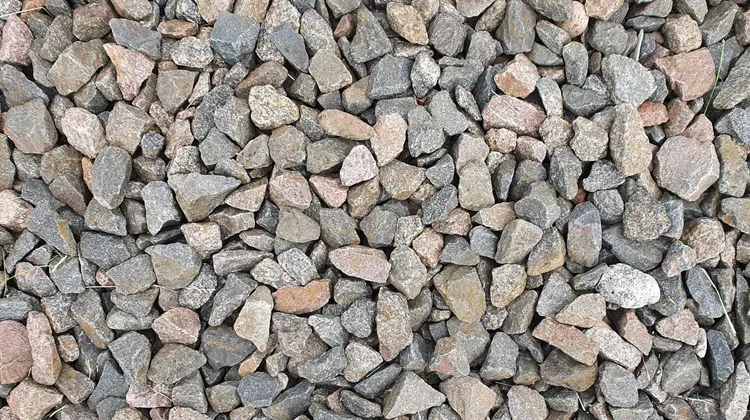
Gravel is a naturally occurring aggregate formed through geological processes such as weathering, erosion, and sediment deposition.
It is commonly found in:
河床
Lakeshores
Alluvial deposits
Glacial deposits
Coastal areas
Over time, water movement smooths the edges of gravel particles, giving them a rounded shape.
Key characteristics of gravel:
Rounded particles
光滑的表面纹理
Lower friction between particles
Good permeability
Natural appearance
Because gravel allows water to flow easily between particles, it is commonly used in:
Drainage systems
French drains
Landscaping projects
Walkways and driveways
Pipe bedding
Gravel is especially valued in applications where water drainage and decorative appearance are important.
Crushed Stone vs Gravel – Key Differences
Although both materials are classified as aggregates, crushed stone and gravel perform differently in construction applications.
| 特征 | Crushed Stone | Gravel |
|---|---|---|
| Origin | Machine crushed rock | Naturally formed deposits |
| Production | Quarry crushing and screening | Excavated from natural sources |
| Shape | Angular | Rounded |
| 表面 | Rough | Smooth |
| Interlocking | 强的 | 有限的 |
| Drainage | 缓和 | 出色的 |
| Size consistency | 高的 | Variable |
| Best Uses | Concrete, road base, foundations | Drainage and landscaping |
一般来说:
Crushed stone is preferred for structural construction and load-bearing applications
Gravel is preferred for drainage systems and decorative landscaping
Both materials play essential roles in modern construction and aggregate production industries.
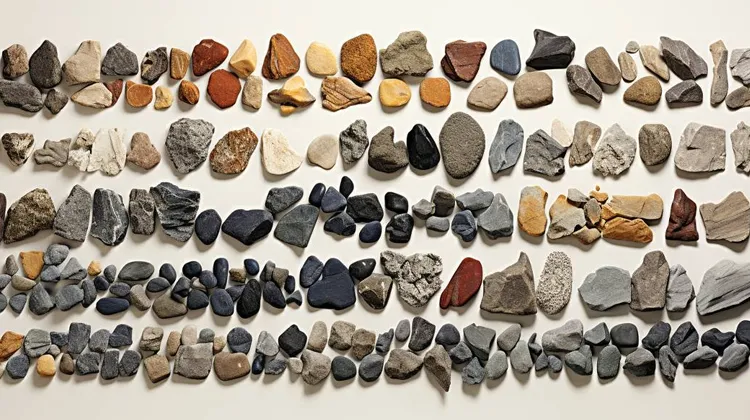
Aggregate size is one of the most important factors in construction projects. Different applications require specific stone sizes to ensure proper strength, drainage, compaction, and stability.
In many countries, aggregate sizes are classified according to ASTM standards, which define the particle size distribution and typical uses of crushed stone. Understanding these size classifications helps contractors and engineers select the right material for each project.
A well-designed aggregate size selection improves:
结构稳定性
Drainage performance
Compaction quality
混凝土强度
Road durability
Common Crushed Stone Sizes
Crushed stone is produced in a wide range of sizes through crushing and screening processes. Each size serves a different purpose in construction and landscaping.
Large Aggregate Sizes (#1 and #3 Stone)
Typical size range:
#1 stone: 2–4 inches (50–100 mm)
#3 stone: 1–2 inches (25–50 mm)
Characteristics:
Large particle size
Excellent drainage capacity
Minimal compaction
典型应用:
Heavy-duty road base
Railroad ballast
Erosion control
Foundation stabilization
Large drainage systems
These large aggregates are typically used in projects requiring high load-bearing capacity and strong water flow.
Medium Aggregate Size (#57 Stone)
Typical size range:
3/4 inch to 1 inch (19–25 mm)
Characteristics:
Balanced strength and drainage
Good stability
粒径均匀
典型应用:
French drains
Driveway base
Concrete aggregate
Drainage layers
Pipe bedding
#57 stone is one of the most commonly used aggregate sizes in construction and landscaping projects worldwide.
Dense Graded Aggregate (#411 Crusher Run)
Typical size range:
Mixed sizes from stone dust to about 3/4 inch
Characteristics:
Contains stone fines and dust
Excellent compaction ability
Forms a dense surface
典型应用:
Driveway surfaces
Road base layers
Walkways
Paver base
After compaction, crusher run creates a stable surface similar to concrete, making it one of the best materials for driveways and base layers.
Small Aggregate Sizes (#8 and #10 Stone)
Typical size range:
#8 stone: about 3/8 inch (10 mm)
#10 stone: about 1/4 inch (6 mm)
Characteristics:
Small and uniform particles
Easy leveling
Smooth surface finish
典型应用:
Paver bedding
Leveling layers
Asphalt mixtures
Landscaping
Decorative surfaces
Smaller aggregate sizes are often used in projects that require precise leveling and smooth finishes.
Crushed Stone Size Chart (ASTM Reference)
The following crushed stone size chart provides a general reference for ASTM aggregate sizes and their typical applications.
| ASTM Size | Stone Size Range | Common Name | 典型用途 |
|---|---|---|---|
| #1 | 2–4 in (50–100 mm) | Large stone | Road base, erosion control |
| #3 | 1–2 in (25–50 mm) | Coarse aggregate | Foundations, drainage |
| #57 | 3/4–1 in (19–25 mm) | Standard aggregate | Concrete and drains |
| #411 | 0–3/4 in (mixed) | Crusher run | Driveways and base layers |
| #8 | 3/8 in (10 mm) | Small aggregate | Pavers and leveling |
| #10 | 1/4 in (6 mm) | Fine aggregate | Decorative use |
This crushed stone size chart is widely used as a general guideline for aggregate selection in construction and landscaping projects.
How Aggregate Size Affects Performance
Selecting the correct crushed stone size can significantly impact construction quality.
Larger Stone Sizes
Provide:
Better drainage
Higher load capacity
Improved foundation stability
Best for:
道路建设
Railroad ballast
Heavy foundations
Medium Stone Sizes
Provide:
Balanced drainage and strength
Good structural support
Best for:
Concrete production
Driveways
Drainage systems
Smaller Stone Sizes
Provide:
Smooth surfaces
Easy compaction
Better finishing quality
Best for:
Paver bases
Walkways
Landscaping

Gravel is a naturally occurring aggregate formed through long-term weathering and erosion processes. Compared with crushed stone, gravel particles are typically smoother and more rounded, which affects their drainage performance, stability, and typical applications. Different types of gravel vary significantly in size, texture, and composition, so understanding these differences helps in selecting the right material for construction or landscaping projects.
Pea Gravel
Pea gravel is one of the most widely used natural gravel materials, especially in landscaping and residential projects. It typically measures about 3/8 inch (6–10 mm) in diameter and consists of small, rounded stones that are comfortable to walk on and visually appealing.
Because pea gravel particles are smooth and uniform in size, they provide excellent drainage but limited structural stability. For this reason, pea gravel is commonly used for garden paths, walkways, patio areas, playground surfaces, and decorative landscaping rather than load-bearing applications. Its natural color variations, which often include shades of gray, brown, and white, make it a popular choice for aesthetic projects.
River Pebbles (River Rock Gravel)
River pebbles, often referred to as river rock gravel, are formed through continuous water erosion that gradually smooths the stone surfaces. These stones are typically larger than pea gravel and usually range from about 1 to 6 inches (25–150 mm) in size.
Due to their smooth texture and natural appearance, river pebbles are commonly used in decorative landscaping and erosion control applications. They are frequently placed around garden beds, water features, and drainage channels where both durability and visual appeal are required. Their rounded shape allows water to flow freely, making them suitable for areas where consistent drainage is important.
Bank Gravel
Bank gravel is a naturally occurring mixture of sand, small stones, and larger rocks that is excavated directly from natural deposits without significant processing. Unlike washed or screened gravel, bank gravel usually contains a wide range of particle sizes and may include fine materials such as sand or clay.
Because of its relatively low cost and availability in large quantities, bank gravel is often used for large-scale fill projects, road embankments, and ground leveling. However, the variable composition means that its engineering performance is less predictable compared with processed aggregates.
Beach or Sea Gravel
Beach or sea gravel forms as a result of constant wave action that gradually rounds and polishes stone surfaces. This natural process produces gravel with very smooth edges and distinctive colors.
Beach gravel is primarily used in decorative landscaping and premium garden design projects. The polished appearance and natural color variations make it particularly suitable for visible surface applications. However, like other rounded gravel materials, it is generally not recommended for structural base layers because the particles do not interlock well.
Decorative Gravel
Decorative gravel refers to a broad category of specialty gravel materials selected primarily for their visual appearance. These products include marble chips, lava rock, colored gravel, and other natural or processed stone materials.
Decorative gravel is widely used in modern landscaping projects because it combines durability with a clean and attractive appearance. It is commonly applied in garden design, commercial landscaping, pathways, and public spaces where long-term maintenance requirements need to be minimized while maintaining visual quality.
4. Which Type of Stone Should I Buy
Choosing the right aggregate material depends on the specific requirements of your project, including load-bearing capacity, drainage performance, surface stability, and long-term durability. Both crushed stone and gravel are widely used in construction and landscaping, but each type performs differently depending on particle size and shape. Understanding the most common applications can help you select the most suitable material and avoid costly mistakes.
Stone for Driveway Base Layers
For driveway foundations and other load-bearing surfaces, large crushed stone is usually the best choice. Coarse aggregates such as ASTM No.3 or No.4 crushed stone provide a stable structural base that distributes heavy loads effectively. The angular shape of crushed stone allows the particles to interlock, which improves strength and prevents shifting under vehicle traffic.
These larger stones are typically installed as the bottom layer of a driveway or access road. Once compacted, they create a strong and durable foundation that can support long-term use even under heavy equipment or truck traffic.
Stone for Driveway Surface Layers
The top layer of a driveway requires a material that can compact into a dense and stable surface. Crusher run, also known as dense graded aggregate or crushed stone with fines, is one of the most commonly used materials for this purpose.
Crusher run contains a mixture of crushed stone and stone dust, allowing the material to compact tightly and form a surface that becomes almost concrete-like after proper compaction. This material reduces loose stones, improves driving comfort, and helps prevent surface erosion.
Crusher run is widely used for residential driveways, rural access roads, and parking areas where a stable and cost-effective surface is required.
Stone for Drainage Systems (French Drains)
Drainage projects such as French drains require clean, uniformly sized aggregate to allow water to flow freely through the material. Washed No.57 crushed stone is one of the most recommended aggregates for drainage applications because it contains little or no fine material.
The consistent particle size creates open spaces between stones, which improves water permeability and prevents clogging over time. This makes No.57 stone ideal for subsurface drainage systems, retaining wall backfill, and foundation drainage.
Using stone with fines for drainage systems is generally not recommended because the fine particles can block water flow and reduce system efficiency.
Stone for Patios and Paver Base
When building patios or installing paving stones, a well-prepared base layer is essential for long-term stability. A compacted base made from crusher run or dense graded crushed stone provides a firm and level surface that prevents settling and shifting.
The combination of crushed stone and stone dust helps fill void spaces between particles, allowing the base layer to compact evenly. This type of base is widely used for patios, walkways, and interlocking paver installations because it provides both strength and smoothness.
A properly compacted crushed stone base significantly increases the lifespan of paving projects and reduces maintenance requirements.
Stone for Garden Paths and Landscaping
For decorative landscaping and light-use walkways, natural gravel is often preferred because of its smooth texture and attractive appearance. Pea gravel is especially popular for garden paths because it is comfortable to walk on and provides good drainage.
Gravel materials are commonly used in landscape design, tree surrounds, and low-traffic pathways where structural strength is not the primary concern. However, because rounded gravel does not interlock well, it may shift over time and usually requires edging or containment.
5. Production Process
The production process of crushed stone and gravel plays a crucial role in determining aggregate quality, particle size distribution, and final application performance. High-quality aggregates require carefully controlled crushing, screening, and washing processes to ensure consistent grading and reliable engineering properties. Modern aggregate production plants are designed to process a wide range of raw materials, including limestone, granite, basalt, and recycled concrete.
Understanding how crushed stone and gravel are produced helps contractors and project owners select materials that meet construction standards and project specifications.
Crushed Stone Production Process
Crushed stone is produced through a series of mechanical crushing and screening stages that transform large rocks into construction aggregates of different sizes. The crushed stone production process typically begins with quarry blasting or excavation, where large rocks are extracted from the quarry and transported to the crushing plant.
The first stage of processing usually involves primary crushing, where large rocks are reduced in size using jaw crushers. This stage prepares the raw material for further processing by producing smaller pieces that can be handled by secondary crushing equipment.
Secondary and tertiary crushing stages further reduce the material size and improve particle shape. Cone crushers and impact crushers are commonly used during these stages to produce aggregates that meet required size specifications and quality standards.
After crushing, the material is sent to vibrating screens where aggregates are separated into different size fractions such as coarse stone, medium stone, and fine aggregates. Oversized material is returned to the crushers for additional processing, ensuring efficient production and minimal waste.
In some applications, crushed stone may be washed to remove dust and fine particles. Washing improves aggregate cleanliness and is especially important for drainage aggregates and concrete production.
Natural Gravel Processing
Unlike crushed stone, natural gravel is usually formed through natural weathering and erosion processes. Gravel deposits are commonly found in riverbeds, floodplains, and glacial deposits. Because gravel is naturally sized and rounded, the processing requirements are generally less intensive than those for crushed stone.
The gravel production process typically involves excavation followed by screening to separate the material into different size ranges. Screening ensures that gravel meets project specifications and improves consistency across batches.
In many cases, gravel is also washed to remove clay, silt, and organic materials. Washed gravel provides better drainage performance and is widely used in drainage systems, concrete production, and landscaping projects.
Although gravel processing usually requires less crushing, some deposits may require limited crushing to produce specific aggregate sizes.
Aggregate Washing and Quality Control
Aggregate washing is an important step in aggregate production when clean materials are required. Washing systems remove dust, clay, and unwanted fine particles that can affect compaction and drainage performance.
Clean aggregates are especially important for applications such as French drains, concrete aggregates, and filtration systems. Washing improves aggregate permeability and ensures better bonding in concrete mixtures.
Quality control is another essential part of aggregate production. Aggregate producers regularly test particle size distribution, cleanliness, and strength to ensure that the materials meet ASTM and construction standards.
Consistent quality control helps ensure reliable aggregate performance in long-term construction projects.
Crushing Equipment for Aggregate Production
Crushing equipment plays a central role in the production of crushed stone. Different types of crushers are used at different stages of the aggregate crushing process to achieve the desired particle size and shape.
Jaw crushers are typically used as primary crushers to break large rocks into manageable sizes. They are widely used in quarry operations because of their simple structure, high reliability, and ability to handle hard and abrasive materials such as granite and basalt.
Cone crushers are commonly used in secondary and tertiary crushing stages. They produce more uniform particle sizes and are especially suitable for manufacturing high-quality aggregates for concrete and asphalt production. Cone crushers are often selected when consistent grading and high output capacity are required.
Impact crushers are used when good particle shape is important. These crushers produce well-shaped aggregates that are ideal for road construction, concrete aggregates, and decorative stone products. Impact crushers are particularly effective when processing limestone and recycled construction materials.
By combining different crusher types into a complete crushing line, producers can achieve both high productivity and precise aggregate grading.
Screening Equipment for Accurate Aggregate Sizing
After crushing, screening equipment is used to separate aggregates into different size ranges. Vibrating screens play an essential role in aggregate processing by ensuring that crushed stone meets required size specifications.
Efficient screening systems improve product consistency and reduce the amount of oversized or undersized material. Accurate screening is particularly important when producing ASTM graded aggregates such as No.57 stone or crusher run.
Modern vibrating screens are designed for high capacity and reliable operation. Multiple screen decks allow aggregate producers to separate materials into several size categories at the same time, which improves production efficiency and reduces processing costs.
Proper screening equipment also helps reduce waste by returning oversized material back to the crushers for further processing.
Mobile Crushing and Screening Plants
Mobile crushing and screening plants have become increasingly popular in aggregate production and construction projects. Mobile equipment allows operators to process stone directly at the job site, reducing transportation costs and improving operational flexibility.
Mobile crushing plants are widely used in road construction, quarry operations, demolition projects, and recycling of construction waste. They can process materials such as concrete, asphalt, and natural stone into reusable aggregates.
Compared with stationary crushing lines, mobile plants offer faster installation and easier relocation. This makes them especially suitable for temporary projects and remote job sites where permanent installations are not practical.
Efficient Aggregate Production for Modern Construction
Reliable crushing and screening systems make it possible to produce high-quality crushed stone and gravel for a wide range of applications, including road construction, concrete production, drainage systems, and landscaping projects.
With properly designed aggregate processing equipment, producers can achieve consistent particle size distribution, improved aggregate shape, and stable production output. These factors are essential for meeting modern construction standards and customer requirements.
Advanced crushing and screening technology also helps reduce energy consumption and environmental impact, supporting more sustainable aggregate production.
6. Professional Crushing and Screening Solutions
High-quality crushed stone and gravel products depend on efficient crushing and screening systems. Modern aggregate production requires reliable equipment capable of producing consistent particle sizes, good particle shape, and high production efficiency. Whether the material is limestone, granite, basalt, or recycled concrete, properly designed crushing and screening lines are essential for producing aggregates that meet construction and ASTM grading standards.
Professional aggregate processing solutions not only improve product quality but also reduce operating costs and increase production capacity. For quarry operators and construction companies, selecting the right crushing equipment is a key factor in achieving stable long-term production.
Crushing Equipment for Aggregate Production
Crushing equipment plays a central role in the production of crushed stone. Different types of crushers are used at different stages of the aggregate crushing process to achieve the desired particle size and shape.
Jaw crushers are typically used as primary crushers to break large rocks into manageable sizes. They are widely used in quarry operations because of their simple structure, high reliability, and ability to handle hard and abrasive materials such as granite and basalt.
Cone crushers are commonly used in secondary and tertiary crushing stages. They produce more uniform particle sizes and are especially suitable for manufacturing high-quality aggregates for concrete and asphalt production. Cone crushers are often selected when consistent grading and high output capacity are required.
Impact crushers are used when good particle shape is important. These crushers produce well-shaped aggregates that are ideal for road construction, concrete aggregates, and decorative stone products. Impact crushers are particularly effective when processing limestone and recycled construction materials.
By combining different crusher types into a complete crushing line, producers can achieve both high productivity and precise aggregate grading.
Screening Equipment for Accurate Aggregate Sizing
After crushing, screening equipment is used to separate aggregates into different size ranges. Vibrating screens play an essential role in aggregate processing by ensuring that crushed stone meets required size specifications.
Efficient screening systems improve product consistency and reduce the amount of oversized or undersized material. Accurate screening is particularly important when producing ASTM graded aggregates such as No.57 stone or crusher run.
Modern vibrating screens are designed for high capacity and reliable operation. Multiple screen decks allow aggregate producers to separate materials into several size categories at the same time, which improves production efficiency and reduces processing costs.
Proper screening equipment also helps reduce waste by returning oversized material back to the crushers for further processing.
Mobile Crushing and Screening Plants
Mobile crushing and screening plants have become increasingly popular in aggregate production and construction projects. Mobile equipment allows operators to process stone directly at the job site, reducing transportation costs and improving operational flexibility.
Mobile crushing plants are widely used in road construction, quarry operations, demolition projects, and recycling of construction waste. They can process materials such as concrete, asphalt, and natural stone into reusable aggregates.
Compared with stationary crushing lines, mobile plants offer faster installation and easier relocation. This makes them especially suitable for temporary projects and remote job sites where permanent installations are not practical.
Efficient Aggregate Production for Modern Construction
Reliable crushing and screening systems make it possible to produce high-quality crushed stone and gravel for a wide range of applications, including road construction, concrete production, drainage systems, and landscaping projects.
With properly designed aggregate processing equipment, producers can achieve consistent particle size distribution, improved aggregate shape, and stable production output. These factors are essential for meeting modern construction standards and customer requirements.
Advanced crushing and screening technology also helps reduce energy consumption and environmental impact, supporting more sustainable aggregate production.
7. Market Trends
The global demand for crushed stone and gravel continues to grow as construction and infrastructure projects expand worldwide. Roads, bridges, concrete production, and landscaping are driving steady consumption of high-quality aggregates.
China remains the largest producer and consumer, followed by countries like Russia, India, and the United States. Growing urbanization and government infrastructure projects in developing regions also boost demand for crushed stone and gravel.
Aggregate prices have generally been rising due to higher demand, energy costs, and limited high-quality deposits. Despite fluctuations, the market outlook remains positive, with continued growth expected in the next decade.
Advanced crushing and screening equipment helps producers meet this growing demand. Mobile crushing plants, modern screening systems, and washing equipment improve efficiency, ensure consistent aggregate quality, and support both construction and landscaping applications.


 Chinese
  English
  Russian
  Arabic
  Vietnamese
  Spanish
  French
  Portuguese
  Japanese