


Limestone is one of the most widely used industrial minerals in the world. It plays a critical role in cement manufacturing, steel production, environmental protection, and construction industries. Below is a detailed and technically comprehensive guide addressing the most frequently searched limestone questions.
1. What Is Limestone?

Definition and Basic Introduction
Limestone is a naturally occurring sedimentary rock primarily composed of calcium carbonate (CaCO₃). It is one of the most abundant and widely distributed rocks on Earth and plays a crucial role in construction, manufacturing, environmental protection, and agriculture.
The term “limestone” generally refers to rock that contains at least 50% calcium carbonate, although high-purity limestone used in industrial applications may contain more than 95% CaCO₃. Because of its widespread availability and relatively low hardness, limestone has become a fundamental raw material in modern infrastructure development.
Chemical Composition of Limestone
The main chemical component of limestone is 碳酸钙(CaCO₃). However, natural limestone deposits often contain additional minerals and impurities, including:
Silica (SiO₂)
Clay minerals
Magnesium carbonate (MgCO₃)
Iron oxide (Fe₂O₃)
有机物
When limestone contains a high proportion of magnesium carbonate, it is often classified as dolomitic limestone. The chemical composition directly influences its suitability for cement production, steelmaking, chemical processing, and flue gas desulfurization systems.
How Is Limestone Formed?

Limestone forms primarily in marine environments through biological and chemical processes.
1. Biogenic Formation
Most limestone originates from the accumulation of shells, coral fragments, and skeletal debris of marine organisms. Over millions of years, these materials are compacted and cemented together, forming solid rock layers.
2. Chemical Precipitation
Limestone can also form through the direct precipitation of calcium carbonate from water, particularly in warm, shallow seas or freshwater environments such as caves. This process produces formations like stalactites and stalagmites.
3. Recrystallization
Under certain temperature and pressure conditions, limestone may undergo recrystallization and transform into marble, a metamorphic rock.
Because of these different formation processes, limestone may appear in various textures, including fossiliferous limestone, chalk, travertine, and oolitic limestone.
Physical Properties of Limestone
Limestone exhibits several key physical characteristics that make it suitable for industrial use:
Mohs hardness: approximately 3
Density: typically between 2.3 and 2.7 g/cm³
Color: white, gray, beige, or light yellow
Texture: fine-grained to coarse-grained
Porosity: variable depending on formation
Due to its moderate hardness and brittleness, limestone is relatively easy to crush, grind, and process into different particle sizes. This makes it an ideal material for cement manufacturing and aggregate production.
Types of Limestone
Limestone can be classified into several types based on composition and texture:
粉笔 – soft, white, fine-grained limestone
Coquina – composed of loosely cemented shell fragments
Fossiliferous limestone – contains visible fossils
Travertine – formed from mineral springs
白云质灰岩 – contains significant magnesium
Each type of limestone has distinct industrial and commercial applications.
Why Is Limestone Important?
Limestone is not only a building material but also a strategic industrial resource. It is the primary raw material for cement production and an essential flux in steelmaking. It is also used in:
Road base and construction aggregates
Glass manufacturing
Chemical production
Soil stabilization
Environmental pollution control
Without limestone, large-scale infrastructure projects and modern industrial processes would not be possible.
2. Is Limestone a Mixture or a Compound?
Limestone is generally considered a mixture, not a pure compound, because natural limestone contains multiple minerals. However, its primary chemical component—calcium carbonate (CaCO₃)—is a compound.
Understanding the Difference Between a Mixture and a Compound
To fully answer this question, it is important to understand the scientific definitions:
A compound is a pure substance made of two or more elements chemically bonded together in a fixed ratio.
A mixture is a physical combination of two or more substances that are not chemically bonded and may vary in composition.
Calcium carbonate (CaCO₃), the main component of limestone, is a chemical compound composed of calcium, carbon, and oxygen in a fixed molecular structure. However, natural limestone rarely exists as pure CaCO₃.
The Chemical Composition of Natural Limestone
Although limestone is primarily made of calcium carbonate, it usually contains additional minerals and impurities, such as:
Silica (SiO₂)
Clay minerals
Iron oxides
Magnesium carbonate (MgCO₃)
有机物
Because the proportion of these components can vary from one deposit to another, limestone does not have a uniform chemical composition. This variability is the key reason why limestone is classified as a mineral mixture in geological terms.
When Can Limestone Be Considered a Compound?
In laboratory conditions, pure calcium carbonate extracted and refined from limestone can be considered a compound. High-purity limestone used in certain industrial applications may contain more than 95–98% CaCO₃.
In such cases, the material behaves chemically like a compound. However, geologically speaking, the rock itself remains a mixture of minerals.
Geological Perspective: Limestone as a Sedimentary Rock
From a geological standpoint, limestone is categorized as a sedimentary rock, formed through biological accumulation or chemical precipitation in marine environments. Rocks, by definition, are aggregates of one or more minerals. Therefore, limestone fits the definition of a mixture rather than a single compound.
Different types of limestone—such as fossiliferous limestone, chalk, travertine, and dolomitic limestone—contain varying mineral compositions. For example, dolomitic limestone contains significant magnesium carbonate, further supporting its classification as a mixture.
Why This Distinction Matters in Industry
Understanding whether limestone is a mixture or compound is not just an academic question—it has practical industrial implications.
In cement manufacturing, the purity of calcium carbonate directly affects clinker quality and cement strength. In steel production, limestone with high impurity levels may reduce flux efficiency. Therefore, chemical composition analysis is critical before limestone is used in industrial processes.
Industries often test limestone for:
CaCO₃ content
Magnesium content
Silica percentage
Moisture level
These tests determine whether the limestone is suitable for high-grade industrial applications.
Final Explanation
In summary:
Pure calcium carbonate (CaCO₃) is a compound.
Natural limestone is typically a mixture of calcium carbonate and other minerals.
From a geological perspective, limestone is classified as a sedimentary rock composed of multiple minerals.
Therefore, limestone is best described as a mineral mixture containing calcium carbonate as its dominant compound.
3. What Is the Difference Between Limestone, Quicklime, and Slaked Lime?
Understanding the difference between limestone, quicklime, and slaked lime is essential in industries such as cement manufacturing, steel production, environmental engineering, and construction. Although these three materials are chemically related, they differ significantly in composition, production process, chemical reactivity, and industrial applications.
3.1 Limestone (Calcium Carbonate – CaCO₃)
Limestone is a naturally occurring sedimentary rock primarily composed of calcium carbonate (CaCO₃). It is the raw material from which both quicklime and slaked lime are produced.
Chemical Formula:
CaCO₃
Characteristics:
Stable under normal temperature and pressure
Relatively low chemical reactivity
Mohs hardness of approximately 3
Widely available in natural deposits
Limestone is commonly used in cement production, construction aggregates, and as a flux in steelmaking. However, before it can be used in many chemical processes, it must undergo thermal decomposition.
3.2 Quicklime (Calcium Oxide – CaO)
Quicklime, also known as burnt lime, is produced by heating limestone in a kiln at temperatures between 900°C and 1200°C. This process is called calcination.
Chemical Reaction (Calcination Process):
CaCO₃ → CaO + CO₂↑
During calcination, carbon dioxide (CO₂) is released, leaving behind calcium oxide (CaO).
Characteristics of Quicklime:
Highly reactive
Strong alkaline material
Reacts vigorously with water
Generates significant heat when hydrated
Quicklime is widely used in steel manufacturing as a flux to remove impurities, in chemical processing, and in environmental applications such as wastewater treatment.
Because of its high reactivity, quicklime must be handled carefully and stored in dry conditions.
3.3 Slaked Lime (Hydrated Lime – Ca(OH)₂)
Slaked lime, also known as hydrated lime, is produced when quicklime reacts with water in a process called hydration.
Chemical Reaction (Hydration Process):
CaO + H₂O → Ca(OH)₂ + Heat
This reaction is exothermic, meaning it releases heat.
Characteristics of Slaked Lime:
Less reactive than quicklime
Fine powder form
Strong alkaline properties
Safer to handle compared to quicklime
Slaked lime is widely used in construction (mortar and plaster), flue gas desulfurization, soil stabilization, and water treatment.
Key Differences Between Limestone, Quicklime, and Slaked Lime
| 财产 | 石灰石 | Quicklime | Slaked Lime |
|---|---|---|---|
| 化学式 | CaCO₃ | 氧化钙 | Ca(OH)₂ |
| Production | Natural rock | Calcined limestone | Hydrated quicklime |
| 反应性 | 低的 | Very high | 缓和 |
| 与水的反应 | No reaction | Violent reaction | Stable |
| 工业用途 | Cement, aggregate | Steel, chemical industry | Construction, environmental |
The Lime Production Cycle Explained
These three materials are connected through what is often called the lime cycle:
Limestone (CaCO₃) is heated in a lime kiln.
It decomposes into quicklime (CaO) and carbon dioxide.
Quicklime reacts with water to form slaked lime (Ca(OH)₂).
Over time, slaked lime can react with CO₂ in the air and convert back into calcium carbonate.
This cycle is fundamental in construction materials and environmental systems.
Why Understanding the Difference Matters in Industry
The choice between limestone, quicklime, and slaked lime depends on the application:
In cement manufacturing, limestone is the primary raw material.
In steel production, quicklime is preferred due to its high reactivity.
In environmental treatment systems, slaked lime is often used because it is safer and easier to control.
Chemical purity, particle size, and moisture content significantly affect performance in industrial processes.
4. How Do Limestone and Sandstone Differ?
Limestone and sandstone are both sedimentary rocks widely used in construction, landscaping, and industrial applications. However, they differ significantly in composition, formation process, physical properties, durability, and practical uses. Understanding these differences is essential for engineers, architects, contractors, and material buyers when selecting the right building stone.
4.1 Difference in Composition
The most fundamental difference between limestone and sandstone lies in their chemical composition.
Limestone Composition
Limestone is primarily composed of 碳酸钙(CaCO₃). It forms mainly from marine biological materials such as shells, coral, and skeletal fragments. In some cases, limestone may also contain clay, silica, or magnesium.
Because calcium carbonate is chemically reactive, limestone can dissolve in acidic conditions, which affects its long-term durability in certain environments.
Sandstone Composition
Sandstone is primarily composed of quartz (SiO₂) and sometimes feldspar. Quartz is a highly stable and chemically resistant mineral. This makes sandstone generally more resistant to weathering and chemical attack than limestone.
4.2 Difference in Formation Process
Limestone Formation
Limestone typically forms in shallow marine environments where biological debris accumulates over millions of years. It may also form through chemical precipitation in caves or warm seas.
Sandstone Formation
Sandstone forms from compacted sand particles deposited in rivers, deserts, beaches, or shallow seas. These sand grains are cemented together by minerals such as silica, calcium carbonate, or iron oxides.
The depositional environment influences the texture and strength of sandstone.
4.3 Difference in Physical Properties
硬度
Limestone has a Mohs hardness of approximately 3.
Sandstone typically ranges from 6 to 7 when quartz-rich, making it significantly harder.
密度
Limestone density: typically 2.3–2.7 g/cm³
Sandstone density: typically 2.2–2.8 g/cm³
Although their densities can be similar, sandstone’s mineral composition often gives it higher abrasion resistance.
Porosity and Water Absorption
Limestone can have moderate to high porosity depending on its type (e.g., chalk vs dense limestone).
Sandstone porosity varies widely depending on grain size and cementation.
Porosity directly affects freeze-thaw resistance and durability in outdoor environments.
4.4 Durability and Weather Resistance
One of the most searched questions is: Which is more durable, limestone or sandstone?
一般来说:
Sandstone tends to be more resistant to acidic rain and chemical weathering due to its quartz content.
Limestone may deteriorate more quickly in polluted or acidic environments because calcium carbonate reacts with acids.
However, high-quality dense limestone can still perform well in many construction applications when properly sealed and maintained.
4.5 Differences in Construction Applications
Limestone Uses in Construction
水泥制造
Concrete aggregate
Building facades
Road base materials
Steelmaking flux
Limestone is especially important in industrial processes due to its chemical properties.
Sandstone Uses in Construction
Building blocks
Cladding and decorative stone
Landscaping
Paving stones
Architectural features
Sandstone is often chosen for aesthetic reasons because of its natural grain texture and color variation.
4.6 Workability and Processing
Limestone is generally easier to cut and shape because of its lower hardness. This makes it popular for carving and architectural detailing.
Sandstone, being harder, may require more robust cutting equipment but offers better wear resistance once installed.
4.7 Appearance and Aesthetic Differences
Limestone typically appears in lighter shades such as white, gray, or beige. It often has a smoother texture.
Sandstone can appear in a wide range of colors, including red, brown, yellow, and tan, depending on iron oxide content. It usually displays visible sand-sized grains.
This makes sandstone popular for decorative architecture and landscaping.
4.8 Summary of Key Differences
| 特征 | 石灰石 | Sandstone |
|---|---|---|
| Main Composition | Calcium carbonate (CaCO₃) | Quartz (SiO₂) |
| Formation Environment | Marine biological | River, desert, beach |
| 硬度 | Softer (Mohs ~3) | Harder (Mohs 6–7) |
| Acid Resistance | 降低 | 更高 |
| 工业用途 | Cement, steel, FGD | Building stone, paving |
| Workability | Easy to cut | More durable |
5. What Are the Physical Properties of Limestone?
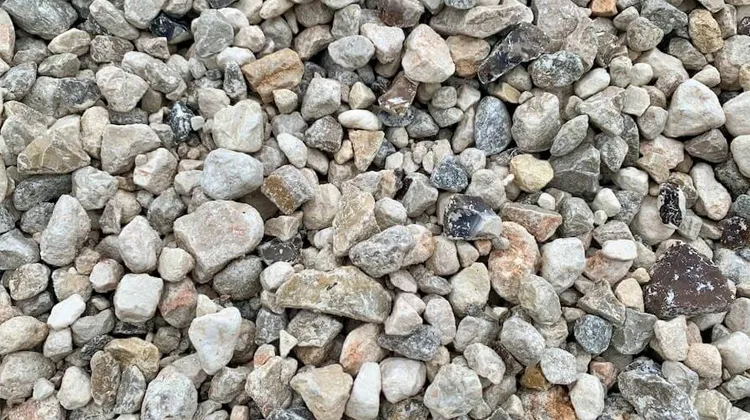
Limestone is one of the most widely used sedimentary rocks in construction, cement manufacturing, steel production, and environmental engineering. Its popularity is largely due to its favorable physical and mechanical properties, which make it easy to process while maintaining sufficient structural strength. Understanding the physical properties of limestone is essential for engineers, geologists, and industrial buyers when selecting materials for specific applications.
5.1 Density of Limestone
One of the most searched properties is limestone density.
The density of limestone typically ranges between 2.3 and 2.7 g/cm³ (or 2300–2700 kg/m³), depending on:
Mineral purity (CaCO₃ content)
Porosity level
Presence of impurities such as silica or clay
Geological formation conditions
High-density limestone is usually more compact and has lower porosity, making it more suitable for structural and heavy-load applications.
In cement manufacturing, density influences raw material proportioning and kiln performance.
5.2 Hardness of Limestone
Limestone has a Mohs hardness of approximately 3, which classifies it as a relatively soft rock.
This moderate hardness provides two key advantages:
It is easy to crush and grind, reducing processing energy consumption.
It can be cut and shaped efficiently for architectural applications.
However, because it is softer than quartz-rich rocks like sandstone or granite, limestone is more susceptible to abrasion and surface wear in high-traffic environments.
5.3 Compressive Strength of Limestone
这 compressive strength of limestone varies widely depending on its formation and density.
Typical compressive strength values range from:
30 MPa to 250 MPa
Dense, high-quality limestone can withstand significant structural loads, making it suitable for:
Building blocks
Load-bearing walls
Road base materials
Concrete aggregate
Lower-strength limestone types, such as chalk, are softer and more porous.
Compressive strength is a critical parameter in civil engineering design.
5.4 Porosity and Water Absorption
Porosity refers to the amount of void space within the rock structure.
Limestone porosity can vary significantly depending on its type:
Dense limestone: low porosity
Chalk or fossiliferous limestone: higher porosity
Higher porosity generally leads to:
Increased water absorption
Reduced freeze-thaw resistance
Lower long-term durability in cold climates
In outdoor construction projects, porosity testing helps determine whether limestone is suitable for paving or facade applications.
5.5 Color and Texture
Limestone typically appears in colors such as:
白色的
Light gray
Beige
Cream
Light yellow
The color variation depends on mineral impurities and organic content.
Texture may range from fine-grained and smooth to coarse-grained with visible fossils. Texture influences aesthetic value and suitability for decorative stone applications.
5.6 Thermal Properties
Limestone has moderate thermal conductivity and heat resistance. It performs well in high-temperature industrial environments, which is one reason it is widely used in cement kilns and lime production.
However, when heated to approximately 900–1200°C, limestone undergoes calcination, decomposing into quicklime (CaO) and releasing carbon dioxide (CO₂).
This thermal decomposition is a key process in cement and lime manufacturing.
5.7 Chemical Reactivity
Although this is often considered a chemical property, it directly affects physical durability.
Because limestone is composed mainly of calcium carbonate, it reacts with acids. In environments exposed to acid rain or industrial pollution, limestone may gradually dissolve or deteriorate.
This characteristic is particularly important when limestone is used in urban architecture.
5.8 Workability and Processing Characteristics
Due to its moderate hardness and relatively uniform structure, limestone is easy to:
Drill
Cut
Crush
Grind
Shape
This makes it an energy-efficient material in aggregate production and cement raw material preparation.
Its favorable processing characteristics contribute significantly to its widespread industrial use.
Summary of Key Physical Properties of Limestone
| 财产 | Typical Range / Characteristic |
|---|---|
| 密度 | 2.3–2.7 g/cm³ |
| 莫氏硬度 | ~3 |
| Compressive Strength | 30–250 MPa |
| Porosity | 低至中等 |
| 颜色 | White to beige |
| Thermal Stability | Decomposes at high temperature |
| Workability | Easy to process |
6. What Is Limestone Used For?

Limestone is one of the most versatile and widely used industrial minerals in the world. Due to its high calcium carbonate (CaCO₃) content, moderate hardness, and chemical reactivity, limestone plays a foundational role in construction, cement production, steel manufacturing, environmental protection, agriculture, and chemical processing. Its global importance is closely linked to infrastructure development and industrial growth.
Below is a detailed explanation of the major uses of limestone across different industries.
6.1 Limestone in Cement Manufacturing
One of the most important uses of limestone is in cement production. Limestone serves as the primary raw material in the manufacture of Portland cement.
In a cement plant, limestone is crushed and mixed with clay or shale, then fed into a rotary kiln at temperatures above 1400°C. During this process, calcium carbonate decomposes and reacts with silica and alumina to form calcium silicate compounds, which are the key components of cement clinker.
In many cement formulations, limestone accounts for approximately 70–80% of the raw material mix. Without limestone, large-scale concrete construction would not be possible.
6.2 Limestone as Construction Aggregate
Crushed limestone is widely used as construction aggregate in:
Road base and sub-base layers
Concrete aggregate
Asphalt production
Railway ballast
Drainage systems
Its moderate strength and ease of crushing make it cost-effective for infrastructure projects. Limestone aggregates provide structural stability while maintaining good compaction characteristics.
6.3 Limestone in Steel Manufacturing
In the steel industry, limestone is used as a fluxing agent in blast furnaces and basic oxygen furnaces.
When heated, limestone decomposes into quicklime (CaO), which reacts with impurities such as silica and phosphorus in molten iron. This reaction forms slag, which can be removed from the metal.
Without limestone or lime, modern steel production would face serious efficiency and quality challenges.
6.4 Limestone in Environmental Protection
Limestone plays a critical role in pollution control and environmental engineering.
Flue Gas Desulfurization (FGD)
In coal-fired power plants, finely ground limestone is used to remove sulfur dioxide (SO₂) from exhaust gases. The chemical reaction converts sulfur dioxide into gypsum, significantly reducing air pollution and acid rain formation.
Water Treatment
Limestone is used to neutralize acidic wastewater in industrial and municipal water treatment facilities. It helps adjust pH levels and improve water quality.
Soil Remediation
In contaminated land treatment, limestone can stabilize heavy metals and reduce soil acidity.
6.5 Limestone in Agriculture
In agriculture, finely ground limestone—often referred to as agricultural lime—is used to neutralize acidic soils.
By increasing soil pH, limestone improves nutrient availability and enhances crop yield. It is widely used in farming regions where soil acidity limits plant growth.
Agricultural limestone is essential for maintaining sustainable soil health.
6.6 Limestone in Chemical Manufacturing
Limestone serves as a raw material in the production of various chemicals, including:
Calcium oxide (quicklime)
Calcium hydroxide (slaked lime)
Calcium carbonate powder
Glass manufacturing
Soda ash production
In chemical processing plants, high-purity limestone is required to ensure consistent product quality.
6.7 Limestone in Building Stone and Architecture
Limestone has been used as a building stone for thousands of years due to its workability and aesthetic appeal.
它常用于:
Building facades
Flooring tiles
Monuments
Decorative stonework
Cladding panels
Because limestone can be cut and shaped easily, it is suitable for architectural detailing and carving.
6.8 Limestone in Road and Infrastructure Projects
Limestone is widely used in highway construction and large infrastructure projects.
它提供:
Stable load-bearing capacity
Good drainage properties
Cost-effective material supply
In many countries, limestone is the primary material used for highway base layers.
6.9 Limestone in Glass and Paper Production
In glass manufacturing, limestone provides calcium oxide, which improves glass durability and chemical stability.
In the paper industry, finely ground calcium carbonate derived from limestone is used as a filler and coating pigment, enhancing paper brightness and smoothness.
6.10 Limestone in Carbon Capture and Emerging Technologies
Limestone is increasingly used in carbon capture systems. Its ability to react with carbon dioxide makes it suitable for certain industrial CO₂ capture processes.
This growing application highlights limestone’s importance in sustainable industrial development.
7. Why Is Limestone Important in Cement Production?
Limestone is one of the most critical raw materials in cement manufacturing. Its high calcium carbonate (CaCO₃) content, chemical reactivity, and availability make it essential for producing cement clinker, which is the main component of Portland cement. Understanding the role of limestone in cement production is crucial for engineers, material suppliers, and industrial decision-makers.
7.1 Limestone as the Primary Raw Material
In cement production, limestone typically accounts for 70–80% of the raw material mixture. The remaining components often include clay, shale, or other aluminosilicate materials. The calcium carbonate in limestone reacts with silica (SiO₂), alumina (Al₂O₃), and iron oxide (Fe₂O₃) to form the main cement minerals:
Tricalcium silicate (C₃S)
Dicalcium silicate (C₂S)
Tricalcium aluminate (C₃A)
Tetracalcium aluminoferrite (C₄AF)
These minerals are responsible for the strength, setting time, and durability of the final cement product.
7.2 Chemical Reactions Involving Limestone
The chemical role of limestone begins in the rotary kiln. When heated above 900–1200°C, limestone undergoes calcination:
CaCO₃ → CaO + CO₂↑
The resulting 氧化钙(CaO) then reacts with silica, alumina, and iron oxides to form clinker minerals during clinkering. These reactions are fundamental to achieving cement with the required compressive strength and setting properties.
Without high-quality limestone, the kiln reactions may be incomplete, leading to lower-quality cement and reduced performance in concrete applications.
7.3 Purity and Calcium Content Matter
The chemical purity of limestone directly affects cement quality. High-purity limestone contains:
CaCO₃ content > 90–95%
Low impurities such as silica, magnesium, and clay minerals
Impurities can alter the proportion of cement clinker minerals, potentially affecting:
力量发展
Setting time
Workability
Resistance to sulfate attack
Therefore, cement plants often perform chemical and particle size testing on limestone before use.
7.4 Role in Grinding and Workability
Apart from chemical contributions, limestone also affects cement physical properties. When finely ground, limestone can act as a filler, improving:
Cement workability
Particle packing
Early-age hydration
Reduction of water demand
Some modern cement types, like Portland limestone cement (PLC), intentionally include small percentages of limestone to enhance sustainability and reduce CO₂ emissions during clinker production.
7.5 Environmental and Economic Importance
Using limestone efficiently in cement production has both economic and environmental benefits:
Reduces energy consumption: High-quality limestone calcines more predictably in kilns.
Reduces CO₂ emissions: Optimizing limestone particle size and purity improves kiln efficiency.
Cost-effective raw material: Limestone is abundant and widely available, lowering production costs.
Limestone is therefore not only chemically essential but also strategically important for sustainable and cost-efficient cement manufacturing.
7.6 Summary Table: Role of Limestone in Cement
| 方面 | Function of Limestone | Key Points |
|---|---|---|
| Chemical | Provides CaO for clinker formation | Reacts with SiO₂, Al₂O₃, Fe₂O₃ |
| Physical | Acts as filler in fine grinding | Improves workability, packing, and hydration |
| Quality Control | High CaCO₃ content ensures cement strength | Low impurities critical for durability |
| Industrial Efficiency | Predictable calcination reduces energy use | Supports sustainable production |
| Environmental | Reduces CO₂ emissions per ton of cement | Optimized particle size improves kiln efficiency |
8. What Factors Affect Limestone Price?
The price of limestone is influenced by a combination of geological, chemical, industrial, and logistical factors. Understanding these factors is critical for material buyers, cement manufacturers, steel producers, and construction companies. Below is a detailed explanation of the major elements that determine limestone cost.
8.1 Chemical Composition and Purity
这 purity of limestone, particularly its calcium carbonate (CaCO₃) content, is one of the most important determinants of price.
High-purity limestone (CaCO₃ ≥ 95%) is often used in cement, chemical production, and steelmaking. Its market price is higher due to additional mining, beneficiation, and processing costs.
Lower-purity limestone with higher silica, clay, or magnesium content is mainly used as construction aggregate or road base material and is generally cheaper.
这 magnesium content, silica percentage, and other mineral impurities significantly affect industrial suitability and therefore pricing.
8.2 Deposit Type and Location
Limestone deposits vary in accessibility, quality, and mining costs.
Surface deposits are easier and cheaper to mine than underground quarries.
Remote or hard-to-access deposits incur higher extraction and transportation costs.
Regions with abundant high-grade limestone such as Australia, China, and Brazil often have more competitive pricing.
Geographical location directly impacts freight cost, which is a significant component in bulk materials like limestone.
8.3 Production Method and Processing
The method used to mine and process limestone also affects price:
Crushed limestone for construction is relatively low-cost.
Ground limestone powder for cement or chemical applications requires crushers, grinders, and screening equipment, increasing production costs.
Limestone pellets or finely purified limestone may require additional beneficiation, drying, and sieving, further raising the price.
Advanced processing methods ensure consistent particle size and chemical composition, which is highly valued in industrial applications.
8.4 Market Demand and Industry Trends
Limestone price is sensitive to supply and demand dynamics in key industries:
Cement industry demand: High cement production periods can drive up limestone prices.
Steel industry demand: Limestone used as a flux in blast furnaces affects pricing when steel output rises.
Construction boom: Increased infrastructure and road projects raise local limestone consumption, impacting regional pricing.
Global industrial trends and urban development projects directly influence market pricing.
8.5 Transportation and Logistics Costs
Limestone is a bulk commodity, so transportation accounts for a significant portion of total cost.
Proximity to cement plants, steel mills, or construction sites reduces shipping expenses.
Heavy trucks or rail transport are commonly used; distance and fuel prices significantly affect final pricing.
Port access is crucial for export markets; countries with seaports often have more competitive limestone export prices.
8.6 Regulatory and Environmental Factors
Environmental regulations and mining permits can also impact limestone price:
Quarrying restrictions or environmental impact assessments may limit supply, raising costs.
Dust control, water management, and land rehabilitation add operational expenses that are passed to buyers.
Carbon emission regulations in lime or cement production indirectly influence limestone cost.
8.7 Seasonal and Regional Price Fluctuations
Limestone prices may fluctuate seasonally due to:
Increased construction during warmer months
Reduced quarry operations during heavy rain or winter in some regions
Regional supply disruptions or transport bottlenecks
Monitoring local and global market trends helps buyers anticipate and optimize procurement costs.
8.8 Summary Table of Key Limestone Price Factors
| 因素 | Influence on Price | 笔记 |
|---|---|---|
| Purity & Chemical Composition | 高的 | Higher CaCO₃ content → higher price |
| Deposit Type & Location | 中等的 | Remote or underground quarries → higher cost |
| Processing & Particle Size | 高的 | Fine powder, pellets, or purified limestone → more expensive |
| Industry Demand | 高的 | Cement, steel, and construction demand affect price |
| Transportation & Logistics | Medium to High | Bulk nature makes freight costs significant |
| Environmental & Regulatory | 中等的 | Compliance costs can increase prices |
| Seasonal & Regional Trends | Low to Medium | Construction cycles and weather affect availability |
9. How Is Limestone Processed?
Limestone processing is a critical step in turning raw rock into a usable material for construction, cement manufacturing, steelmaking, and chemical industries. The processing methods vary depending on the intended use of the limestone—whether for aggregate, industrial powder, or chemical feedstock. Understanding the full processing chain is essential for industrial operators, procurement managers, and engineers.
9.1 Extraction from Quarry or Mine
The first step in limestone processing is mining or quarrying. Depending on the deposit:
Open-pit quarries are common for surface deposits, offering easy access to large volumes of limestone.
Underground mining may be required for deeper or high-purity limestone beds.
After extraction, limestone blocks or fragments are transported to processing facilities.
9.2 Primary Crushing
Large limestone rocks are initially fed into jaw crushers or gyratory crushers to reduce them to manageable sizes (typically 100–300 mm). This step ensures efficient handling in subsequent processing stages and prepares the material for grinding or further crushing.
9.3 Secondary and Tertiary Crushing
After primary crushing, limestone may undergo secondary and tertiary crushing using cone crushers, impact crushers, or hammer crushers. The goal is to produce smaller particles (10–50 mm) suitable for:
水泥原料制备
骨料生产
Further fine grinding
Proper size reduction is essential for consistent particle size and improved reaction efficiency in industrial processes.
9.4 Screening and Classification
After crushing, limestone is typically screened to separate different particle sizes. Industrial screening ensures that:
Oversized rocks are returned for further crushing
Fine particles meet specific size requirements for cement or chemical production
Aggregates meet construction standards
Screening improves both efficiency and product quality.
9.5 Grinding and Pulverization
For cement, chemical, or powder applications, limestone is ground into fine powder using:
球磨机
立式辊磨机
雷蒙磨
Particle size can range from 0.1 mm to 0.5 mm, depending on application. Fine limestone powder increases surface area, improving chemical reactivity during clinker formation in cement kilns or quicklime production.
9.6 Beneficiation (Optional for High-Purity Limestone)
Some industrial applications require high-purity limestone (CaCO₃ ≥ 95%). Beneficiation methods may include:
磁选 (to remove iron impurities)
浮选 (to remove silicate or clay)
Washing (to reduce dust and clay content)
Beneficiation ensures consistent chemical composition for chemical processing, cement production, or steelmaking.
9.7 Calcination for Quicklime Production
If limestone is intended for lime production, it undergoes calcination in a kiln at 900–1200°C:
CaCO₃ → CaO + CO₂↑
The resulting quicklime (CaO) can then be hydrated to produce slaked lime (Ca(OH)₂). This process is essential for cement manufacturing, steel flux, and chemical industries.
9.8 Packaging and Storage
Processed limestone, whether as aggregate, powder, or pellets, is:
Stored in silos or warehouses to protect against moisture
Packed in bulk bags or containers for transportation
Loaded for shipping to cement plants, steel mills, or construction sites
Proper storage and handling are crucial to maintain chemical and physical integrity.
9.9 Summary of Limestone Processing Steps
| Step | Purpose | Equipment / Notes |
|---|---|---|
| Mining/Quarrying | Extract raw limestone | Open-pit or underground mining |
| 初级破碎 | Reduce large rocks | Jaw crusher, gyratory crusher |
| Secondary/Tertiary Crushing | Further size reduction | Cone crusher, impact crusher |
| 筛查 | Classify particle sizes | Vibrating screen, mesh screens |
| 研磨 | Produce fine powder | Ball mill, vertical roller mill |
| Beneficiation | Improve purity | Flotation, washing, magnetic separation |
| 煅烧 | Produce quicklime | Rotary kiln, vertical kiln |
| Packaging & Storage | Protect product quality | Silos, bulk bags |
9.10 Why Proper Limestone Processing Matters
Efficient limestone processing ensures:
Consistent particle size for cement and industrial use
High calcium carbonate content for chemical reactions
Reduced energy consumption in grinding and calcination
Improved quality and strength of cement, steel, and lime products
For industrial buyers and plant operators, choosing the right processing equipment and method is critical to maximizing efficiency and product quality.
10. Can You Eat Limestone?
Limestone, in its natural form as rock, is not directly edible. However, calcium carbonate (CaCO₃)—the primary component of limestone—is widely used as a food additive, dietary supplement, and antacid. Understanding the distinction between industrial limestone and food-grade calcium carbonate is essential for health and safety.
10.1 Natural Limestone vs Food-Grade Calcium Carbonate
Natural limestone rock contains impurities such as silica, clay, iron oxides, and other minerals. Consuming raw limestone rock can be harmful, potentially causing digestive irritation, toxicity, or mechanical damage to teeth and digestive organs.
Food-grade calcium carbonate, derived from purified limestone, is processed to meet strict safety and purity standards (typically ≥99% CaCO₃). This form is safe for human consumption in regulated amounts.
10.2 Uses of Calcium Carbonate in Food
Food-grade calcium carbonate is used in various applications:
Dietary Supplement
Provides an essential source of calcium for bones and teeth.
Commonly found in tablets, chewable calcium supplements, and fortified foods.
Antacid
Neutralizes stomach acid (HCl) to relieve heartburn and indigestion.
Sold as chewable or powder antacid products.
Food Additive (E170)
Acts as a firming agent, stabilizer, or color enhancer.
Common in baked goods, powdered drinks, and processed foods.
10.3 Safety Considerations
While food-grade calcium carbonate is generally safe, excessive consumption can cause health issues:
Hypercalcemia (high calcium levels in the blood)
Constipation or gastrointestinal discomfort
Kidney stones in predisposed individuals
Industrial limestone or unprocessed rock should never be ingested, as impurities may include toxic substances or sharp fragments that can damage the digestive tract.
10.4 Industrial vs Edible Limestone
Industrial limestone: Used in cement, steelmaking, lime production, road construction. Not safe for consumption.
Food-grade limestone: Purified and processed for human consumption, pharmaceuticals, and dietary supplements.
It is crucial for consumers to verify the source and purity of calcium carbonate products intended for ingestion.
10.5 Nutritional and Health Benefits
Food-grade limestone-derived calcium carbonate offers:
Bone health support: Prevents osteoporosis in adults.
Dental health: Supplements calcium for strong teeth.
pH regulation: Neutralizes excess stomach acid.
This explains why calcium carbonate from limestone is widely used in the pharmaceutical and nutraceutical industries.
10.6 Summary Table: Edibility of Limestone
| Type of Limestone | Edible? | Primary Use | 笔记 |
|---|---|---|---|
| Natural rock limestone | ❌ No | Construction, cement, steel | Contains impurities, not safe to eat |
| Food-grade calcium carbonate | ✅ Yes | Dietary supplement, antacid, food additive | Purified to ≥99% CaCO₃, safe in regulated doses |
11. Where Is Limestone Found?

Limestone is one of the most widely distributed sedimentary rocks in the world. Its occurrence is closely linked to geological history, marine environments, and sedimentary processes. Knowing where limestone is found is essential for industries such as cement manufacturing, steel production, construction, and chemical processing.
11.1 Global Distribution of Limestone
Limestone deposits are found on every continent. Large commercial deposits are concentrated in countries with extensive sedimentary rock formations and favorable mining conditions.
Major Limestone-Producing Countries
中国
One of the largest limestone producers and consumers globally.
Extensive deposits used in cement production, steel flux, and construction aggregates.
美国
Significant deposits in states such as Missouri, Indiana, Kentucky, and Texas.
Limestone used for cement, construction, and industrial chemical production.
印度
Large sedimentary basins in Madhya Pradesh, Rajasthan, and Chhattisgarh.
Supports domestic cement industry and steel production.
巴西
High-quality limestone used for cement and agriculture.
Export-oriented production in some regions.
澳大利亚
Extensive limestone formations used in cement and industrial applications.
Known for high-purity calcium carbonate deposits.
Other notable producers include Russia, Canada, Egypt, Turkey, and European countries such as Germany, Spain, and the UK.
11.2 Geological Formation of Limestone Deposits
Limestone typically forms in:
Shallow marine environments: Accumulation of shells, coral, and skeletal debris over millions of years.
Lakes and freshwater deposits: Less common, but significant for some high-purity deposits.
Evaporite settings: Rarely, limestone can form from chemical precipitation of calcium carbonate.
Key geological features that host commercial limestone include:
Sedimentary basins
Continental shelves
Ancient coral reefs
Karst regions
These environments explain why limestone deposits often occur in large, continuous beds suitable for large-scale mining.
11.3 Types of Commercial Limestone Deposits
Limestone deposits are classified based on purity, formation, and industrial use:
High-purity limestone (>95% CaCO₃)
Used in chemical processing, cement, steelmaking, and glass production.
Construction-grade limestone (80–95% CaCO₃)
Used as aggregate, road base, or building stone.
Agricultural limestone (CaCO₃ ~90%)
Used for soil neutralization and pH adjustment.
白云质灰岩 (CaMg(CO₃)₂)
Contains magnesium; used in steelmaking and refractory applications.
11.4 Limestone Mining and Extraction Locations
Commercial limestone is extracted using:
Open-pit quarries: Common for surface deposits; easier and cheaper to mine.
Underground mines: Required for deeper or high-purity deposits.
Coastal or riverbank deposits: Sometimes extracted for industrial applications near ports.
Proximity to cement plants, steel mills, or construction hubs often determines the economic feasibility of mining a limestone deposit.
11.5 Regional Considerations for Industrial Use
China, India, and the United States dominate cement-grade limestone supply due to both quantity and accessibility.
Australia and Brazil provide high-purity limestone suitable for chemical and industrial applications.
欧洲 often imports limestone for industrial purposes due to regional scarcity of high-quality deposits.
11.6 Summary Table: Global Limestone Distribution
| Region / Country | Major Use | Notable Features |
|---|---|---|
| 中国 | Cement, steel, construction | Extensive sedimentary basins |
| 美国 | Cement, aggregate, industrial | Missouri, Indiana, Kentucky |
| 印度 | Cement, steel | Madhya Pradesh, Rajasthan, Chhattisgarh |
| 巴西 | Cement, agriculture | High-purity deposits, export-oriented |
| 澳大利亚 | Cement, industrial CaCO₃ | High-purity, large-scale quarries |
| 欧洲 | Cement, chemical | Imports for high-grade industrial use |
12. Is Limestone Environmentally Friendly?
Limestone, one of the most widely used industrial minerals, is often considered environmentally friendly in many of its applications. Its high calcium carbonate content, abundance, and chemical properties make it useful for reducing pollution, supporting sustainable construction, and mitigating environmental hazards. However, like all mined materials, limestone extraction and processing also have environmental considerations.
12.1 Limestone in Pollution Control
One of the most significant environmental applications of limestone is in industrial pollution control:
Flue Gas Desulfurization (FGD)
Limestone reacts with sulfur dioxide (SO₂) in coal-fired power plants:
CaCO₃ + SO₂ + ½ O₂ → CaSO₄This process reduces sulfur emissions, preventing acid rain and protecting ecosystems.
Water Treatment
Limestone is used to neutralize acidic wastewater, adjust pH, and remove heavy metals from industrial effluents.
This contributes to cleaner water discharge and safer aquatic environments.
Soil Remediation
Finely ground limestone can stabilize contaminated soils by reducing acidity and binding certain heavy metals, enhancing soil health for agriculture and reclamation projects.
12.2 Limestone in Sustainable Construction
Limestone contributes to eco-friendly building practices:
水泥生产: Using limestone efficiently can reduce clinker requirements, lowering CO₂ emissions.
Aggregate for roads and infrastructure: Durable limestone reduces maintenance and material replacement.
Recycled and crushed limestone: Can replace natural aggregates, reducing quarrying impacts.
Modern construction increasingly emphasizes low-carbon and sustainable building materials, and limestone plays a central role.
12.3 Limestone and Carbon Capture
Limestone’s calcium carbonate reacts with carbon dioxide, making it useful in carbon capture and storage (CCS) technologies:
Calcium oxide derived from limestone can capture CO₂ from flue gases in industrial settings.
This helps reduce greenhouse gas emissions in cement, power, and chemical plants.
Such applications position limestone as a critical mineral for climate change mitigation.
12.4 Environmental Considerations of Limestone Mining
While limestone itself has many eco-friendly applications, mining and processing can have environmental impacts:
Land disturbance: Quarrying removes vegetation and alters landscapes.
Dust and particulate emissions: Crushing and grinding can generate air pollution if not controlled.
Water usage and runoff: Limestone processing may require significant water for washing and screening.
Mitigation measures include rehabilitation of quarries, dust control systems, and water recycling, which help minimize environmental footprints.
12.5 Summary Table: Environmental Aspects of Limestone
| 方面 | Environmental Benefit | 笔记 |
|---|---|---|
| Flue Gas Desulfurization | Reduces SO₂ emissions | Prevents acid rain |
| Water Treatment | Neutralizes acidic water | Improves aquatic safety |
| Soil Remediation | Reduces soil acidity | Enhances agriculture |
| Sustainable Construction | Low-carbon cement & durable aggregate | Reduces CO₂ and material waste |
| Carbon Capture | Absorbs CO₂ in industrial processes | Mitigates greenhouse gas emissions |
| Mining Impacts | Land & dust disturbance | Requires mitigation measures |
12.6 Final Conclusion
Limestone is environmentally friendly in many applications, including pollution control, water treatment, soil remediation, sustainable construction, and carbon capture. Its natural abundance and chemical properties allow industries to reduce environmental impacts while producing essential materials like cement and steel.
However, responsible mining and processing practices are essential to minimize ecological disturbances and ensure that limestone remains a sustainable resource for future generations.


 Chinese
  English
  Russian
  Arabic
  Vietnamese
  Spanish
  French
  Portuguese
  Japanese