


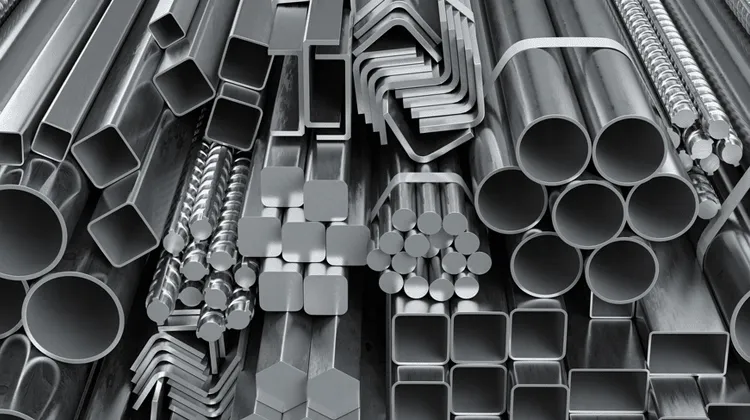
Aluminum has become one of the most important materials in modern industry. Although its large-scale industrial use only began in the last century, aluminum is now used in almost every major manufacturing sector around the world.
From transportation and construction to aerospace, power systems, cement plants, and household products, aluminum plays a critical role because it is lightweight, durable, corrosion-resistant, and highly recyclable.
For industrial equipment manufacturers, especially companies involved in cement equipment, mining machinery, and heavy industrial systems, aluminum is no longer just an optional material. It has gradually become an important solution for improving equipment efficiency, reducing transportation costs, and extending service life.
In this article, we will take a closer look at the properties of aluminum, its industrial applications, everyday uses, and why it continues to shape the future of global manufacturing.
Why Is Aluminum So Important in Modern Industry?
One reason aluminum has become so valuable is that modern industries are constantly looking for materials that are both strong and lightweight. Traditional steel is still widely used, but many industries now require equipment and structures that are easier to transport, more energy-efficient, and more resistant to corrosion. Aluminum offers a practical balance between performance, durability, and sustainability.
Today, aluminum can be found in industries such as:
- automotive manufacturing
- aerospace engineering
- construction
- electrical transmission
- robotics
- industrial machinery
- renewable energy systems
- cement plant equipment
As industrial technology continues to evolve, the demand for aluminum is growing rapidly across global markets.
What Are the Main Properties of Aluminum?
Lightweight but Strong
One of the biggest advantages of aluminum is its low density. Aluminum weighs only about one-third as much as steel, which makes it especially useful in industries where reducing weight can improve efficiency.
For example, in transportation and industrial equipment manufacturing, lighter materials help reduce fuel consumption, lower shipping costs, and simplify installation.
This is one of the reasons why aluminum is increasingly used in modern cement equipment and large industrial machinery.
Excellent Corrosion Resistance
Unlike many other metals, aluminum naturally forms a thin oxide layer on its surface when exposed to air. This protective layer helps prevent rust and corrosion, even in humid or chemically aggressive environments.
In industries such as cement production, mining, and marine engineering, equipment is often exposed to dust, moisture, chemicals, and high temperatures. Aluminum components can maintain stable performance under these conditions while reducing long-term maintenance costs.
Good Thermal and Electrical Conductivity
Aluminum is also known for its excellent heat transfer and electrical conductivity.
Although copper conducts electricity better, aluminum is lighter and more affordable, which makes it widely used in:
- power transmission lines
- industrial cooling systems
- heat exchangers
- electronic heat sinks
- electrical cables
Many industrial plants choose aluminum because it offers a cost-effective solution without sacrificing efficiency.
Highly Recyclable and Environmentally Friendly
Another major advantage of aluminum is sustainability.
Aluminum can be recycled repeatedly without losing its original properties. More importantly, recycling aluminum uses about 95% less energy compared to producing primary aluminum from raw ore.
As global industries focus more on carbon reduction and green manufacturing, recyclable materials like aluminum are becoming increasingly important.
Industrial Uses of Aluminum
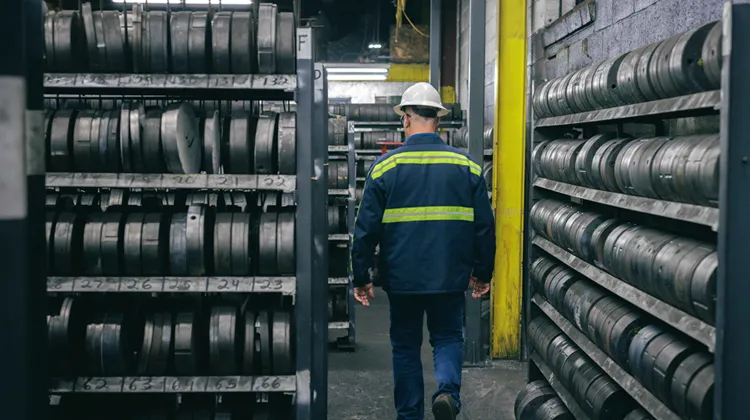
Aluminum in Automotive Manufacturing
Modern vehicles rely heavily on lightweight materials to improve fuel efficiency and reduce emissions. Aluminum is commonly used in car body structures, wheels, engine components, and heavy-duty transportation equipment.
Electric vehicle manufacturers are also increasing their use of aluminum because reducing overall vehicle weight can significantly improve battery performance and driving range.
Aluminum in Aerospace Industry
The aerospace sector has used aluminum alloys for decades because they combine strength with lightweight performance.
Aircraft structures such as fuselage panels, seat tracks, wing components, and internal frameworks often contain high-performance aluminum alloys.
Without aluminum, modern aviation would be far less efficient and much more expensive.
Aluminum in Construction Industry
In modern construction, aluminum is widely used in windows, curtain walls, roofing systems, structural decoration, and industrial buildings.
Architects and engineers prefer aluminum because it is durable, visually clean, corrosion-resistant, and relatively easy to process into different shapes.
For factories and cement plants located in harsh climates, aluminum structures can provide longer service life with lower maintenance requirements.
Aluminum in Cement Equipment and Industrial Machinery
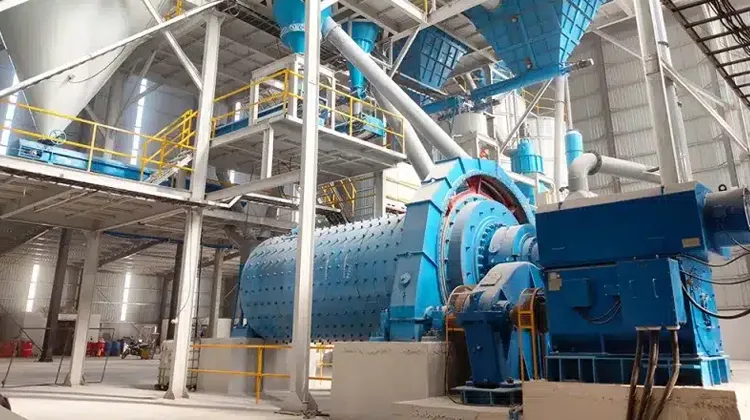
For cement equipment manufacturers, aluminum is becoming increasingly useful in areas where weight reduction and corrosion resistance are important.
Today, aluminum can be found in:
- industrial covers
- ventilation systems
- electrical cabinets
- conveyor components
- cooling systems
- automation equipment
Compared with traditional steel structures, aluminum components can help reduce transportation costs for exported equipment while also improving operational efficiency.
This is especially valuable for large cement production lines that require international shipping and long-term operation in demanding environments.
How Is Aluminum Used in Everyday Life?

Many people do not realize how often aluminum appears in daily life.
For example, aluminum is widely used in:
- beverage cans
- food packaging foil
- kitchen appliances
- refrigerators and freezers
- doors and window frames
- electrical wiring
- decorative materials
- reflective surfaces
- household tools
Because aluminum is lightweight, hygienic, and recyclable, it has become one of the most practical materials for both industrial and consumer applications.
Interesting Facts About Aluminum
Aluminum has several unique characteristics that many people may not know about.
For example, aluminum foil can withstand very high temperatures, which is why it is commonly used in cooking and baking applications around the world.
Hair stylists also use aluminum foil because it transfers heat efficiently during hair coloring processes.
In architecture, aluminum has been used in famous landmarks and skyscrapers because of its durability and decorative appearance.
Even in the food industry, certain aluminum compounds are sometimes used in baking and food processing applications, although their usage must follow strict safety regulations.
The Future of Aluminum Applications
As industries continue moving toward automation, energy efficiency, and sustainable manufacturing, aluminum will likely become even more important in the future.
Growing industries such as:
- electric vehicles
- renewable energy
- smart factories
- robotics
- advanced industrial machinery
are all increasing their demand for high-performance aluminum materials.
For industrial equipment manufacturers, using aluminum strategically can help improve product competitiveness in the international market while supporting long-term sustainability goals.
Conclusion
Aluminum has become one of the most valuable industrial materials in the modern world. Its lightweight structure, corrosion resistance, conductivity, and recyclability make it suitable for a wide range of applications, from aerospace engineering to cement equipment manufacturing.
As global industries continue to upgrade toward greener and more efficient production systems, aluminum will remain an essential material for future industrial development.
FAQ
1. Why is aluminum widely used in industrial equipment?
Aluminum is widely used because it is lightweight, durable, and resistant to corrosion. In industrial equipment manufacturing, using aluminum can help reduce transportation costs, improve efficiency, and extend equipment service life.
2. Can aluminum be recycled?
Yes. Aluminum is one of the most recyclable metals in the world. It can be recycled many times without losing its quality, and recycling aluminum uses much less energy than producing new aluminum from raw materials.
3. Is aluminum better than steel?
Aluminum and steel both have their advantages. Aluminum is lighter and more resistant to corrosion, while steel is usually stronger and less expensive. In many industrial applications, manufacturers combine both materials to achieve better performance and cost balance.


 English
  Russian
  Arabic
  Vietnamese
  Spanish
  French
  Portuguese
  Japanese
  Chinese