


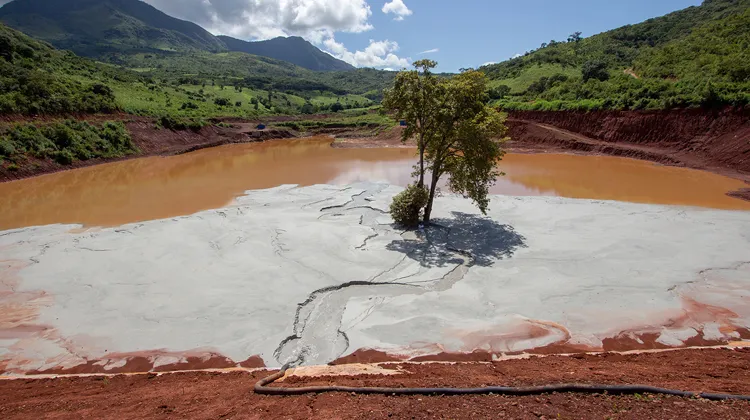
Tailings can be dangerous mining wastes that require strict management, but they can also become secondary resources for cement, concrete, bricks, road base and mine backfill. The key is scientific testing, safe treatment and proper utilization. For cement equipment, mining equipment and solid waste recycling projects, tailings utilization is becoming an important direction with both environmental value and commercial potential.
What Are Tailings?
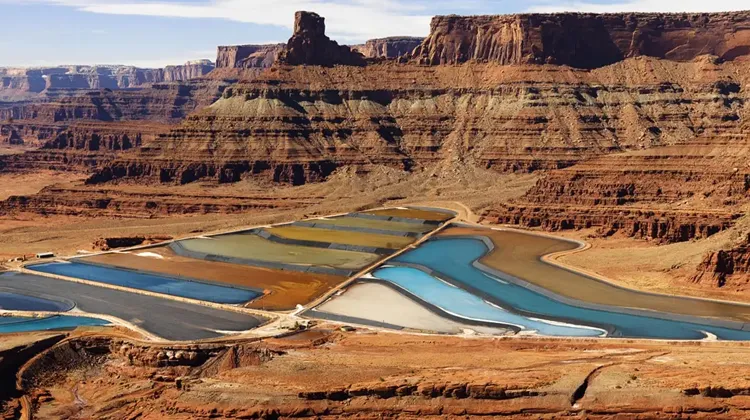
Tailings are the materials left after a mineral processing plant extracts valuable minerals from ore. During mineral processing, ore is usually crushed, ground and treated by flotation, magnetic separation, gravity separation, leaching or other processes. After the target minerals or metals are recovered, the remaining fine mineral particles, waste rock powder, water and sometimes residual reagents form tailings.
In appearance, tailings may look like wet mud, fine sand, powder, slurry or filter cake. However, tailings from different mines can be very different. Iron tailings, copper tailings, gold tailings, lead-zinc tailings, phosphate tailings, rare earth tailings, uranium tailings and stone processing sludge may vary greatly in chemical composition, particle shape, particle size distribution, moisture content, heavy metal content, radioactivity and recycling potential.
Tailings can be classified in several ways. By ore type, they can include iron tailings, copper tailings, gold tailings, lead-zinc tailings, rare earth tailings and uranium tailings. By particle composition, some tailings are sandy, some are silty, and some contain more clay-like fine particles. By water content and discharge method, they can be wet tailings, dry-stacked tailings, filtered tailings or paste tailings. Different ore structures and different processing routes lead to different tailings properties and different reuse possibilities.
In the past, many tailings were not properly utilized, not because they had no value, but because mineral processing technology, reprocessing methods, testing systems and construction material recycling technologies were less advanced. Some valuable minerals could not be fully recovered and remained in tailings. Since reprocessing cost was high, market demand was limited and environmental pressure was lower, many tailings were stored in tailings ponds for long periods.
This is why many mining companies, cement companies and equipment suppliers are paying renewed attention to tailings today. With changing resource prices, stricter environmental regulations, green mine development and solid waste utilization technologies, tailings are shifting from a mining burden to a secondary resource that deserves careful evaluation.
Are Tailings Dangerous?
Tailings can be dangerous, but the level of danger depends on the type of tailings, chemical composition, storage method, management level and surrounding environmental conditions. If tailings are not safely managed and scientifically treated, they may create radiological hazards, heavy metal pollution, chemical reagent residues, dust emissions and tailings dam failure risks.
1. Radiological Hazard
Not all tailings are radioactive, but tailings from certain mineral resources require special attention, such as uranium tailings, some rare earth tailings and tailings containing thorium- or uranium-bearing minerals. These tailings may contain radionuclides and their decay products. If they are stored in the open for long periods, or if seepage control, covering, drainage and monitoring are not properly managed, they may affect groundwater, surface water, soil and nearby ecosystems.
Radiological risks usually have long-term characteristics. They cannot be completely solved by short-term cleaning like ordinary dust or general wastewater. They require long-term monitoring, isolation, seepage control and environmental management. For mine workers and nearby communities, dust inhalation, water contamination and long-term exposure risks must be carefully evaluated.
Therefore, tailings utilization projects involving rare earths, uranium or other potentially radioactive materials should not be treated as ordinary mining waste projects. Companies must conduct radioactivity testing, leaching tests, environmental impact assessment and long-term monitoring, while following local nuclear safety, environmental and occupational health requirements.
2. Heavy Metals Hazard
Heavy metal pollution is one of the most important issues in mine tailings management. Some metal mine tailings may contain lead, cadmium, arsenic, mercury, chromium, copper, zinc, nickel or other elements. If these elements enter soil, water or farmland systems, they may enter the food chain through plant uptake, crop accumulation, animal consumption and water use.
Heavy metal contamination can be persistent, difficult to control and complex in its transport pathways. Once pollution spreads, remediation costs are usually high, and it may be difficult to restore the original environmental condition. For tailings storage facilities near farmland, rivers, groundwater sources or residential areas, heavy metal leaching risk must be taken seriously.
For tailings recycling projects, this is critical. If tailings are used in cement, concrete, bricks, road base or backfill materials, it is not enough to check particle size and major oxide composition. Heavy metal content and leaching behavior must also be tested. Even if tailings look like ordinary fine sand, they cannot be directly used as construction materials if harmful elements exceed safety limits.
3. Chemical Agent Hazard
Mineral processing often uses different chemical reagents. Gold cyanidation may use cyanide. Flotation may use xanthate collectors, dithiophosphate collectors, frothers, modifiers, flocculants and depressants. Some reagents may enter tailings slurry and tailings storage facilities. If they are not properly treated, they may create water pollution, toxic release or occupational health risks.
Cyanide is one of the most closely watched reagents in gold processing. Under poor management conditions, cyanide-containing wastewater or tailings slurry may pollute water bodies and harm workers, animals and ecosystems. Other flotation reagents have different toxicity levels, but if residues are high, they may also affect tailings pond water quality, the surrounding environment and later recycling use.
This does not mean all tailings are immediately fatal because of chemical residues. The real risk often appears when reagent residues are high, tailings ponds leak, wastewater treatment is insufficient, ventilation is poor or worker protection is inadequate. Before tailings are reused, residual reagents, pH value, soluble salts, leaching toxicity and wastewater treatment requirements should be tested.
4. Tailings Dam Failure Risk
Tailings dam failure is one of the most serious risks in tailings management. Tailings storage facilities often hold large volumes of tailings slurry, fine solids and process water for long periods. They require continuous investment, monitoring, maintenance and engineering management. If the dam design is poor, drainage fails, monitoring is weak, or extreme rainfall, earthquakes or liquefaction occur, severe accidents may happen.
A tailings dam is not an ordinary stockpile, and it should not be managed simply like a conventional water reservoir dam. Tailings particles are fine and often contain large amounts of water. During long-term storage, seepage, settlement, liquefaction, drainage and dam stability interact with each other. Once a dam fails, a large volume of tailings slurry can flow downstream rapidly, causing casualties, ecological damage, farmland pollution, river contamination and major economic losses.
Historical tailings dam disasters show how serious this risk can be. The 1985 Stava tailings dam failure in Italy caused heavy casualties and became one of the serious mining safety disasters in Europe. The 2019 Brumadinho tailings dam collapse in Brazil also caused major loss of life and ecological damage. These accidents have pushed the global mining industry to pay more attention to tailings safety, tailings reduction, dry stacking, paste backfill and resource utilization.
If Tailings Are Dangerous, Why Are They Also Precious Treasures?
Tailings are considered potential resources because they are not always useless wastes. Many tailings still contain silicon, aluminum, iron, calcium, magnesium and other mineral components. Some tailings may also contain residual valuable metals or minerals. In the past, due to technical, economic or market limitations, these components were not fully recovered. With the development of reprocessing technology, solid waste construction materials and cement co-utilization, the value of tailings is being rediscovered.
For cement equipment and construction material industries, tailings recycling is not only about reducing storage volume. It is about converting mining waste into industrial raw materials. Depending on their properties, tailings can be used as cement raw materials, supplementary cementitious materials, concrete fine aggregates, manufactured sand, bricks, blocks, road base materials, mine backfill and paste backfill.
However, transforming tailings from dangerous wastes into precious resources requires scientific testing and proper processing. Untested tailings should not be directly added to construction materials, especially when they may contain heavy metals, radioactivity, cyanide or high sulfur content. A valuable tailings utilization project must solve three problems at the same time: environmental safety, product quality and economic feasibility.
Main Ways to Reuse Tailings in Cement and Construction Materials

1. Tailings as Cement Raw Materials
Some tailings contain oxides such as SiO₂, Al₂O₃, Fe₂O₃, CaO or MgO. These components may correspond to siliceous, aluminous, ferruginous or calcareous raw materials used in cement production. If the chemical composition is suitable and sulfur, chloride, alkali, heavy metals and radioactivity are controlled, tailings can be used as partial alternative raw materials for cement clinker production.
For cement plants, this can create two types of value. First, it can reduce the consumption of natural raw materials and improve industrial solid waste utilization. Second, if the tailings composition is stable, it may help optimize the cement raw meal formulation and reduce part of the raw material and transportation cost. This is especially practical when the mine and cement plant are located close to each other.
However, before tailings enter a cement kiln, strict testing is required. Companies need to analyze chemical composition, particle size, moisture content, loss on ignition, sulfur, chloride, alkali and harmful element leaching behavior. Tailings are suitable for large-scale cement use only when they do not negatively affect clinker burning, kiln stability, cement performance or environmental emissions.
2. Tailings as Supplementary Cementitious Materials
Some tailings may show certain reactivity after mechanical activation, thermal activation or alkali activation, and may be used as supplementary cementitious materials. This route is more suitable for tailings with relatively stable mineral composition, controllable fineness and potential reactivity.
However, tailings cannot be used as supplementary cementitious materials simply because they are fine powders. The key factors are mineral composition, glass phase content, activity index, fineness, water demand, strength development and durability. Some tailings have low natural reactivity. If they are used directly to replace too much cement, they may reduce early strength or affect concrete workability. Therefore, laboratory mix design, strength testing, durability testing and long-term verification are necessary before determining the right replacement ratio.
For cement equipment suppliers, this application may involve grinding mills, ultrafine mills, vertical roller mills, ball mills, calcination systems, dosing systems and mixing systems. If customers want to improve tailings reactivity, the solution should not only focus on making the powder finer. It should also balance energy consumption, activation effect and final product value.
3. Tailings as Fine Aggregate or Manufactured Sand
Many tailings have particle sizes close to fine sand, silt or stone powder. After dewatering, classification, washing, stabilization and quality testing, they may be used as concrete fine aggregate, mortar material or partial manufactured sand replacement.
When tailings are used as fine aggregate, particle size distribution, mud content, water absorption, harmful substances and particle shape must be controlled. If the particles are too fine, water demand may increase. If mud content is too high, the bond between cement paste and aggregate may be affected. If heavy metals or reagent residues are present, leaching tests and environmental evaluation are required.
Therefore, tailings sand is not a simple substitute for natural sand. It should be classified and proportioned according to the target product. In some projects, tailings sand can be blended with manufactured sand, river sand, stone powder or other aggregates to obtain better gradation and more stable concrete performance.
4. Tailings for Bricks, Blocks and Masonry Units
Tailings can also be used to produce fired bricks, non-fired bricks, blocks, paving bricks and other masonry materials. Tailings with fine particle size and suitable silicate or aluminosilicate content may be converted into building products through pressing, molding, steam curing, sintering or cementitious solidification.
This route is especially suitable for projects close to mining areas or local building material markets. Bricks and blocks are high-volume products but usually have limited unit value and transport radius. If tailings resources, binders, forming equipment, curing conditions and local demand match well, a stable tailings-based building material project can be developed.
In terms of equipment, this type of project may require tailings dewatering, drying, crushing and screening, dosing and mixing, molding and pressing, steam curing or sintering systems, along with dust collection, wastewater treatment and quality testing systems. For an international cement equipment website, this is also a strong application area for presenting a complete tailings recycling solution.
5. Tailings for Road Base and Mine Backfill
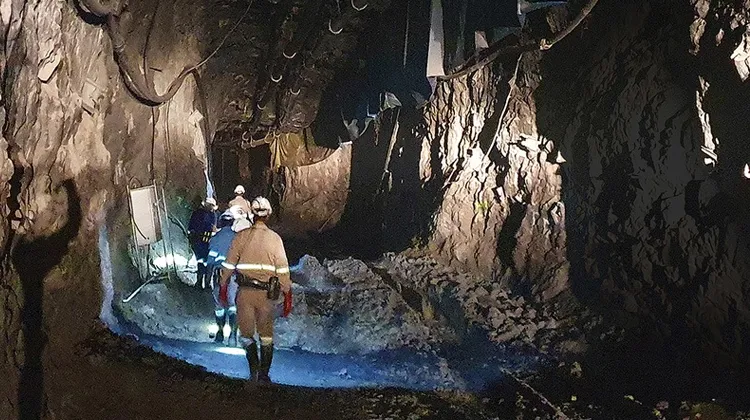
After dewatering, classification or mixing with cement, fly ash, slag or other binders, tailings can be used for road base materials, mine site backfill, underground void filling and paste backfill. For underground mines, paste backfill can reduce surface tailings storage, support mined-out areas, reduce surface subsidence and improve mine safety.
Cement equipment companies should pay special attention to paste backfill because these projects usually require thickeners, filtration equipment, mixing systems, binder dosing systems, pumps, pipelines and automation controls. For mining customers, paste backfill is not only about waste disposal. It connects tailings management, mine safety and resource utilization.
How to Turn Tailings into Useful Materials?
Tailings recycling is not a single processing step. It is a complete system that includes testing, dewatering, classification, activation, mixing and quality verification. Since tailings properties vary greatly, companies must first understand the composition, risk and target application before building a tailings treatment or construction material plant.
Step 1: Tailings Characterization
The first step in tailings utilization is systematic testing. Tests usually include chemical composition, mineral composition, particle size distribution, moisture content, density, loss on ignition, sulfur content, chloride content, heavy metal content, radioactivity and leaching behavior. If tailings are intended for cement or concrete systems, activity index, water demand, soundness, strength development and durability should also be tested.
This stage determines the most suitable recycling route. Some tailings are suitable as cement raw materials, some as fine aggregates, some as bricks, and others as road base or paste backfill. Tailings with high radioactivity, heavy metal risk or reagent residue may require stabilization or safe disposal before any construction material use.
Step 2: Dewatering and Drying
Many tailings exist as slurry and contain high moisture. Before they can be used in cement, concrete, bricks or road materials, they usually need thickening, dewatering or drying. Common equipment includes thickeners, ceramic filters, belt filters, plate-and-frame filter presses, vacuum filters, dewatering screens and dryers.
Dewatering not only reduces transportation and storage cost, but also improves downstream grinding, screening, mixing and dosing stability. If moisture content is too high, it may cause equipment blockage, unstable proportioning, higher drying energy consumption and lower production efficiency. Therefore, dewatering is often a core front-end process in tailings recycling projects.
Step 3: Classification and Beneficiation
Some tailings still contain recoverable minerals, and different particle sizes may be suitable for different applications. Before recycling, screening, hydrocyclone classification, magnetic separation, flotation or gravity separation can be used to recover valuable components and separate tailings into different products.
For example, coarser tailings sand may be used for road base, mine backfill or fine aggregate. Finer tailings powder may be used for cementitious materials, bricks or mineral additive research. Proper classification improves resource utilization and reduces downstream processing difficulty.
Step 4: Grinding, Activation or Calcination
If tailings are used as supplementary cementitious materials, cement-based materials or higher-value building material raw materials, further grinding, mechanical activation, thermal treatment or alkali activation may be required. Grinding increases specific surface area and improves particle contact. Mechanical activation may improve the reactivity of certain tailings. Calcination or thermal activation may be suitable for tailings containing clay minerals or potentially reactive phases.
However, activation is not always better. Grinding and calcination increase energy consumption and equipment investment. Therefore, the process must be evaluated according to tailings reactivity, final product price and market demand. If tailings are more suitable as fillers, fine aggregates or road materials, excessive grinding and activation may not be economical.
Step 5: Mixing and Product Manufacturing
Processed tailings can enter different production lines. If used as cement raw materials, they enter raw meal proportioning, grinding and clinker burning systems. If used as concrete fine aggregates, they must be combined with cement, coarse aggregates, water and admixtures through mix design. If used for bricks or blocks, they go through dosing, mixing, molding, curing or sintering. If used for paste backfill, they are mixed with binders and water before being pumped to underground voids.
At this stage, stable dosing and continuous mixing are very important. If tailings composition fluctuates, cement raw meal, concrete strength, brick quality or backfill strength may become unstable. Therefore, tailings utilization projects usually require homogenized storage, automatic dosing, online testing and quality control systems.
Step 6: Quality Control and Safety Verification
Products made with tailings must meet local construction material standards and environmental regulations. For cement and concrete products, testing may include strength, setting time, volume stability, durability, chloride content, sulfate content, alkali content and harmful substance leaching. For road materials and backfill, strength, compaction performance, flowability, bleeding rate, permeability and long-term stability should be tested.
Only after these tests can tailings-based products enter engineering markets. Otherwise, even if tailings appear usable, unstable quality, environmental risk or engineering risk may prevent large-scale application.
Equipment Used in Tailings Recycling Projects
Tailings recycling projects often involve mining equipment, cement equipment, environmental equipment and construction material production equipment. Depending on the treatment target, common equipment includes thickeners, filters, filter presses, dryers, ball mills, vertical roller mills, ultrafine mills, classifiers, mixers, rotary kilns, brick machines, dust collectors, water treatment systems and automation controls.
A thickener is used to increase tailings slurry concentration, reduce water content and improve downstream dewatering efficiency. It is often a key front-end machine in dry tailings discharge and paste backfill projects.
Filter presses and filtration equipment are used to dewater tailings slurry into filter cakes. This reduces moisture content and makes the material easier to transport, store or further process. Plate-and-frame filter presses, belt filters, ceramic filters and vacuum filters can be selected according to particle size, mud content and required capacity.
Dryers are used to reduce moisture so that tailings powder can enter grinding, mixing, brick making or cement proportioning systems. For cement plants, moisture control directly affects grinding efficiency, heat consumption and proportioning stability.
Ball mills, vertical roller mills and ultrafine mills can be used for tailings grinding and mechanical activation. If tailings are used as cement-based materials, mineral additives or high-fineness fillers, fineness control is very important.
Rotary kilns, calciners or thermal treatment systems can be used for certain tailings that require thermal activation, especially tailings containing clay minerals, carbonates or potentially reactive phases.
Mixing systems, forming equipment and curing systems are used for tailings bricks, blocks, paste backfill materials and cement-based products.
Dust collection systems, water treatment systems and automation controls help ensure environmental performance, safety and stable operation.
Benefits for Cement and Mining Companies
For mining companies, tailings recycling can reduce pressure on tailings storage facilities, lower long-term storage risks, improve environmental performance and create new product revenue. This is especially meaningful in regions where tailings storage capacity is limited, environmental requirements are becoming stricter or mine closure and rehabilitation pressure is increasing.
For cement companies, tailings may become alternative raw materials, mineral additives or raw materials for extended building material products. Cement plants already have grinding, calcination, proportioning, laboratory testing and large-scale industrial production capabilities, giving them advantages in tailings co-utilization. If the tailings composition is suitable, cement companies can reduce natural raw material consumption and expand into solid waste treatment and construction material products.
For equipment suppliers, tailings recycling creates opportunities for complete production lines instead of only single-machine sales. From dewatering, drying, grinding, calcination, mixing and forming to dust control and automation, each stage requires professional equipment and engineering solutions.
Key Considerations Before Starting a Tailings Utilization Project
Before building a tailings utilization project, companies should clarify several key questions. What type of tailings are available? Are they iron tailings, copper tailings, gold tailings, lead-zinc tailings, phosphate tailings, rare earth tailings, uranium tailings or another type? Is the chemical composition stable? Do the tailings contain high sulfur, chloride, alkali, heavy metals, radionuclides or residual reagents?
The particle size distribution and moisture content should also be confirmed. Are the tailings sandy, silty or clay-like? Is thickening, filtration, drying or dry stacking required? What is the target product? Cement raw material, supplementary cementitious material, fine aggregate, manufactured sand, brick, road base or paste backfill?
Local construction material standards and environmental requirements must also be considered early. If there are nearby cement plants, concrete batching plants, road projects, mine backfill demand or brick markets, the tailings utilization project is more likely to form a commercial closed loop. For international projects, suppliers should ideally provide a complete solution from tailings testing, process design and equipment selection to plant layout, installation, commissioning and after-sales service.
Conclusion
Tailings can be dangerous wastes, but they can also become precious resources. The difference depends on scientific testing, safe management and proper utilization. Unmanaged tailings may create radiological pollution, heavy metal contamination, chemical reagent residues, dust emissions and tailings dam failure risks. Properly processed tailings can enter cement, concrete, aggregate, brick, road material and mine backfill applications.
For cement equipment, mining equipment and solid waste recycling projects, tailings utilization is not only an environmental topic. It is also an engineering and business opportunity. Through testing, dewatering, classification, grinding, activation, mixing, forming and quality control, tailings can be transformed from dangerous wastes into precious treasures, creating new value for mining companies, cement plants and construction material producers.
If you are planning a tailings recycling project, a customized solution for dewatering, drying, grinding, activation, mixing, cement production, brick making or paste backfill can help turn mine waste into useful construction materials.
FAQ
1. What are tailings?
Tailings are the waste materials left after valuable minerals are extracted from ore in a mineral processing plant. They usually contain fine mineral particles, waste rock powder, water and sometimes residual processing chemicals.
2. Are tailings dangerous?
Tailings can be dangerous if they are not properly managed. Potential risks include radiological hazards, heavy metal pollution, chemical reagent residues, dust generation, water contamination and tailings dam failure.
3. Why were tailings stored in tailings ponds in the past?
In the past, mineral processing technology was less advanced, and many valuable minerals could not be fully recovered from ore. Because recycling technology and market demand were limited, tailings were often stored in tailings ponds for long periods.
4. Can tailings be used in cement production?
Yes. Some tailings can be used as alternative raw materials in cement production if their chemical composition is suitable and harmful elements are controlled. Laboratory testing and quality control are required before industrial use.
5. Can tailings replace natural sand in concrete?
Some tailings can partially replace natural sand or fine aggregate after proper classification, washing and testing. The replacement ratio depends on particle size, mud content, chemical safety, workability and concrete strength requirements.
6. What equipment is used for tailings recycling?
Common equipment includes thickeners, filter presses, dryers, ball mills, vertical mills, classifiers, mixers, brick machines, rotary kilns, dust collectors, water treatment systems and automation control systems.
7. What tests are needed before using tailings in construction materials?
Important tests include chemical composition, mineral composition, particle size distribution, moisture content, heavy metal content, radioactivity, residual reagent content, leaching behavior, strength performance and durability.
8. How can tailings become valuable resources?
Tailings become valuable when they are properly characterized, processed and matched with the right application. Through dewatering, classification, grinding, activation, mixing and quality control, mine waste can be transformed into useful cement and construction materials.


 English
  Russian
  Arabic
  Vietnamese
  Spanish
  French
  Portuguese
  Japanese
  Chinese