



Diabase is a hard, dense and wear-resistant rock resource widely used in construction aggregates, road projects, railway ballast and high-strength concrete. For quarry owners, cement plants, concrete batching plants and contractors, a well-designed diabase crushing plant can process hard rock into manufactured sand and multiple sizes of aggregates, improving both raw material utilization and project profitability.
What Is Diabase?
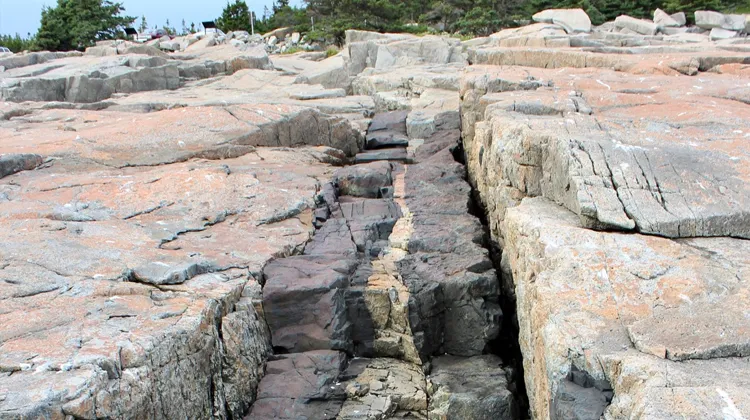
Diabase, also known as dolerite in some regions, is a mafic igneous rock. It is usually dark gray, black or greenish black in color, with a dense structure and fine to medium-grained texture. Because of its strength and wear resistance, diabase has strong practical value in aggregate production and infrastructure construction.
From an engineering perspective, the most important feature of diabase is its hardness and durability. Diabase is generally considered a hard rock, with a Mohs hardness of around 6–7. This means that the crushing process requires stronger equipment and more wear-resistant parts, such as jaw plates, mantles, concaves, liners and VSI wear parts. However, this same hardness also makes the final aggregate products stronger and more suitable for demanding construction applications.
Compared with softer rocks such as limestone and sandstone, diabase usually has better wear resistance and compressive performance. Limestone is easier to crush and may have lower processing cost, but for high-strength concrete, heavy-duty roads, railway ballast and port foundations, diabase aggregates often provide better engineering value. Therefore, a diabase crushing plant is not only used to break stone. It is used to convert hard rock into stable, durable and marketable manufactured sand and construction aggregates.
Why Is Diabase Suitable for Manufactured Sand?
Diabase is suitable for manufactured sand production not because it is easy to process, but because the final product can meet the quality needs of many engineering projects. For international buyers, the real concerns are particle shape, gradation, mud content, product consistency and whether the final sand can be used in concrete, road construction, railway projects and infrastructure works.
After proper crushing, shaping and screening, diabase can produce manufactured sand with better particle shape and continuous particle size distribution. Manufactured sand is not valuable simply because it is fine. High-quality manufactured sand needs a reasonable gradation so that the particles can form a stable packing structure in concrete. This helps the sand work better with cement paste and improves the overall performance of concrete.
Because diabase is dense and strong, cleaner raw material with lower weathering can often produce manufactured sand with relatively low mud content. However, the actual process still depends on the raw material condition. Some quarries may contain soil, weathered layers or excessive fines, so pre-screening, sand washing, fine sand recovery or powder control systems may be required according to the final product standard.
For high-strength concrete, aggregate durability is especially important. Diabase manufactured sand and crushed stone aggregates have good strength and wear resistance, making them suitable for ready-mix concrete plants, precast concrete factories, cement product plants and large construction projects. If the crushing plant can consistently control particle shape, gradation and stone powder content, diabase manufactured sand can become an important alternative to natural sand.
Diabase sand making also offers stable supply advantages. Natural sand can be affected by resource restrictions, environmental policies, transportation distance and price fluctuations. If a local diabase quarry has stable reserves, a crushing and sand making plant can create a continuous aggregate supply system. For long-term construction projects, stable material supply is often more important than the lowest purchase price.
Main Applications of Diabase Sand and Aggregates
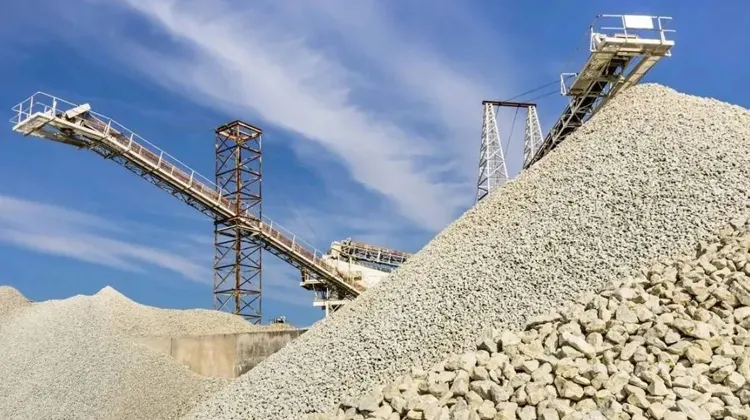
Diabase manufactured sand and aggregates can be widely used in highways, railways, concrete production, port construction and cement-related projects. Since different applications require different product sizes and quality levels, the target market should be confirmed before designing the plant.
In highway construction, diabase crushed stone can be used for road base, surface aggregates, asphalt mixtures and drainage layers. Roads are exposed to long-term vehicle loads and abrasion, so aggregate strength and wear resistance are important. Properly crushed and screened diabase can provide a stable aggregate source for road projects.
In railway projects, diabase can be used as railway ballast. Railway ballast must have good compressive strength, wear resistance and drainage performance so that it can support the track structure and maintain railway stability. After proper crushing and screening, diabase can form strong and stable ballast material.
In high-strength concrete projects, diabase manufactured sand and crushed stone can be used as fine and coarse aggregates. For ready-mix concrete plants, precast concrete factories and cement product manufacturers, aggregate quality directly affects concrete strength, workability and long-term durability. Stable particle shape, reasonable gradation and controlled powder content are key quality indicators for a diabase sand making plant.
In port foundations, bridges, water conservancy works and large infrastructure projects, large amounts of strong and durable aggregates are required. Because diabase is hard and dense, it is suitable for foundation projects with higher load-bearing requirements. If the project is close to a diabase quarry, local aggregate production can also reduce transportation cost and improve supply stability.
For cement-related projects, a diabase crushing and sand making plant can work together with cement plants, concrete batching plants, dry mortar lines and precast concrete projects. This can improve resource utilization and help cement companies expand from cement production into aggregates, ready-mix concrete and construction material supply.
How Is Diabase Crushed and Made into Sand?
Turning diabase into manufactured sand cannot be done by one single machine. It requires a continuous processing system. When customers choose a diabase crushing solution, they usually care about four main issues: whether the equipment is durable, whether the final particle shape is good, whether the product can meet engineering standards, and whether the whole plant can generate long-term economic returns.
A complete diabase crushing and sand making plant usually includes feeding, primary crushing, secondary crushing, sand making and shaping, screening and classification, sand washing and recovery, dust control and electrical control. Each stage affects final product quality, equipment wear, power consumption and maintenance cost.
Step 1: Raw Material Feeding
Diabase raw stone is usually large and hard, so the feeding system must be stable. A vibrating feeder does more than move stone into the crusher. It controls the feeding speed and helps the material enter the primary crusher evenly. If feeding is unstable, the crusher may face sudden overload, blockage, output fluctuation or faster wear.
If the raw material contains soil, fine particles or weathered layers, a pre-screening device can be added before primary crushing. Pre-screening removes fines that do not need to enter the crusher, reduces the load on the jaw crusher and improves the cleanliness of the final sand. This step is especially important for quarries with higher mud content.
Step 2: Primary Crushing
The primary crushing stage usually uses a jaw crusher. A jaw crusher has a large feed opening and a strong structure, making it suitable for large hard rocks such as diabase. It is commonly used as the first crusher in a diabase crushing plant.
At this stage, the goal is not to produce finished sand directly. The purpose is to reduce large diabase rocks to a size suitable for secondary crushing. When selecting a jaw crusher, key factors include maximum feed size, required capacity, discharge size adjustment range, jaw plate material and overall machine strength. If the jaw crusher is too small, the plant may suffer from blockage, insufficient capacity and frequent maintenance.
Step 3: Secondary Crushing
The secondary crushing stage usually uses a cone crusher. For hard rocks such as diabase, a cone crusher is often more suitable for long-term operation than an impact crusher. Impact crushers can perform well with softer or medium-hard rocks, but when processing high-hardness diabase, blow bars and impact plates may wear faster, increasing long-term operating cost.
The cone crusher further reduces the size of the material and prepares it for screening or sand making. For projects mainly producing crushed stone aggregates, a cone crusher and vibrating screen can produce multiple sizes such as 5–10mm, 10–20mm and 20–31.5mm. For projects focused on manufactured sand, a VSI sand making machine is usually installed after cone crushing.
Step 4: Sand Making and Shaping
The VSI sand making machine is one of the core machines in a diabase sand making plant. It can process part of the crushed material into 0–5mm manufactured sand and improve the particle shape, making the final sand more cubic.
This stage directly affects the market value of the manufactured sand. If the final sand contains too many flaky particles, has poor shape or unstable gradation, it will be difficult to enter high-quality concrete and major engineering markets, even if the plant has high output. With a VSI sand making machine, a proper return material ratio and effective screening control, the final sand shape can be improved and the sand can become more suitable for concrete applications.
For hard rock such as diabase, the service life of VSI wear parts is also important. Choosing suitable rotor structure, wear tips, liners and wear-resistant materials can reduce shutdown frequency and improve continuous operation.
Step 5: Screening and Classification
The screening system determines the final product sizes. A multi-layer vibrating screen can classify crushed material into different fractions, such as 0–5mm manufactured sand, 5–10mm small aggregate, 10–20mm concrete aggregate and 20–31.5mm coarse aggregate.
Qualified material is sent to finished stockpiles or storage silos, while oversized or unqualified material returns to the cone crusher or VSI sand making machine for reprocessing. This closed-circuit system may look simple, but it has a major impact on product quality and profitability. If screening efficiency is low, the plant may face mixed products, excessive return load, lower output and higher energy consumption.
Step 6: Sand Washing and Fine Sand Recovery
Whether sand washing is required depends on raw material cleanliness and market requirements. If the diabase raw material is clean and the target market accepts a certain amount of stone powder, dry sand making may be enough. If the raw material contains mud or the final sand is used for higher-standard concrete, a sand washer, dewatering screen and fine sand recovery system are recommended.
Sand washing helps reduce mud and impurities, while fine sand recovery reduces the loss of fine particles and improves final sand yield. For projects with limited water resources or stricter environmental requirements, a sedimentation tank, water recycling system or filter press can be added to reuse water and reduce wastewater discharge.
Step 7: Dust Control and Automation
Diabase crushing and sand making can generate dust, especially at crushing, screening, transfer and discharge points. Modern aggregate projects pay more attention to environmental protection, so the production line often needs water spraying, enclosed conveyors, bag dust collectors or centralized dust control systems.
Automation can also improve plant stability. With a centralized electrical control cabinet, PLC control, sensors and remote operation, operators can monitor equipment status more easily, reduce manual intervention and improve production safety. For large diabase crushing plants, automation not only reduces management difficulty but also helps avoid shutdowns and quality fluctuations caused by unstable operation.
Recommended Configuration for a Diabase Crushing Plant
Different projects have different raw material conditions, capacity requirements, final product specifications and investment budgets. The equipment configuration should not be copied from a fixed list. A professional solution should be customized according to raw material testing, site conditions and market demand.
Basic Diabase Aggregate Production Line
If the project mainly produces crushed stone aggregates, a basic configuration can include a vibrating feeder, jaw crusher, cone crusher, vibrating screen, belt conveyors and electrical control system.
This solution has a clear process and relatively lower investment. It is suitable for producing road base materials, general concrete aggregates and construction stone. For customers entering the aggregate industry for the first time, this type of plant is easier to manage and can help open the local crushed stone market.
Diabase Sand Making Plant
If the project focuses on manufactured sand and high-quality fine aggregates, a VSI sand making machine, sand washer, fine sand recovery machine, dust control system and finished product silos should be added after the basic crushing system.
This configuration can produce 0–5mm manufactured sand and multiple aggregate sizes at the same time. It is more suitable for concrete batching plants, cement product factories, dry mortar projects and commercial aggregate suppliers. Compared with producing only crushed stone, manufactured sand usually offers higher added value, but it also requires better process design and stricter quality control.
High-Capacity Hard Rock Crushing Plant
For large quarries, cement mine supporting projects and long-term continuous supply projects, the plant can use a heavy-duty vibrating feeder, large jaw crusher, multi-cylinder hydraulic cone crusher, VSI sand making machine, multi-layer vibrating screen, centralized dust control system, automation control system, storage silos and truck loading system.
This type of solution focuses on continuous operation, low downtime, lower maintenance cost and long-term return on investment. Although the initial investment may be higher, it can help reduce the cost per ton if the project has stable raw material reserves and a reliable sales market.
Key Factors That Affect the Profitability of Diabase Sand Making
Whether a diabase sand making project is profitable depends on more than the purchase price of the machines. The real profit is affected by final product quality, equipment wear, power consumption, production stability, maintenance support and local market demand.
Equipment durability is a core issue in hard rock projects. Diabase has high hardness and causes wear on crusher and sand maker parts. If the machine structure is not suitable for hard rock, or if wear parts are not stable, the plant may face frequent shutdowns, high maintenance cost and unstable output. Therefore, customers should not only compare prices, but also pay attention to machine material, structural strength and the supplier’s hard rock project experience.
Final particle shape directly affects the selling price. Manufactured sand with better shape is more likely to be accepted by concrete plants and engineering projects. Products with too many flaky particles or unstable gradation are often sold at lower prices. By properly configuring cone crushers, VSI sand makers and screening systems, the plant can improve the cubic particle ratio and make the final product more competitive.
Quality standards are especially important for overseas projects. Different countries and regions have different requirements for manufactured sand, concrete aggregates, road aggregates and railway ballast. The production line should not be designed only around tons per hour. It should also be designed around product size, mud content, stone powder content, particle shape and gradation.
Operating cost determines long-term returns. Power consumption, wear parts life, labor cost, maintenance time, dust control, water treatment and downtime loss all affect the real cost per ton. A low-price plant that stops frequently may not be more economical than a slightly higher-investment solution with stable operation.
Market demand determines the product direction. Before investing, it is necessary to understand what the local market really needs. Is 0–5mm manufactured sand in higher demand, or is 10–20mm concrete aggregate easier to sell? Is dry sand making enough, or is washing required? Are there nearby highways, railways, ports, cement plants, concrete batching plants or precast factories? Only when the plant design matches market demand can diabase resources become sustainable profit.
How to Choose a Diabase Crushing Plant Supplier
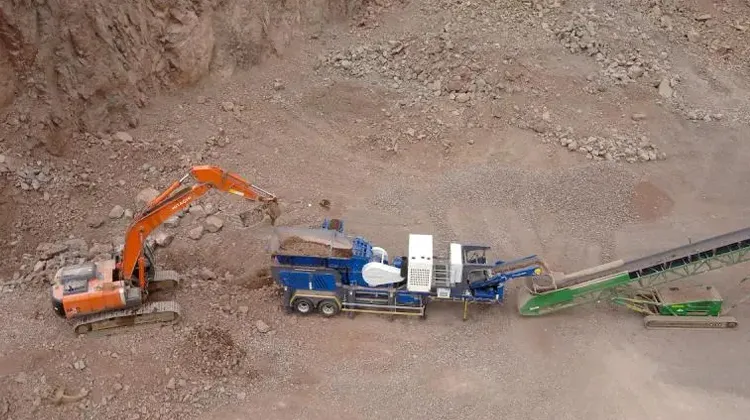
When choosing a supplier for a diabase crushing plant, buyers should not only compare the price of individual machines. Hard rock projects require stronger process design, better equipment matching, stable wear parts supply and reliable after-sales service. If the initial solution is not reasonable, the project may later face low capacity, poor particle shape, high wear cost or frequent shutdowns.
A professional supplier should provide a complete process solution based on raw material hardness, maximum feed size, target capacity, final product sizes, site layout and environmental requirements. For overseas customers, clear process flow, reasonable equipment configuration, installation guidance, spare parts supply and remote technical support can directly affect project commissioning and long-term operation.
If the customer plans to expand capacity in the future, the supplier should also reserve upgrade space in the early design. For example, adding more screening layers, expanding finished product silos, adjusting the return system or adding another VSI sand making machine should be considered in the overall layout. This can reduce future reconstruction cost and make expansion easier.
Conclusion
Diabase is a hard, dense and wear-resistant rock resource that is highly suitable for manufactured sand and construction aggregate production. Through a scientific crushing and sand making process, a diabase crushing plant can process large raw stones into manufactured sand, concrete aggregates, road aggregates, railway ballast and port foundation materials.
For quarries, cement equipment projects, concrete batching plants and infrastructure contractors, a diabase crushing plant is not just a group of machines. It is a complete resource conversion and profit improvement system. Only when the plant is customized according to raw material characteristics, target capacity, product standards, environmental requirements and local market demand can hard rock truly become profitable sand.
If you are planning to build a diabase crushing plant, a customized crushing and sand making solution can help you improve aggregate quality, reduce operating cost and create long-term value from hard rock resources.
FAQ
1. What is diabase?
Diabase is a hard and dense igneous rock, usually dark gray, black or greenish black in color. It has good strength and wear resistance, making it suitable for manufactured sand, construction aggregates and infrastructure projects.
2. What is the Mohs hardness of diabase?
Diabase is generally considered a hard rock, with a Mohs hardness of about 6–7. Because of this hardness, it requires durable crushing equipment and wear-resistant spare parts.
3. Why is diabase suitable for manufactured sand?
Diabase can produce strong and durable manufactured sand after proper crushing, shaping and screening. Its good strength, wear resistance and stable particle structure make it suitable for concrete, road construction and other engineering applications.
4. Is diabase better than limestone for aggregate production?
It depends on the final application. Limestone is easier to crush and may have lower wear cost, but diabase is harder and more wear-resistant. For high-strength concrete, railway ballast, heavy-duty roads and port foundations, diabase can offer stronger aggregate performance.
5. What equipment is used in a diabase crushing plant?
A typical diabase crushing plant may include a vibrating feeder, jaw crusher, cone crusher, VSI sand making machine, vibrating screen, belt conveyors, sand washer, fine sand recovery system, dust collector and electrical control system.
6. Does diabase sand need washing?
Not always. If the raw material is clean and the market accepts dry manufactured sand, washing may not be necessary. If the raw material contains mud or the sand must meet stricter concrete requirements, washing and fine sand recovery are recommended.
7. What are the main applications of diabase aggregates?
Diabase aggregates can be used in highway construction, railway ballast, high-strength concrete, port foundations, bridge projects, water conservancy projects and cement-related construction materials.
8. How can a diabase crushing plant improve profitability?
Profitability can be improved by optimizing product gradation, improving particle shape, reducing wear cost, controlling operating cost, matching local market demand and choosing a durable production line suitable for hard rock.


 English
  Russian
  Arabic
  Vietnamese
  Spanish
  French
  Portuguese
  Japanese
  Chinese