



In construction and decorative projects, the color of cement plays a key role in the visual appeal of the finished structure. For projects that require a bright and uniform appearance, selecting a cement mix that dries white is essential. This article provides a detailed guide on white cement and its mixes, properties, manufacturing processes, applications, and practical tips, helping you achieve the perfect white finish in concrete, mortar, and precast elements. Whether you are an architect, contractor, or design enthusiast, understanding these factors ensures your projects are both attractive and durable.
1. What Is White Cement?
White cement, also known as White Portland Cement, is a hydraulic binder made from high-purity raw materials and finely ground white clinker.
Unlike ordinary cement, it is produced with strict control of iron oxide (Fe₂O₃) and other coloring elements (typically below 0.1%), which gives it a consistent white appearance.
Main composition:
- High-purity limestone (calcium carbonate)
- Kaolin clay
- Gypsum
Key features:
- High whiteness and reflectivity
- Suitable for decorative and architectural use
- Typical strength grades: 32.5 and 42.5
Due to its aesthetic value and high Solar Reflectance Index (SRI), white cement is widely used in modern architecture and premium construction projects.
2. Key Properties of White Cement
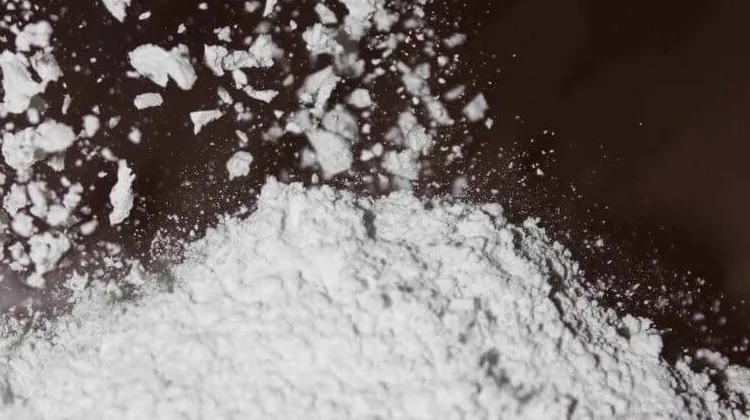
White cement offers not only aesthetic advantages but also reliable engineering performance for both decorative and structural applications.
Key properties include:
- Stable strength grades
Typically 32.5 and 42.5, suitable for most construction needs - Controlled setting time
Initial set ≥ 45 minutes, final set ≤ 10 hours, ensuring workable construction time - Good durability
Provides resistance to corrosion and wear in various environments - Excellent workability
Easy to shape and finish, ideal for detailed and decorative designs
These properties make white cement a balanced choice for both performance and appearance.
3. Which Cement Mix Turns White When Dry?

If you want cement to appear white after drying, selecting white cement alone is not enough. The final color depends on the entire mix design, including aggregates, water quality, and construction conditions.
In practice, a cement mix that dries white is typically a combination of white cement and light-colored aggregates, commonly referred to as white concrete or white mortar. While white cement provides the base color, the aggregates and mixing conditions play a critical role in determining the final appearance.
A standard white concrete mix uses white cement as the binder, combined with materials such as marble chips or quartz sand, along with clean water. This combination minimizes color interference and produces a bright, consistent white surface. For this reason, white concrete is widely used in architectural finishes, decorative panels, and high-end construction projects.
It is important to understand that ordinary cement cannot achieve the same effect, regardless of how the mix ratio is adjusted. Due to its higher iron oxide content, ordinary cement naturally dries to a gray color. Changing the proportion of water or aggregates does not eliminate this inherent coloration. In other words, material selection is more critical than mix proportion when aiming for a white finish.
Even when using white cement, the final result can still be affected by external factors. Dark aggregates can reduce brightness, impure water may cause discoloration, and contamination from tools or molds can lead to uneven surfaces. This is why white concrete applications often require stricter quality control during construction.
To achieve the best results, it is recommended to conduct sample testing before full-scale application. Using high-whiteness cement, selecting light-colored aggregates, and maintaining proper mix ratios will help ensure a clean and uniform white appearance.
4. Types of White Cement Mixes
White cement can be formulated into different types of mixes depending on construction requirements and application scenarios. Each type has specific uses and performance characteristics:
White Portland Cement

White Portland cement is the most common type of white cement, offering high whiteness and excellent reflectivity. It can be used for general structural applications as well as decorative concrete. This type provides both strength and a uniform bright white appearance, making it ideal for premium construction projects.
White Cement Mortar
White cement mortar is typically used for masonry, plastering, and tile installation. Compared to ordinary mortar, it enhances the aesthetic appeal of surfaces, giving walls and floors a clean, bright white finish. It is widely applied in interior decoration, detailed craftsmanship, and exterior finishes.
White Concrete Mix
White concrete combines white cement with light-colored aggregates, water, and optional admixtures. It is commonly used for decorative walls, flooring, landscaping, and precast elements. With proper mix design and construction control, white concrete achieves a bright and uniform white appearance while maintaining strength and durability.
Colored White Cement Mix
By adding alkali-resistant pigments to white cement, soft or pastel color mixes can be created. These mixes are suitable for architectural facades, landscape design, and artistic applications, retaining the high reflectivity of white cement while offering additional design flexibility.
5. Manufacturing Process of White Cement
The bright white color of white cement depends not only on high-purity raw materials but also on a strictly controlled manufacturing process. The production can be divided into several key stages:
High Purity Raw Materials
White cement requires carefully selected raw materials, including high-purity limestone (calcium carbonate), kaolin clay, and a small amount of gypsum. To maintain whiteness, metal oxides such as iron, manganese, and chromium are strictly limited (typically Fe₂O₃ < 0.1%). High-purity materials ensure a uniform and stable white color.
Raw Material Grinding
Selected raw materials are finely ground using vertical mills or ball mills. To avoid iron contamination, grinding equipment is usually made from ceramic or non-metal materials. Fine grinding ensures uniform particle size and prepares the material for efficient clinker formation during calcination.
Clinker Calcination
The ground materials are heated at 1450–1500°C, slightly higher than ordinary cement. A controlled reducing atmosphere prevents iron oxidation that can darken the color, while rapid cooling fixes the clinker structure and preserves whiteness. Calcination is the most critical step for quality and color of white cement.
Clinker Grinding and Additives
After calcination, the clinker is finely ground, often with added gypsum to control setting time. Grinding uses ceramic mills to prevent contamination. Grinding aids may also be added to improve efficiency. The resulting white cement powder has uniform particle distribution, ensuring stable workability for construction.
Summary
The high whiteness and consistent quality of white cement come from strict control across the entire process, from raw material selection and grinding to calcination and final grinding. Every step is crucial, which explains why white cement is more expensive than ordinary cement.
Factors Affecting the Color of White Cement
The final color of white cement depends not only on the cement itself but also on construction materials, environmental conditions, and construction practices. Even high-whiteness cement can appear gray or uneven if these factors are not properly controlled.
Firstly, aggregate color is the most direct factor. White cement concrete must be combined with light-colored or white aggregates, such as quartz sand or marble chips. Dark or contaminated aggregates can significantly reduce brightness.
Secondly, water quality is crucial. Water containing iron, manganese, or sediment can cause spotting or grayish discoloration. Using clean, impurity-free water ensures a uniform white finish.
Thirdly, construction environment and tool contamination can affect color. Rust, dirt, or residues on molds, mixers, or trowels can darken or spot the surface. High-end projects often require dedicated clean tools and a well-maintained site to ensure consistency.
Additionally, mix proportion and construction techniques impact color. Excess water, uneven mixing, or incorrect aggregate ratios can cause streaks or gray tones. Following proper mix designs and construction standards helps maintain a bright, uniform appearance.
Finally, curing conditions are important for color stability. Temperature, humidity, and early-stage curing affect the cement’s final color. Proper moisture curing and a stable environment help preserve a uniform bright white finish.
Summary
Achieving ideal white cement color requires careful control of aggregate color, water quality, contamination, mix proportion, and curing conditions. Neglecting any factor may compromise the final appearance, so strict control throughout the process is essential for a bright and consistent white finish.
White Cement vs Ordinary Cement
| Feature | White Cement | Ordinary Cement |
|---|---|---|
| Color | White | Gray |
| Cost | Higher | Lower |
| Application | Decorative & premium | General |
Applications of White Cement

White cement is widely used in construction and decorative projects due to its high whiteness, excellent reflectivity, and good workability. In modern architecture, it not only provides structural strength but also enhances visual appeal and environmental comfort.
In architectural decoration, white cement is commonly applied to exterior walls, facades, flooring, and fine plastering. Its bright and uniform color highlights building contours and design details, giving structures a modern and premium appearance.
In high-performance concrete, white cement mixes can increase the Solar Reflectance Index (SRI) of concrete surfaces, reducing heat absorption. This improves indoor comfort and contributes to energy savings, making white cement popular in green building and energy-efficient design.
In art and sculpture, white cement provides a clean base for carving, bas-relief, or colored coatings. Designers and artists can create detailed forms and diverse color effects, making it ideal for public art and landscape projects.
Additionally, white cement is suitable for precast elements and high-end decorative products. Its consistent color and excellent workability ensure that products maintain uniform appearance during production, transportation, and installation.
Advantages of White Cement
White cement offers high whiteness and brightness, enhancing the visual appeal of buildings and decorative projects. It is versatile and easy to work with, suitable for concrete, mortar, precast elements, and artistic creations. Its high reflectivity helps reduce heat absorption and improve comfort. Overall, white cement combines aesthetic appeal, durability, and performance, making it ideal for modern and high-end construction projects.
Precautions When Using White Cement
When using white cement, ensure clean tools and a contamination-free environment to prevent rust or stains on the concrete surface. For coloring, use alkali-resistant pigments with less than 5% content to avoid discoloration. After construction, maintain at least 7 days of moisture curing to ensure strength and uniformity. Store white cement properly, avoiding moisture and high temperatures, and verify compatibility with aggregates and admixtures before use. Following these precautions helps achieve a bright, uniform, and long-lasting finish.
Tips for Best Results with White Cement
To achieve a bright, uniform, and long-lasting finish, consider the following tips:
- Use high-whiteness cement
Choose reliable white cement with high whiteness to ensure a stable and bright surface. - Combine with light-colored aggregates
Use light or white aggregates, such as quartz sand or marble chips, to prevent darkening of the concrete. - Control water-cement ratio
Maintain a proper water-cement ratio to avoid grayish streaks or uneven surface caused by excess water. - Keep tools and environment clean
Ensure all tools, molds, and the construction site are free of rust, dirt, or dust to prevent surface contamination. - Proper curing
Maintain at least 7 days of moisture curing after construction to allow complete hydration, improving strength and uniformity. - Conduct sample tests in advance
Prepare small test samples before large-scale application to adjust materials and techniques for the best color and finish.
Conclusion
White cement is the ideal solution for achieving a white finish after drying.
It plays a vital role in architectural aesthetics and high-end construction.
Proper material selection and controlled processes are essential for long-term performance and appearance.
FAQ – White Cement Independent Questions
Q1: Why is white cement more expensive than grey cement?
A: White cement costs more due to high-purity raw materials, higher kiln temperatures, strict manufacturing processes, and precise grinding and color control.
Q2: Can white cement be mixed with ordinary grey cement?
A: Yes, but proportions matter. Too much white cement may affect color uniformity, while too little may not enhance appearance. For decorative projects, using white cement alone is recommended.
Q3: Is white cement sensitive to staining?
A: Yes, white cement is highly sensitive to rust, dirt, and oils. Clean tools and molds are essential to prevent discoloration.
Q4: Can white cement be used outdoors?
A: Yes, but using weather-resistant mixes or admixtures is recommended to maintain color and durability under sun, wind, and rain.
Q5: Can white cement be used for colored concrete?
A: Yes, it is ideal for colored or decorative concrete. Alkali-resistant pigments can create soft or pastel shades, but pigment content should generally stay below 5%.
Q6: How should white cement be stored?
A: Store in a dry, ventilated place, avoiding moisture or high temperatures. Long-term storage can reduce whiteness and affect workability.
Q7: How long before white cement concrete can be used?
A: Initial strength is generally sufficient after 7 days, but full curing (around 28 days) ensures both strength and consistent color for structural or decorative use.


 English
  Russian
  Arabic
  Vietnamese
  Spanish
  French
  Portuguese
  Japanese
  Chinese