


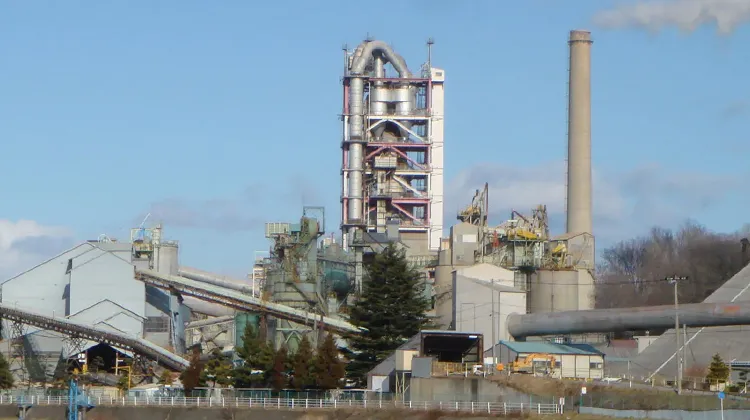
The dry process in Portland cement production is the most widely used method in modern cement manufacturing. With increasing pressure on energy efficiency, environmental protection, and production costs, cement plants around the world have shifted from traditional wet methods to advanced dry process technologies.
In particular, the new dry process cement production system, which integrates preheaters and precalciners, has become the industry standard due to its superior thermal efficiency and reduced emissions.
This article provides a comprehensive overview of the dry process, including its evolution, working principles, process steps, equipment, advantages, and future trends—helping plant owners, investors, and engineers better understand this essential technology.
1. Evolution of Cement Manufacturing Process
The development of cement manufacturing technology reflects the industry’s continuous effort to improve efficiency and reduce environmental impact.
Wet Process Cement Production
In the wet process, raw materials are mixed with water to form a slurry before entering the rotary kiln. While this method ensures good homogenization, it requires a significant amount of heat energy to evaporate water during the burning process. As a result, it is highly energy-intensive and less environmentally friendly.
Semi-Dry and Semi-Wet Processes
These transitional methods were developed to reduce energy consumption by partially removing moisture before the kiln stage. Although they improved efficiency compared to the wet process, they still could not compete with the performance of fully dry systems.
Dry Process Cement Production (Modern Standard)
The dry process eliminates the need for water in raw material preparation. Materials are processed in powder form, significantly reducing fuel consumption and emissions. Today, this method dominates global cement production, especially with the adoption of advanced preheater and precalciner technologies.
2. Definition of Dry Cement Process

The dry process of cement manufacturing refers to a production method in which raw materials are crushed, dried, and ground into fine powder before being fed into the kiln system.
One of the defining characteristics of this process is the extremely low moisture content of the raw meal—typically less than 1%. This eliminates the need for water evaporation inside the kiln, which is one of the most energy-consuming steps in wet processes.
Compared to the wet process, the dry method offers:
- Significantly lower thermal energy consumption
- Reduced fuel usage
- Improved overall production efficiency
- Better environmental performance
Because of these advantages, the dry process is now the preferred choice for new cement plant construction worldwide.
3. Core Principles and Technical Features
The efficiency of the dry process lies in its advanced heat exchange and chemical reaction systems.
Raw Meal Preparation
The process begins with the crushing and drying of raw materials such as limestone, clay, and iron ore. These materials are then ground into a fine, homogeneous powder known as raw meal. Proper control of particle size and composition is essential to ensure stable kiln operation and high-quality clinker production.
Preheater System (Cyclone Preheater)
The raw meal is passed through a multi-stage cyclone preheater, where it comes into contact with hot exhaust gases from the kiln. This counter-current heat exchange system allows the material to be heated efficiently before entering the kiln, significantly reducing fuel consumption.
Precalciner Technology
In modern dry process plants, a large portion of the limestone decomposition (calcination) occurs in a separate unit called the calciner. This reduces the thermal load on the rotary kiln and increases overall system efficiency.
By completing up to 90% of the calcination outside the kiln, the system achieves:
- Higher throughput
- Lower fuel consumption
- Improved operational stability
4. Characteristics of New Dry Process Cement Technology
The new dry process cement production line is designed to meet the demands of modern industrial standards.
Energy Efficiency
Advanced heat recovery systems and optimized kiln operation significantly reduce energy consumption compared to older technologies.
Environmental Performance
Modern systems are equipped with dust collection systems, low-NOx burners, and waste heat recovery units. These features help minimize emissions such as CO₂, NOx, and particulate matter.
High Automation and Productivity
Automation systems enable real-time monitoring and control of the entire production process, ensuring consistent product quality and high output.
Investment and Technical Requirements
Despite its advantages, the new dry process requires a higher initial investment and advanced engineering capabilities. It also demands high-quality refractory materials and skilled technical personnel for operation and maintenance.
5. Dry Process Cement Production Flow

Understanding the full process flow is essential for optimizing plant performance.
1. Raw Material Preparation
Raw materials are extracted, crushed, and ground into fine powder. Consistent chemical composition is critical for stable clinker formation.
2. Proportioning and Blending
Accurate dosing systems are used to control the ratios of calcium, silicon, aluminum, and iron components. This ensures the desired clinker quality.
3. Preheating
The raw meal enters the preheater tower, where it is gradually heated and dried by hot gases from the kiln. Initial chemical reactions begin at this stage.
4. Calcination in Rotary Kiln
The material is fed into the rotary kiln, where temperatures reach approximately 1450°C. At this stage, chemical reactions form clinker minerals such as tricalcium silicate (C3S) and dicalcium silicate (C2S).
5. Clinker Formation
This is the most critical stage, where the final mineral structure of cement is developed. The quality of clinker directly determines the strength and performance of the final product.
6. Clinker Cooling
The hot clinker is rapidly cooled using a grate cooler. This process not only stabilizes the clinker quality but also recovers heat for reuse in the system.
7. Cement Grinding
Clinker is mixed with gypsum and sometimes other additives, then ground into fine powder to produce cement.
8. Storage and Packaging
The finished cement is stored in silos and then packed or transported in bulk for distribution.
6. Advantages of the Dry Process
The widespread adoption of the dry process is driven by its clear advantages.
Improved Energy Efficiency
By eliminating the need to evaporate water, the dry process significantly reduces thermal energy consumption.
Lower Fuel Consumption
Less fuel is required to achieve the same level of clinker production, resulting in lower operating costs.
Environmental Benefits
The dry process produces fewer emissions and does not generate wastewater, making it more environmentally sustainable.
Higher Production Capacity
Modern dry process plants can achieve large-scale, continuous production with consistent quality.
7. Essential Cement Plant Equipment

A dry process cement plant relies on a range of advanced equipment systems.
Material Handling Systems
- Belt conveyors
- Bucket elevators
These systems ensure efficient transport of raw materials and finished products.
Grinding Systems
Used for raw material and cement grinding.
Pyroprocessing System
- Cyclone preheater
- Precalciner
- Rotary kiln
This is the core system where thermal processing occurs.
Fuel Preparation System
Coal grinding systems (such as air-swept coal mills) are used to prepare fuel for combustion.
Clinker Cooling and Cement Grinding
- Grate cooler
- Cement mill
These systems finalize the production process.
8. Challenges and Future Trends
Current Challenges
- Shortage of skilled technical personnel
- Increasingly strict environmental regulations
- Volatility in raw material and energy costs
Future Trends
Smart Cement Plants
Integration of AI and IoT technologies will enable predictive maintenance, process optimization, and real-time monitoring.
Carbon Neutral Manufacturing
The industry is moving toward low-carbon fuels, alternative raw materials, and carbon capture technologies to achieve net-zero emissions.
Global Expansion and Green Incentives
Many countries are encouraging green manufacturing through subsidies and policies, creating new opportunities for cement plant investment and export.
9. Conclusion
The dry process cement production, especially the new dry process technology, represents the future of the cement industry.
It offers a powerful combination of:
- Energy efficiency
- Environmental sustainability
- High productivity
Leading solutions—such as advanced systems developed by companies like Tongli—demonstrate how innovation can drive both economic and environmental benefits.
If you are planning to build or upgrade a cement plant, choosing a modern dry process production line is a strategic investment for long-term success.
Frequently Asked Questions About Dry Process Cement Production
1. Why is the dry process more energy-efficient than the wet process in cement production?
The dry process is more energy-efficient because it eliminates the need to evaporate water from raw materials inside the kiln. In wet process systems, a significant portion of fuel energy is consumed just to remove moisture. By using dry raw meal, the system can directly focus heat energy on chemical reactions, resulting in lower fuel consumption and higher thermal efficiency.
2. What is the role of a precalciner in modern cement plants?
A precalciner is used to perform most of the limestone decomposition before the material enters the rotary kiln. This reduces the thermal load on the kiln and allows for higher production capacity. It also improves fuel efficiency and makes the entire system more stable and easier to control.
3. How does the dry process improve environmental performance?
The dry process reduces emissions by optimizing fuel usage and incorporating advanced technologies such as dust collectors, low-NOx burners, and waste heat recovery systems. It also eliminates wastewater discharge, making it a more sustainable solution for modern cement plants.
4. Can the dry process use alternative fuels or raw materials?
Yes, modern dry process cement plants are highly adaptable and can use alternative fuels such as biomass, industrial waste, and refuse-derived fuel (RDF). They can also incorporate supplementary raw materials like fly ash or slag, helping reduce environmental impact and production costs.
5. What factors should be considered when choosing a dry process cement production line?
Key factors include plant capacity, raw material characteristics, energy availability, environmental regulations, and budget. It is also important to evaluate the supplier’s engineering experience, equipment quality, and after-sales support to ensure long-term operational reliability.
6. How long does it take to build a dry process cement plant?
The construction timeline varies depending on the project scale and complexity. Typically, it takes between 12 to 24 months from design and engineering to commissioning. Large-scale EPC projects may require additional time for installation and testing.
7. Is the dry process suitable for small and medium-sized cement plants?
Yes, the dry process can be designed for various production capacities, including small and medium-sized plants. Modular and flexible system designs make it possible to achieve efficient production even at lower capacities.
8. What is the typical lifespan of cement plant equipment?
With proper maintenance, major equipment such as rotary kilns and grinding mills can operate for 20–30 years or more. Regular inspections, timely replacement of wear parts, and proper operation are essential to extend equipment lifespan.


 English
  Russian
  Arabic
  Vietnamese
  Spanish
  French
  Portuguese
  Japanese
  Chinese