



With global agriculture moving toward higher efficiency, sustainability, and environmental protection, fertilizer products are rapidly evolving from traditional single-nutrient fertilizers to compound, functional, and eco-friendly fertilizers.
Under this trend, organic–inorganic compound fertilizer plants have become one of the most attractive investment options for fertilizer manufacturers and agricultural companies worldwide.
So, how to set up a fertilizer plant from scratch?
This article provides a complete guide covering fertilizer plant types, manufacturing process, automation and environmental protection, site selection, and cost analysis.
1. Background of Organic–Inorganic Compound Fertilizer Plants
In recent years, global agriculture has been undergoing a structural transformation driven by soil health degradation, environmental regulations, and increasing demand for high-efficiency fertilizers. These changes have significantly accelerated the development of organic–inorganic compound fertilizer plants.
1.1 Limitations of Traditional Chemical Fertilizers
Long-term and excessive application of conventional chemical fertilizers has led to a series of well-documented problems in many agricultural regions:
Soil compaction and reduced soil porosity
Declining soil organic matter content
Imbalance of soil microbial communities
Low fertilizer utilization efficiency and nutrient loss through volatilization and leaching
As a result, farmers are facing rising fertilizer input costs but stagnant or declining crop yields, which has forced both governments and fertilizer producers to seek alternative solutions.
1.2 Global Trend Toward Sustainable and Green Agriculture
To address these challenges, many countries are promoting sustainable agriculture and green fertilizer policies, including:
Reduction of pure chemical fertilizer application
Encouragement of organic matter return to soil
Support for eco-friendly and controlled-release fertilizers
Stricter environmental regulations on fertilizer production and application
Under this policy environment, organic–inorganic compound fertilizers have emerged as a strategic product that balances environmental protection and agricultural productivity.
1.3 Why Organic–Inorganic Compound Fertilizers Are Gaining Popularity
Organic–inorganic compound fertilizers combine:
Organic materials such as animal manure, compost, bio-waste, and crop residues
Inorganic nutrients including nitrogen (N), phosphorus (P), and potassium (K)
This combination offers multiple agronomic and economic advantages:
Improves soil structure and increases organic matter content
Enhances nutrient retention and fertilizer use efficiency
Provides balanced and sustained nutrient release
Supports long-term soil fertility and crop yield stability
From a manufacturing perspective, organic–inorganic compound fertilizers also offer higher product flexibility, allowing producers to adjust formulas according to regional crop and soil requirements.
1.4 Industrialization of Organic–Inorganic Compound Fertilizer Production
Early organic fertilizer production relied heavily on manual operation and small-scale composting.
Modern organic–inorganic compound fertilizer plants, however, have evolved into fully industrialized production systems, featuring:
Automated fermentation systems with temperature and moisture control
Continuous crushing, batching, and mixing processes
High-efficiency granulation technology
Integrated drying, cooling, screening, and coating systems
Fully automatic packing and palletizing solutions
These systems enable large-scale, standardized, and stable fertilizer production, meeting the growing demand of commercial agriculture.
1.5 Environmental Protection and Energy Efficiency Requirements
Environmental compliance is now a critical factor in fertilizer plant investment decisions.
Modern organic–inorganic compound fertilizer plants are designed with:
Advanced dust collection systems
Deodorization and exhaust gas treatment units
Wastewater recycling and reuse solutions
Optimized process flow to reduce energy consumption
By integrating environmental protection technology and high automation, fertilizer producers can achieve lower operating costs, higher product quality, and long-term regulatory compliance.
1.6 Market Demand and Investment Opportunities
Driven by:
Rising global food demand
Soil improvement initiatives
Government subsidies and agricultural support programs
the market demand for organic–inorganic compound fertilizers continues to grow steadily.
For investors and fertilizer manufacturers, establishing an organic–inorganic compound fertilizer plant offers:
Broad application scenarios
Strong market adaptability
Long-term development potential
2. Common Types of Fertilizer Plants
(Based on Process and Manufacturing Technology)
Fertilizer plants can be classified into different types according to raw materials, production process, and manufacturing technology.
Understanding the characteristics of each fertilizer plant type is essential for investors and manufacturers when planning a fertilizer production project.
Below are the four most common types of fertilizer plants used in modern industrial fertilizer production.
2.1 Organic Fertilizer Plant
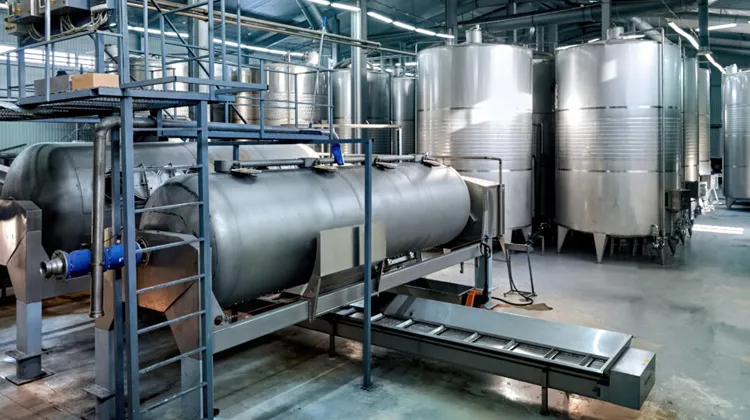
An organic fertilizer plant mainly uses organic raw materials such as:
Animal manure (cow, poultry, pig manure)
Compost
Crop residues and agricultural waste
Food and bio-waste
The typical organic fertilizer manufacturing process includes:
fermentation → crushing → mixing → granulation → drying → screening → packing.
Environmentally friendly and sustainable production
Improves soil structure and increases soil organic matter
Lower nutrient concentration compared with chemical fertilizers
Increasingly combined with NPK materials to produce organic–inorganic compound fertilizers
From an investment perspective, organic fertilizer plants are widely used in regions with abundant organic waste resources and strong environmental regulations.
2.2 NPK Compound Fertilizer Plant

An NPK compound fertilizer plant produces fertilizers containing:
Nitrogen (N)
Phosphorus (P)
Potassium (K)
NPK fertilizer is one of the most widely applied fertilizer types in global agriculture due to its balanced nutrient supply.
raw material batching → mixing → granulation → drying → cooling → screening → coating → packing.
Main features of NPK compound fertilizer plants:
Flexible formula adjustment for different crops and regions
High technical requirements for granulation efficiency and particle strength
Multiple granulation technologies available, such as:
Rotary drum granulation
Roller press granulation
Disc granulation
NPK compound fertilizer plants are suitable for medium to large-scale industrial fertilizer production and export-oriented fertilizer businesses.
2.3 Phosphate Fertilizer Plant
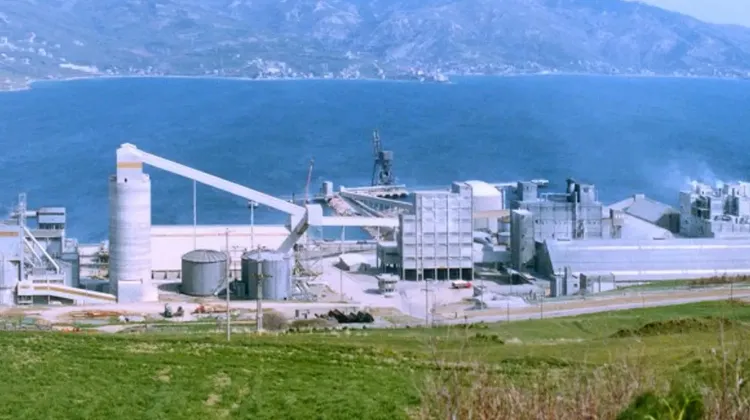
A phosphate fertilizer plant mainly uses phosphate rock as the primary raw material.
The production process typically involves:
Phosphate rock crushing and grinding
Chemical reaction with acid
Neutralization and granulation
Characteristics of phosphate fertilizer plants:
Chemical-intensive production process
High requirements for corrosion-resistant equipment and materials
Strict environmental protection measures for waste gas and wastewater treatment
Commonly integrated into large fertilizer or chemical industrial complexes
Phosphate fertilizer plants are usually built close to phosphate rock mining areas to reduce raw material transportation costs.
2.4 High Nitrogen Content High Tower Fertilizer Plant
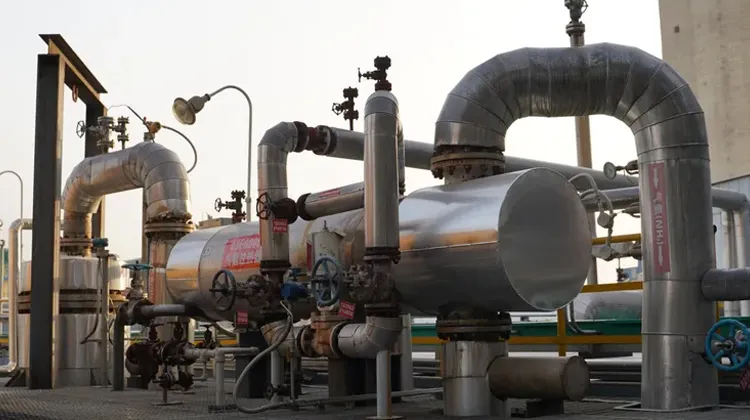
A high nitrogen content high tower fertilizer plant adopts urea melt spraying granulation technology, where molten urea-based fertilizer is sprayed from the top of a tall tower to form granules during free fall.
Uniform granule size and high product strength
Very high automation level and stable production quality
Suitable for large-capacity production of high-nitrogen fertilizers
Lower dust generation compared with traditional granulation methods
High tower fertilizer plants are often selected for large-scale, high-end fertilizer manufacturing projects.
2.5 How to Choose the Right Type of Fertilizer Plant
When selecting the appropriate fertilizer plant type, investors should consider:
Target fertilizer products and market demand
Raw material availability and cost
Production capacity requirements
Environmental regulations and compliance standards
Initial investment and long-term operating cost
Choosing the right fertilizer plant type ensures higher production efficiency, better product competitiveness, and sustainable operation.
3. Fertilizer Manufacturing Process

The fertilizer manufacturing process refers to a series of mechanical and chemical operations that convert raw materials into finished fertilizer products suitable for agricultural application.
A well-designed fertilizer production process ensures:
Stable product quality
High granulation rate
Low energy consumption
Compliance with environmental standards
Below is a standard fertilizer production process, widely used in organic fertilizer plants, NPK compound fertilizer plants, and organic–inorganic compound fertilizer plants.
The first step in the fertilizer manufacturing process is raw material batching, where different materials are weighed and proportioned according to the fertilizer formula.
Typical raw materials include:
Urea, ammonium sulfate (nitrogen source)
DAP, MAP, phosphate powder (phosphorus source)
Potassium chloride or potassium sulfate (potassium source)
Organic materials such as manure or compost
Key characteristics:
Automatic batching systems ensure high accuracy
Formula flexibility for different crops and soil conditions
Direct impact on fertilizer nutrient content and uniformity
3.2 Mixing Process
After batching, raw materials enter the mixing system, where they are thoroughly blended to form a homogeneous mixture.
Mixing objectives:
Ensure uniform nutrient distribution
Improve granulation efficiency
Reduce segregation during later processing
Common equipment used includes double-shaft mixers and horizontal mixers, especially in compound fertilizer production lines.
3.3 Crushing Process
Crushing is required when raw materials or recycled materials contain large lumps.
The fertilizer crushing process improves material fineness and prepares the mixture for granulation.
Applications:
Crushing returned oversized fertilizer granules
Crushing organic materials after fermentation
Improving particle size consistency
Crushing directly affects the granulation rate and final product appearance.
3.4 Fertilizer Granulation Process
Granulation is the core step of the fertilizer manufacturing process, converting powdered materials into uniform fertilizer granules.
Rotary drum granulation – suitable for large-capacity NPK fertilizer plants
Roller press granulation – energy-saving and suitable for dry granulation
Disc granulation – flexible and commonly used in organic fertilizer production
Granulation advantages:
Improves fertilizer handling and application
Reduces dust generation
Enhances product value and market competitiveness
3.5 Drying Process
Freshly granulated fertilizer usually contains moisture and must be dried to improve storage stability.
The fertilizer drying process typically uses rotary drum dryers.
Functions of drying:
Reduces moisture content to safe storage levels
Improves granule strength
Prevents caking during storage and transportation
Drying efficiency has a significant impact on energy consumption and operating cost.
3.6 Cooling Process
After drying, fertilizer granules must be cooled to ambient temperature.
The fertilizer cooling process:
Enhances granule hardness
Prevents agglomeration
Improves product stability during packaging
Rotary coolers are commonly used in medium and large fertilizer plants.
3.7 Screening Process
The fertilizer screening process separates qualified fertilizer granules from oversized or undersized particles.
Screening outcomes:
Qualified granules sent to coating or packing
Oversized granules returned to the crusher
Fine powder recycled back into granulation
Screening improves final product uniformity and commercial appearance.
3.8 Coating Process (Optional)
The fertilizer coating process is optional but increasingly popular, especially for high-end compound fertilizers.
Coating functions include:
Anti-caking performance
Controlled nutrient release
Improved storage and transportation properties
3.9 Automatic Packing Process
The final step of the fertilizer manufacturing process is automatic packing.
Automatic weighing and bagging machines
Sewing or heat-sealing systems
Optional palletizing systems
Advantages of automatic packing:
High packing accuracy
Reduced labor cost
Improved production efficiency
3.10 Automation and Environmental Protection Integration
Modern fertilizer production lines integrate:
PLC control systems
Centralized monitoring
Dust collection and deodorization systems
Energy-saving process design
This integration ensures high efficiency, environmental compliance, and stable long-term operation.
4. How to Choose a Suitable Location for a Fertilizer Plant
Choosing the right location is a critical step when planning how to set up a fertilizer plant.
A suitable fertilizer plant site not only reduces initial investment but also directly affects long-term operating cost, logistics efficiency, and environmental compliance.
Below are the key factors for fertilizer plant site selection.
4.1 Transportation and Logistics Accessibility
Efficient transportation is essential for both raw material supply and finished fertilizer distribution.
When selecting a fertilizer plant location, consider:
Proximity to highways, railways, ports, or logistics hubs
Easy access for heavy trucks transporting bulk raw materials
Reduced transportation cost for finished fertilizer products
A well-connected location significantly improves supply chain efficiency and reduces operating expenses.
4.2 Raw Material Availability and Resource Proximity
Raw material cost is one of the largest components of fertilizer production cost.
An ideal fertilizer plant site should be:
Close to phosphate rock mines for phosphate fertilizer plants
Near urea, ammonia, or chemical supply sources for NPK fertilizer plants
Located in regions with abundant organic waste for organic fertilizer production
Locating the plant near raw material sources helps reduce transportation costs and ensure stable supply.
4.3 Water and Power Supply Conditions
Fertilizer production relies heavily on stable utilities.
Key considerations include:
Reliable electricity supply to support continuous operation
Adequate water resources for granulation, cooling, and dust suppression
Backup power solutions to prevent production interruptions
Unstable power or water supply can significantly impact production efficiency and equipment lifespan.
4.4 Land Area and Site Layout Planning
The land area must match the designed production capacity and allow for future expansion.
For example:
A fertilizer plant with an annual capacity of 200,000 tons
Requires sufficient space for:
Production workshops
Raw material storage areas
Finished fertilizer warehouses
Internal roads and logistics zones
Proper site layout planning improves material flow efficiency and operational safety.
4.5 Environmental and Regulatory Requirements
Environmental compliance is a key factor in fertilizer plant location selection.
Investors must consider:
Local environmental protection regulations
Requirements for dust control, odor treatment, and wastewater management
Approval procedures and environmental impact assessments (EIA)
Selecting a location within an approved industrial zone often simplifies permitting and regulatory compliance.
4.6 Distance from Residential Areas
Due to:
Equipment operation noise
Potential odor from raw materials
Heavy truck traffic
Fertilizer plants should be located at a reasonable distance from residential areas to minimize environmental and social impact.
This also helps avoid future operational restrictions and community conflicts.
4.7 Climate and Natural Conditions
Local climate conditions can affect fertilizer production and storage.
Important factors include:
Rainfall and humidity levels
Ambient temperature variations
Flood risk and drainage conditions
A well-chosen site with favorable natural conditions helps ensure stable production and product quality.
4.8 Long-Term Development and Expansion Potential
When selecting a fertilizer plant location, long-term planning is essential.
Consider:
Availability of additional land for capacity expansion
Infrastructure development plans in the region
Long-term raw material supply sustainability
A strategic location supports future growth and market expansion.
5. Cost to Set Up a Fertilizer Plant
The cost to set up a fertilizer plant varies significantly depending on fertilizer type, production capacity, process design, automation level, and local conditions.
In general, fertilizer plant investment can be divided into four major cost categories:
Machinery and equipment cost
Raw material cost
Labor cost
Land and civil construction cost
Understanding each cost component helps investors make accurate budget planning and risk assessment.
5.1 Fertilizer Production Machinery Cost
Machinery cost usually represents the largest portion of total investment when setting up a fertilizer plant.
Typical equipment included:
Raw material crushing, batching, and mixing systems
Fertilizer granulation equipment
Drying and cooling systems
Screening, coating, and automatic packing machines
Dust collection and environmental protection systems
Estimated Equipment Investment for NPK Fertilizer Production Lines
| Annual Capacity | Estimated Equipment Cost |
|---|---|
| 50,000 tons/year | USD 1.05 million |
| 100,000 tons/year | USD 1.8 – 2.5 million |
| 200,000 tons/year | USD 3.5 – 4.0 million |
| 300,000 tons/year | USD 4.5 – 4.95 million |
Note: Actual equipment cost depends on granulation technology, automation level, and equipment material (carbon steel or stainless steel).
5.2 Raw Material Cost
Raw material cost is the most important operating expense during fertilizer plant operation and has a direct impact on profitability.
Common raw materials and market references include:
Urea (nitrogen source)
DAP / MAP (phosphorus source)
Potassium chloride (KCl) or potassium sulfate (potassium source)
Organic materials such as manure or compost (for organic or compound fertilizer plants)
Raw material prices fluctuate with the global commodity market, making stable supply contracts critical for cost control.
5.3 Labor Cost and Workforce Requirements
Labor cost varies significantly by region and automation level.
Example (U.S. market reference):
General production workers: USD 18–25 per hour
Equipment operators and technicians: USD 25–35 per hour
Highly automated fertilizer plants require:
Fewer operators
Lower long-term labor cost
Higher initial equipment investment but better operational efficiency
5.4 Land and Civil Construction Cost
Land and civil construction cost includes:
Land purchase or long-term lease
Plant buildings and steel structures
Equipment foundations
Internal roads, drainage systems, and warehouses
Land cost depends on:
Location (industrial zone vs rural area)
Country or region
Local infrastructure conditions
Proper civil planning can significantly reduce future expansion and modification costs.
5.5 Utility and Energy Cost Considerations
Although not part of initial investment, utilities strongly affect long-term operation cost.
Key cost factors include:
Electricity consumption of granulators, dryers, and fans
Fuel or gas consumption for drying systems
Water usage for cooling and dust control
Energy-efficient process design can reduce overall operating expenses.
5.6 Cost Comparison by Fertilizer Plant Type
Different fertilizer plant types have different investment characteristics:
Organic fertilizer plant
Lower equipment cost
Higher investment in fermentation and odor control systems
NPK compound fertilizer plant
Moderate to high equipment cost
Flexible product formula and wide market demand
Phosphate fertilizer plant
High investment in chemical reaction and corrosion-resistant equipment
High tower fertilizer plant
High initial investment
Very high automation and large production capacity
5.7 Key Factors That Influence Fertilizer Plant Cost
Several technical and economic factors directly influence total investment:
Production capacity (small, medium, or large-scale plant)
Granulation technology selection
Degree of automation
Equipment material and durability
Environmental protection and compliance requirements
A well-optimized process design helps balance initial investment and long-term operating cost.
6. Factors Contributing to Fertilizer Plant Cost
The total cost of a fertilizer plant is not determined by equipment price alone. In practice, multiple technical, operational, and environmental factors jointly influence the final investment budget.
Understanding these factors allows investors to optimize plant design, avoid unnecessary expenses, and maximize return on investment (ROI).
6.1 Fertilizer Production Process Design
The selected process flow configuration is one of the most critical cost-determining factors.
Common process layouts include:
One drying + one cooling
Two drying + one cooling
One drying + two cooling
Each configuration affects:
Equipment quantity
Energy consumption
Workshop size
Total capital expenditure
For example, a “two drying” system increases energy cost but ensures higher moisture control for certain NPK formulations. Choosing the right process depends on raw material characteristics and product quality requirements.
6.2 Granulation Technology Selection
Granulation method directly affects:
Equipment investment
Production efficiency
Product appearance and strength
Common granulation technologies include:
Rotary drum granulation
Disc pan granulation
Extrusion granulation
Ammoniation granulation (ammonia-based process)
Advanced granulation technologies typically require higher initial investment but offer:
Higher granulation rate (up to 80% or more)
Lower return material ratio
Better fertilizer particle uniformity
6.3 Equipment Configuration and Material Choice
Equipment configuration and construction materials significantly impact cost.
Key considerations include:
Carbon steel vs stainless steel equipment
Anti-corrosion treatment for acidic materials
Heavy-duty design for long-term continuous operation
While stainless steel equipment has a higher upfront cost, it provides:
Longer service life
Lower maintenance cost
Better resistance to chemical corrosion
This makes material selection a long-term cost control strategy, not just a purchase decision.
6.4 Degree of Automation and Control Systems
Automation level is another major factor influencing fertilizer plant cost.
Higher automation means:
PLC control systems
Automatic batching and feeding
Online monitoring and data collection
Automatic packaging and palletizing
Although automation increases initial equipment investment, it:
Reduces labor cost
Improves production stability
Minimizes human error
Enhances overall plant efficiency
For export-oriented fertilizer plants, automation is often essential to meet international quality standards.
6.5 Environmental Protection and Compliance Requirements
Environmental regulations play an increasingly important role in fertilizer plant investment.
Environmental systems may include:
Dust collection and air filtration
Odor control systems (especially for organic fertilizer plants)
Wastewater treatment
Noise reduction measures
Strict environmental compliance may increase initial investment but helps:
Avoid regulatory penalties
Ensure long-term operational stability
Improve corporate image and sustainability credentials
6.6 Plant Capacity and Scalability
Plant capacity has a direct correlation with total cost.
Small-scale plants: lower initial investment, higher unit production cost
Medium-scale plants: balanced investment and output
Large-scale plants: high investment but lower cost per ton
Designing for future expansion can slightly increase current cost but saves significant capital during later upgrades.
6.7 Local Infrastructure and Installation Conditions
Local conditions also influence fertilizer plant cost:
Availability of skilled labor
Transportation access for heavy equipment
Local utility prices (electricity, gas, water)
Import duties and logistics costs
Good infrastructure reduces installation time and commissioning cost.
6.8 Project Management and Engineering Services
Professional engineering services affect both cost and success rate.
Costs may include:
Process design and layout planning
Installation supervision
Operator training
Commissioning and performance testing
Well-managed projects typically:
Shorten construction timelines
Reduce error-related expenses
Achieve faster return on investment
7. Frequently Asked Questions
Is setting up a fertilizer plant profitable?
Fertilizers remain essential products for global agriculture. With proper process design, stable raw material supply, and scale production, fertilizer plants can achieve long-term and stable profitability.
What are the features of an amino acid NPK compound fertilizer production line?
Utilizes chemical reaction heat during ammoniation
High granulation rate, up to 80%
Low energy consumption
High granule strength and product quality
Suitable for high-value functional fertilizers
8. Conclusion
Modern fertilizer plants, especially organic–inorganic compound fertilizer plants, have evolved into highly automated, environmentally compliant, and efficient industrial systems.
Working with an experienced fertilizer equipment manufacturer capable of providing complete process design and turnkey production line solutions is the key to reducing investment risk and ensuring long-term project success.


 English
  Russian
  Arabic
  Vietnamese
  Spanish
  French
  Portuguese
  Japanese
  Chinese