



Asphalt concrete is one of the most widely used materials in modern road construction and residential driveway paving. Because of its durability, flexibility, water resistance, and cost efficiency, asphalt pavement is commonly used for highways, parking lots, industrial roads, and residential driveways.
Understanding how asphalt concrete is produced and installed can help contractors, engineers, and homeowners make better decisions about driveway construction and pavement maintenance.
This guide explains everything you need to know, including asphalt concrete materials, production processes, aggregate crushing, asphalt mixing, and driveway installation steps.
1. Three Essential Things to Know About Asphalt Concrete
Before learning how asphalt concrete is produced and installed, it is important to understand several fundamental concepts about this widely used pavement material.
Asphalt concrete plays a critical role in modern road construction, parking lot paving, airport runways, and residential driveway installation. Its popularity comes from a combination of durability, flexibility, water resistance, and cost efficiency.
To fully understand how asphalt pavement works, three key questions must be answered:
What is asphalt concrete?
What is asphalt and how is it produced?
What is the difference between asphalt and asphalt concrete?
Understanding these basic concepts helps engineers, contractors, and property owners make better decisions about pavement design, material selection, and construction methods.
1.1 What Is Asphalt Concrete?
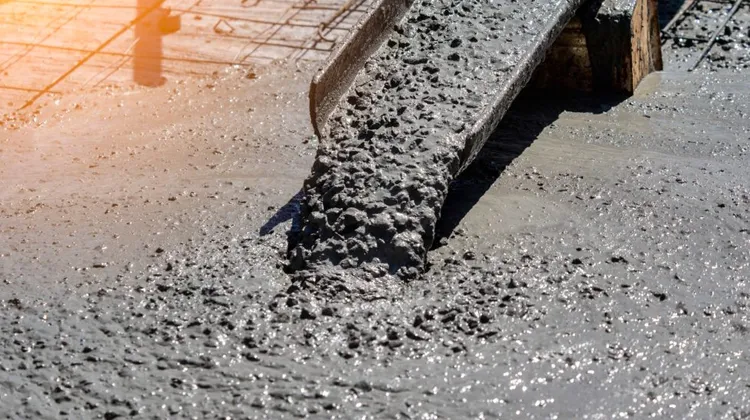
Asphalt concrete is a composite pavement material made from mineral aggregates bound together by asphalt binder. It is sometimes referred to as asphalt mix, asphalt pavement, or bituminous concrete in road engineering.
The mixture typically contains several types of aggregates, including:
sand
crushed stone
gravel
stone dust
mineral filler
These materials are combined with asphalt binder to form a dense and durable paving mixture.
In asphalt concrete, aggregates form the structural skeleton of the pavement, providing strength and load-bearing capacity. The asphalt binder acts as a flexible adhesive, coating the aggregate particles and holding them together.
Because of this structure, asphalt concrete provides several important advantages:
high structural strength for supporting vehicle loads
good flexibility to accommodate temperature changes
excellent skid resistance for safer driving surfaces
strong resistance to water infiltration
For these reasons, asphalt concrete is one of the most commonly used materials in highway engineering, urban road construction, and residential driveway paving.
1.2 What Is Asphalt?
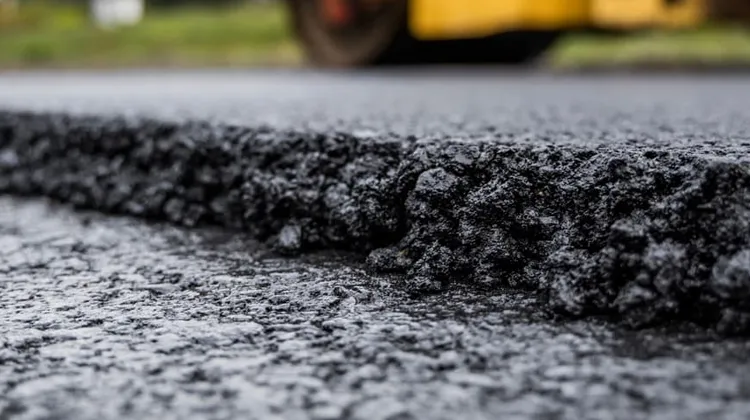
Asphalt is a dark, viscous, and sticky petroleum-based material produced during the refining of crude oil.
During the petroleum refining process, lighter components such as gasoline, diesel, and kerosene are separated first. The remaining heavy residue becomes asphalt or bitumen, which is then processed for industrial use.
Asphalt has several unique properties that make it ideal for pavement construction:
strong adhesive properties that bind aggregates together
waterproof characteristics that protect pavement structures
flexibility under temperature changes
resistance to chemical damage and weathering
Because of these properties, asphalt is widely used in many infrastructure applications, including:
road and highway construction
airport runway pavement
bridge deck waterproofing
parking lot surfacing
residential driveway paving
In pavement engineering, asphalt primarily serves as the binding agent that holds mineral aggregates together, forming the asphalt concrete mixture used for road surfaces.
1.3 Difference Between Asphalt and Asphalt Concrete
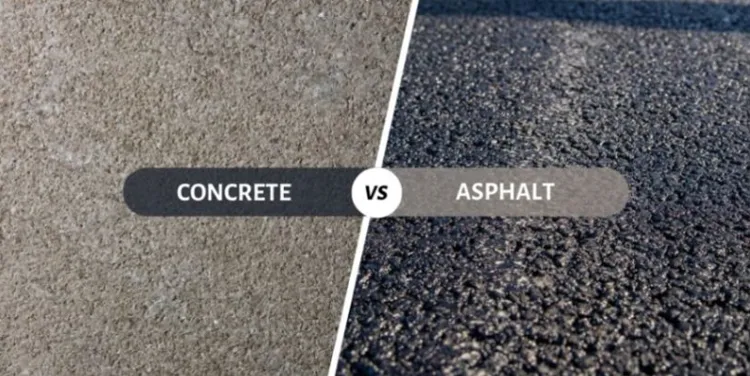
Although the terms asphalt and asphalt concrete are often used interchangeably in everyday language, they actually refer to different materials.
Asphalt refers specifically to the petroleum-based binder used in pavement construction.
Asphalt concrete, on the other hand, refers to the engineered mixture of asphalt binder and mineral aggregates that forms the actual road surface.
The differences between the two materials can be summarized in several aspects.
Material Composition
Asphalt: a petroleum-derived binding material
Asphalt concrete: a mixture of asphalt binder, aggregates, and mineral fillers
Manufacturing Process
Asphalt is produced through crude oil refining.
Asphalt concrete is produced by mixing heated aggregates with asphalt binder in an asphalt mixing plant.
Structural Function
Asphalt acts as a binding and waterproofing material.
Asphalt concrete forms the structural pavement layer used for roads, highways, and driveways.
Performance Characteristics
Asphalt provides flexibility and adhesion.
Asphalt concrete provides structural strength, durability, and load-bearing capacity.
Understanding this distinction is essential in pavement engineering because the quality of both the asphalt binder and the aggregate mixture directly affects pavement performance, durability, and maintenance requirements.
2. Types of Asphalt Concrete

Asphalt concrete is not a single uniform material. In modern pavement engineering, different types of asphalt mixtures are designed to meet specific traffic loads, climate conditions, and construction requirements.
The classification of asphalt concrete usually depends on several factors, including:
production temperature
aggregate gradation
mixture density
maximum aggregate size
intended pavement application
Different asphalt mixtures are used for highways, urban roads, airport runways, parking lots, and residential driveways. Selecting the correct asphalt mixture is essential for ensuring pavement durability, load-bearing capacity, and long-term performance.
Below are the most common types of asphalt concrete used in pavement construction.
2.1 Hot Mix Asphalt (HMA)
Hot mix asphalt is the most widely used asphalt mixture in road construction worldwide.
It is produced by heating aggregates and asphalt binder to temperatures typically between 150°C and 180°C, which allows the binder to fully coat the aggregate particles and create a uniform mixture.
Hot mix asphalt is commonly used for:
highways and expressways
airport runways
urban streets
parking lots
residential driveways
Because of its high production temperature, hot mix asphalt provides several advantages:
excellent structural strength
high resistance to heavy traffic loads
superior durability and long service life
good performance under various climate conditions
For these reasons, HMA remains the standard asphalt mixture used in large-scale pavement construction projects.
2.2 Warm Mix Asphalt (WMA)
Warm mix asphalt is an advanced asphalt technology designed to reduce production temperature and environmental impact.
Compared with hot mix asphalt, warm mix asphalt is produced at temperatures 20–40°C lower, usually between 110°C and 140°C.
This temperature reduction is achieved through the use of special additives, water foaming techniques, or chemical modifiers that improve asphalt workability at lower temperatures.
Warm mix asphalt offers several benefits:
reduced fuel consumption during production
lower greenhouse gas emissions
improved working conditions for paving crews
longer hauling distance from plant to construction site
Because of these advantages, warm mix asphalt is increasingly used in environmentally sustainable road construction projects.
2.3 Cold Mix Asphalt
Cold mix asphalt is produced without heating the aggregates or asphalt binder, making it a convenient solution for temporary or small-scale pavement repairs.
This type of asphalt mixture is commonly used for:
pothole repair
emergency road maintenance
temporary pavement patching
low-traffic rural roads
Cold mix asphalt mixtures are typically prepared using emulsified asphalt or cutback asphalt, which allows the binder to remain workable at ambient temperatures.
Although cold mix asphalt does not provide the same long-term durability as hot mix asphalt, it offers several practical advantages:
easy transportation and storage
quick application without specialized equipment
cost-effective solution for short-term repairs
2.4 Classification by Aggregate Gradation
Another important way to classify asphalt concrete is based on aggregate gradation, which refers to the distribution of particle sizes within the mixture.
Aggregate gradation plays a key role in determining pavement strength, stability, and drainage performance.
Common gradation types include:
Dense-Graded Asphalt
Dense-graded asphalt mixtures contain a well-balanced distribution of aggregate sizes, allowing smaller particles to fill the voids between larger stones.
This structure creates a dense and stable pavement surface that is widely used in highways and urban roads.
Open-Graded Asphalt
Open-graded asphalt mixtures contain fewer fine particles, creating larger air voids within the pavement structure.
These mixtures are designed to improve:
surface drainage
skid resistance
reduction of water spray from vehicles
Open-graded asphalt is commonly used in surface layers of high-speed highways.
Gap-Graded Asphalt
Gap-graded asphalt mixtures intentionally omit certain intermediate aggregate sizes.
This type of mixture creates a stone-on-stone contact structure, which improves resistance to rutting and deformation.
A well-known example of gap-graded asphalt is Stone Matrix Asphalt (SMA), which is widely used on heavy traffic roads.
2.5 Classification by Maximum Aggregate Size
Asphalt concrete mixtures can also be categorized according to their maximum aggregate size, which influences pavement thickness and load-bearing capacity.
Typical classifications include:
coarse asphalt mixtures
medium asphalt mixtures
fine asphalt mixtures
sand asphalt mixtures
Coarse mixtures are often used in base layers, while finer mixtures are typically used in surface layers to provide smoother driving surfaces.
Selecting the appropriate aggregate size ensures that the pavement structure meets the required strength, durability, and surface smoothness.
3. Physical Properties of Asphalt Concrete

The performance and longevity of asphalt pavement depend largely on the physical and mechanical properties of asphalt concrete. These properties determine how well the pavement can withstand traffic loads, environmental conditions, and long-term wear.
Because asphalt concrete is a composite material consisting of mineral aggregates and asphalt binder, its behavior is influenced by both the aggregate structure and the binding properties of asphalt.
Understanding these physical properties is essential for engineers and contractors when designing asphalt mixtures for roads, highways, parking lots, and residential driveways.
The most important physical characteristics of asphalt concrete include stability, water resistance, flexibility, durability, density, and skid resistance.
3.1 Stability and Load-Bearing Capacity
Stability refers to the ability of asphalt concrete to resist deformation under traffic loads. When vehicles repeatedly pass over a pavement surface, the material must be able to support the load without excessive deformation.
High stability is essential for preventing common pavement problems such as:
rutting in wheel paths
surface deformation
structural failure under heavy vehicles
The stability of asphalt concrete depends largely on the interlocking structure of the aggregates and the strength of the asphalt binder that holds them together.
Properly designed asphalt mixtures can distribute vehicle loads across the pavement structure, ensuring long-term structural integrity and performance.
3.2 Water Resistance and Moisture Protection
Water resistance is another critical property of asphalt concrete. Because asphalt binder is naturally hydrophobic, it helps prevent water from penetrating the pavement structure.
Effective moisture resistance helps protect pavements from several types of damage, including:
moisture-induced cracking
weakening of the base layer
freeze-thaw damage in cold climates
When water enters pavement layers, it can reduce the bonding strength between aggregates and asphalt binder. Therefore, well-designed asphalt mixtures must provide strong resistance to water infiltration and moisture damage.
This characteristic makes asphalt concrete particularly suitable for outdoor infrastructure such as highways, airport runways, and residential driveways.
3.3 Flexibility and Plasticity
Unlike rigid pavement materials such as concrete, asphalt concrete has a certain degree of flexibility and plasticity.
This flexibility allows the pavement to expand and contract with temperature changes without cracking easily.
Flexible pavement structures can better adapt to:
seasonal temperature variations
traffic load distribution
minor ground movement
Because of this property, asphalt pavements tend to develop fewer structural cracks compared with rigid pavement systems.
The flexible nature of asphalt concrete also contributes to longer service life and improved driving comfort.
3.4 Durability and Weather Resistance
Durability refers to the ability of asphalt pavement to maintain its structural and functional performance over time.
High-quality asphalt concrete mixtures are designed to resist:
heavy traffic wear
oxidation caused by sunlight
temperature fluctuations
environmental aging
Durable asphalt pavements can remain in service for many years with minimal maintenance, making them a cost-effective solution for road infrastructure.
Durability is influenced by several factors, including:
aggregate quality
asphalt binder characteristics
mixture design
air void content
Proper material selection and mixture design help ensure that asphalt pavement can withstand long-term environmental exposure and traffic stress.
3.5 Density and Compaction Characteristics
Density is another important physical property that affects the performance of asphalt concrete.
Higher density generally leads to:
stronger pavement structure
improved load-bearing capacity
reduced water infiltration
increased durability
During pavement construction, asphalt mixtures must be properly compacted to achieve the required density. A well-compacted asphalt surface provides better resistance to cracking, rutting, and moisture damage.
The density of asphalt concrete is influenced by:
aggregate gradation
asphalt binder content
compaction level during installation
Optimizing these factors ensures that the pavement structure achieves maximum strength and stability.
3.6 Surface Texture and Skid Resistance
Surface texture plays an important role in road safety and vehicle traction.
Asphalt concrete typically provides good skid resistance, which helps prevent vehicle slipping during wet conditions.
The skid resistance of asphalt pavement depends on:
aggregate shape and hardness
surface texture
pavement wear over time
High-quality aggregates with rough surfaces can improve tire grip and road safety, especially on highways and high-speed roads.
Because of its excellent surface characteristics, asphalt concrete is widely used in high-traffic areas where vehicle safety is a priority.
4. How Asphalt Concrete Is Manufactured

Asphalt concrete is produced through a carefully controlled industrial process that combines mineral aggregates with asphalt binder at elevated temperatures. The manufacturing process is typically carried out in an asphalt mixing plant, where raw materials are dried, heated, proportioned, mixed, and prepared for transportation to the paving site. Understanding how asphalt concrete is manufactured helps contractors ensure consistent pavement quality, durability, and performance.
Below are the key stages involved in asphalt concrete production.
4.1 Raw Material Selection and Preparation
The first step in asphalt concrete manufacturing is selecting and preparing the correct raw materials. High-quality materials are essential for producing durable asphalt pavement.
Key materials include:
Aggregates
Aggregates make up approximately 90–95% of asphalt concrete by weight. They typically include:
Crushed stone
Gravel
Sand
Mineral filler (such as limestone dust)
Aggregates provide structural strength and determine the pavement’s load-bearing capacity, skid resistance, and durability.
Asphalt Binder
The asphalt binder is a petroleum-based bituminous material that binds aggregates together. It provides flexibility, waterproofing, and resistance to cracking.
Different binder grades may be used depending on:
Climate conditions
Traffic load
Pavement design requirements
Examples include PG-graded asphalt binders (Performance Grade asphalt) commonly used in modern pavement design.
Additives (Optional)
Certain additives may be incorporated to enhance asphalt performance, such as:
Polymer modifiers to improve elasticity and rutting resistance
Anti-stripping agents to improve moisture resistance
Warm mix asphalt additives to reduce mixing temperature
Recycled materials such as RAP (Reclaimed Asphalt Pavement)
Proper raw material preparation ensures uniform particle size distribution and consistent mixture performance.
4.2 Aggregate Drying and Heating
Before mixing with asphalt binder, aggregates must be dried and heated to remove moisture and reach the required mixing temperature.
This process occurs in a rotary dryer drum within the asphalt mixing plant.
During this stage:
Aggregates are fed into the drum via a conveyor system
A burner generates high-temperature hot air
The drum rotates continuously to ensure uniform heating
Typical aggregate heating temperatures range from:
150°C to 180°C (300°F to 356°F)
Removing moisture is critical because excess water can:
Reduce bonding between asphalt binder and aggregates
Cause foaming during mixing
Decrease pavement durability
Efficient aggregate heating also improves the coating quality of asphalt binder.
4.3 Aggregate Screening and Gradation Control
After heating, aggregates are transported to a vibrating screen system where they are separated into different size fractions.
Common aggregate size categories include:
Coarse aggregates
Intermediate aggregates
Fine aggregates
Mineral filler
Each fraction is stored in hot aggregate bins, allowing the plant to precisely control the aggregate gradation for the final mix.
Gradation control is extremely important because it directly affects:
Pavement density
Structural strength
Workability during paving
Surface smoothness
Modern asphalt plants use automated systems to ensure accurate aggregate proportioning according to the asphalt mix design specification.
4.4 Asphalt Binder Heating and Storage
Asphalt binder must also be heated before mixing so it can flow easily and coat the aggregate particles.
The binder is stored in insulated asphalt storage tanks equipped with heating systems.
Typical binder heating temperatures range between:
140°C and 170°C (284°F to 338°F)
Heating systems may include:
Thermal oil heaters
Electric heating coils
Direct-fired systems
Temperature control is critical. Overheating can cause:
Asphalt oxidation
Loss of binder flexibility
Reduced pavement lifespan
Properly heated binder ensures effective coating and bonding with aggregates during the mixing process.
4.5 Asphalt Mixing Process
Once aggregates and binder reach the required temperature, they are transferred to the asphalt mixer, where the final asphalt concrete mixture is produced.
Two primary types of asphalt mixing plants are used worldwide:
Batch Mix Asphalt Plants
In batch plants:
Aggregates are weighed in individual batches
Asphalt binder and additives are added in precise quantities
Mixing occurs in a dedicated mixer unit
Batch plants offer high mix design flexibility, making them suitable for projects requiring frequent mix changes.
Drum Mix Asphalt Plants
In drum plants:
Aggregate drying and mixing occur within the same rotating drum
Asphalt binder is injected into the drum after aggregate drying
Drum plants are known for:
Continuous production
Higher production capacity
Greater energy efficiency
During mixing, aggregates are thoroughly coated with asphalt binder to form a uniform asphalt concrete mixture.
Typical mixing time ranges from 30 to 60 seconds, depending on plant design.
4.6 Addition of Recycled Asphalt Pavement (RAP)
Modern asphalt production often incorporates recycled asphalt pavement (RAP) to improve sustainability and reduce production costs.
RAP contains previously used asphalt binder and aggregates that can be reused in new asphalt mixtures.
Benefits of using RAP include:
Reduced demand for virgin aggregates
Lower asphalt binder consumption
Reduced environmental impact
Lower construction costs
Depending on plant technology, RAP content may range from 10% to over 40% of the asphalt mixture.
Special feeding systems are used to prevent RAP overheating and binder degradation.
4.7 Quality Control and Mix Design Verification
Quality control is an essential part of asphalt concrete manufacturing. Engineers perform regular tests to ensure the mix meets design specifications.
Common asphalt mix tests include:
Marshall stability test
Superpave mix design verification
Asphalt content analysis
Aggregate gradation testing
Air voids measurement
These tests ensure the final asphalt mixture has the correct:
Strength
Durability
Workability
Resistance to rutting and cracking
Automated plant control systems also monitor temperature, mixing time, and material proportions in real time.
4.8 Storage and Transportation of Asphalt Mix
After mixing, the finished asphalt concrete is discharged into storage silos or directly into dump trucks for delivery to the paving site.
To maintain proper workability:
Asphalt mix must remain hot during transportation
Insulated truck beds are used to reduce heat loss
Tarp covers prevent temperature drop and contamination
Typical asphalt paving temperatures range between:
120°C and 160°C (248°F to 320°F)
If the mixture cools too much before placement, it may lead to poor compaction and reduced pavement quality.
Therefore, logistics coordination between the asphalt plant and paving crew is essential.
5. Aggregate Quarrying and Transportation
Aggregates are the primary raw material used in asphalt concrete, accounting for approximately 90–95% of the total mixture by weight. High-quality aggregates are essential for producing durable asphalt pavement with excellent structural strength, skid resistance, and long-term performance.
Before aggregates can be used in asphalt production, they must go through several stages including quarry exploration, drilling and blasting, crushing, screening, and transportation. Efficient quarry operations and reliable logistics systems ensure a consistent supply of aggregates to asphalt mixing plants.
Below are the major steps involved in aggregate quarrying and transportation.
5.1 Geological Survey and Quarry Site Development
The first stage of aggregate production begins with geological investigation and site selection.
Engineers and geologists conduct detailed surveys to determine whether the rock deposit is suitable for aggregate production.
Key evaluation factors include:
Rock hardness and compressive strength
Mineral composition of the stone
Fracture patterns and natural bedding planes
Availability of large stone reserves
Accessibility for mining equipment and transportation
Common rock types used for asphalt aggregates include:
Granite
Basalt
Limestone
Dolomite
Sandstone
Once a suitable deposit is confirmed, quarry development begins. This may involve:
Removing topsoil and overburden
Building access roads within the quarry
Installing drainage systems
Preparing working benches for mining operations
Proper quarry planning ensures safe operations and efficient long-term aggregate extraction.
5.2 Drilling and Blasting Operations
Most hard rock quarries use drilling and blasting techniques to break large rock formations into smaller fragments that can be processed by crushing equipment.
The process typically includes the following steps:
Drilling Blast Holes
Specialized drilling rigs create deep holes in the rock mass according to a carefully designed blasting pattern.
Important drilling parameters include:
Hole diameter
Hole depth
Spacing between holes
Burden distance (distance from hole to free face)
Proper drilling design helps control fragmentation and improves crushing efficiency.
Loading Explosives
Explosive materials such as ANFO (ammonium nitrate fuel oil) or emulsion explosives are placed inside the drilled holes.
These explosives are then connected using detonators and timing systems.
Controlled Blasting
Blasting is carefully timed to fracture the rock while minimizing:
Ground vibration
Fly rock
Noise impact on nearby communities
After blasting, large rock fragments are left on the quarry floor and are ready for further processing.
Controlled blasting helps improve downstream crushing performance and reduce energy consumption.
5.3 Primary Crushing of Quarry Rock
After blasting, the large rock fragments must be reduced in size before they can be used as aggregates.
This is done through primary crushing equipment, which breaks the rock into manageable pieces.
Common primary crushers used in quarry operations include:
Jaw crushers – ideal for crushing large and hard rocks
Gyratory crushers – suitable for high-capacity crushing operations
Impact crushers – used when a more cubical aggregate shape is desired
During the primary crushing stage:
Large rocks may be reduced from over 1 meter in size to about 100–200 mm
Heavy-duty feeders regulate the material flow into the crusher
Conveyor belts transport crushed rock to the next processing stage
Efficient primary crushing improves the productivity of the entire aggregate production line.
5.4 Secondary Crushing and Aggregate Shaping
After primary crushing, the material is further processed using secondary and tertiary crushers to produce aggregates with the desired size and shape.
Secondary crushing equipment may include:
Cone crushers
Impact crushers
Vertical shaft impact (VSI) crushers
These machines refine the aggregate particles and help produce well-shaped, cubical aggregates, which are preferred for asphalt mixtures.
Proper aggregate shape improves:
Asphalt pavement stability
Compaction performance
Interlocking between aggregate particles
Resistance to rutting under traffic loads
Modern aggregate plants often use multiple crushing stages to achieve precise gradation and high-quality aggregate products.
5.5 Aggregate Screening and Stockpiling
After crushing, aggregates are separated into different size categories through vibrating screening systems.
Typical aggregate size fractions may include:
Coarse aggregates (20–40 mm)
Medium aggregates (10–20 mm)
Fine aggregates (5–10 mm)
Manufactured sand (<5 mm)
Vibrating screens ensure accurate separation of materials according to size specifications required by asphalt mix design.
Once sorted, aggregates are stored in stockpiles within the quarry or processing plant.
Proper stockpile management is important to prevent:
Material contamination
Segregation of particle sizes
Excessive moisture accumulation
Many modern quarries use automated stacker systems to build uniform aggregate stockpiles.
5.6 Loading and Hauling Aggregates
After processing, aggregates must be transported from the quarry to the asphalt mixing plant.
Heavy-duty loading equipment is used to move aggregates efficiently.
Common equipment includes:
Wheel loaders
Front-end loaders
Conveyor loading systems
Aggregates are typically loaded into dump trucks or haul trucks for transportation.
Factors that influence transportation efficiency include:
Distance between quarry and asphalt plant
Road conditions and traffic access
Truck capacity and fleet size
Production rate of the asphalt plant
Efficient hauling logistics are essential to maintain continuous asphalt production.
5.7 Aggregate Transportation Methods
Depending on the project location and scale, aggregates may be transported using different methods.
Truck Transportation
The most common method is truck hauling, especially when the quarry is located within 50–100 kilometers of the asphalt plant.
Advantages include:
Flexible routing
Fast delivery times
Suitable for medium-distance transport
Conveyor Systems
Some large quarries use long-distance conveyor belt systems to transport aggregates directly to nearby processing plants or asphalt facilities.
This method reduces fuel consumption and operating costs.
Rail Transport
For large infrastructure projects, aggregates may be shipped via rail transport to asphalt plants located far from the quarry.
Rail transport is particularly efficient for high-volume aggregate delivery.
Barge Transportation
In coastal or river regions, aggregates may also be transported by barges or ships, which is cost-effective for long-distance bulk material movement.
5.8 Importance of Efficient Aggregate Supply
Reliable aggregate supply plays a critical role in asphalt pavement construction.
Efficient quarrying and transportation systems help ensure:
Continuous asphalt plant production
Stable aggregate quality
Reduced material costs
Timely completion of paving projects
Since aggregates represent the largest portion of asphalt concrete, optimizing the aggregate production and logistics chain can significantly improve the overall efficiency of road construction and driveway paving projects.
6. Aggregate Crushing and Screening Process
Before aggregates can be used in asphalt mixtures, they must be crushed and graded.
The crushing process usually consists of three stages.
6.1 Primary Crushing
Large rocks are first reduced in size using a jaw crusher.
The output size is typically reduced to less than 20 cm.
Primary crushing prepares the material for further processing.
6.2 Secondary Crushing
The crushed material is then processed by:
cone crushers
impact crushers
At this stage, the material size is reduced to less than 10 cm.
Secondary crushing improves the shape and size distribution of the aggregates.
6.3 Tertiary Crushing and Screening
In the final crushing stage, the material is further reduced to 2 cm or smaller.
The aggregates are then screened and separated into different size categories such as:
0–5 mm
5–10 mm
10–14 mm
Proper aggregate grading is essential for achieving strong and durable asphalt mixtures.
7. Drying and Mixing Process
After crushing and screening, the aggregates must undergo drying and mixing.
7.1 Aggregate Drying
Aggregates are heated and dried in a rotary drying drum.
This step removes moisture and ensures that the asphalt binder can properly coat the aggregate surfaces.
Drying also improves:
mixture stability
bonding strength
pavement durability
7.2 Mixing with Asphalt Binder
The dried aggregates are transferred to a mixing unit, where they are combined with hot asphalt binder and mineral fillers.
The mixing process ensures that:
all aggregates are evenly coated with asphalt
the mixture achieves uniform composition
the final product meets pavement design specifications
Typical mixing time ranges from 30 to 45 seconds.
8. How to Install an Asphalt Concrete Driveway

Installing an asphalt concrete driveway is a multi-step construction process that requires proper planning, site preparation, professional paving equipment, and correct compaction techniques. A well-installed asphalt driveway provides a smooth driving surface, strong load-bearing capacity, and long service life, making it one of the most popular driveway materials for residential, commercial, and industrial properties.
The quality of an asphalt driveway largely depends on the foundation preparation, asphalt mixture placement, and compaction process. When these steps are properly executed, asphalt driveways can last 15–25 years with minimal maintenance.
Below is a detailed step-by-step guide to installing an asphalt concrete driveway.
8.1 Site Planning and Driveway Design
Before construction begins, proper driveway planning and design are essential to ensure durability and functionality.
Important design considerations include:
Driveway width and length
Vehicle load requirements (passenger vehicles vs heavy trucks)
Drainage design and slope control
Local climate and soil conditions
Connection with roads or garages
Typical residential asphalt driveways are 3–4 meters wide, while commercial driveways may require wider surfaces to accommodate larger vehicles.
Engineers or contractors may also perform soil stability tests to determine whether the subgrade needs reinforcement before paving.
8.2 Removing Existing Surface Materials
If the driveway area already contains old pavement, gravel, soil, or vegetation, the existing material must be removed before installing a new asphalt surface.
This step may involve:
Breaking and removing old asphalt pavement
Excavating unstable soil layers
Clearing vegetation and organic materials
Removing debris and construction waste
Heavy equipment such as excavators, skid steer loaders, and bulldozers are often used during this stage.
Removing weak materials ensures that the new asphalt driveway is built on a stable and durable foundation.
8.3 Subgrade Preparation and Soil Stabilization
The subgrade layer is the natural soil foundation that supports the entire driveway structure.
Proper subgrade preparation is essential for preventing common pavement problems such as:
Surface cracking
Pavement settlement
Water damage
Structural deformation
Key steps in subgrade preparation include:
Leveling and grading the soil surface
Compacting the soil using rollers or plate compactors
Removing soft or unstable soil zones
Adding soil stabilizers if necessary
In areas with weak soil conditions, contractors may add geotextile fabric or stabilization materials to improve load-bearing capacity.
A properly compacted subgrade provides the foundation needed for long-lasting asphalt pavement.
8.4 Installing the Aggregate Base Layer
After the subgrade is prepared, a crushed aggregate base layer is installed to provide structural support for the asphalt pavement.
The base layer typically consists of:
Crushed limestone
Crushed granite
Recycled concrete aggregates
Compacted gravel mixtures
The aggregate base performs several important functions:
Distributes vehicle loads evenly
Improves drainage beneath the pavement
Prevents pavement deformation
Provides a stable surface for asphalt placement
The base material is spread evenly and then compacted using vibratory rollers or plate compactors.
Typical base layer thickness for residential driveways ranges from 10 cm to 20 cm, depending on traffic loads and soil conditions.
8.5 Applying Weed Control and Drainage Measures
To prevent future damage to the asphalt surface, contractors may implement additional preventive measures before paving.
These may include:
Applying weed control treatments to prevent vegetation growth
Installing drainage pipes or channels
Adjusting driveway slope to direct water away from buildings
Installing edge restraints or curbs
Proper drainage design is especially important because standing water is one of the leading causes of asphalt pavement damage.
A well-designed driveway typically includes a slight slope (1–2%) to allow rainwater to flow away from the pavement surface.
8.6 Asphalt Concrete Placement
Once the base layer is prepared, the hot asphalt concrete mixture is delivered from the asphalt mixing plant to the construction site using insulated dump trucks.
The asphalt mixture is then placed using asphalt paving machines (pavers).
Asphalt pavers perform several important functions:
Spreading asphalt evenly across the driveway surface
Controlling pavement thickness
Maintaining smooth surface levels
Ensuring consistent material distribution
The asphalt mixture must be placed while it is still hot and workable, typically between 120°C and 160°C.
Manual asphalt placement is sometimes used for small driveways, but professional paving equipment produces much better surface quality and uniform thickness.
8.7 Asphalt Compaction Process
Compaction is one of the most critical steps in asphalt driveway installation.
Proper compaction removes air voids within the asphalt mixture and increases pavement density, which improves:
Structural strength
Durability
Resistance to cracking
Water resistance
Several types of compaction equipment may be used:
Steel Drum Rollers
Used for primary compaction immediately after asphalt placement.
Pneumatic Tire Rollers
Provide kneading action that improves aggregate interlock.
Vibratory Rollers
Help achieve higher compaction density for thicker asphalt layers.
Compaction must be completed before the asphalt mixture cools down, otherwise it becomes difficult to achieve the required density.
8.8 Edge Compaction and Surface Finishing
Driveway edges are often more vulnerable to cracking or damage because they receive less support than the center of the pavement.
To strengthen the edges, contractors perform additional edge compaction.
Edge protection techniques include:
Compacting asphalt edges carefully using rollers
Installing concrete or stone edge restraints
Adding extra aggregate support along the driveway borders
Surface finishing may also involve:
Checking pavement smoothness
Adjusting minor surface irregularities
Ensuring consistent driveway thickness
These finishing steps ensure the driveway has a clean appearance and long-term durability.
8.9 Double-Layer Asphalt Driveway Option
For higher durability and better long-term performance, some projects use a two-layer asphalt driveway system.
This system includes:
Base Asphalt Layer
Provides structural strength
Typically 5–8 cm thick
Surface Asphalt Layer
Provides smooth driving surface
Typically 3–5 cm thick
Uses finer aggregates for improved appearance
Advantages of double-layer asphalt driveways include:
Increased load-bearing capacity
Longer pavement lifespan
Better resistance to cracking and rutting
Improved surface smoothness
Although double-layer driveways cost more initially, they often provide better long-term value.
8.10 Asphalt Curing and Initial Use
After installation, the asphalt surface must go through a curing period before it reaches its full strength.
Typical curing guidelines include:
Avoid parking vehicles on the driveway for 24–48 hours
Avoid heavy loads during the first 7 days
Prevent sharp turning of vehicle tires on hot asphalt
During the curing process, the asphalt binder gradually hardens and forms a durable pavement surface.
Once curing is complete, the asphalt driveway is ready for regular daily use.
9. Asphalt Driveway Maintenance
Regular maintenance helps extend the lifespan of asphalt pavements.
Recommended practices include:
seal coating every 3–5 years
filling cracks before they expand
repairing potholes quickly
keeping drainage systems clear
With proper maintenance, an asphalt driveway can last 15 to 25 years or more.
10. Frequently Asked Questions About Asphalt Concrete
How long does an asphalt driveway last?
A well-constructed asphalt driveway can last 15–25 years, depending on traffic loads, climate conditions, and maintenance practices.
How thick should an asphalt driveway be?
Most residential driveways require an asphalt thickness of 2–4 inches, depending on expected vehicle loads.
What temperature is asphalt laid at?
Hot mix asphalt is typically installed at temperatures between 135°C and 160°C.
Is asphalt cheaper than concrete?
Yes. Asphalt driveways generally have lower installation costs and easier maintenance compared with concrete driveways.
Can asphalt driveways be repaired?
Yes. Asphalt pavements are relatively easy to repair through methods such as:
crack sealing
patching
resurfacing


 English
  Russian
  Arabic
  Vietnamese
  Spanish
  French
  Portuguese
  Japanese
  Chinese