


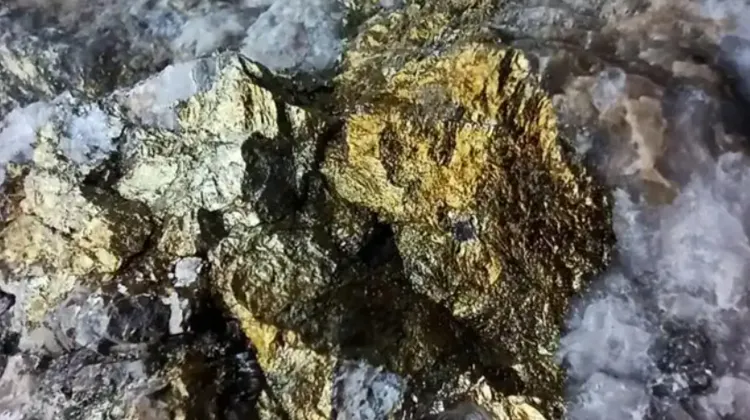
Oxidized gold ore is one of the most important sources of gold production because it is easier to process than sulfide gold ore. Due to natural weathering and oxidation, gold in oxidized ore is often easier to liberate and extract using conventional mineral processing methods.
This guide explains what oxidized gold ore is and provides a complete step-by-step process for extracting gold, including crushing, grinding, beneficiation, and recovery methods.
1. What Is Oxidized Gold Ore?
Oxidized gold ore refers to gold-bearing ore that has formed through natural oxidation processes. It is important to note that oxidized gold ore does not mean gold oxide, because gold is a chemically stable metal that rarely forms oxides under natural conditions.
Instead, oxidized gold ore contains gold associated with oxidized minerals that formed when sulfide minerals were exposed to air and water over long geological periods.
Oxidized gold ore is typically found in the upper weathered zone of gold deposits and is easier to process than primary sulfide ores.
Mineral Composition
Oxidized gold ore commonly contains oxides of iron, copper, and manganese. Typical associated minerals include:
Limonite
Hematite
Manganese oxides
Oxidized copper minerals
Quartz veins
Gold particles are often distributed within iron oxides or quartz veins and may occur as free gold or fine disseminated particles.
Appearance Characteristics
Oxidized gold ore usually has recognizable visual features that help miners identify it in the field.
Typical characteristics include:
Yellow to brown coloration
Red or rust-colored surfaces
Soft or porous texture
Loose structure that is easy to crush
Because of its porous structure, oxidized gold ore usually requires less crushing and grinding energy than sulfide ores.
2. Characteristics of Oxidized Gold Ore
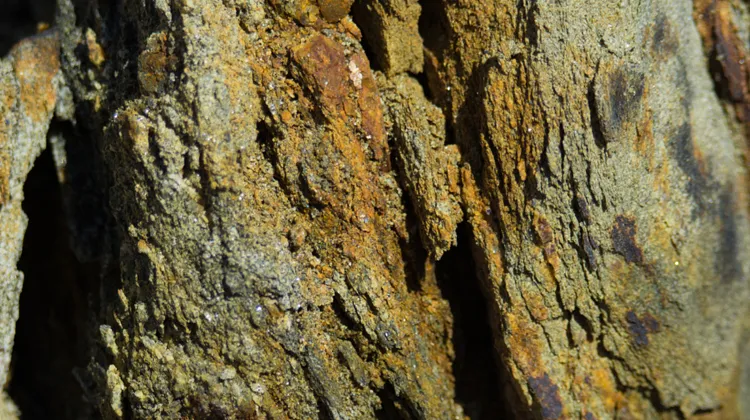
Oxidized gold ores have unique physical and chemical properties that influence processing methods.
The ore structure is usually porous and fractured, which reduces energy consumption during crushing and grinding. Gold often exists as free particles or is associated with iron oxides, allowing efficient chemical extraction.
Clay minerals are commonly present in oxidized ores and may reduce leaching efficiency. Washing and classification can significantly improve processing performance.
Under proper processing conditions, gold recovery from oxidized ores typically ranges from 80% to 95%.
Unlike sulfide ores, oxidized ores usually do not require complex pretreatment processes such as roasting or bio-oxidation.
3. How to Extract Gold from Oxidized Gold Ore – 3 Proven Steps
Extracting gold from oxidized gold ore requires a well-designed process that allows gold particles to be gradually liberated and efficiently recovered. Compared with sulfide ores, oxidized gold ores are generally easier to treat because gold often occurs as partially exposed particles within iron oxides and quartz gangue. This characteristic allows gold to be recovered through a combination of mechanical processing and chemical extraction methods with relatively high efficiency.
In industrial practice, the extraction of gold from oxidized ore typically follows three essential stages: ore crushing, ore grinding, and gold beneficiation. Each stage plays a critical role in ensuring that gold particles are fully exposed and can be separated from surrounding minerals. When these stages are properly designed and operated, gold recovery rates can remain stable even when ore quality varies.
The complete processing flow usually follows this sequence:
Ore Crushing → Ore Grinding → Gold Recovery
This process is widely used in both small-scale mining operations and large industrial gold processing plants.
Step 1: Ore Crushing – Preparing Oxidized Gold Ore for Processing

The extraction process begins with crushing, which reduces large pieces of oxidized gold ore into smaller particles that can be handled by grinding equipment. Oxidized gold deposits often contain hard quartz veins mixed with softer iron oxide materials, so a staged crushing process is normally required to achieve consistent particle size distribution.
Most gold processing plants use two-stage or three-stage dry crushing systems. In the primary stage, large rocks taken from the mine are reduced to manageable sizes. Secondary and tertiary crushing stages further reduce the material until it reaches the target particle size suitable for grinding. In many plants, the final crushing size is controlled within the range of 10 to 25 millimeters, which allows grinding equipment to operate efficiently while minimizing unnecessary energy consumption.
Jaw crushers are commonly installed as primary crushers because they can accept large feed sizes and operate reliably under harsh mining conditions. After primary crushing, cone crushers are often used to produce a more uniform particle size and improve the overall efficiency of the grinding circuit. Vibrating screens are installed between crushing stages to classify the material by size. Oversized particles are returned to the crusher for further reduction, while qualified material moves forward into the grinding stage. This closed-circuit crushing arrangement improves productivity and prevents excessive over-crushing of the ore.
A well-designed crushing circuit not only reduces operating costs but also improves gold recovery by ensuring that the ore enters the grinding stage at the optimal size.
Step 2: Ore Grinding – Liberating Gold from Gangue Minerals
After crushing, the ore is transferred to the grinding stage, where the particle size is further reduced in order to release gold particles from surrounding gangue minerals. Grinding is one of the most critical steps in oxidized gold ore processing because insufficient grinding can leave gold trapped inside quartz or iron oxide structures, making recovery difficult.
In most oxidized gold ore processing plants, grinding is performed under wet conditions to improve efficiency and reduce dust generation. The grinding fineness is typically controlled so that approximately 70 to 90 percent of the material passes through a 200-mesh screen, which corresponds to a particle size of about 75 microns. This level of fineness usually provides adequate liberation of gold particles while maintaining reasonable energy consumption.
Ball mills are widely used in medium and large gold processing plants because they can operate continuously and provide stable grinding performance. Their adjustable operating conditions allow operators to control the final particle size according to ore characteristics. Ball mills are especially suitable for processing hard oxidized ores in large-scale installations where consistent production is required.
For small and medium-sized mining operations, wet pan mills are often used as an alternative grinding solution. These machines require lower initial investment and are easier to operate and maintain. Wet pan mills are particularly effective when oxidized ore contains coarse free gold particles that can be recovered directly after grinding. Because of their simple structure and compact design, wet pan mills are commonly used in small gold processing plants and remote mining locations.
Proper control of the grinding stage ensures that gold particles are sufficiently liberated, which greatly improves the efficiency of the subsequent beneficiation process.
Step 3: Gold Beneficiation – Recovering Gold from Oxidized Ore

Once the ore has been ground to the required fineness, gold must be recovered from the slurry using appropriate beneficiation methods. The choice of recovery method depends on several factors, including gold particle size, ore grade, mineral composition, and processing capacity requirements.
Gravity separation is often used as the first recovery step when oxidized gold ore contains coarse free gold. Because gold has a very high density compared with most gangue minerals, gravity-based equipment can effectively concentrate gold particles without the use of chemicals. Equipment such as shaking tables, spiral chutes, and jig machines are commonly used for this purpose. Gravity separation is particularly attractive because it requires relatively low operating costs and produces minimal environmental impact. In many gold processing plants, gravity separation is used to recover coarse gold before the remaining material is treated by chemical methods.
Cyanide leaching is the most widely applied method for extracting gold from oxidized ores, especially when gold particles are fine or evenly distributed throughout the ore. During the cyanidation process, gold dissolves in a cyanide solution and forms soluble complexes that can be recovered through adsorption onto activated carbon or by zinc precipitation. Industrial cyanidation circuits typically include grinding, leaching tanks, adsorption systems, and final gold smelting. When properly operated, cyanide leaching can achieve recovery rates of more than ninety percent, making it the preferred method for many commercial gold processing plants.
Heap leaching provides an alternative solution for processing large volumes of low-grade oxidized gold ore. In this method, crushed ore is stacked on impermeable pads and irrigated with dilute cyanide solution over an extended period of time. The gold-bearing solution is collected and processed to recover the dissolved metal. Heap leaching requires lower capital investment and simpler infrastructure compared with conventional processing plants, making it particularly suitable for large open-pit mines with low ore grades. Although recovery rates are generally lower than those achieved by tank leaching, heap leaching remains an economical solution for many mining operations.
By selecting the appropriate combination of crushing, grinding, and beneficiation methods, oxidized gold ore can be processed efficiently and economically in a wide range of mining conditions.
4. Oxidized Gold Ore Processing Flow

The oxidized gold ore processing flow is designed to gradually reduce ore size and recover gold efficiently through a combination of mechanical and chemical processes. Because oxidized gold ore usually contains gold particles associated with quartz, iron oxides, and clay minerals, a well-organized processing flow is necessary to ensure stable production and high recovery rates.
A typical oxidized gold ore processing plant includes several key stages, starting from raw ore preparation and ending with gold recovery. Each stage is closely connected, and the performance of one stage directly influences the efficiency of the next. A properly designed processing flow can improve gold liberation, reduce operating costs, and increase overall plant productivity.
The standard oxidized gold ore processing flow generally includes the following steps:
Feeding → Crushing → Screening → Grinding → Classification → Beneficiation → Gold Recovery
Feeding and Primary Ore Preparation
The processing flow begins with the feeding system, where run-of-mine oxidized gold ore is transported into the crushing circuit. Stable and controlled feeding is essential for maintaining consistent production capacity and preventing equipment overload.
Feeders such as vibrating feeders are commonly used to regulate the flow of ore into the primary crusher. Proper feeding improves crushing efficiency and reduces equipment wear.
Large rocks are typically reduced to manageable sizes during the primary crushing stage before entering secondary crushing equipment.
Crushing and Screening Stage
The crushing and screening stage reduces large ore fragments into smaller particles suitable for grinding. This stage normally includes primary crushing with a jaw crusher followed by secondary or tertiary crushing with cone crushers or impact crushers.
After each crushing stage, vibrating screens are used to separate qualified material from oversized particles. Oversized material is returned to the crusher for further size reduction, forming a closed-circuit crushing system that ensures consistent product size.
In most oxidized gold ore processing plants, the final crushed product is controlled within the range of approximately 10–25 mm. Maintaining a consistent particle size helps improve grinding efficiency and reduces energy consumption in the milling stage.
Grinding and Classification Stage
After crushing, the ore enters the grinding circuit where particle size is further reduced to liberate gold from gangue minerals. Grinding is typically performed in ball mills or wet pan mills under wet conditions.
The grinding circuit is usually combined with classification equipment such as hydrocyclones or spiral classifiers. Classification equipment separates fine particles from coarse particles, allowing properly ground material to move forward while coarse material returns to the mill for further grinding.
This closed grinding circuit improves grinding efficiency and ensures stable particle size distribution. In most cases, grinding fineness is controlled at approximately 70–90% passing 200 mesh, which provides good gold liberation for oxidized ore.
Gold Beneficiation and Recovery Stage
Once the ore has been ground to the required fineness, gold recovery begins. The beneficiation stage may include gravity separation, cyanide leaching, or heap leaching depending on the ore characteristics and production requirements.
Gravity separation is often used to recover coarse free gold before chemical processing. This reduces the amount of gold entering the leaching circuit and improves overall recovery efficiency.
For ores containing fine gold particles, cyanide leaching is typically used to dissolve gold and recover it through carbon adsorption or precipitation processes. Cyanidation systems are widely used in medium and large gold processing plants because of their high recovery rates and stable performance.
Heap leaching may be used for low-grade oxidized gold ore where large volumes of material must be processed economically. In heap leaching operations, crushed ore is stacked on lined pads and irrigated with leaching solution over an extended period.
Advantages of a Well-Designed Processing Flow
A properly designed oxidized gold ore processing flow provides several important advantages. Efficient crushing and grinding improve gold liberation, while proper classification ensures consistent product size. Optimized recovery methods help maximize gold extraction and reduce operating costs.
Modern oxidized gold ore processing plants often use automated control systems to monitor operating conditions and maintain stable production. With the right combination of equipment and process design, oxidized gold ore can be processed economically with high recovery rates.
5. Equipment for Oxidized Gold Ore Processing
Efficient extraction of gold from oxidized gold ore depends largely on selecting the right mineral processing equipment. Each stage of the oxidized gold ore processing flow requires specialized machines designed to reduce particle size, liberate gold particles, and maximize gold recovery. A well-matched equipment configuration not only improves recovery rates but also reduces operating costs and ensures stable long-term operation.
A complete oxidized gold ore processing plant usually includes crushing equipment, grinding machines, classification devices, and gold recovery systems. The choice of equipment depends on ore hardness, gold particle size, plant capacity, and investment budget. Proper equipment selection allows processing plants to operate efficiently under different mining conditions.
Crushing Equipment for Oxidized Gold Ore
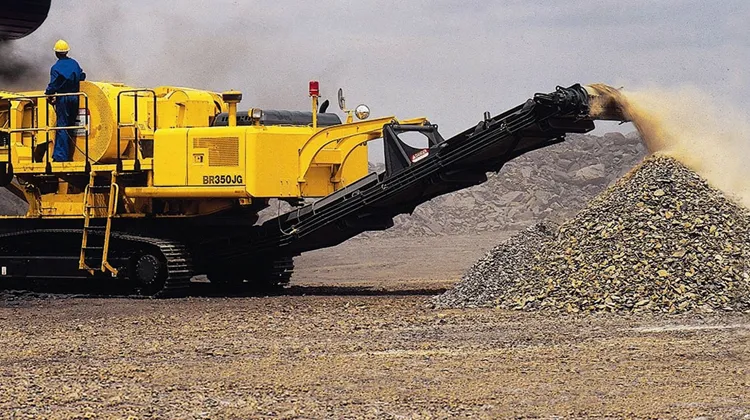
Crushing equipment is used to reduce large pieces of oxidized gold ore into smaller particles suitable for grinding. Because oxidized ores often contain quartz and iron oxide minerals with varying hardness, reliable crushing machines are essential for maintaining consistent production.
Jaw crushers are typically used as primary crushers because they can handle large feed sizes and hard rock materials. They provide stable operation and are suitable for processing run-of-mine ore in both small and large mining operations.
Cone crushers are commonly used for secondary and tertiary crushing. They produce more uniform particle size and improve the efficiency of the grinding stage. Cone crushers are widely used in medium and large gold processing plants where continuous operation is required.
Vibrating screens are installed within the crushing circuit to classify materials by size. Proper screening ensures that only qualified material moves forward to the grinding stage, while oversized material returns to the crusher for further reduction. This closed-circuit system improves overall processing efficiency.
Grinding Equipment for Oxidized Gold Ore
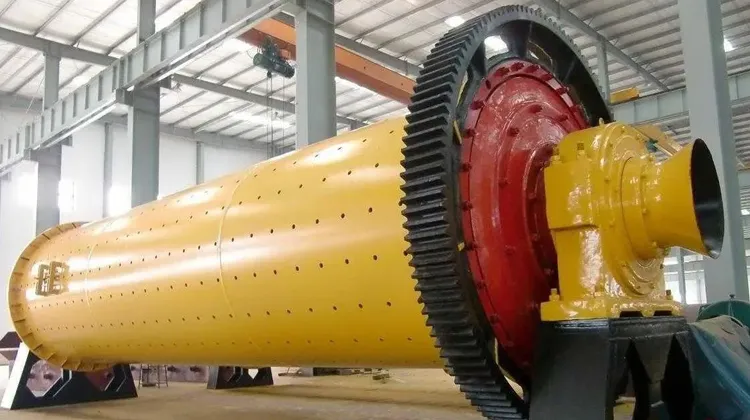
Grinding equipment is used to reduce crushed ore into fine particles so that gold can be released from gangue minerals. Proper grinding is essential for achieving high gold recovery rates.
Ball mills are the most commonly used grinding machines in oxidized gold ore processing plants. They provide reliable operation and consistent particle size control, making them suitable for continuous industrial production. Ball mills are especially effective for processing hard oxidized ores in large-scale operations.
Wet pan mills are often used in small and medium-sized gold mining projects. They require lower investment and are easier to operate compared with ball mills. Wet pan mills are particularly suitable for processing oxidized ores containing coarse free gold particles.
Classification equipment such as hydrocyclones or spiral classifiers is usually combined with grinding machines. These devices separate fine particles from coarse particles and ensure that grinding products meet the required fineness.
Gravity Separation Equipment
Gravity separation equipment is widely used in oxidized gold ore processing because oxidized ores often contain recoverable free gold. Gravity separation improves gold recovery and reduces the amount of gold entering the chemical processing stage.
Shaking tables are commonly used for recovering fine gold particles with high separation accuracy. They are suitable for small and medium processing plants where precise separation is required.
Spiral chutes are used for processing larger volumes of material. They have simple structures and require minimal maintenance, making them suitable for continuous operation.
Jig machines are effective for recovering coarse gold particles. They are widely used in gravity separation circuits because of their large processing capacity and stable performance.
Cyanidation Equipment
Cyanidation equipment is required when gold particles are fine and cannot be recovered efficiently through gravity separation alone. Cyanide leaching systems are widely used in oxidized gold ore processing plants because they provide high gold recovery rates.
Leaching tanks are used to mix ground ore with cyanide solution under controlled conditions. Proper agitation ensures that gold particles dissolve efficiently.
Carbon adsorption systems are used to recover dissolved gold from cyanide solution. Activated carbon absorbs gold complexes and allows gold to be recovered during the final processing stage.
Desorption and electrowinning systems are used to extract gold from loaded carbon and produce gold sludge for smelting.
Cyanidation equipment is commonly used in medium and large gold processing plants where high recovery rates are required.
Auxiliary Equipment in Gold Processing Plants
In addition to major processing machines, auxiliary equipment is necessary to maintain stable plant operation.
Feeders regulate the flow of ore into crushers and grinding machines, ensuring consistent production capacity.
Pumps are used to transport slurry between different processing stages.
Conveyors are used to move ore between equipment in crushing and grinding circuits.
Water supply systems are required for wet grinding and leaching processes.
Proper integration of auxiliary equipment improves overall plant reliability and efficiency.
6. How to Improve Gold Recovery

Improving gold recovery from oxidized gold ore is one of the main objectives in gold processing operations. Although oxidized gold ores are generally easier to treat than sulfide ores, inefficient processing conditions can still result in significant gold losses. By optimizing crushing, grinding, and beneficiation processes, gold recovery rates can be greatly improved while maintaining stable plant performance.
Gold recovery efficiency depends on several factors, including ore characteristics, particle size distribution, process design, and equipment performance. Careful control of these factors allows processing plants to achieve higher recovery rates and better economic returns.
Optimize Crushing and Particle Size Control
Proper crushing plays an important role in improving gold recovery because consistent particle size allows grinding equipment to operate more efficiently. When crushed material contains excessive oversized particles, gold may remain locked inside the ore and cannot be recovered during beneficiation.
A well-designed crushing circuit should produce a uniform product size, typically within the range of 10–25 mm before grinding. Closed-circuit crushing systems with vibrating screens help maintain consistent particle size distribution and prevent over-crushing.
Stable particle size control improves grinding efficiency and reduces energy consumption while supporting better gold liberation.
Improve Grinding Fineness and Gold Liberation
Grinding fineness has a direct influence on gold recovery. Gold particles must be sufficiently liberated from gangue minerals before they can be recovered by gravity separation or cyanide leaching.
If grinding is too coarse, gold particles remain trapped inside quartz or iron oxide minerals, leading to low recovery rates. On the other hand, excessive grinding increases operating costs and may create very fine particles that are difficult to recover.
For most oxidized gold ores, a grinding fineness of approximately 70–90% passing 200 mesh provides a good balance between gold liberation and energy consumption.
Proper grinding control is one of the most effective ways to improve gold recovery.
Select Suitable Gold Recovery Methods
Choosing the appropriate gold recovery method is essential for maximizing gold extraction from oxidized ores. Different ores require different processing methods depending on gold particle size and mineral composition.
Gravity separation is effective for recovering coarse free gold and is often used as a pre-concentration step before chemical processing. Removing coarse gold early reduces losses and improves overall plant efficiency.
Cyanide leaching is suitable for recovering fine gold particles and is widely used in industrial gold processing plants. Proper control of cyanide concentration, pH value, and leaching time helps achieve high recovery rates.
Heap leaching is suitable for low-grade oxidized ores and large-scale mining operations. Although recovery rates may be lower than tank leaching, heap leaching provides an economical solution for processing large ore volumes.
Selecting the correct recovery method based on ore characteristics significantly improves gold recovery performance.
Maintain Stable Processing Conditions
Stable operating conditions are essential for achieving consistent gold recovery. Variations in feed rate, ore grade, or slurry density can reduce the efficiency of grinding and leaching processes.
Maintaining stable feed rates ensures that crushers and grinding mills operate under optimal conditions. Consistent slurry density improves separation efficiency and leaching performance.
Regular monitoring of processing parameters such as pH value, cyanide concentration, and grinding fineness helps prevent gold losses and ensures reliable plant operation.
Automation systems and process control technologies are increasingly used in modern gold processing plants to maintain stable production conditions.
Use Efficient and Well-Maintained Equipment
Equipment performance has a direct impact on gold recovery. Worn grinding media, damaged liners, or poorly maintained recovery equipment can reduce process efficiency and increase gold losses.
Regular equipment inspection and maintenance help ensure that crushers, mills, and recovery systems operate at optimal performance levels.
Modern mineral processing equipment is designed to improve gold recovery through better particle size control, higher processing capacity, and more efficient separation performance.
Upgrading outdated equipment can significantly improve gold recovery while reducing operating costs.
7. Market Outlook
The global market for oxidized gold ore processing and gold extraction equipment remains strong and is expected to grow steadily. With gold prices maintaining high levels and demand for gold increasing in jewelry, electronics, and investment sectors, more mining companies are seeking efficient and cost-effective processing solutions for oxidized gold ores.
Countries with large oxidized gold deposits, such as China, Russia, South Africa, and parts of South America, are investing in modern processing plants to improve recovery rates and reduce operating costs. The trend toward modular and mobile processing equipment is also growing, as it allows for faster installation and flexible operation at remote mining sites.
In addition, environmental regulations are becoming stricter, driving the adoption of cleaner and safer processing methods, such as gravity separation and controlled cyanidation, which further supports market demand for advanced gold processing equipment.
8. Conclusion
Efficient extraction of gold from oxidized gold ore requires a combination of proper crushing, grinding, and beneficiation techniques. Choosing the right equipment and optimizing the processing flow can significantly improve gold recovery rates, reduce costs, and ensure stable operation.
Oxidized gold ores offer advantages such as relatively easy processing, high recovery potential, and lower investment compared with sulfide ores. With proper process design and modern equipment, both small-scale and large-scale gold processing plants can achieve reliable and profitable production.
For mining companies and equipment suppliers, investing in efficient oxidized gold ore processing technology not only ensures better economic returns but also supports sustainable and environmentally friendly operations.


 English
  Russian
  Arabic
  Vietnamese
  Spanish
  French
  Portuguese
  Japanese
  Chinese