


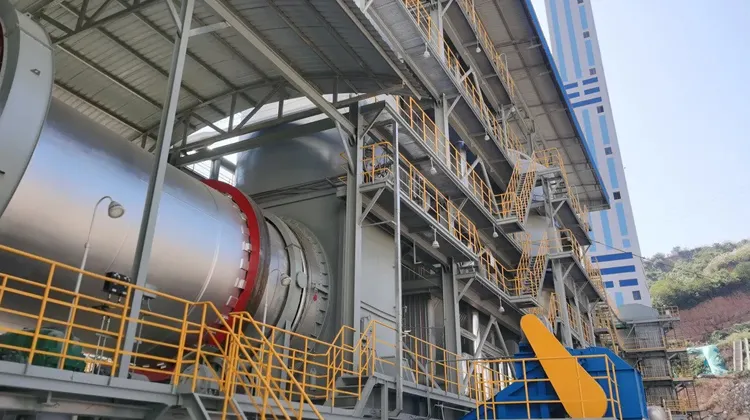
As global environmental regulations become increasingly strict, the safe disposal of hazardous medical waste has become a critical issue. Among various treatment technologies, rotary kiln incineration systems are widely recognized as one of the most reliable and efficient solutions.
For project investors, engineers, and procurement teams, understanding both the incineration process and the Factory Acceptance Test (FAT) is essential to ensure system performance, compliance, and long-term operational safety.
1. What Is a Medical Waste Incineration Rotary Kiln?
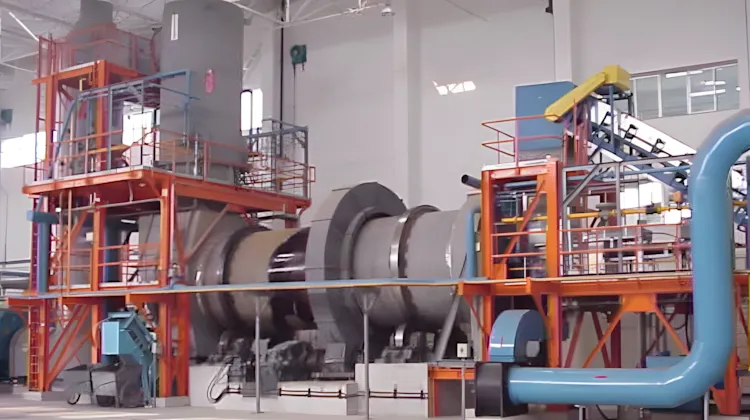
A medical waste incineration rotary kiln is the core equipment used for the treatment of hazardous and infectious waste. It is specifically designed to handle complex waste streams that may include biological, chemical, and pharmaceutical components.
The primary objective of this system is to achieve waste reduction, harmless treatment, and potential resource recovery through high-temperature combustion. Typically, the kiln operates within a temperature range of 850°C to 1100°C, ensuring the complete destruction of harmful substances.
Compared to other treatment methods, rotary kilns offer high adaptability and stable operation, making them ideal for hazardous medical waste applications.
2. Fundamentals of Waste Incineration
Waste incineration is a thermal treatment process that uses high-temperature oxidation to convert organic waste into carbon dioxide, water vapor, and inert ash. This process significantly reduces the volume and toxicity of waste.
In a rotary kiln system, several key operating parameters determine the efficiency of incineration. The kiln is usually installed with a slight inclination of 3° to 5% and rotates at a speed of approximately 1.5 to 3 revolutions per minute. These conditions allow waste to move slowly through the kiln while continuously tumbling, ensuring uniform exposure to heat.
The residence time of waste inside the kiln typically ranges from 15 to 20 minutes, which is sufficient for primary combustion. Afterward, gases generated from the process enter the secondary combustion chamber (SCC), where temperatures exceed 1100°C and gas residence time is maintained for more than 2 seconds. This is essential for achieving a dioxin destruction efficiency of over 99.99%.
When compared with other waste treatment methods such as landfill, composting, or recycling, incineration offers higher volume reduction and better control of hazardous components. While landfills require long-term management and composting is limited to organic waste, incineration provides a more complete and immediate solution for hazardous materials.
3. Types of Waste Incineration Systems
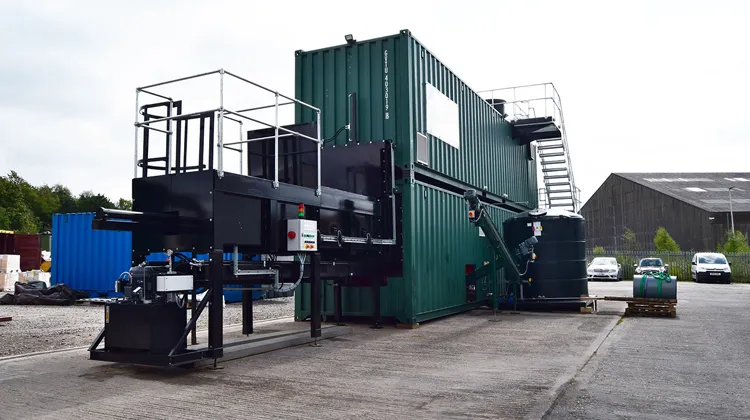
Different types of incineration systems are designed to handle specific waste streams, each with unique technical requirements.
Medical waste incineration systems are specifically engineered to destroy pathogens and infectious materials. These systems emphasize high-temperature sterilization and strict emission control.
Hazardous waste incineration systems are designed for industrial waste, including toxic liquids, chemical residues, and oily sludge. These systems require advanced combustion control and higher technical standards due to the complexity of the waste.
Municipal and green waste incineration systems typically use grate furnaces and focus on energy recovery, such as electricity generation or district heating. While effective for large volumes of household waste, they are less suitable for hazardous medical waste.
4. What Is Factory Acceptance Test (FAT) for Rotary Kiln Systems?
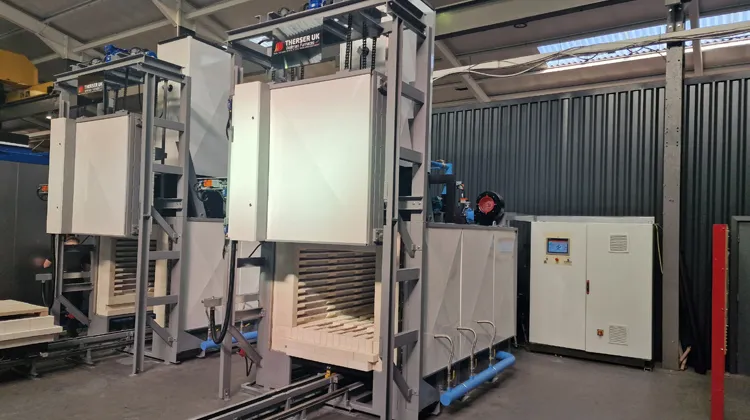
Factory Acceptance Test (FAT) is a systematic inspection and testing process conducted before equipment is delivered to the project site. It serves as a critical quality assurance step to verify that the system meets all design specifications and operational requirements.
For hazardous medical waste incineration rotary kilns, FAT is particularly important due to the strict environmental and safety standards involved. Any failure in system performance could result in compliance issues or operational risks.
The FAT process typically includes visual inspection, dimensional verification, functional testing, and performance checks of key components.
5. Key Components of a Medical Waste Rotary Kiln System

A rotary kiln incineration system consists of several critical components that must work together reliably.
The rotary kiln shell is a steel cylindrical structure that supports the waste and provides the environment for high-temperature combustion. It must withstand thermal stress and mechanical load during continuous operation.
The support system includes support rollers, riding rings, and thrust rollers. Riding rings transfer the load of the kiln to the rollers, while thrust rollers control axial movement and maintain stability.
The drive system consists of a motor, gearbox, and gear assembly. It ensures smooth rotation of the kiln and stable operation under varying loads.
Sealing devices are installed at both ends of the kiln to prevent cold air infiltration and flue gas leakage, which could otherwise reduce efficiency and affect emissions.
The combustion system includes burners that provide the necessary heat to maintain stable temperatures throughout the process.
6. What Is Checked During the FAT?
During the Factory Acceptance Test, multiple aspects of the system are carefully evaluated to ensure quality and performance.
Dimensional and geometric accuracy is verified to confirm that the kiln shell meets design specifications, including roundness and straightness.
Welding quality is inspected using non-destructive testing (NDT) methods such as ultrasonic testing to ensure structural integrity.
Trial operation is conducted to evaluate system performance under no-load conditions. Parameters such as rotation stability, vibration, and motor current fluctuations are closely monitored.
Sealing performance is also tested to ensure that there is no significant air leakage, which could impact thermal efficiency.
In addition, documentation review is carried out, including material certificates, quality inspection reports, and manufacturing records. These documents provide traceability and confirm compliance with standards.
7. Importance of FAT in Medical Waste Incineration Projects
FAT plays a crucial role in minimizing project risks and ensuring smooth commissioning. By identifying potential issues before shipment, it helps avoid costly modifications and delays at the installation site.
For international projects, FAT also provides an opportunity for clients or third-party inspectors to verify equipment quality before delivery.
Ultimately, a well-executed FAT ensures that the system operates safely, efficiently, and in compliance with environmental regulations.
Conclusion
Rotary kiln incineration systems are essential for the safe and effective treatment of hazardous medical waste. Their ability to handle complex waste streams and achieve high destruction efficiency makes them a preferred solution worldwide.
At the same time, the Factory Acceptance Test (FAT) is a critical step in ensuring system reliability, safety, and compliance before installation.
By combining advanced incineration technology with strict quality control procedures, operators can achieve efficient, stable, and environmentally responsible waste treatment.
FAQs About Medical Waste Incineration Rotary Kiln
1. What types of medical waste can a rotary kiln incinerator handle?
A rotary kiln incinerator can process a wide range of medical waste, including infectious waste, pathological waste, pharmaceutical waste, and contaminated materials. It is also suitable for mixed or high-moisture waste streams that are difficult to treat with other technologies.
2. What is the typical capacity of a medical waste rotary kiln system?
The capacity can vary depending on design, but most systems range from a few tons per day to over 100 tons per day. The final capacity depends on waste composition, calorific value, and project requirements.
3. How are emissions controlled in a rotary kiln incineration system?
Emissions are controlled through a combination of high-temperature combustion, secondary combustion chambers, and flue gas treatment systems. These may include scrubbers, bag filters, and activated carbon systems to remove pollutants.
4. What is the difference between FAT and SAT (Site Acceptance Test)?
FAT is conducted at the manufacturer’s facility before shipment to verify equipment quality and functionality. SAT is performed after installation on-site to ensure the system operates correctly under actual working conditions.
5. How long does it take to install and commission a rotary kiln incineration system?
The installation and commissioning period typically ranges from several weeks to a few months, depending on project scale, site conditions, and system complexity.
6. What are the main maintenance requirements for a rotary kiln system?
Regular maintenance includes checking refractory lining, lubrication of moving parts, inspection of sealing systems, and monitoring of drive components. Proper maintenance ensures long-term stable operation.
7. Can a rotary kiln system be customized for different projects?
Yes, rotary kiln incineration systems are highly customizable. Design parameters such as kiln size, temperature range, and feeding system can be adjusted based on waste characteristics and local regulations.
8. What certifications or standards should the system comply with?
Depending on the region, systems may need to comply with environmental and safety standards such as EU emission standards or local regulatory requirements. FAT helps ensure compliance before delivery.


 English
  Russian
  Arabic
  Vietnamese
  Spanish
  French
  Portuguese
  Japanese
  Chinese