



Copper has remained one of the world’s most important industrial materials for centuries. Today, it is widely used in electrical systems, industrial equipment, transportation, renewable energy, construction, and modern manufacturing because of its excellent conductivity, durability, and corrosion resistance.
As industries continue moving toward electrification, automation, and energy-efficient production, global demand for copper continues to grow. From household electronics to large cement manufacturing plants, copper plays a critical role in supporting stable and efficient industrial operations.
Its versatility and long-term reliability make copper an essential material for modern infrastructure, advanced engineering, and future industrial development.
Copper Uses in the Electrical Industry
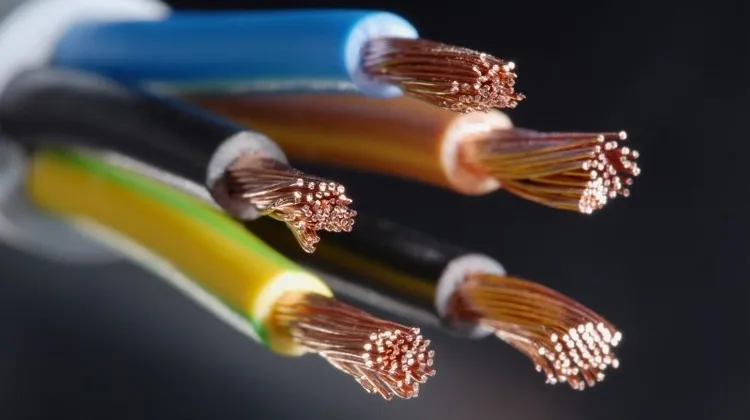
The electrical industry is one of the largest consumers of copper because modern power systems require materials capable of transmitting electricity safely and efficiently over long operating periods. Copper’s low electrical resistance and long-term reliability make it one of the most trusted materials in electrical engineering.
Power Transmission and Distribution Systems
Copper is widely used in electrical transmission infrastructure, including power cables, transformers, switchgear systems, busbars, and electrical connectors. Stable power delivery depends heavily on conductive materials that can minimize energy loss while maintaining system reliability under continuous operation.
In industrial environments such as cement plants, mining facilities, and manufacturing factories, electrical systems often operate under heavy loads for extended periods. Copper components help improve transmission efficiency and reduce operational risks caused by overheating or unstable power flow.
As global infrastructure projects continue expanding, copper remains a key material in supporting modern electrical grids and industrial power distribution networks.
Electric Motors and Industrial Equipment
Industrial motors consume large amounts of electricity during production, which makes energy efficiency extremely important for manufacturers. Copper windings are commonly used inside high-efficiency motors because they improve conductivity and reduce heat generation during operation.
In cement manufacturing plants, heavy-duty motors drive equipment such as ball mills, crushers, conveyor systems, and industrial fans. These systems often operate continuously under demanding conditions, and copper components help maintain stable machine performance while extending equipment service life.
As industrial automation and smart manufacturing technologies continue developing, demand for high-performance copper motor systems is expected to increase even further.
Residential and Commercial Electrical Wiring
Copper wiring is also widely used in homes, commercial buildings, and public infrastructure projects. Modern buildings rely heavily on stable electrical systems to support lighting, HVAC equipment, smart devices, elevators, and automated security systems.
Compared with alternative materials, copper wiring provides stronger durability, better safety performance, and more reliable conductivity over long-term use. This is one of the main reasons copper remains the preferred material for electrical installations worldwide.
Copper Applications in the Electronics Industry
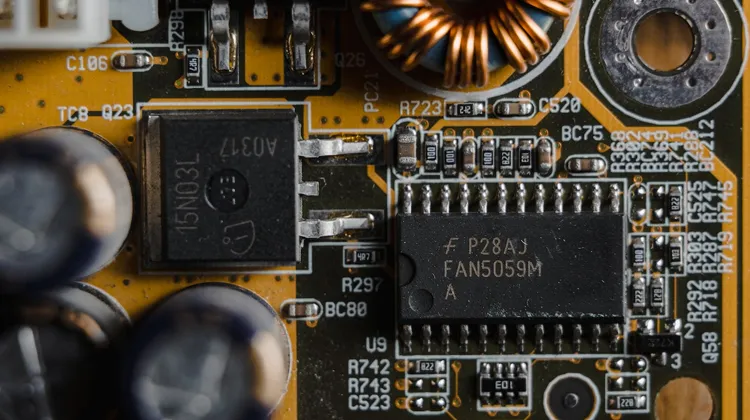
Modern electronic devices require fast and stable signal transmission, which makes copper an essential material in electronics manufacturing.
Printed Circuit Boards and Electronic Components
Printed circuit boards, commonly known as PCBs, use copper foil to create electrical pathways between electronic components. Nearly every modern electronic device, including smartphones, industrial automation systems, computers, and medical equipment, depends on copper-based circuit technology.
As electronic systems become more advanced and compact, manufacturers require materials capable of maintaining stable performance under increasingly complex operating conditions. Copper’s conductivity and reliability make it ideal for these applications.
Integrated Circuits and Semiconductor Technologies
Copper is also widely used inside integrated circuits and semiconductor systems. Compared with older conductive materials, copper interconnect technology improves processing speed while reducing electrical resistance inside microchips.
This allows electronic devices to operate more efficiently while supporting smaller and more powerful designs. As technologies such as artificial intelligence, cloud computing, and industrial automation continue growing, demand for advanced copper applications in semiconductor manufacturing is expected to rise steadily.
High-Frequency Electronic Equipment
Certain electronic systems require extremely high-purity copper materials to maintain stable electrical and thermal performance. Applications such as waveguides, magnetrons, and high-frequency transmitting equipment often rely on oxygen-free copper because impurities can negatively affect operational efficiency.
These technologies are commonly used in industrial communication systems, radar equipment, advanced manufacturing systems, and specialized engineering applications.
Copper in Energy and Petrochemical Industries
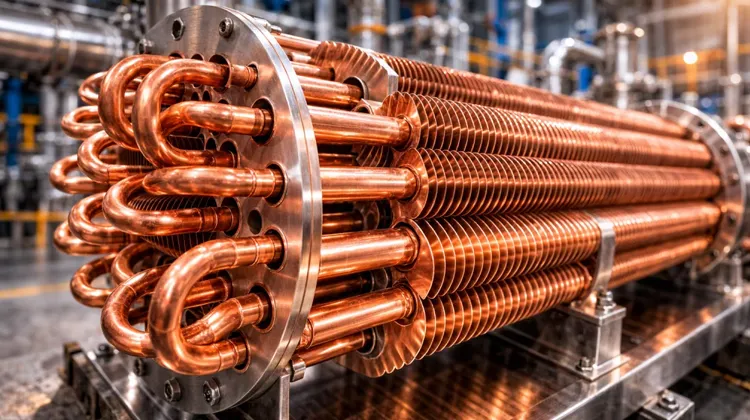
Copper plays a major role in both traditional energy systems and renewable energy infrastructure because efficient heat transfer and stable electrical performance are essential for modern power generation.
Thermal Power Generation Systems
In thermal power plants, copper is commonly used in condensers, heat exchangers, cooling systems, and power transmission equipment. These systems require materials capable of transferring heat efficiently while operating reliably under high temperatures and continuous workloads.
Copper’s thermal conductivity helps improve overall system efficiency while reducing energy loss during industrial operation.
Renewable Energy Infrastructure
As countries invest heavily in renewable energy projects, copper demand within the green energy sector continues growing rapidly. Solar power systems, wind turbines, energy storage equipment, and EV charging infrastructure all require substantial amounts of copper for electrical transmission and power conversion.
Renewable energy systems often require large-scale electrical networks and high-efficiency conductive materials, making copper one of the most important resources supporting global energy transition strategies.
Petrochemical and Marine Engineering Applications
The petrochemical industry frequently operates under corrosive and high-pressure conditions, which means equipment durability is extremely important. Copper and copper alloys are commonly used in industrial pipelines, valves, pumps, filters, and chemical processing systems because they provide strong corrosion resistance and long-term operational reliability.
In marine engineering, copper alloys are widely used in seawater piping systems, offshore platforms, and desalination facilities due to their ability to resist saltwater corrosion and biological fouling.
Copper Applications in Transportation Industry

Transportation systems are becoming increasingly dependent on copper as global industries move toward electrification and intelligent mobility technologies.
Automotive Manufacturing and Electric Vehicles
Copper is widely used in vehicle wiring systems, electric motors, radiators, battery systems, braking components, and onboard electronic equipment. Traditional gasoline-powered vehicles already require significant amounts of copper, but electric vehicles consume substantially more because they depend on larger electrical systems and high-voltage technologies.
As EV production continues expanding worldwide, the automotive industry is expected to become one of the largest long-term drivers of global copper demand.
Railway Infrastructure and Electrified Transportation
Modern railway systems rely heavily on copper for overhead conductors, electrical transmission equipment, train control systems, and signaling infrastructure. High-speed rail networks require stable electrical performance and efficient energy transmission, both of which depend on reliable copper-based systems.
Urban subway systems and electrified public transportation networks also use large amounts of copper to support safe and continuous operation.
Shipbuilding and Aerospace Engineering
Copper alloys are commonly used in marine pumps, seawater pipelines, propellers, and offshore engineering equipment because they perform reliably in harsh ocean environments.
In aerospace engineering, copper is used in hydraulic systems, cooling equipment, electrical control systems, and aviation electronics where durability and operational precision are essential.
Copper Uses in Machinery and Manufacturing Industries
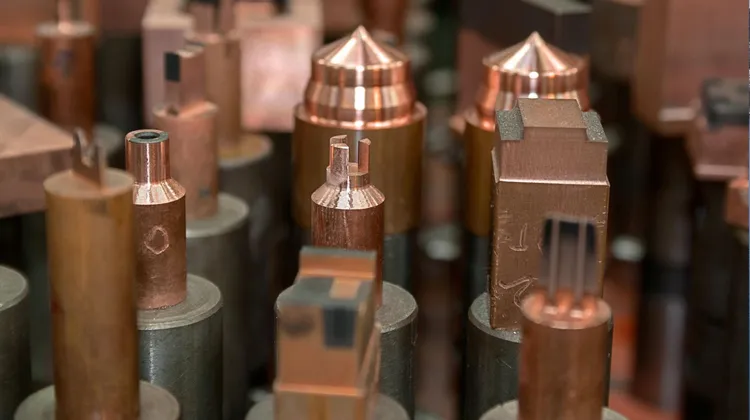
Modern manufacturing industries require materials that can support heavy workloads, continuous operation, and long-term equipment stability. Copper plays an important role in meeting these industrial requirements.
Mechanical Engineering and Industrial Components
Copper and copper alloys are widely used in gears, bearings, bushings, worm gears, and elastic mechanical components where friction reduction and wear resistance are important.
Industrial machinery often operates under high temperatures and demanding production conditions, which makes material durability critical for maintaining long-term operational efficiency.
Copper Applications in Cement Manufacturing Equipment
Copper is especially important in cement production systems because large cement plants rely heavily on stable electrical infrastructure and high-power industrial machinery.
Equipment such as ball mills, crushers, rotary kilns, conveyor systems, and industrial fans all depend on copper-based motors and electrical control systems. Copper components help improve equipment reliability, reduce energy loss, and support continuous industrial operation.
As cement manufacturers continue investing in intelligent production systems and energy-efficient technologies, demand for high-quality copper components within cement equipment is expected to increase steadily.
Metallurgical and Alloy Manufacturing Applications
Copper is also widely used as an alloying element in steel and aluminum production. Adding copper can improve corrosion resistance, mechanical strength, and wear performance, making industrial materials more suitable for demanding engineering applications.
This is particularly important in industries such as heavy machinery manufacturing, infrastructure construction, mining equipment production, and industrial engineering.
Copper Applications in Light Industry

Although copper is often associated with heavy industrial systems, it is also widely used in light manufacturing industries and consumer products.
HVAC and Refrigeration Systems
Air conditioning and refrigeration equipment rely heavily on copper tubing because copper transfers heat efficiently while maintaining long-term reliability under continuous operation.
Heat exchangers, refrigeration pipelines, and HVAC compressors commonly use copper components to improve cooling efficiency and energy performance in both residential and industrial environments.
Watchmaking and Precision Manufacturing
Specialized brass alloys containing copper are widely used in precision watchmaking because they offer excellent machinability, durability, and dimensional stability.
Copper materials are also commonly used in precision instruments and small mechanical systems that require consistent long-term performance.
Brewing, Medical, and Printing Industries
Copper’s corrosion resistance and antibacterial properties make it valuable in brewing systems, pharmaceutical processing equipment, and medical instruments.
The printing and paper industries also use copper in industrial rollers, printing plates, and specialized processing equipment where surface quality and durability are important.
Copper in Construction and Architecture

Copper has been used in architecture for centuries, and many historical buildings still contain original copper structures that remain functional today.
Plumbing and Building Infrastructure
Modern construction projects commonly use copper in plumbing systems, heating pipelines, fire sprinkler systems, roofing materials, and electrical infrastructure. Copper’s durability and corrosion resistance make it especially valuable in long-term infrastructure projects where reliability is critical.
As urban infrastructure continues expanding globally, copper remains an important material in both residential and commercial construction.
Decorative and Architectural Applications
Copper is also widely used in architectural decoration because of its attractive appearance and long-term durability. Door handles, locks, lighting fixtures, kitchen accessories, and decorative panels often contain copper or copper alloys.
Over time, copper surfaces develop a natural protective layer that enhances corrosion resistance while creating a unique visual appearance often associated with high-end architectural design.
Art, Musical Instruments, and Coin Production
Copper has long been used in sculptures, statues, bells, and musical instruments because it combines strength with excellent acoustic properties.
Many flutes, saxophones, and brass instruments contain copper alloys that help produce stable sound quality and long-term durability. Copper also continues to play an important role in coin manufacturing around the world.
Copper Applications in High-Tech Industries

As advanced technologies continue developing, copper is becoming increasingly important in high-tech engineering sectors.
Superconductivity and Cryogenic Engineering
Copper is widely used in superconducting alloys and low-temperature engineering systems where stable electrical performance is essential under extreme operating conditions.
These technologies are important in scientific research facilities, advanced energy systems, and specialized industrial applications.
Aerospace and Advanced Engineering Systems
Modern aerospace technologies require highly reliable materials capable of operating under extreme environmental conditions. Copper is commonly used in satellite systems, aviation electronics, spacecraft control equipment, and solar panel structural systems.
As global investment in aerospace engineering and advanced manufacturing continues growing, copper demand within high-tech industries is expected to remain strong.
Applications of Copper Compounds
In addition to metallic copper, copper compounds also play important roles across agriculture, manufacturing, and healthcare industries.
Agricultural and Industrial Uses
Copper compounds such as copper sulfate are widely used as fungicides and crop protection materials because they help prevent fungal diseases and agricultural contamination.
Industrial manufacturers also use copper compounds in ceramic production, textile processing, leather treatment, mineral processing, and glass coloring applications.
Human Health and Medical Applications
Copper is an essential trace element required by the human body. Proper copper intake supports blood circulation, immune system function, and nervous system health.
Certain copper compounds are also used in disinfectants, medical research, and specialized healthcare applications because of their antibacterial properties.
Why Copper Will Continue Shaping Future Industries
Global industries are increasingly focused on electrification, renewable energy, industrial automation, intelligent manufacturing, and sustainable infrastructure development. All of these sectors require reliable conductive materials capable of supporting efficient and stable long-term operation.
From electric vehicles and renewable energy systems to cement manufacturing plants and advanced industrial machinery, copper continues to serve as one of the foundational materials behind modern industrial development.
As infrastructure investment and global industrial modernization continue accelerating, copper demand is expected to remain strong for decades to come.
For industrial equipment manufacturers, cement plant engineering companies, mining machinery suppliers, and heavy industry exporters, understanding copper’s role in modern industrial systems is becoming increasingly important for long-term competitiveness and market growth.
Conclusion
Copper has become deeply integrated into modern life and industrial production. Whether in household electrical systems, transportation infrastructure, renewable energy projects, industrial machinery, or large-scale cement manufacturing plants, copper continues to provide the performance, reliability, and efficiency required by modern industries.
As the world continues moving toward automation, electrification, and sustainable industrial development, copper will remain one of the most important materials supporting future engineering and infrastructure growth.


 English
  Russian
  Arabic
  Vietnamese
  Spanish
  French
  Portuguese
  Japanese
  Chinese