


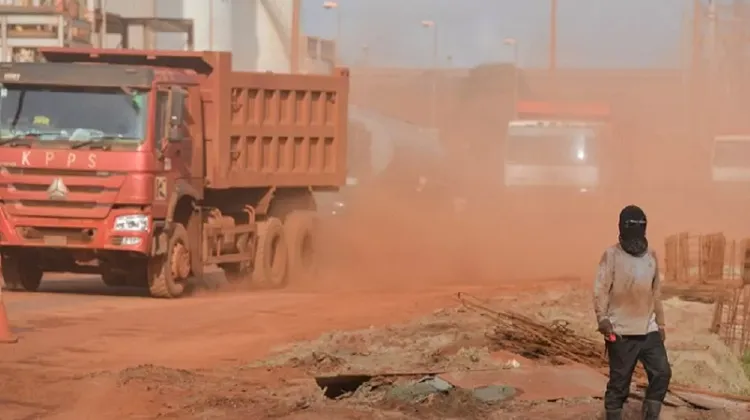
As global demand for aluminum continues to grow, bauxite mining has expanded rapidly across many parts of the world. While this growth supports industrial development, it also introduces a range of environmental and health challenges that are often more complex than they first appear. These impacts are not limited to the mining site itself; instead, they spread through interconnected natural systems, affecting air quality, water resources, soil conditions, and ultimately human well-being.
One of the most noticeable issues in bauxite mining is the generation of dust. Fine particles released during extraction and processing can travel long distances before settling on land or entering water bodies. At the same time, when bauxite interacts with water, it can alter soil chemistry and gradually reduce fertility. Over time, this combination of airborne and waterborne contamination can disrupt agricultural productivity and destabilize local ecosystems.
1. Types of Pollution Caused by Bauxite Mining
Industrial Residue (Red Mud)
Bauxite processing produces a large volume of industrial residue known as red mud, which contains compounds such as iron oxides, titanium dioxide, silica, and insoluble aluminum. These materials are chemically stable and do not break down easily in natural environments, meaning they can persist for decades once released.
When red mud is not properly contained, it can significantly alter the chemical balance of surrounding ecosystems. Its high alkalinity can raise the pH of nearby water bodies, making them unsuitable for aquatic life. In soil, prolonged exposure may lead to compaction and reduced permeability, which limits plant growth. Additionally, trace elements within the residue may slowly leach into groundwater systems, creating long-term risks for drinking water safety. Because of its persistence and widespread impact, red mud remains one of the most challenging forms of mining-related pollution to manage.
2. Environmental Impacts of Bauxite Mining
Air Pollution

Air pollution is one of the most immediate and visible consequences of bauxite mining. Dust is generated throughout nearly every stage of the process, from excavation to crushing, screening, and transportation. These fine particles can remain suspended in the air for extended periods, reducing overall air quality and creating health risks for workers and nearby communities.
When dust settles on crops, it forms a thin layer over leaf surfaces that interferes with sunlight absorption and reduces photosynthetic efficiency. This can directly impact agricultural yields in surrounding areas. In addition, high dust concentrations can reduce visibility, increasing the risk of accidents within mining sites. Over time, continuous exposure to mineral dust may contribute to chronic respiratory conditions, making air pollution control a critical component of responsible mining operations.
Noise Pollution
Although less visible than other forms of pollution, noise generated by mining activities can have significant long-term effects. Heavy machinery, crushing equipment, and blasting operations produce continuous and sometimes intense sound levels that extend beyond the immediate mining area.
For nearby communities, prolonged exposure to noise can lead to sleep disturbances, increased stress, and reduced quality of life. In natural ecosystems, noise pollution can disrupt animal behavior, affecting feeding patterns, reproduction, and migration. Some species may abandon their habitats entirely, leading to changes in local biodiversity. Managing noise through equipment optimization and operational planning is therefore an important aspect of minimizing environmental impact.
Water Pollution
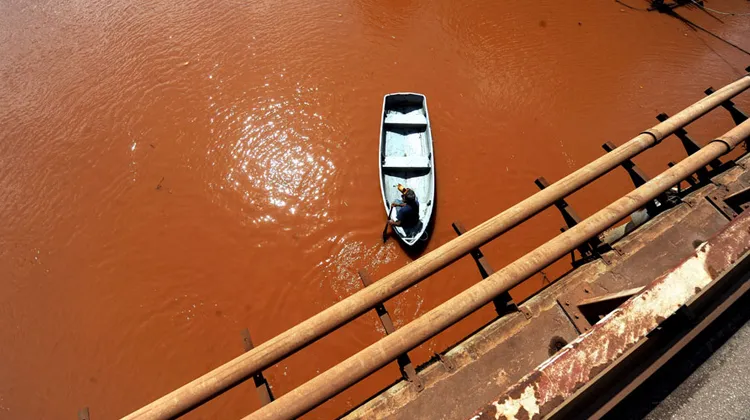
Water pollution associated with bauxite mining often develops gradually, making it more difficult to detect in its early stages. Contaminants can enter water systems through surface runoff or by seeping into groundwater, where they may spread far beyond the original mining site.
Heavy metals are a primary concern because they do not easily degrade and can accumulate in aquatic organisms. Over time, these substances move through the food chain, affecting fish, wildlife, and eventually humans. In addition, changes in water chemistry can disrupt ecological balance, allowing certain species to dominate while others decline. If contamination reaches drinking water sources, it can pose serious long-term risks to human health, highlighting the importance of effective water management systems.
Soil Pollution and Land Degradation
Soil degradation is one of the most lasting impacts of bauxite mining. During extraction, the removal of topsoil strips away essential nutrients such as carbon, nitrogen, and phosphorus, which are critical for plant growth. Without these nutrients, the land becomes significantly less productive.
At the same time, contamination by heavy metals can reduce microbial activity in the soil, weakening its natural ability to recover. The physical structure of the soil is also affected, often becoming thinner and more prone to erosion. As a result, agricultural productivity declines, and in severe cases, land may no longer be suitable for farming. Because soil recovery can take decades, careful management before, during, and after mining is essential.
Deforestation and Ecosystem Damage
Bauxite deposits are frequently located in areas with dense vegetation, meaning that mining often requires large-scale land clearing. This leads to immediate habitat loss for plants and animals, reducing biodiversity and disrupting ecological balance.
As habitats disappear, wildlife may be forced to migrate to new areas, where survival is not always guaranteed. Even when mining activities cease, natural recovery is slow, and ecosystems may take many years to return to their original state. In some cases, the damage may be irreversible, making deforestation one of the most serious long-term consequences of bauxite mining.
3. Effects of Aluminum on Human Health

Respiratory Exposure
In mining environments, inhalation of aluminum-containing dust is the most common pathway of exposure. Fine particles can enter the respiratory system and cause irritation, leading to symptoms such as coughing and chest discomfort.
Over extended periods, repeated exposure may contribute to the development of chronic respiratory conditions. Workers in mining operations are particularly vulnerable, as they are exposed to higher concentrations of dust on a daily basis. This makes the use of protective equipment and effective dust control systems essential for reducing health risks.
Excessive Intake
Under normal circumstances, small amounts of aluminum are present in food and water and are generally considered safe. However, long-term exposure to higher levels may raise health concerns.
Some studies have explored a possible connection between aluminum and neurological conditions, although current evidence remains inconclusive. Individuals with impaired kidney function may be at greater risk, as their bodies are less efficient at eliminating accumulated aluminum. For this reason, international health guidelines recommend limiting weekly intake to safe levels.
Food Contamination
Mining activities can indirectly affect food safety by introducing contaminants into soil and water systems. Crops grown in polluted environments may absorb heavy metals, which can then enter the human food chain.
As these substances accumulate over time, the potential health risks increase, particularly for populations that rely heavily on locally grown food. This highlights the broader impact of mining beyond the immediate extraction area.
4. Effects of Aluminum on Children
Children are especially vulnerable to environmental pollutants because their bodies and organ systems are still developing. Exposure to aluminum may interfere with important biological processes during this critical stage.
In terms of bone development, aluminum can disrupt phosphate metabolism, which plays a key role in forming strong and healthy bones. This may lead to reduced bone density or growth issues. There is also concern about its potential effects on neurological development, as exposure during early childhood could influence memory and cognitive function.
Additionally, aluminum may affect digestive processes by interfering with enzyme activity, potentially leading to reduced nutrient absorption and appetite changes. These combined effects make it particularly important to minimize environmental exposure in areas near mining operations.
5. How to Reduce the Negative Effects of Bauxite Mining
Advanced Mining Equipment
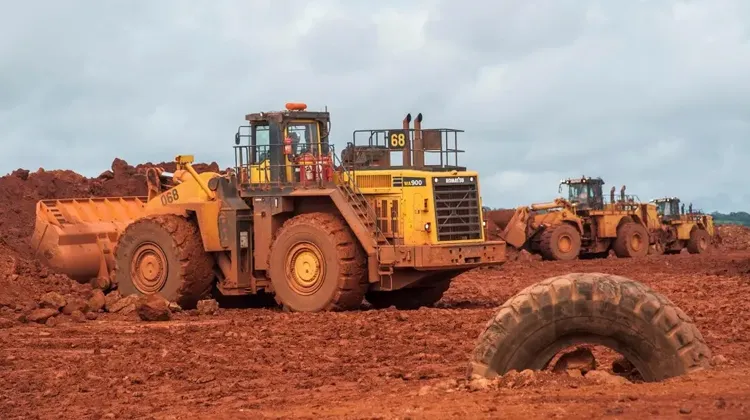
Technological improvements in mining equipment play a crucial role in reducing environmental impact. Modern systems are designed not only to improve efficiency but also to minimize emissions and resource waste.
For example, low-emission crushing equipment can significantly reduce dust generation at the source, while high-efficiency screening systems help optimize material use and reduce waste. Enclosed conveying systems prevent material loss during transport, and automation allows for more precise control of operations. Together, these technologies help create a more sustainable and environmentally responsible mining process.
Land Rehabilitation and Ecological Restoration
Restoring mined land is an essential step in reducing long-term environmental damage. Reforestation efforts can help rebuild ecosystems, while soil rehabilitation improves land productivity. Water treatment initiatives also play a key role in restoring local environmental conditions.
Although full recovery may take time, these efforts are critical for ensuring that mining activities do not leave permanent scars on the landscape.
Strengthening Environmental Management
Effective regulation and environmental management are necessary to ensure that mining operations follow sustainable practices. This includes conducting environmental impact assessments, monitoring emissions, and enforcing strict compliance with environmental standards.
By combining regulatory oversight with technological innovation, it is possible to significantly reduce the negative effects of bauxite mining while maintaining industrial productivity.
Conclusion
Bauxite mining remains a vital part of the global industrial system, but its environmental and health impacts are complex and far-reaching. Addressing these challenges requires a balanced approach that integrates advanced technology, responsible management, and long-term planning.
For mining and cement equipment manufacturers, this transition represents not only a responsibility but also an opportunity to provide solutions that align with global sustainability goals and evolving industry standards.
Frequently Asked Questions About Bauxite Mining
1. What are the main environmental impacts of bauxite mining?
Bauxite mining mainly affects the environment through air pollution, water contamination, soil damage, and deforestation. Dust from mining can spread into nearby areas, while waste materials can pollute water and land. Over time, these impacts can harm ecosystems and reduce land productivity.
2. Why is red mud a problem?
Red mud is a waste product from aluminum production that contains alkaline materials and metal compounds. It does not break down easily and can stay in the environment for a long time. If not handled properly, it can pollute soil and water.
3. How does bauxite mining affect air quality?
Mining activities create a large amount of dust, especially during crushing and transportation. This dust can reduce air quality and affect both workers and nearby communities. It can also settle on crops and impact plant growth.
4. Can bauxite mining pollute water?
Yes, mining can pollute both surface water and groundwater. Rain can carry dust and waste into rivers and lakes, and some pollutants can seep underground. This may affect aquatic life and drinking water sources.
5. How does bauxite mining affect soil?
Mining removes topsoil, which contains important nutrients for plants. It can also introduce harmful substances that reduce soil quality. As a result, the land may become less suitable for farming.
6. Is aluminum harmful to human health?
Small amounts of aluminum are generally safe. However, long-term exposure to high levels, especially through dust, may affect health. People with kidney problems may be more sensitive to aluminum.
7. Why are children more at risk from aluminum?
Children are still developing, so their bodies are more sensitive to pollutants. Aluminum exposure may affect bone growth and brain development. This is why protecting children from environmental pollution is important.
8. How can the impact of bauxite mining be reduced?
The impact can be reduced by using modern equipment, controlling dust, and treating waste properly. Companies can also restore land after mining and follow environmental regulations. These steps help make mining more sustainable.
9. Can mining companies operate in a more sustainable way?
Yes, companies can improve sustainability by reducing emissions, recycling water, and managing waste responsibly. Using efficient equipment and following environmental standards also helps reduce impact.
10. Does modern mining equipment help reduce pollution?
Modern equipment is designed to produce less dust and waste. It can also improve efficiency and reduce energy use. This makes mining cleaner and more environmentally friendly.


 English
  Russian
  Arabic
  Vietnamese
  Spanish
  French
  Portuguese
  Japanese
  Chinese