



In the mining industry, mineral testing for beneficiation plays a critical role in determining the success of a mineral processing project. Through professional mineral testing, engineers can fully understand the chemical composition, mineralogical characteristics, particle size distribution, and beneficiation potential of the ore.
For mining companies, investors, and mineral processing plants, conducting comprehensive beneficiation test work before building a processing plant can significantly reduce investment risks and improve mineral recovery.
This article explains why mineral testing is necessary, when to conduct it, what types of tests are required, and how test work supports beneficiation plant design.
What Is Mineral Testing for Beneficiation
Mineral testing for beneficiation refers to a comprehensive technical evaluation process used to study the physical, chemical, and mineralogical characteristics of an ore before large-scale mineral processing begins. The purpose of this testing is to determine how a specific ore deposit behaves during different beneficiation processes and to identify the most efficient way to separate valuable minerals from gangue materials.
Unlike simple laboratory analysis, beneficiation test work combines multiple scientific methods to simulate real mineral processing conditions. By conducting controlled experiments on representative ore samples, engineers can evaluate the processing performance of the material and predict how it will behave in an industrial mineral processing plant.
Mineral testing plays an essential role in the early stages of mining projects because ores from different deposits often vary greatly in terms of mineral composition, particle size distribution, hardness, and mineral liberation characteristics. Even ores containing the same valuable element may require completely different beneficiation strategies due to variations in mineral structure or the presence of impurities.
Through systematic mineral testing, specialists are able to determine critical processing parameters such as:
the optimal grinding size required to liberate valuable minerals
the most suitable separation techniques for the ore
the expected recovery rate and concentrate grade
the potential environmental or processing challenges
These insights allow mining engineers to design efficient mineral processing flowsheets tailored specifically to the characteristics of the ore body.
In addition, mineral testing helps evaluate the technical feasibility and economic viability of a mining project. Accurate test results provide reliable data for process design, equipment selection, plant capacity planning, and cost estimation. Without proper test work, mineral processing plants may face operational issues such as low recovery rates, unstable product quality, or excessive energy consumption.
In modern mining operations, mineral testing is therefore considered a critical bridge between geological exploration and industrial mineral processing, ensuring that beneficiation plants operate efficiently, economically, and sustainably.
Why Do We Need the Test Work
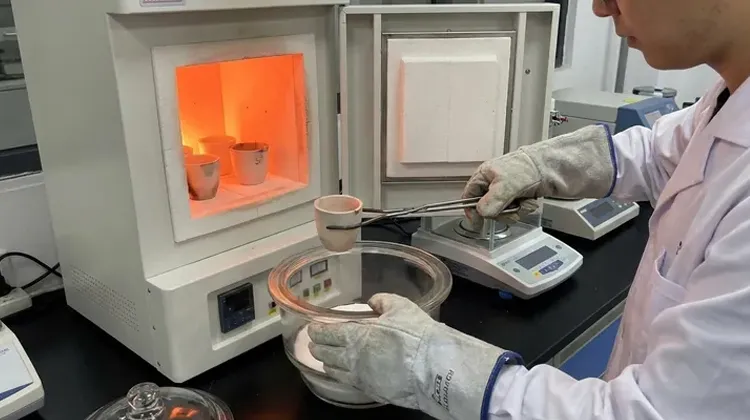
Beneficiation test work is a critical step in the development and operation of any mining project. Ores from different deposits often vary significantly in mineral composition, structure, hardness, and impurity content. Without systematic testing, it is extremely difficult to determine how the ore will respond to different mineral processing techniques. Beneficiation test work provides the scientific and technical data needed to design efficient and reliable mineral processing solutions.
One of the most important purposes of mineral testing is to understand the detailed characteristics of the ore body. Through laboratory analysis and beneficiation experiments, engineers can obtain accurate information about mineral distribution, liberation characteristics, and the association between valuable minerals and gangue materials. These data are essential for geological evaluation and for determining whether a mineral deposit has sufficient economic potential for further development.
Another key objective of beneficiation test work is to support the design and construction of mineral processing plants. Because the mineralogical properties of ores differ from one mining region to another, a processing flowsheet that works for one deposit may not be suitable for another. Test work allows engineers to evaluate different beneficiation methods and develop the most appropriate process route, ensuring high recovery rates and stable concentrate quality when the plant begins operation.
Beneficiation testing also plays a vital role in optimizing equipment selection and improving project economics. By understanding the processing behavior of the ore, engineers can select the most suitable crushing, grinding, and separation equipment for the project. Proper equipment configuration helps balance capital investment and operating costs while minimizing energy consumption and resource loss during production.
In addition, mineral test work provides valuable technical support for the optimization or upgrading of existing beneficiation plants. During long-term operation, processing plants may encounter problems such as declining recovery rates, increased impurity levels in concentrates, or rising operating costs. Conducting additional laboratory tests and process evaluations can help identify the root causes of these issues and provide practical solutions to improve plant performance.
Overall, beneficiation test work provides a reliable technical foundation for decision-making throughout the life cycle of a mining project—from early exploration and feasibility studies to plant design, production optimization, and process improvement.
When Should Mineral Testing Be Conducted
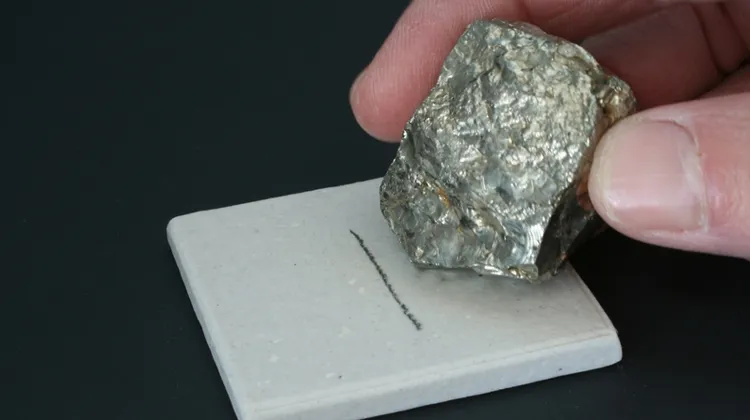
Mineral testing is not only important during the early stages of mining projects but also throughout the entire life cycle of mineral development and processing. Because ore properties, market conditions, and production requirements can change over time, beneficiation test work is often conducted at several key stages of a mining project.
Understanding when to conduct mineral testing helps mining companies reduce technical risks, improve process efficiency, and make more informed investment decisions.
Below are some common situations where mineral testing becomes necessary.
1. Before Purchasing Ore Deposits or Mining Rights
Before investing in a mineral deposit or purchasing mining rights, companies usually conduct preliminary ore beneficiation testing to evaluate the economic potential of the resource.
Laboratory testing helps determine whether the ore contains sufficient valuable minerals and whether these minerals can be effectively recovered through beneficiation processes. By analyzing the expected recovery rate, concentrate grade, and processing difficulty, investors can better assess the profitability of the project and avoid high-risk investments.
This stage of testing is particularly important for investors who are considering acquiring new mining assets or developing unexplored mineral deposits.
2. Before Conducting Detailed Geological Exploration
Mineral testing can also be performed before large-scale geological exploration begins. Preliminary laboratory tests provide basic information about the processing characteristics of the ore, which helps determine whether it is worthwhile to continue with further exploration activities.
If early beneficiation test results indicate poor recovery rates or complex mineral associations, mining companies may reconsider their exploration strategy or adjust their development plans accordingly.
In this way, mineral testing serves as a valuable tool for guiding exploration investment and reducing unnecessary exploration costs.
3. Before Applying for Mining Licenses or Project Approvals
In many mining jurisdictions, technical documentation related to ore processing feasibility is required when applying for mining permits or government approvals.
Beneficiation test results provide important technical evidence that demonstrates the viability of the proposed mining and mineral processing operations. These results may include information about processing methods, expected recovery rates, environmental considerations, and concentrate quality.
Such data help regulatory authorities evaluate the feasibility and sustainability of the mining project.
4. Before Designing and Constructing a Beneficiation Plant
One of the most important stages for conducting mineral testing is before the design and construction of a mineral processing plant.
At this stage, detailed beneficiation test work is carried out to determine:
The most suitable beneficiation methods
The optimal processing flowsheet
The expected metallurgical performance
The required equipment configuration
These test results provide the technical foundation for engineering design, equipment selection, and plant capacity planning, ensuring that the processing plant can operate efficiently once construction is completed.
5. When Ore Characteristics Change During Mining
As mining operations progress deeper into an ore body, the mineral composition and physical characteristics of the ore may gradually change. These changes can affect grinding performance, separation efficiency, and overall plant productivity.
When significant changes in ore properties are observed, additional mineral testing may be required to evaluate the new material and adjust the beneficiation process accordingly.
Regular testing helps maintain stable recovery rates and ensures that the processing plant continues to operate under optimal conditions.
6. When Product Quality or Recovery Rates Decline
If a mineral processing plant experiences problems such as declining concentrate quality, lower recovery rates, or higher processing costs, new beneficiation test work may be required to diagnose the issue.
Through laboratory testing and process evaluation, engineers can analyze potential causes such as:
Changes in ore composition
Inefficient grinding conditions
Inappropriate reagent selection
Equipment performance issues
The results can help identify process improvements and restore the plant’s production performance.
7. During Reagent Optimization or Wastewater Treatment
Mineral testing is also important when optimizing flotation reagents, chemical additives, or wastewater treatment processes in mineral processing plants.
Laboratory tests allow engineers to evaluate different reagent schemes and determine the most effective chemical combinations for improving mineral separation while minimizing environmental impact.
Similarly, test work can help evaluate recycling strategies for process water and tailings treatment systems.
Common Mineral Testing Methods

In mineral processing and beneficiation studies, a variety of laboratory testing methods are used to evaluate the physical, chemical, and metallurgical characteristics of ores. These testing methods help engineers understand how valuable minerals are distributed within the ore and how they can be effectively separated during beneficiation.
Modern mineral testing laboratories use a combination of analytical techniques and experimental procedures to generate reliable technical data for mineral processing design. Each testing method focuses on a specific aspect of the ore, and together they provide a comprehensive understanding of the material.
Below are some of the most commonly used mineral testing methods in beneficiation studies.
1. Chemical Composition Analysis
Chemical analysis is one of the most fundamental steps in mineral testing. It is used to determine the elemental composition of the ore and identify the concentration of both valuable metals and unwanted impurities.
Through chemical composition analysis, engineers can evaluate the potential economic value of the ore and identify elements that may influence beneficiation performance.
Typical elements analyzed include:
Iron (Fe)
Copper (Cu)
Gold (Au)
Lithium (Li)
Lead (Pb)
Zinc (Zn)
Rare earth elements (REEs)
Common laboratory techniques used for chemical analysis include:
X-ray fluorescence (XRF) analysis
Inductively coupled plasma (ICP) analysis
Fire assay for precious metals
These analytical methods provide accurate quantitative data that support resource evaluation and process design.
2. Mineralogical Analysis
Mineralogical analysis focuses on identifying the types of minerals present in the ore and their relationships with each other. This type of testing helps determine how valuable minerals are embedded within the host rock and how easily they can be liberated during grinding.
Understanding the mineralogical structure of the ore is essential for selecting appropriate beneficiation methods.
Mineralogical studies typically provide information about:
Mineral species and composition
Grain size distribution of minerals
Mineral associations and intergrowth structures
Liberation characteristics after grinding
Advanced analytical tools used in mineralogical testing include:
X-ray diffraction (XRD)
Scanning electron microscopy (SEM)
Automated mineralogy systems
Optical microscopy analysis
These techniques help researchers understand the microscopic structure of the ore and predict its beneficiation behavior.
3. Particle Size Distribution Analysis
Particle size distribution analysis is used to evaluate the size characteristics of crushed or ground mineral samples. In mineral processing, particle size has a direct impact on mineral liberation and separation efficiency.
By studying the size distribution of mineral particles, engineers can determine the optimal grinding conditions needed to achieve efficient separation.
Particle size analysis provides important data such as:
Size distribution of ore particles after crushing or grinding
Proportion of fine and coarse particles
Relationship between particle size and mineral liberation
Common techniques used for particle size measurement include:
Mechanical sieve analysis
Laser particle size analysis
Sedimentation analysis
These results are essential for designing grinding circuits and optimizing milling operations in mineral processing plants.
4. Grindability and Comminution Testing
Grinding is one of the most energy-intensive stages in mineral processing. Therefore, grindability testing is performed to evaluate how easily the ore can be crushed and ground during beneficiation.
Grindability tests help determine the energy required to reduce the ore to a specific particle size, which is critical for selecting appropriate grinding equipment and estimating energy consumption.
Typical grindability tests include:
Bond Work Index test
Bond Ball Mill Work Index test
Rod Mill Work Index test
SAG mill comminution testing
These tests provide valuable information for designing grinding circuits and determining the capacity of crushing and milling equipment.
5. Beneficiation and Separation Tests
Beneficiation tests are laboratory experiments that simulate the actual mineral separation processes used in industrial mineral processing plants.
These tests evaluate how effectively valuable minerals can be separated from gangue materials using different beneficiation techniques.
Common beneficiation tests include:
Flotation tests for sulfide and non-sulfide minerals
Magnetic separation tests for iron and magnetic minerals
Gravity separation tests for high-density minerals
Leaching tests for metals such as gold or copper
Through these experiments, engineers can determine:
The most suitable beneficiation method
Expected mineral recovery rates
Concentrate grade and product quality
Optimal processing conditions
The results of beneficiation testing provide essential technical data for developing the final mineral processing flowsheet.
Types of Beneficiation Test Work

Beneficiation test work is performed at different stages of a mining project depending on the goals of the study. Each type of test provides valuable technical data for mineral processing plant design, process optimization, and economic evaluation.
1. Exploratory Beneficiation Tests
Exploratory tests are conducted at the early stage of a mining project, often before purchasing mining rights or making major investment decisions. These tests provide a preliminary assessment of ore value, including:
Potential recovery rates
Expected concentrate grade
Basic mineral processing characteristics
This type of testing helps investors and mining companies evaluate economic feasibility and make informed investment decisions.
2. Feasibility Tests
Feasibility tests are more detailed and are typically carried out during geological exploration or pre-plant design phases. These tests help engineers:
Determine the most suitable beneficiation method
Set preliminary metallurgical parameters
Estimate processing costs and expected recovery
Feasibility testing ensures that the mineral processing plan is technically sound and economically viable.
3. Systematic Process Tests
Systematic process tests are performed before the construction of a beneficiation plant. They are designed to:
Optimize the mineral processing flowsheet
Finalize equipment selection
Set process parameters for grinding, separation, and concentration
These tests provide a comprehensive understanding of ore behavior under real processing conditions, ensuring efficient plant operation.
4. Technical Research and Problem-Solving Tests
These tests focus on addressing specific technical challenges in mineral processing, such as:
Improving recovery rates
Increasing concentrate quality
Solving operational problems in existing plants
They are also used to develop innovative processing techniques or test new reagents for flotation, leaching, or other beneficiation methods.
5. Process Verification and Plant Optimization Tests
Process verification tests compare different process routes or reagent schemes to select the most effective option. They are also used to optimize plant performance by:
Confirming recovery rates and concentrate quality
Adjusting grinding size and separation parameters
Reducing reagent consumption and operational costs
What Does the Test Work Involve
Beneficiation test work involves a series of laboratory and pilot-scale experiments designed to evaluate the properties of ore and determine the most effective mineral processing methods. Each step provides critical data for designing processing flowsheets, selecting equipment, and improving plant efficiency.
Below are the key tasks typically included in mineral test work.
1. Ore Type Identification
The first step is to determine the type of ore, which involves:
Conducting spectral analysis to identify mineral species
Detecting rare or trace elements that may affect processing
Knowing the ore type helps guide subsequent beneficiation testing and ensures the appropriate processing method is chosen.
2. Mineral Property Characterization
Engineers evaluate the physical and chemical properties of the ore, including:
Hardness and grindability
Presence of valuable and harmful elements
Magnetic and density characteristics
This information is critical for selecting separation techniques and predicting the performance of the beneficiation process.
3. Mineral Composition and Association Analysis
Laboratory analysis is used to understand the relationships between different minerals, including:
Which minerals are intergrown
The distribution of valuable versus gangue minerals
Potential challenges in liberation and separation
These insights are essential for designing an efficient mineral processing flowsheet.
4. Concentrate and Tailings Assay
Samples of concentrates and tailings are analyzed to:
Identify the content of valuable minerals in the final product
Detect harmful impurities
Evaluate recovery rates
This step ensures that the beneficiation process meets quality and efficiency targets.
5. Density and Specific Gravity Measurement
Density tests are performed on:
Water
Ore samples
Concentrates
Measuring specific gravity is important for:
Calculating mass balances
Designing gravity separation circuits
Predicting flotation and settling behavior
Standard Mineral Testing Procedure
A standard mineral testing procedure provides a step-by-step approach to evaluate ore properties and determine the most effective beneficiation methods. Following a structured procedure ensures reliable, reproducible, and comparable results for mineral processing design and optimization.
The typical steps in a standard mineral testing procedure are as follows.
1. Sample Collection and Preparation
Collect representative ore samples from the deposit to ensure accuracy and consistency.
Prepare the samples by crushing, splitting, and grinding to the desired particle size.
Proper sample preparation is essential to avoid bias in test results and ensure that laboratory tests reflect real ore behavior.
2. Preliminary Analysis
Conduct basic physical and chemical tests to determine ore type, mineral composition, and presence of impurities.
Common tests include spectral analysis, X-ray fluorescence (XRF), and density measurements.
Preliminary analysis provides the baseline data needed for more detailed testing.
3. Detailed Mineralogical and Metallurgical Testing
Perform mineralogical studies to examine the structure, associations, and liberation characteristics of minerals.
Conduct beneficiation tests such as flotation, gravity separation, or magnetic separation to evaluate recovery rates and concentrate quality.
These tests help select the most suitable processing method and optimize plant flowsheets.
4. Data Analysis and Interpretation
Analyze test results to determine process parameters, equipment requirements, and expected performance.
Compare data from multiple tests to identify trends, anomalies, or potential challenges in mineral processing.
The insights gained provide a scientific basis for plant design, process optimization, and economic evaluation.
5. Reporting and Documentation
Prepare a comprehensive test report that includes methodology, results, observations, and recommendations.
Proper documentation ensures that engineers, investors, and regulatory authorities can make informed decisions.
Standardized reporting also allows comparison between different ore deposits or processing scenarios.
How Mineral Testing Helps Select Beneficiation Equipment
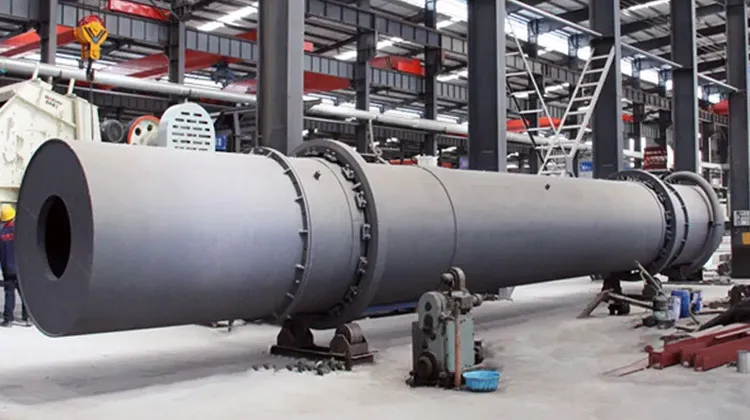
Mineral testing provides essential technical data that guides engineers in choosing the most suitable beneficiation equipment for a specific ore. Different ores have unique properties, and selecting the right equipment is critical for achieving high recovery rates, concentrate quality, and process efficiency.
Below are the main ways mineral testing supports equipment selection.
1. Determining Ore Grindability and Hardness
Mineral testing evaluates the grindability and hardness of the ore, which helps determine the type and capacity of crushing and grinding equipment.
Knowing how easily the ore can be crushed and milled ensures that energy consumption is minimized and grinding circuits are optimized.
2. Identifying Separation Method Requirements
Tests such as flotation, gravity separation, and magnetic separation indicate which beneficiation method is most suitable.
The results guide engineers in selecting appropriate separators, flotation cells, jigs, spirals, or magnetic drums for optimal mineral recovery.
3. Optimizing Equipment Capacity and Configuration
Test results provide data on expected ore throughput, particle size distribution, and mineral liberation.
Engineers use this information to determine the number of units, machine size, and arrangement in the beneficiation plant, ensuring efficient and balanced operation.
4. Evaluating Reagent and Process Compatibility
Mineral testing identifies the chemical and physical behavior of ore in different beneficiation processes.
This helps in selecting equipment that is compatible with reagents, pulp density, and separation conditions, maximizing recovery while minimizing operating costs.
5. Supporting Economic and Feasibility Decisions
By linking mineral properties with equipment performance, test work helps predict plant efficiency, recovery rates, and concentrate quality.
This allows mining companies to make informed decisions about capital investment and operational strategy, reducing the risk of underperforming equipment.
Conclusion
Mineral testing is a fundamental step in the mineral beneficiation process and a key factor for successful mining projects. Through systematic mineral testing and beneficiation test work, mining companies can better understand ore characteristics, optimize processing flowsheets, improve recovery rates, and reduce operational costs.
Whether developing a new mine or upgrading an existing processing plant, mineral testing for beneficiation is essential for efficient and profitable mineral processing operations.


 English
  Russian
  Arabic
  Vietnamese
  Spanish
  French
  Portuguese
  Japanese
  Chinese