



Silver has been used by human civilizations for more than 4,000 years. Although gold is usually considered more valuable, silver has played a broader role because of its exceptional electrical conductivity, reflectivity, ductility and antimicrobial properties.
Today, silver is not only a precious metal. It is also an essential material for electronics, solar energy, medicine, chemical processing and advanced manufacturing.
What Is Special About Silver?
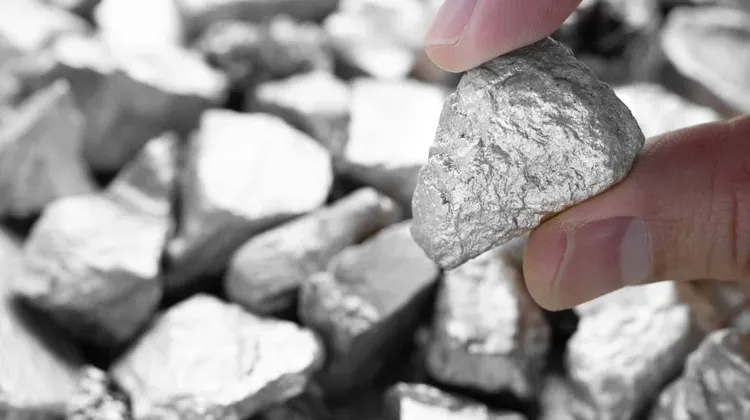
The chemical symbol for silver is Ag, derived from the Latin word “Argentum.” It is a silver-white precious metal with a bright metallic luster and a Mohs hardness of approximately 2.5 to 3.
Pure silver is relatively soft, so it is often alloyed with copper, gold or other metals to improve hardness and durability. Under normal temperatures and humidity, silver does not react easily with oxygen. However, sulfur-containing compounds in the air can form black silver sulfide on its surface, which explains why silverware gradually tarnishes.
Silver has the highest electrical conductivity of any metal. It also transfers heat efficiently, making it suitable for electrical contacts, conductive pastes and precision electronic components.
Its ductility is second only to gold. A small amount of silver can be drawn into extremely fine wire or rolled into thin sheets, allowing it to be used in both precision manufacturing and decorative products.
Polished silver also has one of the highest visible-light reflectivities among metals. This property supports its use in mirrors, optical equipment, solar technologies and specialized instruments.
Where Can Silver Be Found?
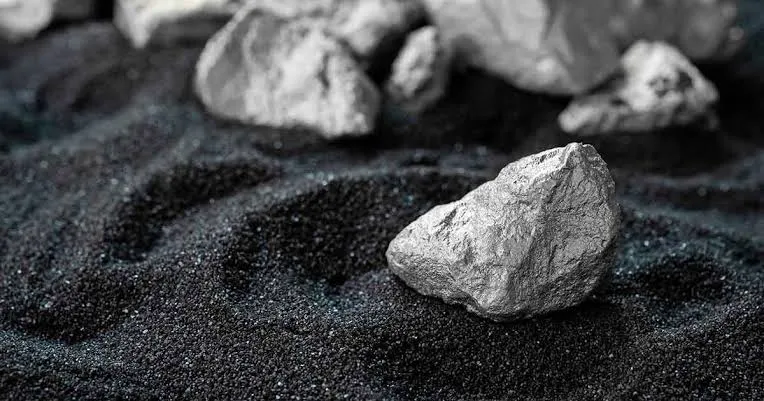
Silver is relatively scarce in the Earth’s crust, with an average abundance of about 0.08 parts per million. Large deposits of native metallic silver are therefore uncommon.
In nature, silver generally occurs in three forms. It may be found as rare native silver, as part of independent silver minerals such as argentite and chlorargyrite, or as an associated metal in lead, zinc, copper and gold deposits.
Most of the world’s silver is not produced from stand-alone silver mines. It is recovered as a by-product during the beneficiation and smelting of lead-zinc, copper and gold ores. As a result, global silver supply is influenced not only by the silver price, but also by activity in other base and precious metal industries.
Mexico and Peru have long been major silver-producing countries. China, Australia, Russia, Poland, Chile and Bolivia also contain important silver-bearing deposits. Because ore types and mineral associations differ between regions, each processing plant requires a flowsheet suited to its specific ore.
How Is Silver Ore Processed?

The processing method depends on silver mineralogy, ore grade, associated metals and gangue composition. A stand-alone silver ore may require a different process from a lead-zinc-silver or gold-silver deposit.
1. Crushing and Screening
Run-of-mine ore is first reduced in size by a щековая дробилка. конусные дробилки or other secondary crushing equipment then produce a smaller and more uniform feed.
Screening equipment separates material that is ready for grinding from oversized particles that must return to the crusher. Stable feed size reduces the load on the grinding circuit and supports continuous plant operation.
2. Grinding and Classification
Crushed ore enters a шаровая мельница or rod mill, where silver-bearing minerals are liberated from surrounding gangue. Hydrocyclones or spiral classifiers are then used to control particle size.
Grinding must be carefully managed. Coarse particles may remain locked with waste rock, while excessive grinding increases energy consumption and may reduce flotation performance.
3. Flotation
Flotation is widely used for silver-bearing lead-zinc ores, copper-silver ores and many sulfide silver deposits. Collectors, frothers and modifiers change the surface properties of the minerals so that valuable particles attach to air bubbles and rise into the concentrate.
Because silver is often associated with galena, chalcopyrite or sphalerite, the flotation circuit must consider the recovery of lead, copper, zinc and silver together. A suitable reagent scheme and flotation sequence can improve concentrate grade while reducing silver losses in the tailings.
4. Gravity Separation
Gravity equipment such as jigs, shaking tables and spiral concentrators may be used when the ore contains relatively coarse native silver particles.
Gravity separation relies on the density difference between silver-bearing minerals and gangue. It is not suitable for every ore, so it is often combined with flotation or leaching when the mineral particles are fine or complex.
5. Leaching and Recovery
Some gold-silver ores are treated by cyanide leaching. Silver dissolves into the solution and can then be recovered through zinc precipitation, activated carbon or other recovery methods.
Cyanidation can provide high recovery, but it requires strict process control, wastewater treatment and environmental management. Alternative systems, including thiosulfate-based leaching, are also being studied for selected ore types.
6. Thickening and Filtration
Flotation concentrates and process slurries usually pass through a thickener to reduce water content. Filter presses or vacuum filters then produce a drier concentrate.
Efficient solid-liquid separation lowers transportation and smelting costs while allowing process water to be recycled.
7. Smelting and Refining
Dewatered silver concentrate is normally treated in a smelter, often together with lead, copper or other metals. Fire refining or electrolytic refining is then used to remove impurities and produce high-purity silver.
The finished material may be supplied as silver bars, granules, powder or specialized industrial products.
The Long History of Silver
Silver has had a much greater influence on human society than its decorative value alone would suggest. In the ancient world, it became an important medium of exchange and a symbol of state wealth.
Ancient Greece, Rome and medieval Europe all used silver coins for trade. The name “pound sterling” is also connected with historical silver currency systems. In China, silver ingots and silver dollars played major roles in taxation, commerce and the storage of wealth during different periods.
Silver was also historically used in medicine and food preservation. Ancient societies observed that water and wine stored in silver vessels remained usable for longer periods. Soldiers and physicians also used silver plates, instruments or silver-containing materials when treating wounds.
Although people at the time did not understand microbiology, modern science has confirmed that silver ions can inhibit the growth of some microorganisms.
The traditional use of silver needles or chopsticks to test for poison was not scientifically reliable. Silver usually turns black because it reacts with sulfur compounds, not because it can detect every poison.
Wide Modern Uses of Silver

Electrical and Electronic Applications
Electronics is one of the most important markets for silver. Its high conductivity and heat resistance make it useful in electrical contacts, relays, switches, conductive pastes and precision components.
Silver can be found in vehicles, household appliances, computers, communication systems and aerospace equipment. Growth in electric vehicles, 5G networks and semiconductor manufacturing may continue to support industrial demand.
Solar Photovoltaics
Solar cells use silver-containing conductive paste to form electrodes on the silicon surface. These electrodes collect and transport the electrical current generated by the cell.
As global solar installations expand, photovoltaics have become a major driver of silver demand. Manufacturers are reducing the amount of silver used in each cell, but the overall scale of solar deployment may continue to support significant consumption.
Химическая промышленность
Silver powder, mesh and other forms can serve as catalysts in oxidation and chemical synthesis. Silver plating is also used to improve electrical conductivity, corrosion resistance and surface performance.
Jewelry and Silverware
Silver has been used for jewelry, tableware, commemorative coins and decorative products for thousands of years.
Pure silver is too soft for many everyday products, so the jewelry industry commonly uses sterling silver, which contains 92.5% silver and a small amount of copper.
Medical and Hygiene Applications
Silver ions can inhibit certain bacteria, so silver-containing materials are used in selected wound dressings, medical coatings and burn-care products.
Silver compounds such as silver nitrate also have specific medical uses, but they must be administered professionally. Excessive or prolonged silver exposure may cause argyria, which turns the skin blue-gray. Colloidal silver should therefore not be treated as a normal dietary supplement.
Photography and Imaging
Before digital photography became dominant, photographic film and X-ray film consumed large quantities of silver halide crystals. These crystals are highly sensitive to light and can record images through chemical development.
Digital technology has reduced this market significantly, but traditional film, medical imaging and artistic photography still use silver-based materials.
Water Treatment and Food Hygiene
Silver-ion technology can be used in selected water-treatment, filtration and hygiene systems to limit microbial growth. Silver-based materials have been studied or applied in aerospace water systems, storage tanks, swimming pools and some food-packaging products.
However, silver treatment normally works alongside filtration, ultraviolet light or other disinfection technologies. Silver release must also be carefully controlled to meet health and environmental requirements.
Can I Invest in Silver?
Silver is both an industrial commodity and a precious metal, so its price is influenced by manufacturing demand as well as financial markets.
Investors can gain exposure through physical bars and coins, exchange-traded products, futures or silver-mining companies. Physical silver offers tangible ownership and has a long history as a monetary asset.
During precious metal bull markets, silver may rise faster than gold because its market is smaller and more volatile. The same volatility can also cause larger losses. Prices respond to interest rates, inflation, the U.S. dollar, industrial demand, mine supply and investor sentiment.
Physical silver also involves storage, insurance, theft risk and dealer premiums. It may form part of a diversified portfolio, but investment decisions should reflect personal objectives and risk tolerance.
Challenges Facing the Silver Industry
As high-grade deposits become less common, more silver must be recovered from lower-grade ores and complex polymetallic deposits. This increases the energy required for crushing, grinding, flotation and smelting.
Mining companies must also improve tailings management, wastewater treatment and reagent control. Plants using cyanide leaching require particularly strict safety and environmental systems.
Future silver processing plants will rely more heavily on automation, online analysis and intelligent beneficiation. Better feed control, optimized reagent addition and real-time process adjustment can raise recovery while reducing energy and water consumption.
Заключение
Silver has supported human civilization for more than 4,000 years. It was once primarily valued as currency, wealth and decoration, but today it has become an essential material for electronics, solar energy, medicine, chemical processing and advanced manufacturing.
Its value comes not only from scarcity, but also from physical and chemical properties that are difficult to replace. As clean energy and high-technology industries expand, global silver demand will remain closely connected to mining and mineral processing.
Efficient crushing, grinding, flotation, leaching and dewatering will continue to determine the recovery, cost and environmental performance of silver projects.
Часто задаваемые вопросы
1. Is silver usually mined on its own?
No. Most silver is recovered as a by-product of lead-zinc, copper and gold mining. Stand-alone silver mines account for only part of global supply.
2. What minerals commonly contain silver?
Common silver-bearing minerals include argentite, chlorargyrite, pyrargyrite and native silver. Silver is also frequently associated with galena, chalcopyrite and sphalerite.
3. What is the most common beneficiation method for silver ore?
Flotation is widely used for sulfide silver ores and silver-bearing lead-zinc or copper ores. Gravity separation may also be used when coarse native silver is present.
4. What equipment is used in silver ore processing?
Common equipment includes jaw crushers, cone crushers, ball mills, hydrocyclones, flotation machines, thickeners, filter presses, leaching tanks and conveyor systems.
5. Why is silver widely used in electronics?
Silver has the highest electrical conductivity of any metal, together with excellent thermal conductivity and stable contact performance.
6. Why is silver important for solar panels?
Solar cells use silver paste to form conductive electrodes that collect and transport electricity. Growth in photovoltaic installations therefore influences industrial silver demand.
7. Does silver really kill bacteria?
Silver ions can inhibit the growth of certain microorganisms, which is why silver is used in selected wound dressings and water-treatment systems. It does not replace proper medical treatment or standard disinfection.
8. Is silver suitable for long-term investment?
Silver may be included in a diversified precious-metal portfolio, but it is generally more volatile than gold. Investors must also consider storage, liquidity, premiums and market risk.


 Russian
  English
  Arabic
  Vietnamese
  Spanish
  French
  Portuguese
  Japanese
  Chinese