


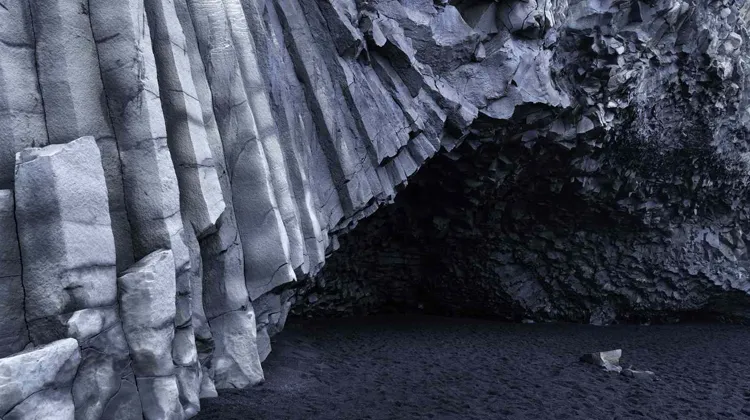
Basalt is a hard, dense and wear-resistant igneous rock widely used in road construction, concrete aggregates, railway ballast, cement-related projects and infrastructure works. For quarry owners, cement plants, concrete batching plants and contractors, a well-designed basalt processing plant can improve aggregate quality, reduce equipment wear and increase the long-term profitability of the whole production line.
Fact 1: Basalt Is Strong, but Not Every Basalt Is the Same
Basalt is a common extrusive igneous rock. The U.S. National Park Service explains that volcanic rocks usually have smaller crystal sizes or very fine-grained groundmass because they form through rapid cooling, and basalt is one of the common extrusive igneous rocks. This fine and dense structure gives basalt strong value in aggregate production, especially for crushed stone, manufactured sand, road aggregates and concrete aggregates.
However, in real projects, not all basalt raw materials are exactly the same. Basalt from different quarries may vary in hardness, compressive strength, joint structure, weathering degree, mud content, moisture content and mineral composition. Some basalt is dense and strong, making it suitable for high-quality aggregates. Some basalt may be weathered or mixed with soft layers, which can affect final product quality after crushing.
This is why raw material testing is important before building a basalt crushing plant. A project owner should understand the maximum feed size, compressive strength, abrasiveness, mud content, moisture content and target product sizes. Only after understanding the material characteristics can the right jaw crusher, cone crusher, VSI sand making machine, vibrating screen and washing equipment be selected.
Fact 2: Basalt Processing Is Not Just Crushing Stone

Many customers first think basalt processing simply means buying several crushers and breaking large rocks into smaller pieces. In fact, a high-quality basalt aggregate production line is not only about crushing. It is a complete processing system that usually includes feeding, primary crushing, secondary crushing, fine crushing, shaping, screening, washing, dust control, conveying and electrical control.
If the plant only focuses on crushing capacity and ignores particle shape, gradation and powder content, the final aggregates may not enter higher-value markets. For example, concrete batching plants care about more than aggregate size. They also care about particle shape, flaky particle content, mud content, water absorption and consistency. Road projects may also require stable crushing value, abrasion resistance and continuous gradation.
Therefore, a good basalt aggregate production line should not aim to crush the stone as fine as possible. It should produce the right product sizes according to local market demand. Common finished products include 0–5mm manufactured sand, 5–10mm small aggregate, 10–20mm concrete aggregate, 20–31.5mm coarse aggregate and special sizes for road and railway projects.
Fact 3: The Right Crushing Process Decides Production Efficiency
Basalt is a hard rock. If the process design is not suitable, the plant may suffer from fast wear, high power consumption and unstable output. A common basalt crushing process includes a vibrating feeder, jaw crusher for primary crushing, cone crusher for secondary or fine crushing, vibrating screen for classification, and VSI sand making machine for shaping and sand production when needed.
The jaw crusher is mainly used to process large basalt rocks. Its role is to reduce the large raw material into a size suitable for secondary crushing. Because basalt is hard, jaw plate material, machine strength and discharge setting range are very important. If the primary crusher is too small, the plant may face blockage, insufficient capacity and frequent shutdowns.
The cone crusher is often one of the key machines in basalt processing. Compared with an impact crusher, a cone crusher is more suitable for long-term processing of hard and abrasive basalt. Impact crushers can work well with limestone and medium-hard rocks, but when used as the main secondary crusher for basalt, wear parts may be consumed quickly, increasing long-term operating cost.
For projects that require manufactured sand, a VSI sand making machine is usually added after cone crushing. The VSI can further improve particle shape, make aggregates more cubic and produce 0–5mm manufactured sand. This process is more suitable for concrete, dry mortar and premium aggregate markets.
Fact 4: Конусная дробилка Is Often the Key Machine for Basalt Crushing
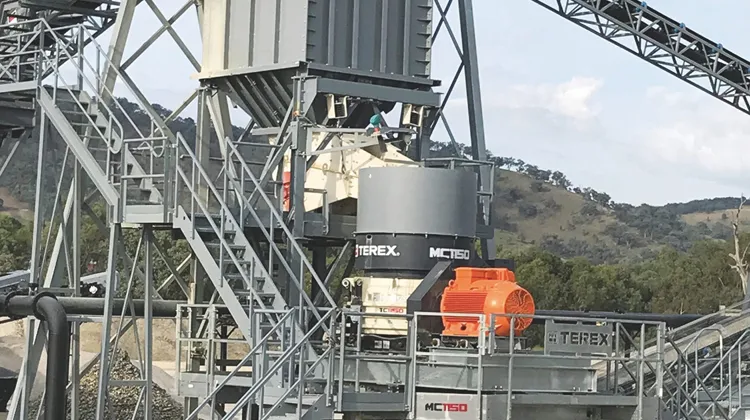
The cone crusher plays a very important role in basalt processing. Because basalt is hard and abrasive, unsuitable equipment can lead to high maintenance cost. Cone crushers use compression crushing, which can process hard rock more steadily and provide better capacity and size control in secondary and tertiary crushing stages.
For a basalt aggregate production line, the cone crusher affects not only capacity, but also final product size and downstream screening efficiency. If the cone crusher discharge is too coarse, the screening system will face a higher load. If the discharge is too fine, over-crushing and higher energy consumption may occur. Therefore, chamber selection, discharge setting, feeding uniformity and closed-circuit design are all critical.
Multi-cylinder hydraulic cone crushers are often suitable for higher-capacity projects and applications that require better automation. They can help improve crushing efficiency, make discharge setting adjustment easier and reduce manual operation. For quarries and cement mine supporting projects that require continuous operation, the stability of the cone crusher directly affects the cost per ton of finished aggregate.
Fact 5: VSI Sand Making Improves Particle Shape and Product Value
After jaw crushing and cone crushing, some basalt particles may still have unsatisfactory shape or flaky particles. This may not matter much for ordinary backfill material, but it directly affects product value for concrete aggregate, asphalt aggregate and high-quality manufactured sand.
The VSI sand making machine is not only used for sand production. It is also used for shaping. Sandvik states that VSI impact crushers are used for producing high-quality manufactured sand and premium shaped aggregates. This is why many basalt sand making plants install a VSI machine after cone crushing.
For concrete applications, manufactured sand must meet grading and quality requirements. ASTM C33/C33M states that fine aggregate for concrete may consist of natural sand, manufactured sand or a combination of both, and it must meet related grading and quality requirements. Therefore, a basalt sand making plant should not only focus on output. It should also control particle shape, fineness modulus, powder content and product consistency.
If the market requires higher sand quality, the production line can also include an air classifier, sand washer, fine sand recovery machine and dewatering screen. These machines help control stone powder content and mud content, improving the suitability of basalt manufactured sand for concrete and dry mortar.
Fact 6: Screening and Gradation Control Are Critical for Aggregate Quality
The value of aggregates is not decided only by the rock type. It is also decided by product size and gradation. The Minerals Education Coalition explains that aggregates include sand, gravel and crushed stone, and they can be used in concrete, asphalt paving and other construction applications. For basalt processing projects, clear classification of finished products is essential for meeting different customer requirements.
The vibrating screen is a key part of the basalt production line. A multi-layer vibrating screen can separate materials into different sizes, such as 0–5mm, 5–10mm, 10–20mm and 20–31.5mm. Qualified products are sent to finished stockpiles or storage silos, while oversized or unqualified materials return to the cone crusher or VSI sand making machine for reprocessing.
If screening efficiency is low, the plant may face mixed products, excessive return load, unstable product sizes and reduced output. For international buyers, the screening system is not just auxiliary equipment. It is a key part of quality control and selling price. In concrete plants, road projects and cement product factories, stable gradation is often more valuable than simply offering a low price.
Fact 7: Wear Parts, Dust Control and Automation Affect Long-Term Profit
Whether a basalt processing project is profitable depends on more than equipment purchase price. Long-term profit is affected by machine durability, wear parts life, power consumption, downtime, dust control performance and automation level. Basalt is a hard rock, so jaw plates, mantles, concaves, liners, VSI wear tips and screen meshes all face high wear requirements. If wear parts are unstable, the plant will stop frequently for replacement, directly reducing output and delivery ability.
Dust control is also important in basalt processing. Crushing, screening, conveying and discharge points can all generate dust. If the site does not have water spraying, enclosed conveyors, bag dust collectors or centralized dust control, the working environment may be poor and local environmental requirements may not be met. For international projects, more customers are paying attention to the environmental performance of the crushing plant, not only the machine price.
Automation can improve the stability of the whole production line. With a centralized electrical control cabinet, PLC control, sensors and remote operation, operators can monitor equipment status more quickly, reduce manual errors and improve production safety. For 200 tph, 300 tph, 500 tph or larger basalt production lines, automation helps reduce management difficulty and lowers shutdown losses caused by uncoordinated equipment operation.
Recommended Basalt Processing Plant Configuration
Different projects have different raw material conditions, capacity requirements, product specifications and budgets. Equipment configuration should not be copied from a fixed list. Below are several common solutions.
Basic Basalt Aggregate Production Line

If the project mainly produces ordinary crushed stone aggregates, the plant can include a vibrating feeder, jaw crusher, cone crusher, vibrating screen, belt conveyors and electrical control system. This solution has a clear process and is suitable for road base material, general concrete aggregate and construction stone.
This configuration is suitable for customers entering the aggregate industry for the first time, or for projects where the local market mainly requires 5–10mm, 10–20mm and 20–31.5mm crushed stone products. The investment is relatively controllable, and operation management is easier.
Basalt Sand Making Plant
If the project focuses on manufactured sand and high-quality fine aggregates, a VSI sand making machine, sand washer, fine sand recovery machine, dewatering screen, dust control system and finished product silos should be added after the basic crushing system.
This solution can produce 0–5mm manufactured sand and multiple aggregate sizes at the same time. It is more suitable for concrete batching plants, dry mortar plants, cement product factories and commercial aggregate suppliers. Compared with producing only crushed stone, manufactured sand usually has higher added value, but it also requires better process control and more stable product quality.
High-Capacity Basalt Crushing Plant
For large quarries, cement mine supporting projects and long-term continuous supply projects, the plant can use a heavy-duty vibrating feeder, large jaw crusher, multi-cylinder hydraulic cone crusher, VSI sand making machine, multi-layer vibrating screen, centralized dust control system, automation control system, storage silos and truck loading system.
This type of solution focuses on continuous operation, low downtime, lower maintenance cost and long-term return on investment. Although the initial investment may be higher, it can help reduce the production cost per ton if the project has stable raw material reserves and a reliable sales market.
Main Applications of Basalt Aggregates
Basalt aggregates can be used in road construction, railway ballast, concrete production, asphalt mixtures, port foundations, bridge projects, water conservancy works and cement products. Because basalt usually has good wear resistance and strength, it is especially suitable for projects with higher aggregate quality requirements.
In road construction, basalt crushed stone can be used for road base, surface layers and asphalt mixtures. Roads face long-term vehicle load and abrasion, so aggregate strength and wear resistance are important. Basalt can provide good value in these applications.
In concrete production, basalt crushed stone can be used as coarse aggregate, and basalt manufactured sand can be used as fine aggregate. For ready-mix concrete plants and cement product factories, stable particle shape, reasonable gradation and controlled powder content help improve concrete quality consistency.
In railway and port projects, basalt aggregates can also be used for ballast, foundation layers and load-bearing structures. For large infrastructure projects, a local basalt processing plant can reduce transportation cost and improve material supply stability.
How to Choose a Basalt Processing Equipment Supplier
When choosing a basalt processing equipment supplier, buyers should not only compare machine prices. Basalt is a hard rock. If equipment selection and process design are not suitable, the project may face fast wear, insufficient capacity, poor particle shape, low screening efficiency or frequent shutdowns.
A professional supplier should provide a complete solution based on raw material testing, capacity requirements, product sizes, site layout and environmental requirements. The solution should include process flow design, equipment selection, plant layout, foundation drawings, installation guidance, trial operation support, spare parts supply and after-sales service.
For international customers, the supplier’s experience in hard rock crushing plants is very important. Basalt, granite and diabase should not be processed with a simple limestone crushing solution. Only a production line designed according to hard rock characteristics can achieve more stable output, better particle shape and lower long-term operating cost.
Заключение
The core of basalt processing is not simply breaking rocks. It is about using scientific process design to turn hard basalt rock into high-quality and high-value aggregates. For quarries, cement plants, concrete batching plants and contractors, a suitable basalt processing plant can improve product quality, reduce wear cost, optimize gradation control and increase long-term project profitability.
From jaw crushing to cone crushing, from VSI sand making to screening and washing, from wear parts selection to dust control and automation, every stage affects the market value of the final products. Only when the plant is customized according to raw material characteristics, target capacity, product standards and local market demand can basalt resources become a stable aggregate production business.
If you are planning a basalt crushing plant or basalt sand making plant, a customized solution can help you improve aggregate quality, reduce operating cost and build a more profitable hard rock processing project.
Часто задаваемые вопросы
1. What is basalt used for in aggregate production?
Basalt is commonly used for crushed stone, concrete aggregate, asphalt aggregate, road base, railway ballast and construction materials because it is hard, dense and wear-resistant.
2. Is basalt suitable for manufactured sand?
Yes. Basalt can be processed into manufactured sand through crushing, shaping, screening and washing. A VSI sand making machine is commonly used to improve particle shape and produce 0–5mm sand.
3. What equipment is used for basalt processing?
A typical basalt processing plant may include a vibrating feeder, jaw crusher, cone crusher, VSI sand making machine, vibrating screen, sand washer, fine sand recovery system, belt conveyors, dust collector and electrical control system.
4. Is cone crusher suitable for basalt?
Yes. Cone crusher is usually suitable for hard rock such as basalt, granite and diabase. It offers better wear resistance and more stable operation than impact crusher in many hard rock applications.
5. Why is screening important in basalt aggregate production?
Screening separates crushed basalt into different product sizes and controls final gradation. Efficient screening helps improve product quality, reduce return load and increase production efficiency.
6. Does basalt sand need washing?
Not always. If the raw material is clean and the market accepts dry manufactured sand, washing may not be necessary. If the material contains mud or the final sand must meet stricter concrete requirements, washing and fine sand recovery are recommended.
7. How can a basalt crushing plant reduce operating cost?
Operating cost can be reduced by choosing suitable crushers, improving feed control, using wear-resistant parts, optimizing closed-circuit crushing, improving screening efficiency, controlling dust and applying automation.
8. What capacity can a basalt aggregate plant reach?
The capacity depends on raw material size, equipment model, process design and final product requirements. Common capacities include 100 tph, 200 tph, 300 tph, 500 tph or larger customized solutions.


 Russian
  English
  Arabic
  Vietnamese
  Spanish
  French
  Portuguese
  Japanese
  Chinese