



Cement residue, mortar splashes, and concrete buildup can remain on floors, masonry, tools, vehicles, and industrial equipment after construction work. Removing it correctly matters because the wrong cleaning method can damage tile, metal, stone, painted surfaces, sealed concrete, and sensitive equipment components.
The first step is to identify whether the material is still fresh or has already hardened. Fresh cement and wet concrete should be removed promptly with water and non-damaging tools. Dried cement, mortar, and concrete residue may require careful scraping, a compatible cement-removal product, or controlled mechanical cleaning.
Strong acid is not the best universal answer. Acidic products can dissolve cement-based residue, but they may also corrode metal, etch natural stone, discolor grout, or weaken the surface of concrete. Always test a small, inconspicuous area first and begin with the mildest effective method.
Before Cleaning Cement: Identify the Residue and Surface
Before selecting a cleaning method, confirm:
- Whether the residue is fresh cement paste, mortar, or hardened concrete;
- Whether it is a thin cement film or a thick hardened deposit;
- Whether the surface is concrete, brick, tile, glass, metal, plastic, or natural stone;
- Whether the surface has paint, sealant, corrosion protection, or another protective coating;
- Whether the area is close to drains, landscaping, electrical parts, or pedestrian traffic.
Different materials have very different resistance to acid, abrasion, and scratching. For large areas or valuable surfaces, test the method in a hidden location before proceeding.
How to Clean Fresh Cement and Wet Concrete
Fresh cement paste and wet concrete are much easier to remove than hardened residue. Clean them as soon as practical because the material becomes more difficult and expensive to remove as hydration and setting progress.
First, lift thicker material away with a plastic scraper, rubber squeegee, or wooden tool. Avoid using metal blades as the first choice on tile, glass, coated metal, polished stone, or other scratch-sensitive surfaces.
Then wash the remaining material with clean water and a soft brush. On cement equipment, mixer trucks, loading chutes, and hoppers, avoid directing high-pressure water toward motors, sensors, control cabinets, bearing seals, and electrical connections.
Wet cement is strongly alkaline. Workers should wear waterproof gloves, eye protection, long sleeves, and slip-resistant footwear. If wet cement contacts skin, rinse the affected area promptly with plenty of clean water and remove contaminated gloves or clothing.
How to Remove Dried Cement and Hardened Concrete Residue
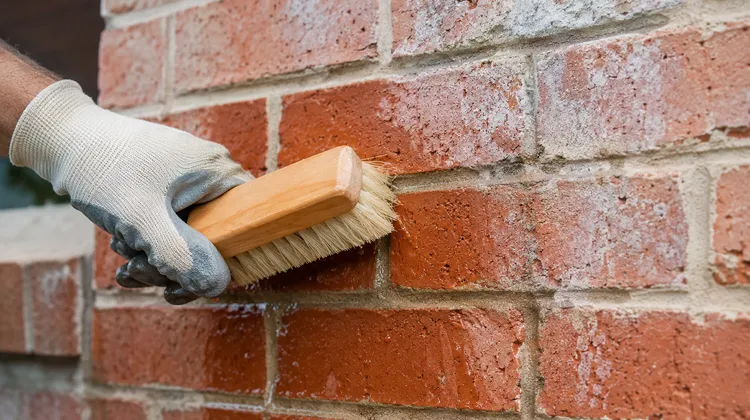
For dried cement, mortar, or concrete, start with mechanical cleaning and use chemical products only when needed. This reduces chemical consumption and helps protect the underlying surface.
Start With Gentle Mechanical Removal
For hardened drops on floors, edges, tools, or equipment surfaces, begin with plastic scrapers, wooden-handled tools, nylon brushes, or non-damaging scraper blades.
If the deposit is thick, light controlled tapping may help release it. Do not strike tile, brick corners, glass, thin metal panels, or coated surfaces aggressively. On concrete, overly aggressive chipping can create pits, expose aggregate, and leave a poor finish.
When cleaning near machinery, first check for seals, hydraulic hoses, sensors, cables, bearings, and moving components. Protect nearby parts before cleaning, and involve qualified maintenance personnel when there is a risk of equipment damage.
Use a Compatible Cement Residue Cleaner
A thin cement haze, mineral-like film, or mortar mark that cannot be removed mechanically may require a cement residue cleaner designed for the specific surface. These products are commonly acidic or mildly acidic and can help soften and dissolve cement-based deposits.
Read the product instructions carefully and follow the recommended dilution rate, dwell time, and rinsing procedure. Do not increase concentration or contact time simply to speed up cleaning.
A safer cleaning sequence is:
- Pre-wet the surface to reduce rapid chemical absorption;
- Test a small area first;
- Apply the product only to the affected area;
- Agitate gently with a chemical-resistant brush;
- Avoid steel wool on surfaces that can scratch easily;
- Rinse thoroughly as directed and collect or manage wastewater appropriately;
- Inspect the surface for discoloration, corrosion, or increased roughness.
Never mix cleaning products. In particular, do not combine acidic cleaners with chlorine bleach or other unknown chemicals.
How to Clean Cement From Concrete Surfaces
Cleaning cement residue from concrete requires extra care because the substrate is also cement-based. Excessive acid use can attack the surface paste, leave uneven color, increase roughness, or make the floor more likely to collect dust and dirt.
For small mortar drops, use a plastic scraper, wooden tool, or low-impact mechanical method first. For wider areas with thin residue, consider low-pressure washing, a floor cleaner intended for concrete, or controlled light mechanical polishing.
If an acidic product must be used, choose one specifically suitable for concrete floors and strictly limit contact time. Rinse or neutralize as required, then determine whether the surface needs to be resealed or protected again.
How to Remove Cement From Brick, Block, and Masonry Walls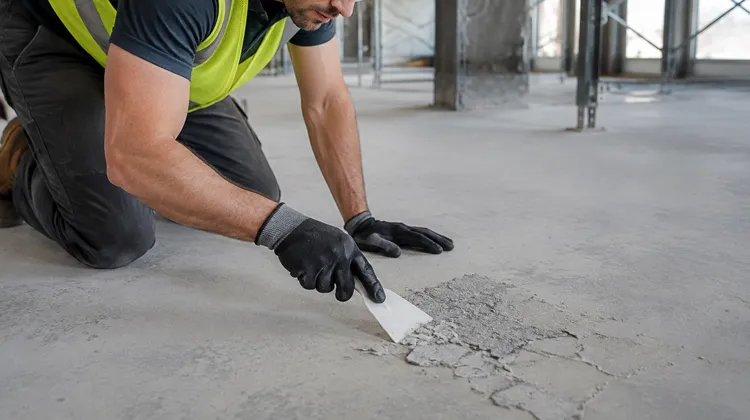
Brick, concrete block, and exterior masonry surfaces often retain mortar smears after installation. Do not rub wet residue deeper into porous surfaces, as this can create a more visible cement film.
Remove thicker mortar deposits carefully with a wooden or plastic tool. Once the large pieces are gone, use a masonry-compatible residue cleaner for remaining thin marks.
Porous brick, decorative stone, and high-absorption block should generally be pre-wetted before chemical cleaning so the cleaner does not penetrate too rapidly. Natural stone, limestone, marble, and some decorative masonry products are acid-sensitive and should not be treated with a generic cement-cleaning method.
How to Clean Cement From Tile and Glass
Tile, glass, and bathroom finishes may collect cement haze, grout residue, or mortar splashes during installation. If the material is not fully hardened, start with a damp cloth, plastic scraper, and clean water.
For dry haze, use a cement residue cleaner that is suitable for the tile or glass surface. Avoid harsh abrasives, steel wool, and sharp metal tools because they can leave permanent scratches, especially on glazed tile, polished porcelain, and glass.
Pay attention to grout and sealant joints. Some acidic cleaners can discolor, weaken, or remove protective finishes from cement-based grout. If cleaning near grout lines, test first and keep the chemical contact time short.
How to Clean Cement From Metal Tools and Equipment

At cement plants, batching facilities, conveying systems, and concrete jobsites, cement buildup can collect on tools, hoppers, loading chutes, mixer blades, vehicle parts, and external equipment surfaces.
Fresh residue should be removed promptly with water and plastic tools. For dried cement, use a plastic scraper, nylon brush, or mild mechanical method to remove as much buildup as possible before considering chemicals.
Before using an acidic cement cleaner, verify the metal type and surface treatment. Bare steel, galvanized coatings, aluminum alloys, copper alloys, and painted finishes react differently to acidic products. Incorrect use can cause corrosion, staining, or coating failure.
Do not casually spray chemical cleaner around critical equipment parts such as hydraulic systems, control cabinets, sensors, bearings, or electrical components. Use local protection and manual wiping where possible, or follow an equipment-specific cleaning procedure developed by qualified maintenance personnel.
Can You Use Muriatic Acid to Clean Cement?
Muriatic acid can react with cement-based material and remove certain cement deposits. However, it is not an all-purpose cleaning solution.
It is corrosive and can harm skin, eyes, and the respiratory system. It may also corrode metal, damage natural stone, and affect nearby coatings. Improper use can create wastewater and environmental handling problems if acid enters a drain or soil.
For small household areas and normal jobsite residue, start with physical cleaning or a purpose-made cement remover. If a strong acid product is truly required, it should be used only by trained personnel following the product label, local safety requirements, and appropriate wastewater-disposal procedures.
Safety Tips for Cement Cleaning
Whether you use water, mechanical tools, or a cleaning chemical, follow these practical safety measures:
- Wear alkali-resistant or chemical-resistant gloves, eye protection, and protective clothing;
- Use chemical cleaners in a well-ventilated area;
- Test material compatibility before treating a large area;
- Never mix different cleaning chemicals;
- Keep cleaning liquids out of storm drains, soil, and untreated drainage systems;
- Control slip hazards, splashing, and falling-object risks when working on walls or elevated equipment;
- For large areas, enclosed spaces, or industrial equipment, prepare a cleaning and wastewater collection plan.
How to Prevent Cement Cleanup Problems
The fastest way to clean cement is to prevent heavy buildup in the first place. Before work begins, protect windows, metal parts, equipment housings, floor edges, and other surfaces that should not contact mortar or concrete.
After placement, wash tools, chutes, hoppers, and accessible vehicle surfaces before the material hardens. In cement equipment projects, include routine cleaning in the maintenance plan so small deposits do not gradually become large hardened accumulations.
Good jobsite organization, timely washing, and suitable protection are usually safer and more economical than using stronger chemicals later.
خاتمة
The right way to clean cement is not simply choosing the strongest cleaner. First identify whether the cement is fresh or hardened, how thick the residue is, and what material lies beneath it. Fresh cement should be removed quickly with water and non-metallic tools. Hardened residue should be treated with gentle mechanical cleaning first, followed by a surface-compatible cleaner only when necessary.
Concrete, natural stone, metal equipment, coated surfaces, and large industrial areas require additional care. Test a small area, protect nearby equipment, use proper personal protective equipment, and manage wash water responsibly. This approach removes cement residue while preserving the surface being cleaned.
الأسئلة الشائعة
Can vinegar remove cement?
Vinegar is mildly acidic and may have limited effect on light fresh cement haze, but it is usually not effective on thick or fully hardened cement. It can also affect certain stone, grout, and metal surfaces, so it should not be treated as a universal solution.
Will a pressure washer remove dried cement?
A pressure washer is more effective for fresh cement slurry or loose residue. Fully hardened cement deposits often require controlled scraping or a compatible removal product. High-pressure water can also spread contaminated runoff or damage weaker surfaces.
How do you remove cement from a concrete truck?
Wash accessible areas promptly before concrete hardens, while keeping water away from electrical, hydraulic, and drive components. Dried buildup should be removed using methods compatible with the truck body and coating system, with professional attention around critical components.
Can cement cleaner damage tile?
Some products can damage cement-based grout, natural stone, or specialty finishes. Choose a cleaner designed for the tile material and test it in an inconspicuous area before full use.


 Arabic
  English
  Russian
  Vietnamese
  Spanish
  French
  Portuguese
  Japanese
  Chinese